
Quick Answer: Finding the Right Diaper Caddy for Your Needs
Selecting the ideal diaper caddy depends on your daily routine, home layout, and budget. No single style excels in every category, as parents prioritize different features based on whether they need a highly mobile organizer or a stationary storage hub.
Premium brands generally focus on structured vegan leather or heavy-duty canvas. These options offer excellent aesthetic appeal, maintain their shape when fully loaded, and feature wipe-clean surfaces. They are ideal if you plan to keep the caddy in a fixed location, such as on a changing table.
In contrast, budget-friendly brands often utilize lightweight felt or hard plastic. These materials prioritize utility and portability, making them excellent choices for carrying supplies between rooms. Hard plastic offers excellent washability, while felt provides a soft, scratch-free exterior that is safe for delicate furniture.
Products mentioned in this guide
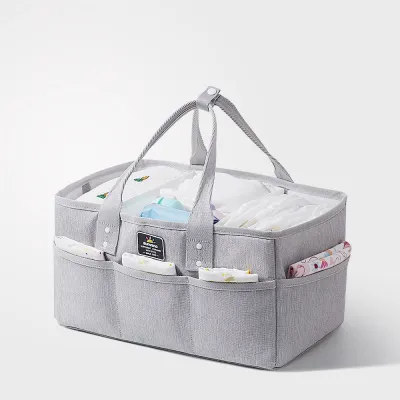
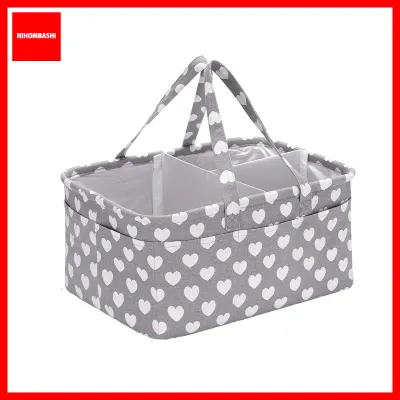
![[Local Shop] Baby Diaper Caddy Organizer Nursery Room Storage Bag](https://img.lazcdn.com/g/p/97b826d1268580040c9334c054e0a4ad.jpg_400x400q80.jpg_.webp)
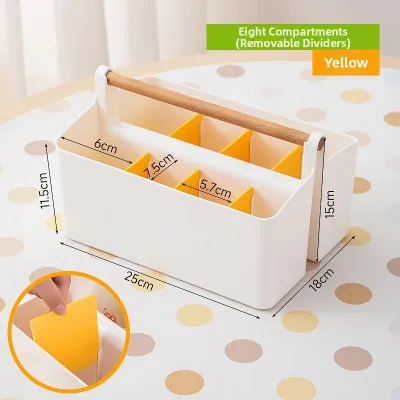
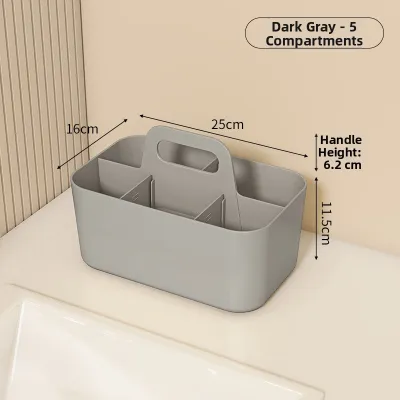
![[Ready Stock in SG] Multifunctional Baby Infant Newborn Diaper Nappy Stacker Organizer Crib Hanging bag [Little Gems]](https://img.lazcdn.com/g/p/a97d47f7037a82418a0c42d1915aba4f.jpg_400x400q80.jpg_.webp)
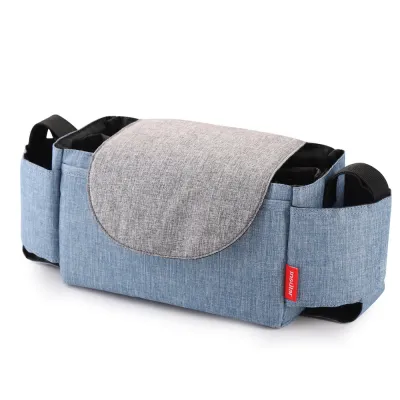
Prices are valid at publication and may change. Please refer to the product page for the latest price.
If you live in a compact apartment or a multi-story home in Singapore, portability and weight should be your primary considerations. A lightweight caddy with comfortable, reinforced handles allows you to move your changing station effortlessly. If the caddy will remain stationary, prioritize structured durability, a non-slip base, and easy-to-clean materials that resist moisture.
Core Comparison Dimensions: Durability, Design, and Value
Assessing Structural Durability
Evaluating a diaper caddy requires looking closely at how well it holds up under daily physical stress. A fully loaded caddy carries a significant amount of weight, including a heavy stack of diapers, a full tub of barrier cream, baby wipes, and sanitizing supplies. Over time, poorly constructed caddies will begin to sag at the bottom, causing the internal compartments to collapse and items to spill.

To assess durability, examine the stitching quality along the seams and around the handle attachments. High-quality brands reinforce these high-stress areas with cross-stitching or metal rivets. Additionally, look for caddies that feature rigid baseboard inserts or integrated wire frames. These structural elements distribute weight evenly and prevent the base from bowing, ensuring the caddy remains upright and stable when lifted.
Balancing Design and Space Optimization
In Singapore, where home space is often at a premium, the physical footprint of a diaper caddy is a crucial design consideration. A bulky caddy can quickly clutter a small changing table or take up valuable space on a nursery shelf. The ideal design should be compact enough to fit on standard shelving units while remaining deep enough to prevent tall bottles, lotions, and thermometers from tipping over.
Beyond dimensions, consider how the handle height and design affect daily ergonomics. Handles should be long enough to grab easily with one hand while you safely secure your baby with the other. However, they should not be so long or floppy that they fall inward and get soiled by open creams or diapering products. Aesthetic integration is also important, as many parents prefer neutral tones and clean lines that complement their home decor.
Understanding Long-Term Value for Money
Value for money is not merely about finding the lowest initial price tag. A cheap, poorly made caddy may need to be replaced within a few months if the seams split, the handles tear, or the fabric absorbs odors and moisture. Investing a bit more upfront can yield a product that lasts through multiple developmental stages and can even be repurposed for subsequent children.
True value is demonstrated when a caddy transitions seamlessly from a diapering station to a general home organizer. A caddy made from durable, high-quality materials can eventually store children’s books, art supplies, bath toys, or car travel essentials. When comparing brands, consider the potential lifespan of the materials and whether the design can adapt to your family’s changing needs over several years.
Material Breakdown: How Brands Achieve Different Quality Levels
Felt and Fabric Caddies
Felt and fabric caddies are highly popular on online marketplaces, typically falling into the budget-friendly price range of S$10 to S$25. These options are favored for their extremely lightweight construction and soft, flexible edges. The soft texture ensures that there are no sharp corners, making them safe to place on delicate wooden changing tables or near a sleeping baby without risking scratches or loud noises.
However, felt has several distinct performance limitations that parents should consider. The material is highly prone to pilling over time, especially in areas where handles or toys rub against the exterior. More importantly, felt is highly absorbent; if baby oil, liquid soap, or diaper cream spills inside, the liquid quickly penetrates the fibers. This makes felt caddies difficult to clean, often resulting in permanent stains and trapped odors that can compromise nursery hygiene.
To maximize durability when choosing a felt caddy, look for brands that specify a material thickness of at least 3mm to 4mm. Ensure the top edges are finished with reinforced fabric piping to prevent stretching and fraying. Selecting a model with a removable, rigid bottom insert will also help the caddy maintain its rectangular shape when loaded with heavier items like full packs of wet wipes.
Canvas and Cotton Caddies
Canvas and cotton caddies represent a mid-tier option, generally priced between S$25 to S$50. These materials are highly valued for their natural, classic appearance, which blends beautifully with modern nursery themes. Woven cotton and heavy-duty canvas offer excellent structural integrity while remaining soft to the touch, providing a great balance between aesthetic appeal and functional strength.
The primary advantage of high-quality canvas is its washability. Many cotton and canvas caddies can be spot-cleaned or machine-washed, allowing parents to maintain a fresh and sanitary diapering environment. However, unlined canvas is still susceptible to absorbing moisture and spills. In Singapore’s humid climate, damp fabric that is not dried thoroughly can quickly become a breeding ground for mold and mildew.
When comparing canvas brands, look for those that incorporate water-resistant inner linings or removable, wipeable dividers. A laminated or polyester interior lining allows you to quickly wipe away spills with a damp cloth without needing to wash and dry the entire caddy every time a minor spill occurs. This feature significantly improves daily hygiene and extends the overall lifespan of the product.
Vegan Leather and Hard Plastic Caddies
Vegan leather and hard plastic caddies sit at the premium end of the market, with prices often ranging from S$50 to S$90 or more. These materials are engineered for maximum durability, ease of maintenance, and long-term hygiene. They are highly favored by parents who want a premium aesthetic and a highly sanitary storage solution that can withstand heavy daily use.
The standout benefit of both vegan leather and hard plastic is their superior wipe-clean capability. Spills from baby oils, creams, or liquid medications do not sink into these materials; they can be wiped away completely in seconds with a damp cloth and mild soap. This resistance to staining and odor absorption makes them exceptionally hygienic and well-suited for the messy nature of diaper changes.
While highly durable, these premium materials do come with trade-offs. Vegan leather and hard plastic caddies are significantly heavier than felt or fabric alternatives, which can make them less comfortable to carry around the house for extended periods. When choosing vegan leather, verify that the material is high-quality, scratch-resistant, and free from strong chemical odors. For plastic options, ensure the brand uses BPA-free, food-grade plastics with smoothly rounded edges to prevent accidental scratches.
Essential Features to Compare Across Brands
Compartmentalization and Divider Flexibility
The internal layout of a diaper caddy directly impacts how efficiently you can organize your supplies. Some brands offer fixed, sewn-in dividers that keep items strictly separated, while others feature modular, removable dividers attached with heavy-duty Velcro or snap buttons. Removable dividers offer significantly greater versatility, allowing you to customize the storage space as your baby’s needs evolve.
During the newborn stage, you may want multiple small compartments to keep tiny items like nail clippers, thermometers, cotton buds, and pacifiers organized and easy to find. As your child grows, you can remove the dividers to create a single large compartment suitable for toddler-sized diapers, change mats, or storybooks. Look for brands that use strong, wide Velcro strips to ensure the dividers stay firmly in place under weight.
Portability, Handle Comfort, and Weight Distribution
If your daily routine involves moving your diapering setup between the bedroom, living room, and kitchen, the design of the handles is critical. Thin, unpadded handles can dig painfully into your hands when the caddy is fully loaded. Look for brands that offer wide, padded handles made from soft cotton webbing, reinforced vegan leather, or smooth wood.
In addition to comfort, evaluate how the handles are integrated into the caddy’s structure. Handles that are stitched directly into a single layer of fabric are prone to tearing. Premium brands typically run the handle straps all the way down the sides and under the bottom of the caddy, or secure them with heavy-duty metal rivets. This design distributes the weight evenly, preventing structural failure and ensuring safe transit.
Moisture and Hygiene Management in Humid Climates
Singapore’s year-round high humidity presents a unique challenge for baby gear storage. Fabric items stored in dark, unventilated spaces can easily develop mold if moisture becomes trapped. When comparing diaper caddy brands, prioritize those that incorporate features designed to manage hygiene and airflow effectively.
Look for caddies that utilize breathable mesh outer pockets, water-resistant interior coatings, or elevated feet that keep the base off damp surfaces. Avoid storing damp washcloths or wet items directly inside fabric compartments. Regularly empty the caddy to wipe down the interior surfaces and allow the materials to air out in a well-ventilated, dry area to prevent any buildup of mildew or musty odors.
Safety, Stability, and Material Standards
Safety should always be a primary consideration when choosing any product for your baby’s environment. A diaper caddy must be highly stable and resistant to tipping over, especially if it is placed on elevated surfaces like a changing table, chest of drawers, or bed. Compare the base width of different models; a wide, flat base with non-slip rubber feet or a textured bottom provides the best stability.
Additionally, parents should verify the material safety standards of the brands they are considering. Ensure that all plastics are certified BPA-free and phthalate-free, and that fabric dyes and faux leathers do not contain harmful heavy metals or toxic chemical flame retardants. Always check the manufacturer’s documentation for specific weight capacity ratings, and never overload the caddy beyond its recommended limit to prevent handle failure or tipping hazards.
Evaluating Value for Money in the Singapore Market
Navigating the wide range of diaper caddies available in Singapore requires looking past marketing claims to evaluate true functional value. Prices can vary dramatically, with basic unbranded felt caddies costing under S$15, mid-range cotton canvas options priced between S$25 and S$50, and premium designer vegan leather caddies exceeding S$80. Understanding what you are paying for helps ensure you make a smart, lasting investment.
When assessing a premium price tag, check if the brand offers added value through modular accessories or extended warranties. Some high-end caddies come packaged with matching water-resistant changing mats, insulated bottle holders, or attachable wet bags. Additionally, reputable brands often provide responsive customer support and clear product guarantees, giving you recourse if a seam splits or a handle fails prematurely.
Purchasing from official brand stores or authorized local distributors is generally recommended over buying cheap, unbranded lookalikes from general online marketplaces. While unbranded options may look identical in online photos, they often compromise on material quality. They may use thinner plastics that crack easily, low-grade felt that pills rapidly, or cheap adhesives that emit strong chemical odors. Official channels ensure you receive authentic, baby-safe materials that meet international safety standards.
Ultimately, a diaper caddy’s value is realized through its cost-per-use over time. A durable, S$60 vegan leather or structured canvas caddy that serves your family for three years—and later transitions into a stylish toy organizer—costs far less in the long run than buying multiple S$15 felt caddies that wear out, stain, or lose their shape within a few months. Prioritize structural integrity and ease of cleaning to get the best return on your investment.
Decision Framework: Which Caddy Style Fits Your Routine?
To help you make the right choice, consider how your daily routine and home layout align with the strengths of each material and design style. Use the following conditional scenarios to guide your decision:
- Choose structured vegan leather or hard plastic if you plan to establish a permanent, stationary changing station in your nursery. This style is ideal if you prioritize effortless, wipe-clean hygiene, want a premium aesthetic that complements your home decor, and require a highly durable organizer that will resist moisture, staining, and structural sagging over years of continuous use.
- Choose high-quality canvas or cotton with removable dividers if you prefer a soft, natural aesthetic and want the flexibility of a machine-washable exterior. This option is perfect if you want a versatile organizer that can easily transition into a stylish storage basket for children's books, toys, or art supplies once your baby outgrows the diapering phase.
- Choose lightweight, reinforced felt if you need a highly portable, budget-friendly solution for carrying diapering essentials between multiple rooms or floors. This style is best if you prioritize a soft, scratch-free exterior that is safe for delicate furniture, and you do not mind replacing the caddy sooner due to normal wear, pilling, or accidental spills.
Before making your final purchase, always verify that the caddy’s base is rigid enough to support heavy items without bowing. Carefully check the manufacturer’s weight recommendations and safety instructions to ensure safe carrying. If you ever notice signs of wear, such as loose stitching on the handles or a cracked base, discontinue carrying the caddy by its handles and consult the manufacturer’s care guidelines or customer support for assistance.
Frequently Asked Questions (FAQ)
Can I use a regular storage basket instead of a branded diaper caddy?
Yes, you can use a regular household storage basket, but it may lack several specialized features that make diapering routines smoother. Purpose-built diaper caddies are designed with adjustable dividers, insulated bottle pockets, and reinforced handles engineered to support the heavy weight of baby wipes and creams. If you choose to use a standard basket, ensure it has a completely stable, non-tipping base and is free from sharp edges, splinters, or rough textures that could scratch your baby or snag delicate clothing.
When should I transition the diaper caddy to other uses?
Most parents transition their diaper caddy to other household uses when their child is successfully potty trained, typically between 18 and 30 months of age, or when diaper changes become infrequent. Because high-quality caddies feature removable compartments, they are exceptionally easy to repurpose. Excellent secondary uses include organizing bath toys, storing arts and crafts supplies, packing car road-trip essentials, or keeping breast pump accessories and nursing supplies neatly organized in one portable location.

Community discussion
Share your experience or ask a question. Comments are reviewed before publication.