
Selecting a diaper caddy bag in Singapore requires balancing daily convenience with long-term value. With many families navigating compact HDB flats or condominiums, a mobile diapering station is highly practical, saving you from constant trips to a fixed changing table. The ideal choice depends on whether you prioritize premium aesthetics, heavy-duty daily durability, or budget-friendly utility.
Rather than ranking specific brands in a rigid list, this guide compares market tiers and feature sets. This approach empowers you to evaluate options based on your unique household needs, storage space, and daily routines. By understanding the differences in materials, structural support, and organizational features, you can select a caddy that keeps your baby essentials organized and within arm’s reach.
Evaluating Build Quality: Materials, Structure, and Durability
Material Durability and Climate Resilience
The tropical, high-humidity climate of Singapore directly impacts how different diaper caddy materials wear over time. Felt is a highly popular choice for its soft, modern aesthetic, but low-density felt can pill easily and absorb ambient moisture if kept in non-air-conditioned rooms. Canvas offers excellent breathability and classic styling, but untreated cotton canvas can stain permanently from diaper creams or liquid spills.
Products mentioned in this guide
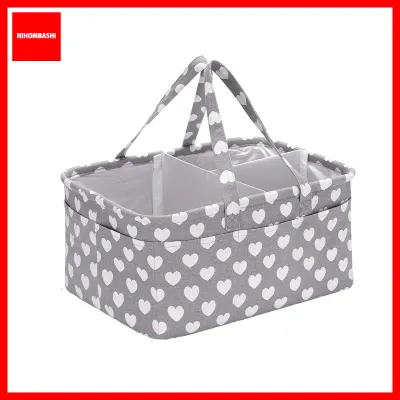
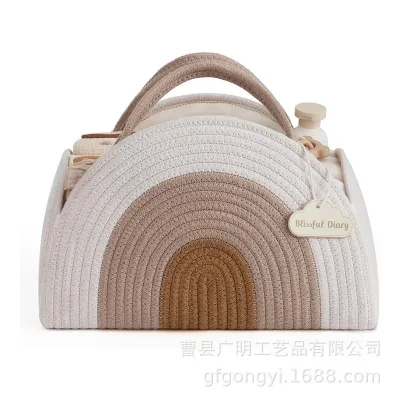
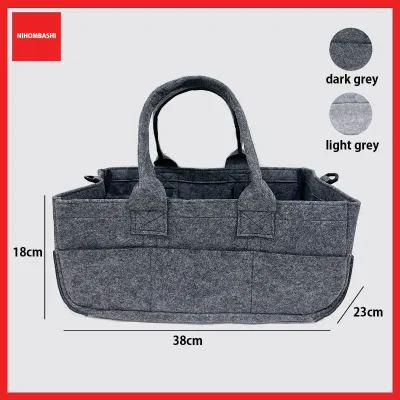
![[Local Shop] Baby Diaper Caddy Organizer Nursery Room Storage Bag with pocket](https://img.lazcdn.com/g/p/4728c8da5edcda7ce2d0b0cdfaeb60e7.jpg_400x400q80.jpg_.webp)
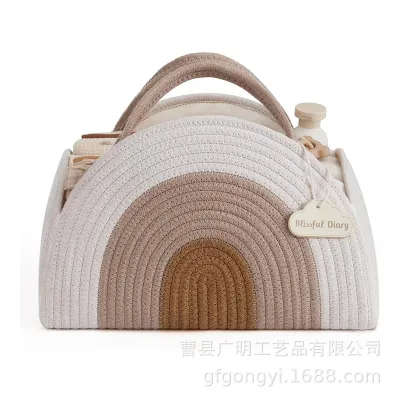
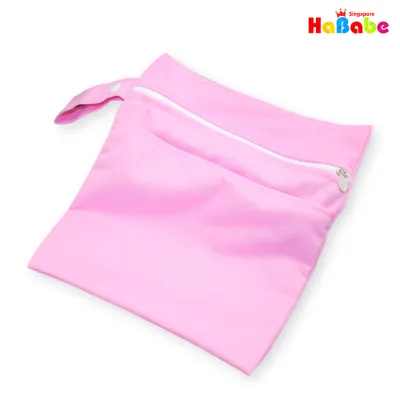
Prices are valid at publication and may change. Please refer to the product page for the latest price.
For maximum resilience, polyester and nylon are highly practical materials. High-denier polyester (such as 600D) resists water, wipes clean easily, and withstands frequent handling without fraying. Vegan leather (polyurethane or PU) offers a sleek, premium look and is exceptionally easy to sanitize with a damp cloth, though lower-quality PU leather may crack or peel if exposed to heat and humidity over extended periods.
Construction and Stress Points
A fully loaded diaper caddy can easily weigh between two and three kilograms when packed with wet wipes, multiple cream tubes, water bottles, and diapers. This weight puts immense pressure on the handle attachments and seams. When evaluating different brands, look closely at the stitching quality around the handles and outer pockets.
High-quality caddies feature reinforced stitching, such as box-stitching (an X inside a stitched square) or metal rivets, at key stress points. The seams along the bottom perimeter should be double-stitched to prevent sagging or tearing over time. Additionally, check the quality of the zippers and fasteners; heavy-duty nylon zippers with smooth glides are essential, as you will frequently need to open compartments with only one hand free.
Structural Support and One-Handed Access
One of the most common frustrations with soft diaper caddies is structural collapse. If a caddy lacks internal support, the walls will cave inward when items are removed, making it nearly impossible to retrieve diapers or wipes one-handed while holding a squirming infant.
Premium and reliable mid-range brands address this by sewing rigid panels—typically made of dense plastic or reinforced composite board—directly into the outer walls and base. This ensures the caddy maintains its open shape even when completely empty. Unstructured felt or thin fabric caddies rely entirely on the items inside to stay upright, which often leads to a messy, sagging organizer that complicates quick diaper changes.
Price-to-Value Analysis: What to Expect Across Market Tiers
Premium Tier (Typically S$50 and Above)
Premium diaper caddy brands justify their higher price points through superior aesthetics, high-end materials, and long-term versatility. These caddies often feature top-grade vegan leather, heavy-duty water-resistant canvas, and elegant metal hardware that complements modern nursery decor.

The primary value proposition of a premium caddy is its longevity. Because they are built to last, these bags are designed to transition seamlessly into household storage—such as toy organizers, book baskets, or car boot organizers—long after your child has outgrown diapers. Before purchasing, verify whether these premium aesthetic and material upgrades align with your actual usage; if the caddy will remain hidden inside a wardrobe, the extra cost may not be justified.
Mid-Range Tier (Typically S$20 to S$50)
This tier represents the sweet spot for the majority of Singaporean parents. Mid-range brands focus heavily on functional utility, robust durability, and practical layouts without the luxury markup.
In this price bracket, you will typically find caddies made from reinforced polyester, high-density felt, or sturdy canvas with water-resistant inner linings. They offer excellent structural support, reliable velcro dividers, and a generous number of external pockets. For a daily driver that can be carried from room to room, packed into a car, or placed in the bottom basket of a stroller, mid-range brands provide the strongest balance of quality, performance, and value.
Budget-Friendly Tier (Typically Under S$20)
Commonly found on online marketplaces and local ecommerce platforms, budget-friendly diaper caddies are highly accessible and functional for basic storage. To achieve these low prices, manufacturers typically use thinner felt, basic single-layer polyester, and minimal internal reinforcement.
While these caddies may sag under heavy loads and lack specialized features like insulated pockets, they are highly cost-effective for secondary storage. Utilizing a budget caddy as a dedicated car organizer, keeping one at a grandparent’s flat, or using it solely for lightweight items like swaddles, socks, and soft toys is a smart way to optimize your budget without sacrificing convenience.
Because retail prices, shipping fees, and promotions fluctuate, it is always best to verify current pricing in SGD directly on official brand websites or authorized local retailers before making your final decision.
Feature Showdown: Which Add-Ons Actually Add Value?
Organization and Dividers
Most diaper caddies feature a large central compartment with removable dividers. These dividers are typically secured with velcro strips, allowing you to customize the layout. Look for brands that use wide, high-grip velcro bands; thin or weak velcro will easily detach under the weight of upright baby bottles or heavy wipe packs.
Specialized pockets can significantly improve daily efficiency. External slip pockets are excellent for quick-access items like diaper rash creams, pacifiers, and cotton pads. Some caddies also feature secure zippered pockets on the outside, which are highly practical for keeping your personal items, such as keys or a smartphone, safe and separate from baby gear when moving around the house or running quick errands.
Portability and Handling
If you plan to move your diaper caddy frequently, portability features are crucial. Long, padded handles make carrying the bag comfortable, even when it is fully loaded. Some brands include detachable, adjustable shoulder straps, which are incredibly helpful for carrying the caddy while keeping both hands free to hold your baby safely.
However, pay close attention to the empty weight of the caddy. A highly structured bag made of thick, heavy materials might look impressive, but it can quickly become tiring to carry once filled with water, formula, wipes, and diapers. Opt for a caddy that balances structural rigidity with lightweight materials to ensure comfortable daily transport.
Hygiene and Maintenance
Baby care is inherently messy, making hygiene and ease of cleaning top priorities. Spilled formula, leaking bottles, and diaper cream smudges are bound to happen. A diaper caddy with a waterproof or water-resistant inner lining (such as PEVA or TPU) can be sanitized with a disinfectant wipe in seconds.
If you choose a fabric or felt caddy, check the manufacturer’s care instructions carefully. Many structured caddies contain internal cardboard supports that will dissolve or warp permanently if submerged in water or placed in a washing machine. For these models, spot-cleaning with a damp cloth and mild baby-safe detergent is the only safe way to maintain hygiene without ruining the bag’s shape.
Final Decision Framework: Which Caddy Should You Buy?
Choose Premium Brands if:
- You want a highly aesthetic organizer that complements modern home decor and nursery styling.
- You prefer premium, easy-to-sanitize materials like high-grade vegan leather.
- You plan to repurpose the caddy as long-term household storage (e.g., for toys, books, or cosmetics) after the diapering phase ends.
Choose Mid-Range Brands if:
- You need a durable, structurally sound "daily driver" that can handle heavy daily use without sagging.
- You want practical features like strong adjustable dividers, water-resistant linings, and comfortable carrying handles.
- You want the best balance of functional quality and reasonable pricing for everyday parenting.
Choose Budget Options if:
- You need a lightweight, secondary caddy to keep permanently in your car boot or at a relative's home.
- You plan to use the caddy primarily for lightweight items like extra baby clothes, swaddles, and soft toys.
- You prefer to minimize spending on short-term baby gear and allocate your budget elsewhere.
Verify First if:
Before purchasing any diaper caddy, always measure your designated storage spaces. If you plan to place the caddy on a specific shelf of a changing table, inside a compact wardrobe, or within a small stroller basket, check the exact external dimensions provided by the manufacturer. Additionally, always follow manufacturer safety guidelines, ensuring the caddy and its small contents are kept completely out of reach of infants and young children.
Frequently Asked Questions (FAQ)
Can I use a regular storage basket instead of a branded diaper caddy?
While you can use a generic storage basket, a purpose-built diaper caddy offers distinct functional advantages. Standard household baskets typically lack internal dividers, which leads to small items like nail clippers, thermometers, and cream tubes getting lost at the bottom. Furthermore, generic baskets rarely feature water-resistant linings to contain spills, specialized external pockets for quick-access items, or ergonomic handles designed for carrying heavy baby essentials comfortably from room to room.
How do I clean and maintain a felt or canvas diaper caddy?
For routine maintenance, spot-clean your caddy using a damp cloth and a mild, baby-safe detergent, then allow it to air dry completely in a well-ventilated area away from direct sunlight. Do not submerge a structured felt or canvas caddy in water or place it in a washing machine unless the manufacturer’s care label explicitly states it is machine-washable. Many structured caddies rely on internal cardboard or composite board panels for support, which will warp or disintegrate when saturated with water.

Community discussion
Share your experience or ask a question. Comments are reviewed before publication.