
To find the right diaper bag for managing wet, soiled, or damp baby items, you must evaluate how the waterproof pouch is integrated, its closure mechanism, and the lining material. Rather than relying on brand names alone, comparing these pouches requires looking closely at physical construction, actual usable volume, and how easily the compartment can be cleaned. A well-designed waterproof pouch prevents leaks, isolates odors, and fits seamlessly into your daily parenting routine, whether you are heading to a local playground or navigating a humid afternoon in Singapore.
Managing damp clothes, soiled bibs, or wet swimwear is a daily reality for parents. A dedicated waterproof compartment inside a diaper bag is essential for keeping clean items dry and sanitary. However, not all waterproof pouches are created equal. Some are permanently sewn into the lining, while others can be detached or function as standalone accessories. The effectiveness of these compartments depends heavily on the materials used, the sealing method, and how the pouch’s volume interacts with the rest of your gear.
By understanding the structural differences and material specifications, you can avoid common pitfalls like mold growth, lingering odors, or moisture seeping into the main compartment of your bag. This guide will walk you through the key design elements, capacity considerations, and verification steps to help you choose the most reliable setup for your family’s needs.
Products mentioned in this guide

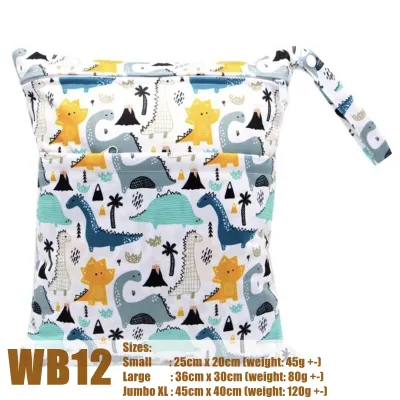
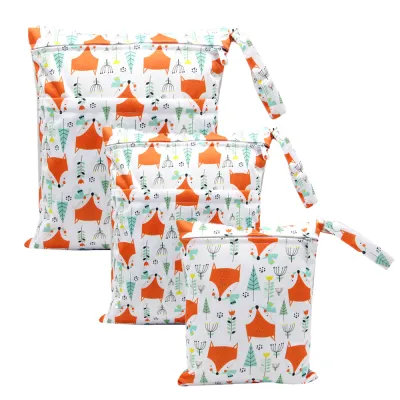
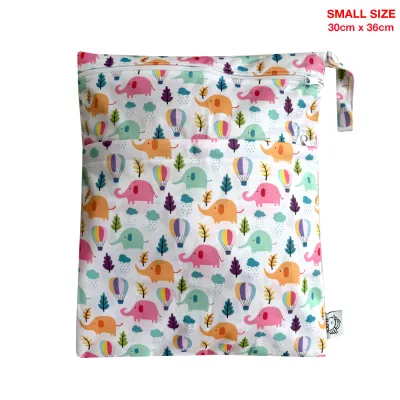
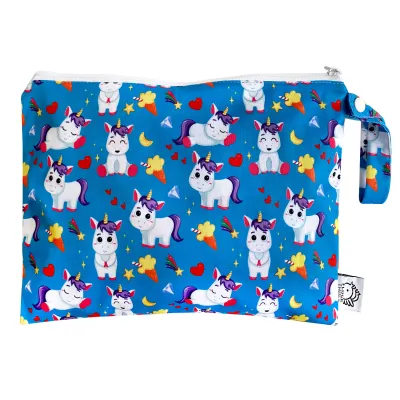
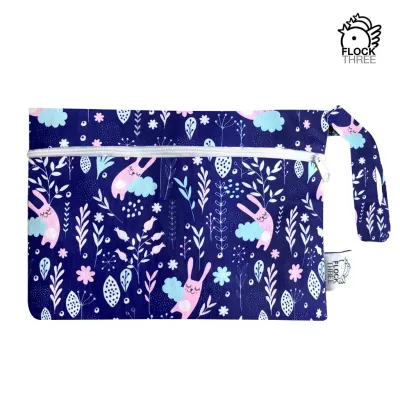
Prices are valid at publication and may change. Please refer to the product page for the latest price.
Comparing Waterproof Pouch Designs Across Diaper Bags
When comparing diaper bags, the physical design of the waterproof pouch dictates how you will organize and maintain your bag on a daily basis. The first major distinction is between built-in and detachable pouches. Built-in pouches are permanently stitched into a specific section of the diaper bag, usually in a front pocket or a bottom compartment. This design ensures you never leave home without a wet storage option, but it can make cleaning difficult if a major spill occurs inside the pouch.
Detachable pouches, on the other hand, offer greater flexibility. These compartments typically attach to the interior of the diaper bag using snaps, zippers, or hook-and-loop fasteners. You can easily remove the entire pouch to wash it separately or to carry it directly to the laundry area without bringing the whole diaper bag along. Standalone wet bags function similarly, allowing you to swap them between different bags depending on your outing.
The closure mechanism is another critical factor in leak prevention and ease of access. Zippers are the most common closure, offering a secure seal, though water can sometimes seep through the zipper teeth if the bag is tipped over. Roll-top closures, similar to those found on outdoor dry bags, provide an exceptionally secure seal against moisture and odors but require more effort to open and close with one hand. Magnetic snaps or simple flap covers are highly convenient for quick access, but they do not offer a true watertight seal and are best reserved for lightly damp items rather than soaking wet clothes.
Lining materials determine the durability and safety of the waterproof barrier. When reviewing product labels, look for materials like Thermoplastic Polyurethane (TPU) or Polyester Polyurethane Laminated (PUL) fabric. These materials are highly flexible, durable, and often tolerate gentle washing. Polyethylene Vinyl Acetate (PEVA) is another common PVC-free alternative that is easy to wipe clean, though it can be less flexible and more prone to cracking over time if exposed to extreme temperatures or frequent folding. Always check the manufacturer’s care instructions, as some linings can degrade quickly if exposed to high heat in a dryer or harsh chemical detergents.
Evaluating Capacity for Different Wet Item Scenarios
Evaluating the capacity of a waterproof pouch requires looking beyond the external dimensions of the diaper bag. A pouch that appears large from the outside may have its internal volume severely restricted when the main compartment of the diaper bag is fully packed. Conversely, a highly flexible, expandable pouch might expand inward, taking up valuable space intended for dry items like clean clothes, diapers, and snacks.

To assess the true usable space, consider your typical daily outings and the specific items you need to carry. For short trips to a nearby shopping mall or cafe, a small pouch capable of holding a single soiled onesie or a damp burp cloth is usually sufficient. These compact pouches do not add unnecessary bulk to your bag and keep the overall profile slim and lightweight.
For more demanding scenarios, such as swim classes, beach outings, or full-day excursions in warm, humid climates, you will need a significantly larger capacity. Storing multiple wet swimwear pieces, thick cotton towels, or several soiled outfits requires a spacious, dedicated compartment. In these cases, a pouch with a wider opening and a structured bottom is highly beneficial, as it allows you to pack bulky items without compressing them excessively, which can force moisture through the seams.
Internal organization within the waterproof compartment can also make a significant difference. Some advanced designs feature internal dividers or mesh pockets within the wet section. This allows you to separate damp items from truly wet ones, or to keep soiled clothes away from wet wipes and teething toys. If the pouch lacks internal division, you may need to rely on multiple smaller, standalone wet bags to keep your items organized and hygienic.
Verification Checklist for Waterproof Integrity
Before relying on a diaper bag’s waterproof pouch to protect your dry gear, it is wise to perform a physical inspection to verify its construction quality. Start by examining the seams of the pouch. High-quality waterproof compartments feature heat-sealed or taped seams, which fuse the fabric edges together to create a continuous, watertight barrier. Stitched seams, while common, create tiny needle holes that can allow moisture and odors to escape over time, especially under pressure or when holding very wet items.
Next, carefully read the manufacturer’s labels and product documentation for specific care guidelines. Look for clear instructions regarding washing temperatures, detergent compatibility, and drying methods. A reliable manufacturer will explicitly state whether the lining can withstand machine washing or if it requires hand-washing and air-drying. Be cautious of vague claims regarding odor control or absolute waterproofing; instead, look for specific material listings like TPU or PEVA that give a clearer indication of performance and care limits.
Finally, establish a routine to inspect the pouch regularly for physical signs of wear and tear. Over months of use, the waterproof lining can experience friction, folding, and exposure to moisture, which may lead to material degradation. Look closely for tiny cracks, peeling sections, or a sticky texture on the lining, as these are clear indicators that the waterproof barrier has compromised integrity. Checking the zipper tape for fraying or separation from the waterproof fabric is also essential, as a damaged zipper can easily let moisture seep into the rest of your diaper bag.
Decision Framework: Matching Pouch Types to Your Routine
Choosing the right waterproof pouch configuration depends heavily on your daily parenting routine and how you prefer to manage laundry. If your typical outings consist of short trips, doctor appointments, or quick errands where you carry minimal gear, a built-in waterproof pouch is often the most convenient choice. This integrated design ensures that you always have a dedicated space for an emergency outfit change without needing to remember to pack extra accessories, keeping your prep time minimal.
For parents who manage busier schedules, frequent daycare drop-offs, or outdoor activities, a detachable pouch or a standalone wet bag is generally more practical. This setup allows you to detach the soiled compartment immediately upon returning home and carry it straight to the washing machine. It also means you can leave the main diaper bag in the car or stroller while only bringing the wet items inside, streamlining your cleanup routine and keeping the main bag clean and odor-free.
You should also evaluate the level of water exposure your routine involves. If you regularly attend baby swim lessons or spend weekends at outdoor splash pads, standard built-in pouches may not offer enough volume or a secure enough seal for soaking wet towels and swimwear. For these water-heavy activities, investing in a dedicated, high-capacity standalone wet bag with a roll-top closure and heat-sealed seams is highly recommended, using the diaper bag’s built-in pouch only for minor damp items like wipes or bibs.
Frequently Asked Questions (FAQ)
Can I wash the built-in waterproof pouch in a washing machine?
Whether you can machine-wash a built-in waterproof pouch depends entirely on the manufacturer’s specific care instructions. Many built-in pouches feature delicate TPU or PEVA linings that can crack, peel, or delaminate when exposed to the agitation, high spin cycles, or heat of a washing machine. If the diaper bag itself is not machine-washable, you must hand-wash the pouch by wiping it down with a damp cloth and mild soap, then leaving it open to air-dry completely. Always verify the care label before attempting to wash the bag to prevent permanent damage to the waterproof barrier.
What should I do if the waterproof pouch starts leaking?
If you notice moisture seeping through your waterproof pouch, first inspect the compartment for obvious signs of damage, such as debris stuck in the zipper teeth, separated seams, or visible cracks in the lining material. For minor zipper issues, cleaning the teeth with a soft brush can sometimes restore a proper seal. However, if the waterproof lining itself is peeling, cracked, or has separated seams, the barrier cannot be reliably repaired. In this situation, you should stop using the compartment for wet items and transition to using a standalone, high-quality wet bag inside your diaper bag to protect your dry belongings.

Community discussion
Share your experience or ask a question. Comments are reviewed before publication.