
Choosing between a specialized diaper bag and a regular backpack comes down to your daily routine, how long you stay out, and how you prefer to organize your baby gear. Neither option is a universal winner. A dedicated diaper bag offers tailored convenience with specialized compartments, while a standard backpack provides long-term versatility and superior ergonomics for extended wear. Your decision should align with your lifestyle, whether you are navigating busy shopping malls, taking public transit, or heading out for quick park walks.
Core Differences in Design and Baby-Specific Features
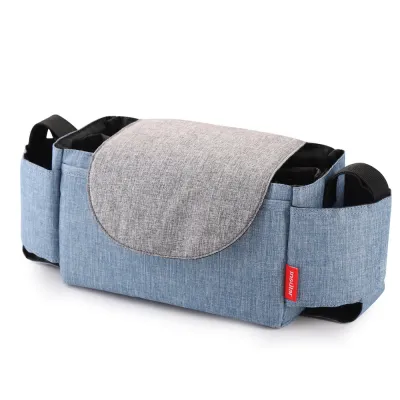
Specialized diaper bags are engineered specifically for the logistics of caring for an infant or toddler on the go. These bags frequently include built-in features designed to solve common parenting challenges. For instance, many models come equipped with insulated bottle pockets to help maintain the temperature of milk or water, dedicated sleeves for portable changing pads, and integrated stroller straps. When evaluating stroller straps, always check your stroller manufacturer’s guidelines regarding weight limits; hanging a heavy bag from the handlebar can cause some strollers to tip backward, posing a safety hazard.
Material selection also differs significantly between these two categories. Diaper bags often feature interior linings designed for quick cleanup of spills, leaks, or soiled clothing. Rather than assuming a bag is completely waterproof, check the manufacturer’s specifications to verify if the lining is wipeable, water-resistant, or machine-washable. The exterior materials of diaper bags are also frequently treated to resist light rain or accidental spills, which is highly practical when managing outdoor outings.
Products mentioned in this guide
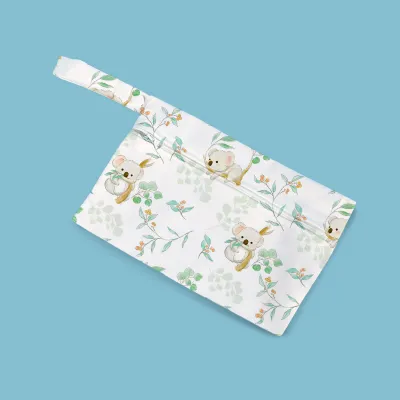
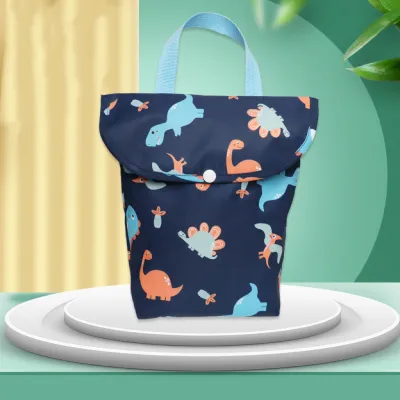
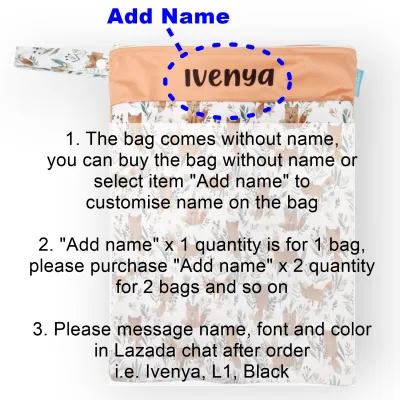
![[LIL BUBBA] WET BAG LARGE WATERPROOF DUAL COMPARTMENTS DIAPER STORAGE BAG](https://img.lazcdn.com/g/ff/kf/S4fbda2f2f6f04603ad4921d0293bb4c3Y.jpg_400x400q80.jpg_.webp)
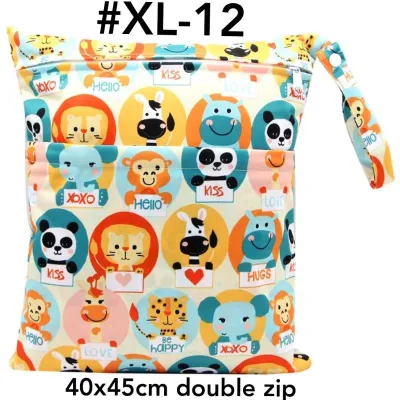
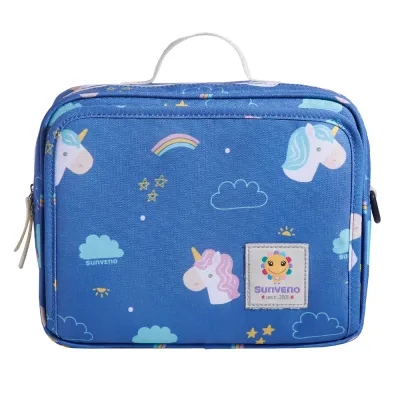
Prices are valid at publication and may change. Please refer to the product page for the latest price.
The structural design of a specialized baby bag is typically tailored for rapid, one-handed access. Many diaper backpacks feature wide-framed openings or structured rims that stay open on their own. This rigid structure allows you to peer inside and grab a clean diaper or a toy without having to hold the bag open with your other hand. In contrast, standard backpacks often have softer, unstructured tops that collapse when unzipped, which can make searching for small items more challenging when you are holding a baby.
Comfort, Weight, and Ergonomics for Caregivers
Carrying baby gear for hours can take a physical toll, making comfort and weight distribution critical factors in your choice. Standard backpacks, especially those designed for hiking, commuting, or travel, often excel in ergonomic design. They typically feature thick, contoured shoulder straps, breathable mesh back panels, and sometimes chest or waist straps to distribute weight evenly across your torso. If you plan to carry your baby in a front carrier while wearing a backpack, these ergonomic features become even more vital to prevent shoulder and lower back strain.

The empty weight of the bag itself is an easily overlooked detail. Because specialized diaper bags often incorporate extra zippers, insulated layers, metal hardware, and structured frames, they can be surprisingly heavy before you even pack your first item. A standard, lightweight school or travel backpack is often much lighter when empty. This lower starting weight can make a noticeable difference during long walks or when navigating public transportation.
When choosing between the two, physically test or check the specifications for strap width and padding thickness. In warm, humid climates, back panel ventilation is highly beneficial to prevent overheating during outdoor walks. If a diaper bag lacks adequate padding or ergonomic contouring, carrying it fully loaded with water bottles, spare clothes, and baby food can quickly become uncomfortable during extended outings.
Organization and Accessibility During Outings
The internal layout of your bag dictates how quickly you can respond to a sudden diaper change or a crying baby. Diaper bags are famous for their high level of compartmentalization, offering dedicated zones for diapers, wipes, pacifiers, and clean clothes. This structured approach ensures that every item has a specific home, reducing the time spent rummaging through a dark main compartment. Some diaper bags even feature dedicated quick-access wipes pockets on the side, allowing you to pull out a wipe without opening the main bag.
However, this intense compartmentalization comes with a trade-off in flexibility. The fixed pockets in a diaper bag are sized specifically for baby items, which can make it difficult to pack larger, non-baby gear. If you are a working parent who needs to carry a laptop, tablet, or professional documents alongside baby essentials, a standard backpack is often much more accommodating. Standard backpacks offer large, flexible main compartments that can easily hold a mix of personal items, work gear, and baby supplies.
External quick-access pockets are essential on any outing bag. When choosing a bag, map out where you will store your immediate essentials, such as your phone, keys, wallet, hand sanitizer, and baby pacifiers. A good bag should allow you to retrieve these items in seconds without exposing the rest of your packed gear to the elements or risking items falling out.
Cost, Longevity, and Long-Term Value
The financial investment in baby gear can add up quickly, making it important to weigh upfront costs against the usable lifespan of the product. In the local market, specialized diaper bags can range from under S$50 for basic utility models to well over S$200 for premium, designer brands. While a dedicated baby bag offers immediate convenience, its highly specialized design means its primary utility declines significantly once your child outgrows diapers, bottles, and frequent outfit changes.
A high-quality regular backpack represents a different value proposition. While a premium ergonomic backpack might require a similar upfront investment of S$80 to S$150, its lifespan extends far beyond the toddler years. Once your child no longer requires a mobile changing station, a standard backpack transitions seamlessly back into a commuter bag, a gym bag, or travel carry-on luggage. This multi-purpose longevity often makes the regular backpack a more sustainable financial choice over time.
Before purchasing a highly specialized diaper bag, consider how long you realistically expect to use its baby-specific features. If you plan to have multiple children close in age, the specialized bag may see years of continuous use, easily justifying the cost. However, if you anticipate a shorter diapering phase, investing in a durable, high-quality regular backpack that you can use for a decade may offer better long-term value.
Decision Framework: Which Bag Fits Your Family?
To finalize your choice, evaluate your family’s specific outing patterns, transport methods, and packing habits against these two options.
You should choose a dedicated diaper bag if:
- You prioritize structured organization and want a designated, quick-access pocket for every baby item.
- You frequently use a stroller and want integrated, secure attachment straps that keep the bag easily accessible at handlebar level.
- You want built-in insulated pockets to keep bottles at a consistent temperature during long day trips.
- You prefer a bag with a wipeable, water-resistant interior lining to handle inevitable spills and soiled clothes without staining.
You should choose a regular backpack if:
- You prioritize carrying comfort, ergonomic support, and weight distribution for long walks or public transit commutes.
- You need a single, versatile bag that can transition seamlessly between office work, personal travel, and weekend parenting duties.
- You prefer a lighter empty bag weight to minimize physical strain.
- You already own a comfortable backpack and want to avoid spending extra money on a single-purpose baby accessory.
If you are torn between the two, consider a hybrid approach. You can easily convert any standard backpack into an efficient baby bag by using modular packing cubes or a compact, portable changing clutch. This method allows you to enjoy the superior comfort and long-term utility of a regular backpack while maintaining the organized, clean, and quick-access benefits of a specialized diaper bag.
Frequently Asked Questions (FAQ)
Can I use a regular backpack as a diaper bag?
Yes, you can easily adapt a standard backpack for baby outings by using a modular packing system. Utilizing color-coded packing cubes or small zippered pouches allows you to create dedicated zones for diapers, clean clothes, and toys, preventing items from getting lost in a large main compartment. Because regular backpacks typically lack insulated bottle pockets, you should use standalone thermal bottle sleeves to safely maintain the temperature of milk or warm water. Additionally, carrying a compact, fold-up changing mat in the laptop sleeve ensures you always have a clean surface for diaper changes.
Are specialized baby bags worth the investment for short trips?
For brief outings, such as quick errands or a short visit to a nearby park, a large, highly specialized diaper bag is often unnecessary. The volume of essentials required for a one-hour trip is minimal, usually consisting of just one diaper, a small pack of wipes, and a bottle. For these quick trips, a compact regular backpack, a crossbody bag, or even a simple changing clutch that holds a few diapers and wipes is much more convenient and less bulky than a fully packed diaper bag. Reserve larger, specialized diaper bags for full-day excursions where maximum organization and capacity are truly required.

Community discussion
Share your experience or ask a question. Comments are reviewed before publication.