
Quick Answer: Which Diaper Bag Organizer Brand Fits Your Needs?
Selecting the right diaper bag organizer depends on your specific daily routine, your aesthetic preferences, and how you plan to carry your baby gear. There is no single option that suits every parent, as the ideal choice is highly conditional on your existing bag collection and lifestyle.
If you prioritize a polished, structured look that transitions effortlessly from parenting duties to professional or social settings, premium designer organizer brands are highly suitable. These brands typically utilize durable vegan leather and high-quality hardware to maintain their shape, though they often come with a higher price tag and a heavier base weight.
For parents who require maximum storage capacity, specialized compartments, and a lightweight build for long days out, functional purpose-built brands are the most practical choice. These organizers focus on technical fabrics like ripstop nylon and offer dedicated spaces for insulated bottles, quick-access wipes, and wet-dry storage.
Products mentioned in this guide
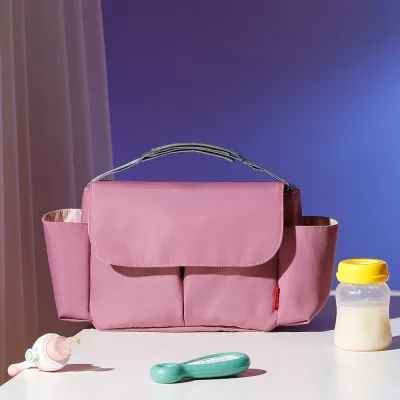
![[Ready Stock in SG] Multifunctional Baby Infant Newborn Diaper Nappy Stacker Organizer Crib Hanging bag [Little Gems]](https://img.lazcdn.com/g/p/a97d47f7037a82418a0c42d1915aba4f.jpg_400x400q80.jpg_.webp)
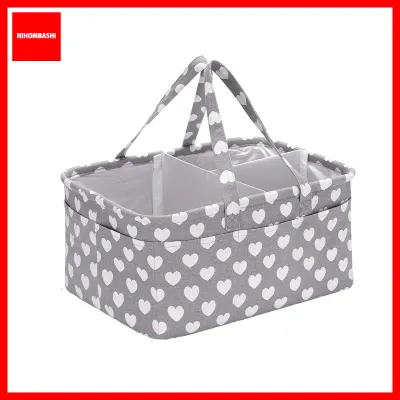
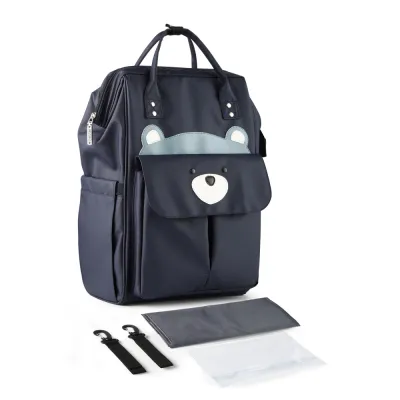
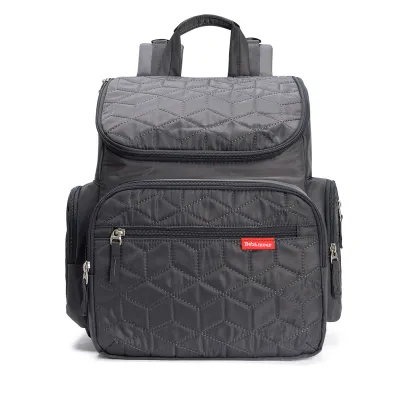
Prices are valid at publication and may change. Please refer to the product page for the latest price.
If you simply need a straightforward, low-cost solution to keep a large canvas tote or backpack organized, budget-friendly brands offer excellent utility. These accessible options provide basic compartment layouts at a fraction of the cost, making them ideal for temporary use as your child’s gear requirements evolve. Regardless of the category you choose, you must always verify the exact interior dimensions of your outer bag and review the manufacturer’s material care labels before making a purchase.
Key Dimensions for Evaluating Diaper Bag Organizers
Material and Durability
When evaluating a diaper bag organizer, the choice of material is the most critical factor governing its longevity and daily performance. In Singapore’s hot and humid tropical climate, baby gear is frequently exposed to moisture, sweat, and sudden rain showers. Spills from milk bottles, water flasks, and liquid baby food are also common occurrences that can lead to mold or mildew if the fabric is not properly treated.

To ensure long-term durability, look for organizers that feature water-resistant exterior coatings, such as polyurethane or Teflon treatments, which repel liquids rather than absorbing them. The interior lining should ideally be made of a smooth, wipe-clean material like high-density nylon, polyester, or PEVA. These synthetic fabrics allow you to clean up sticky spills quickly with a simple baby wipe, preventing deep stains and lingering odors.
It is important to understand that a high price tag or a recognizable brand name does not automatically guarantee superior material performance or stain resistance. You must inspect the product label for specific fabric compositions and check the quality of the construction. Look for reinforced stitching at high-stress areas, such as the corners of the pockets, the base of the handles, and the attachment points for stroller straps. Double-stitching and bar-tack stitching are excellent indicators that an organizer can withstand the weight of heavy bottles and daily pulling.
Compartment Design and Capacity
An effective organizer is defined by its pocket architecture and how well it utilizes space. A chaotic open compartment can make finding a pacifier or a diaper cream incredibly frustrating during an emergency. When assessing compartment design, look for specialized pockets that serve distinct functions rather than a generic collection of identical slots.
Insulated bottle holders are highly valuable for keeping expressed breast milk, warm water, or formula at a stable temperature during outings. These pockets should be lined with thermal foil or closed-cell foam insulation to provide an effective barrier against external heat. Another useful feature is a dedicated quick-access wipe pocket, which allows you to pull out baby wipes directly from the side of the organizer without unzipping the main compartment.
For parents who balance work and childcare, integrated technology sleeves are a major benefit. A padded sleeve that safely holds a tablet or a small laptop allows you to carry a single bag for both professional meetings and family outings.
To ensure the organizer fits seamlessly into your life, you must measure your outer diaper bag or favorite tote before buying. Use a tape measure to determine the internal width, depth, and height of your outer bag. To prevent the organizer from bunching up or distorting the shape of your outer bag, choose an insert that is at least 1 to 2 centimeters smaller than the internal dimensions of your bag on all sides.
Weight and Portability
An organizer’s empty weight, often referred to as its base weight, is a frequently overlooked specification that significantly impacts your daily comfort. When you pack an organizer with diapers, a full pack of wet wipes, spare clothes, water bottles, baby food jars, and your personal items, the total weight of the bag increases dramatically. Carrying a heavy bag over long distances can quickly lead to shoulder, neck, and back strain.
Heavy materials such as thick, structured felt or thick-grade synthetic leathers add substantial unnecessary weight before you have even placed a single baby item inside. If you frequently commute via public transit or walk long distances through shopping centers, every gram matters. Choosing an organizer made from lightweight synthetic fibers, such as ripstop nylon or lightweight polyester, helps keep the overall load as manageable as possible.
Portability features also extend to how easily the organizer can be moved between different bags or attached to a stroller. Sturdy top handles allow you to lift the entire loaded insert out of a backpack and drop it into a tote bag in a single motion. Some organizers also feature integrated D-rings or stroller straps, allowing you to hang the organizer directly onto your stroller handlebar for quick access during walks, which relieves your shoulders entirely.
How Different Brand Categories Compare in the Market
Premium and Designer Brands
Premium and designer diaper bag organizer brands cater to parents who view their baby gear as an extension of their personal style. These brands place a heavy emphasis on aesthetics, structured silhouettes, and high-quality tactile materials. They are designed to look sophisticated, often utilizing premium vegan leather, saffiano textures, and custom metal hardware in gold, silver, or gunmetal finishes.
One of the main advantages of a premium organizer is its structural integrity. These inserts are engineered to maintain their shape even when they are completely empty, preventing your outer bag from sagging or collapsing. This rigid structure makes it incredibly easy to see and access your items at a glance. Additionally, because these organizers do not look like traditional baby gear, they transition beautifully into professional work environments or social settings long after your child has outgrown diapers.
However, these premium features come with notable trade-offs. Vegan leather and structured backings are inherently heavier than thin synthetic fabrics, which increases the base weight of your bag. These materials also require more careful maintenance; they cannot be thrown into a washing machine and must be spot-cleaned with specialized cleaners. Furthermore, you should verify the actual water resistance of designer fabrics, as some high-end canvas or textured finishes can stain permanently if they come into contact with greasy creams or spilled milk.
Functional and Purpose-Built Brands
Functional and purpose-built brands are engineered specifically for high-volume parenting needs and heavy daily wear. These brands prioritize utility, organization, and lightweight performance over high-fashion aesthetics. They are typically constructed from high-grade nylon or polyester fabrics, which offer an exceptional strength-to-weight ratio and natural resistance to tearing and abrasion.
These organizers excel in their pocket layout, offering a highly specialized array of compartments. You will often find modular velcro dividers that allow you to customize the main compartment based on your daily needs. For example, you can create a large central space for a change of clothes, or divide it into smaller sections to keep multiple bottles upright. Other common features include mesh slip pockets that let you see the contents immediately, zippered security pockets for your valuables, and dedicated wet-dry compartments lined with waterproof material to keep soiled clothes separate from clean items.
When evaluating a functional brand, it is crucial to inspect the mechanical components of the organizer. Check the quality of the zippers; they should operate smoothly with one hand, as you will often have your other hand occupied with your baby. Look for self-repairing nylon coil zippers or reputable zipper brands. Additionally, check the flexibility of the insert. A good functional organizer should be pliable enough to compress slightly when your outer bag is packed tight, yet rigid enough to stand upright on its own when placed on a flat surface.
Budget-Friendly and Accessible Brands
Budget-friendly and accessible brands are widely available on online marketplaces and in local baby retail stores across Singapore. These organizers are designed to provide straightforward, highly affordable storage solutions for parents who want to keep their existing bags tidy without making a significant financial investment.
These organizers are most commonly made from lightweight felt or basic polyester fabrics. Felt organizers are particularly popular because they are highly affordable, extremely lightweight, and naturally soft, which protects delicate items like sunglasses or smartphones from scratches. They typically feature a simple layout consisting of a large central compartment surrounded by multiple external slip pockets. This basic design is highly effective for keeping diapers, wipes, and changing mats upright and easy to reach.
While budget-friendly options offer excellent value, they do have limitations in terms of long-term durability and specialized features. Felt is highly absorbent, meaning that any liquid spill from a bottle or cup will soak directly into the fabric, making it difficult to clean and prone to holding odors. Over time, felt is also prone to pilling and losing its shape, especially under heavy loads. When purchasing a budget option, closely inspect the edge binding and the stitching around the handles. These areas are often the first to fail under daily stress, so choosing an option with reinforced seams will help extend its usable lifespan.
Feature and Quality Comparison Matrix
The following matrix provides a general comparison of the key characteristics, materials, and price points associated with the three main categories of diaper bag organizers available in the market.
| Category | Typical Materials | Compartment Specialization | Base Weight | Wipe-Clean Lining | Estimated Price Range (SGD) |
|---|---|---|---|---|---|
| Premium / Designer | Vegan leather, premium polyester, custom metal hardware | Moderate (focuses on tech sleeves, structured slip pockets, and sleek profiles) | Moderate to Heavy (approx. 400g – 700g) | Varies (requires spot cleaning or specialized leather wipes) | S$80 – S$180+ |
| Functional / Purpose-Built | High-grade ripstop nylon, water-resistant polyester | High (features insulated bottle holders, wet-dry compartments, and modular dividers) | Lightweight (approx. 200g – 450g) | Yes (typically features water-resistant synthetic coatings) | S$40 – S$90 |
| Budget-Friendly | Lightweight felt, basic polyester fabrics | Low to Moderate (standard slip pockets, removable basic dividers) | Very Lightweight (approx. 150g – 300g) | Varies (felt is highly absorbent and difficult to wipe clean) | S$10 – S$35 |
Disclaimer: Exact specifications, material treatments, weight limits, and current pricing are subject to change. You must verify these details on the manufacturer’s product label, official website, or official retail listings before purchasing.
Decision Framework: Choosing the Right Organizer for Your Routine
To determine which diaper bag organizer category best aligns with your daily parenting routine, consider the following conditional framework:
- Choose Premium if: You want a highly structured, elegant organizer that maintains its shape, coordinates with designer tote bags, and transitions seamlessly to professional or social environments, and you do not mind a slightly heavier base weight or spot-clean maintenance.
- Choose Functional if: You require maximum storage capacity, specialized insulated pockets for milk or water, wet-dry separation for soiled clothing, and a highly durable, lightweight synthetic fabric that can withstand long days of active use.
- Choose Budget if: You need a straightforward, highly affordable insert to organize a secondary bag, plan to use it primarily for lightweight items, or want a temporary solution that you can easily replace as your child's daily gear requirements change.
- Verify first if: The organizer's exact outer dimensions are fully compatible with the interior of your favorite outer bags, and check whether the organizer includes built-in stroller clips or requires you to purchase separate attachment accessories.
Frequently Asked Questions (FAQ)
Do I really need a separate diaper bag organizer insert?
Whether you need a separate diaper bag organizer insert depends heavily on the bags you already own and how you prefer to carry your gear. If you love fashion tote bags, backpacks, or large canvas shoppers that do not have built-in pockets, an organizer insert is highly beneficial. It allows you to transform any standard bag into a fully functional diaper bag, preventing small items from getting lost at the bottom of a deep compartment.
An insert also makes switching between different bags incredibly fast; you can simply lift the entire loaded organizer out of one bag and drop it into another in seconds, which is highly convenient if multiple caregivers share parenting duties. However, if you already own a dedicated diaper bag that features built-in pockets and structural dividers, adding a separate organizer insert may create unnecessary bulk and add extra weight to your load.
How do I clean and maintain a diaper bag organizer?
To ensure your diaper bag organizer remains hygienic and lasts as long as possible, you must follow safe, low-risk maintenance steps. Always check the manufacturer’s care label for specific instructions before attempting any cleaning. For general maintenance, regularly empty the organizer and wipe down both the interior and exterior linings with a clean microfiber cloth dampened with warm water and a mild, baby-safe soap.
Avoid using harsh chemical bleach or abrasive scrubbing pads, as these can permanently damage water-resistant coatings and fray the seams. Once you have finished wiping down the organizer, open all the compartments and allow it to air-dry completely in a well-ventilated, shaded indoor area before packing it or storing it away. This thorough drying process is especially important in Singapore’s humid climate to prevent the growth of mold, mildew, and unpleasant damp odors. Never place the organizer in a washing machine or a tumble dryer unless the manufacturer’s care instructions explicitly state that it is safe to do so.

Community discussion
Share your experience or ask a question. Comments are reviewed before publication.