
Finding the right diaper bag insert is a practical way to transform any standard tote, backpack, or designer handbag into a fully functional baby station. In Singapore, where parents frequently transition between air-conditioned malls, humid outdoor parks, and public transit, having an organized, easily accessible bag is essential. A well-chosen insert keeps baby bottles upright, diapers dry, and emergency wipes within arm’s reach without requiring you to buy a dedicated, bulky diaper bag.
However, comparing these organizers involves looking beyond simple pocket counts. The effectiveness of an insert depends heavily on how its compartment layout matches your daily routine, the age of your child, and the physical dimensions of your outer bag. By evaluating key design features, material choices, and structural stability, you can select an organization system that simplifies your outings and keeps your baby essentials perfectly arranged.
Key Dimensions for Comparing Diaper Bag Inserts
When evaluating different diaper bag inserts, the layout of the compartments is the most critical factor to consider. A high-quality insert should offer a balanced mix of pocket types to accommodate various shapes and sizes of baby gear. Open slip pockets are ideal for items you need to grab instantly, such as burp cloths, pacifiers, or small toys. These pockets should have enough tension to hold items securely but remain loose enough for one-handed access while holding a baby.
Products mentioned in this guide
![[Local Shop] Basic Portable Diaper Organizer Caddy Bag Handbag Insert Nursery Nappy Storage Holder](https://img.lazcdn.com/g/p/8f0eab4f98f6ffd11d230cf6e26c3ebb.jpg_400x400q80.jpg_.webp)
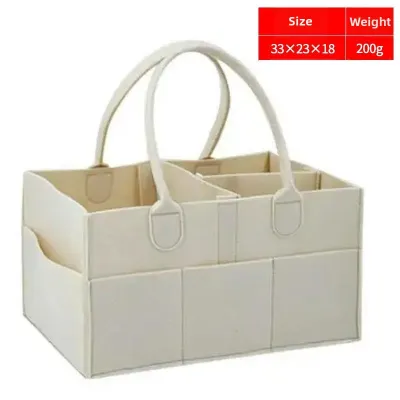
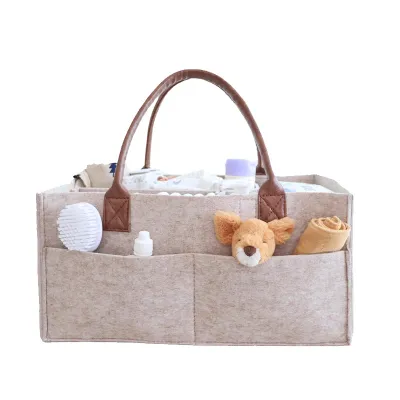
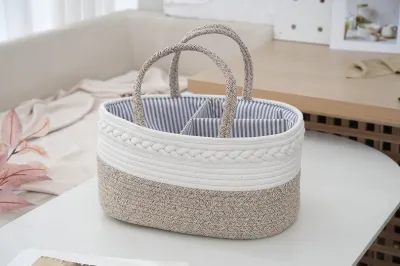
Prices are valid at publication and may change. Please refer to the product page for the latest price.
Zippered security compartments are equally important for safeguarding personal items. Parents often use these secure pockets for keys, wallets, smartphones, or sensitive baby items like medication and vaccination booklets. Having at least one zippered pocket on the interior or exterior of the insert ensures that valuable items do not slip out when the bag is jostled or tipped over during transit.
Elasticized holders play a vital role in keeping bottles, sippy cups, and flasks upright. Spills are a common headache for parents, and elastic bands or dedicated cylindrical pockets prevent containers from tipping over. When comparing inserts, look for the strength and stretch of these elastic bands, as they must accommodate different bottle diameters as your baby grows.
Dedicated zones add another layer of utility to a diaper bag insert. Insulated bottle holders are particularly valuable in Singapore’s warm climate, helping to maintain the temperature of breast milk, formula, or chilled water for longer periods. Some inserts also feature specialized wipe dispensers with magnetic or zippered flaps, allowing you to pull out a wet wipe directly from the side of the bag without removing the entire pack.
Additionally, consider whether the insert includes a designated wet bag or a lined compartment for dirty laundry. Babies are prone to sudden diaper blowouts or spit-ups, requiring a secure, moisture-proof zone to isolate soiled clothing from clean items. If the insert does not have a built-in wet compartment, check if it has space to tuck in a separate, compact wet pouch.
The overall structural design of the insert generally falls into two categories: rigid dividers and flexible, removable pouches. Rigid dividers, often made of thick felt or reinforced nylon, create distinct, non-collapsible walls that keep the bag’s shape intact. Flexible layouts, on the other hand, use Velcro or snap-in dividers that allow you to customize the compartment sizes based on what you are carrying that day.
Matching Compartment Layouts to Your Baby Essentials
Your organization needs will shift dramatically as your child grows, meaning the ideal compartment layout is highly dependent on your parenting stage. During the newborn stage, your daily inventory is extensive and requires frequent access. You will need to carry multiple diapers, packs of wipes, swaddles, change mats, and several bottles or feeding accessories.

For newborns, an insert with deep, wide central compartments is highly beneficial. These spacious zones allow you to stack several rolled-up onesies and swaddles without crushing them. At the same time, you need quick-access slip pockets on the perimeter to hold diaper creams, hand sanitizers, and pacifiers. Because newborns feed frequently, having multiple insulated bottle pockets is a priority for keeping prepared formula or warm water ready.
As your baby transitions into a toddler, your packing list changes from heavy-duty changing supplies to entertainment and nutrition. Toddlers require sippy cups, a variety of snacks, sunscreen, insect repellent, and small toys to keep them occupied. The deep, wide compartments needed for newborn swaddles become less useful, replaced by a need for varied, smaller zippered pockets.
For toddler outings, look for inserts that offer multiple small compartments to prevent snacks from getting crushed and toys from sinking to the bottom. Zippered pockets are excellent for securing small toy cars, crayons, or teething rings. Elasticized side pockets should be wide enough to accommodate wider toddler sippy cups or reusable water bottles rather than narrow infant bottles.
If you are managing multi-child logistics, the organizational challenge increases significantly. Carrying gear for both an infant and a toddler requires a strict division of items to avoid confusion during stressful moments. An insert with distinct, physically divided zones or color-coded pouches can help you separate newborn diapers from toddler pull-ups.
Some parents find success using modular inserts where one side is dedicated entirely to the baby’s feeding and changing needs, while the other side holds the older child’s snacks and activities. Choosing an insert with removable dividers allows you to adapt the interior space as your family’s needs evolve, ensuring the organizer remains useful for years.
Evaluating Build Quality and Practical Usability
While pocket count and layout are highly visible features, the physical construction of the diaper bag insert determines how practical it is to use daily. One of the first aspects to evaluate is the material weight. Because you will already be carrying heavy bottles, water flasks, and multiple changes of clothes, the insert itself should not add unnecessary bulk or weight to your shoulders.
Felt inserts are popular because they are lightweight and hold their shape exceptionally well, but they can sometimes feel bulky in tighter bags. Lightweight nylon or polyester inserts offer a more flexible, streamlined alternative that conforms easily to the shape of your outer bag. Weighing the empty insert or checking its specifications online helps ensure you do not start your packing with a heavy base.
Interior linings are another critical factor for long-term usability. Spills from milk, water, or liquid medication are almost inevitable when traveling with young children. Look for inserts featuring wipeable, water-resistant interior linings that can be quickly cleaned with a damp cloth or baby wipe.
Avoid inserts with absorbent cotton or low-grade polyester linings that soak up liquids, as these can trap moisture, lead to unpleasant odors, and foster mold growth in humid environments. A high-quality water-resistant coating allows you to handle minor leaks without needing to wash the entire insert.
Base stability is equally essential for smooth diaper changes on the go. When you place your diaper bag on a public changing table, a park bench, or the floor of a vehicle, the insert must stand upright on its own. An insert with a saggy or unstable base will collapse under the weight of its contents, causing bottles to spill and making it difficult to retrieve items with one hand.
Look for inserts with reinforced bottom panels or structured piping along the edges. This structural reinforcement ensures the organizer maintains its vertical integrity even when it is only partially filled, allowing you to slide items in and out smoothly.
How to Verify Fit and Compatibility Before Buying
A common mistake when purchasing a diaper bag insert is assuming it will fit your existing handbag or backpack based solely on generic size labels like “Medium” or “Large.” To avoid the hassle of returns, you must take precise physical measurements of your outer bag’s interior.
Start by measuring the internal length, width, and depth of your outer bag using a flexible measuring tape. Keep in mind that the external dimensions provided by bag manufacturers often include the thickness of the leather or canvas, which can make the interior space significantly smaller than expected. Measure the narrowest points of the bag, particularly if it tapers toward the top or has rounded corners at the base.
Next, check for handle and strap clearance. Some diaper bag inserts feature built-in carry handles that stick up above the top edge of the organizer. While these handles make it easy to lift the insert out of your bag, they can interfere with the outer bag’s closure mechanism, such as zippers, magnetic snaps, or drawstrings.
Ensure there is sufficient vertical clearance between the top of the insert and the closure of your outer bag. If your outer bag has internal pockets or a padded laptop sleeve, measure the remaining open space to ensure the insert does not bunch up or stretch the outer bag uncomfortably.
Before finalizing your purchase on any e-commerce platform, carefully review the manufacturer’s detailed sizing chart. Compare your manual measurements against the insert’s dimensions, leaving at least one to two centimeters of clearance on all sides for a comfortable fit. It is also wise to check the seller’s return and exchange policies, ensuring you can swap the insert if the fit is too tight or too loose.
Decision Framework: Choosing the Right Organization Style
To choose the right diaper bag insert, you must align your organizational habits with the structural style of the organizer. If you prefer strict categorization and carry many small, easily lost items, a highly partitioned, rigid insert is your best option. These structured organizers, often made of thick felt, keep every item in a designated, non-shifting spot, making it easy to see at a glance if something is missing.
Conversely, if your daily carry needs fluctuate or you frequently switch between different outer bags, a flexible, open-layout insert with modular pouches is highly advantageous. These systems allow you to remove dividers to accommodate larger items, such as a breast pump or a change of clothes, on days when you do not need as many small pockets.
Before buying, always verify that the insert’s base footprint matches the shape of your outer bag. A rectangular insert will not sit properly in a bucket bag or a backpack with a rounded, tapered bottom, leading to wasted space and structural instability. Matching the geometry of the insert to your bag ensures maximum space utilization and a comfortable carrying experience.
Frequently Asked Questions (FAQ)
Can I use a regular bag organizer instead of a specific diaper bag insert?
While a regular bag organizer can help keep keys and cosmetics in place, it often lacks the specialized features required for baby care. Purpose-built diaper bag inserts are designed with insulated bottle pockets to maintain milk temperature, waterproof linings to contain spills, and dedicated spaces for bulky items like diapers and wipes. Regular organizers typically use thin, non-waterproof fabrics and lack the structural support needed to keep heavy baby bottles upright, which can lead to leaks and messy cleanups.
How do I clean and maintain the interior compartments?
To keep your diaper bag insert hygienic, establish a routine of wiping down the interior compartments with a damp cloth and mild, baby-safe soap. This is particularly important for water-resistant linings that handle milk spills or diaper cream residue. Always check the manufacturer’s care label before attempting to machine wash or submerge the insert in water, as harsh detergents and high heat can damage water-resistant coatings or warp the internal structural supports. Allow the insert to air dry completely in a well-ventilated area before repacking it.

Community discussion
Share your experience or ask a question. Comments are reviewed before publication.