
Selecting the right diaper bag in Singapore requires balancing daily convenience with long-term durability. Whether you are navigating the bustling platforms of the MRT, walking through the humid paths of the Singapore Botanic Gardens, or stepping into a highly air-conditioned shopping mall, your diaper bag serves as a mobile parenting command center. The ideal choice depends on how well a brand’s design aligns with your specific routine, physical comfort, and storage needs.
To make an informed decision, parents must look beyond aesthetic appeal. A successful comparison of diaper bag brands hinges on evaluating three core pillars: intuitive organisation, robust material construction, and overall value for money. By understanding these key factors, you can select a bag that simplifies your outings and lasts through multiple developmental stages.
Core Criteria for Evaluating Diaper Bag Brands
Every parenting journey involves a unique set of daily logistics, making it essential to establish clear baseline metrics before choosing a brand. The first metric is organisation, which goes far beyond the sheer number of pockets. A well-designed bag features dedicated zones, such as insulated bottle holders to maintain safe milk temperatures in Singapore’s warm climate, quick-access wipe pockets for immediate clean-ups, and separate compartments to keep parental items like keys and phones isolated from soiled baby clothes.
Products mentioned in this guide
![[Free 2x Ice Packs] V-Coool Insulated Cooler Bag Backpack Mummy Bag For Breastmilk Baby Food Waterproof Large Capacity Diaper Bag Double Deck Breast Pump Accessories Breast Milk Keep Fresh Cold For Working Traveling Outing Daycare by 8miles 3423](https://img.lazcdn.com/g/p/518e31042486de2a6839d846a5232b90.jpg_400x400q80.jpg_.webp)
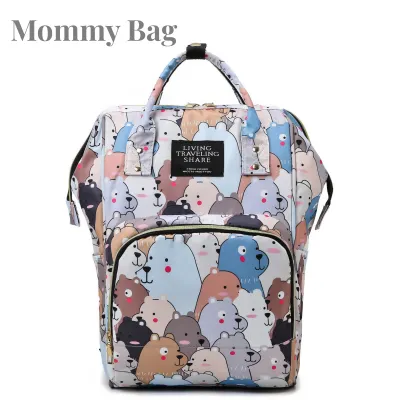
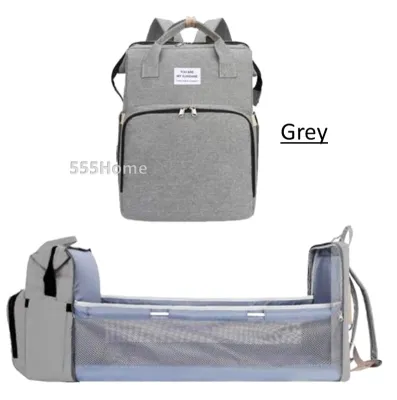
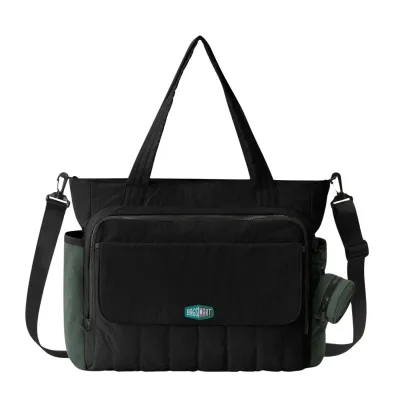
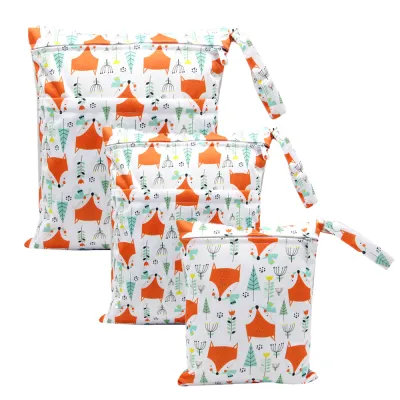
Prices are valid at publication and may change. Please refer to the product page for the latest price.
Physical durability is the second critical metric. Because diaper bags are frequently packed to capacity, hung on stroller hooks, and placed on various public surfaces, they must feature high-quality construction. Look for high stitching density at major stress points, heavy-duty zippers that glide smoothly, and reinforced bases—such as metal feet or water-resistant bottom panels—that protect the fabric from wear and tear.
Finally, capacity requirements are dynamic and will shift as your child grows. Newborns require an extensive inventory of diapers, swaddles, spare outfits, and feeding gear, demanding a high-volume bag. As your child transitions into toddlerhood, the need for multiple clothing changes decreases, but you will need more space for water bottles, snacks, and toys. If you plan to have multiple children, choosing a brand that offers expandable or high-capacity options is a wise long-term strategy.
Comparing Organisation and Capacity Layouts
When comparing diaper bag brands, pay close attention to how different layouts manage internal space. Some brands favor modular internal strategies, utilizing removable organizers, customizable dividers, or matching packing pouches. This approach allows you to adapt the bag’s interior to different types of outings or easily transfer gear between caregivers.

Conversely, other brands rely on fixed multi-pocket layouts. These designs feature built-in mesh pockets, zippered compartments, and elasticized slots. While less customizable, fixed layouts help build muscle memory, allowing you to reach into the bag and locate a pacifier, diaper cream, or nursing cover instantly without searching through loose pouches.
External access is equally important for high-frequency items. High-performing brands design external pockets specifically for items you need to grab with one hand while holding a baby. Look for magnetic-closure pockets, dedicated exterior pacifier pods, and side pockets with slit openings that allow you to pull out wet wipes directly without removing the pack from the bag.
Matching the bag’s volume to your daily routine prevents you from carrying unnecessary weight. Compact diaper bags, such as crossbody styles or small backpacks, are excellent for quick trips to the local market or a nearby playground. For half-day outings or medical appointments, a medium-sized backpack offers hands-free convenience. For full-day excursions, family travel, or parents of multiples, high-capacity totes or large duffels are necessary to accommodate breast pumps, extra formula, and multiple changes of clothes.
Assessing Build Quality and Durability
To ensure your diaper bag survives the daily grind, always check the manufacturer’s material specifications on product tags or official manuals. Common materials include nylon, polyester, and vegan leather. Nylon is highly regarded for being lightweight, exceptionally durable, and easy to clean, making it well-suited for Singapore’s humid climate. Polyester offers excellent water resistance and affordability, while vegan leather provides a sophisticated look but requires careful maintenance to prevent cracking in high heat.
Before purchasing, inspect the physical stress points of the bag in-store or upon delivery. Examine where the shoulder straps attach to the main body; these areas should feature reinforced box-stitching or metal rivets to prevent tearing under heavy loads. Test the zipper tracks repeatedly to ensure they do not catch on the lining, and look for bound internal seams that prevent the fabric from fraying over time.
Do not assume all diaper bags offer the same level of moisture protection. It is vital to verify water-resistance or waterproof claims through the product manual or official specifications. A bag with a water-repellent exterior coating and a waterproof interior lining will protect your gear during sudden tropical downpours and contain any accidental bottle leaks, preventing liquid from seeping through to the exterior.
Evaluating Price Tiers and Value for Money
Diaper bags in Singapore generally fall into three distinct price tiers, each offering different levels of structural quality and features. Budget options, typically priced under S$50, are often made of standard polyester and feature basic pocket layouts. While cost-effective, they may lack reinforced stitching, insulated compartments, or ergonomic padding, making them best suited for occasional use or as backup bags.
Mid-range bags, ranging from S$50 to S$150, represent the sweet spot for many parents. In this tier, you can expect durable nylon or high-grade polyester fabrics, reliable zippers, insulated bottle pockets, and comfortable, padded shoulder straps. These bags are built to withstand daily use throughout your baby’s first few years.
Premium diaper bags, priced above S$150, often justify their cost through specialized materials like ballistic nylon or premium vegan leather, custom metal hardware, and comprehensive accessory packages that include matching changing mats, insulated bottle pouches, and stroller straps. These brands also tend to offer superior ergonomic designs that distribute weight more evenly across your back and shoulders.
To maximize your investment, look for multi-functional designs that offer long-term utility. Bags that easily convert from a backpack to a shoulder tote, or those designed with a sleek aesthetic that can double as a work laptop bag or travel carry-on, provide excellent value. This versatility ensures the bag remains useful long after your child has outgrown the need for diapers.
Additionally, always check the warranty terms, repair services, and return policies before finalizing your purchase. Buying from official brand stores or reputable online marketplaces often grants you access to manufacturer warranties that cover zipper failures, hardware defects, or torn seams, protecting your purchase against premature wear.
Decision Framework: Choosing the Right Brand Profile
To narrow down your choices, align your selection with your specific lifestyle, physical needs, and daily routines.
Choose a brand with modular internal organisation and quick external access if you prefer a highly structured routine, want to locate items instantly with one hand, and primarily take short to medium outings where quick-wipe access and dedicated pacifier pockets save valuable time.
Choose a brand with maximum structural durability and weather resistance if you lead an active outdoor lifestyle, frequently visit parks, nature reserves, or outdoor play areas, and need a rugged bag with a waterproof base and reinforced stitching that can withstand being placed on rough surfaces.
Verify first if you have specific ergonomic requirements, suffer from pre-existing back or shoulder pain, or are considering purchasing a second-hand bag. For ergonomic comfort, look for brands that feature wide, contoured, heavily padded shoulder straps and a breathable mesh back panel to prevent overheating. If buying second-hand, carefully inspect the integrity of all zippers, check the interior lining for peeling or odor, and ensure that essential accessories like stroller straps or changing pads are included and fully functional.
Frequently Asked Questions (FAQ)
How do I clean and maintain a diaper bag to extend its lifespan?
Always check the manufacturer’s care label before applying any cleaning agents or water to your diaper bag. To clean the bag, empty all compartments completely and shake out any loose crumbs. Spot-clean the exterior and interior linings using a soft cloth dampened with warm water and a mild, baby-safe soap. Allow the bag to air-dry completely in a well-ventilated, shaded area before packing it again. Avoid using harsh chemicals, bleach, or machine washing unless explicitly approved by the brand’s official instructions, as these can strip away water-resistant coatings and damage the bag’s structural padding.
Can I use a regular backpack instead of a dedicated diaper bag?
Yes, you can use a regular backpack, but you will face several practical trade-offs. Standard backpacks typically lack specialized features like insulated bottle pockets to keep milk fresh, dedicated quick-wipe access slots, and integrated stroller straps for hands-free attachment. They also rarely feature water-resistant interior linings designed to contain spills. If you choose to use a regular backpack, consider purchasing modular pouches, wet bags, or a dedicated diaper bag organizer insert to add structure. Keep in mind, however, that dedicated diaper bags are specifically engineered to distribute the weight of heavy baby gear comfortably and allow for quick, one-handed access when managing a child.

Community discussion
Share your experience or ask a question. Comments are reviewed before publication.