
Selecting the right baby bag is one of the most practical decisions you will make as a parent. The choice between a diaper bag backpack and a classic tote style ultimately depends on your daily routines, how you prefer to navigate public spaces, and your physical comfort. While some parents prioritize the balanced weight distribution of a backpack, others prefer the immediate, one-handed accessibility of a tote. By evaluating your typical outings, transport methods, and storage needs, you can select a bag that simplifies your trips rather than adding to the logistical challenges of traveling with a baby.
Both styles offer distinct advantages, but neither is a universal winner. A backpack excels during active, hands-free excursions, whereas a tote shines during quick trips where you need to grab items without pausing. Understanding how each design interacts with your stroller, baby carrier, and personal carrying habits will help you make an investment that serves you well throughout your parenting journey.
Identify Your Outing Needs and Carrying Habits
Before comparing specific bag designs, take a close look at your typical daily routine and the environments you frequent. A parent who primarily navigates air-conditioned shopping malls with a large stroller has very different requirements from a parent who frequently uses public buses, trains, or baby carriers. Consider the average duration of your outings, as longer trips naturally demand more gear, including extra changes of clothes, multiple feeding bottles, and a larger supply of diapers.
Products mentioned in this guide
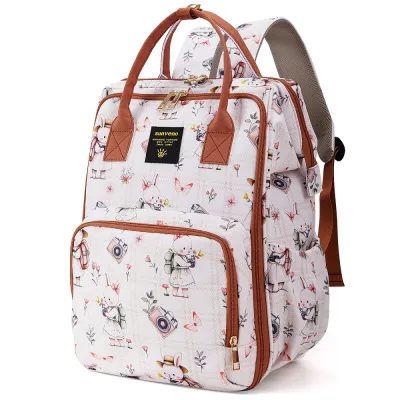
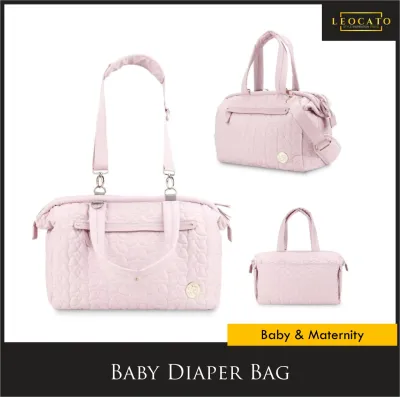
![[Free 2x Ice Packs] V-Coool Insulated Cooler Bag For Breastmilk Baby Food Waterproof Tote Bag Backpack Mummy Bag Diaper Bag Portable Lightweight Double Deck Breast Pump Accessories Breast Milk Keep Fresh Cold For Working Traveling Outing by 8miles](https://img.lazcdn.com/g/p/9427a6a947e841183c93c4b1dbc1dd6f.jpg_400x400q80.jpg_.webp)
Prices are valid at publication and may change. Please refer to the product page for the latest price.
Your primary method of transporting your baby plays a critical role in this decision. If you frequently wear your baby in a front carrier, a backpack can provide a balanced counterweight on your back. However, if you rely heavily on a stroller, you must consider how the bag attaches to the chassis or fits into the under-seat storage basket. Some strollers have limited basket space, making a compact tote more practical, while others can accommodate a fully packed backpack.
Physical comfort and personal ergonomics should also guide your choice. Carrying baby gear can quickly become heavy, and improper weight distribution can lead to shoulder, neck, or back strain. If you already experience back discomfort, or if you anticipate carrying the bag for hours at a time, prioritizing ergonomic support is essential. Conversely, if your outings are short and you frequently need to access items while holding your baby, ease of access may outweigh long-term carrying comfort.
Diaper Bag Backpacks: When Hands-Free is the Priority
Diaper bag backpacks have grown significantly in popularity because they allow parents to keep both hands completely free. When you are chasing a toddler, navigating a busy MRT station, or folding a stroller to board a bus, having your hands free is an invaluable advantage. A backpack distributes the weight of your baby gear evenly across both shoulders, reducing the localized muscle fatigue often caused by single-strap bags.

This balanced weight distribution makes backpacks highly suitable for extended outings, such as day trips to outdoor parks or family walks. Most modern diaper backpacks feature wide, padded shoulder straps and breathable back panels, which help manage heat and moisture in warm, humid climates. Additionally, because the bag is securely strapped to your back, it will not slip down your arm when you bend over to pick up your baby or retrieve a dropped toy.
However, the backpack design does introduce some practical trade-offs. The most notable limitation is accessibility; you generally cannot access the main compartment without taking the bag off at least one shoulder. This can be inconvenient when you need to grab a wet wipe or a pacifier quickly while holding a crying baby. Furthermore, if you are already wearing a structured baby carrier on your back, wearing a diaper backpack simultaneously is physically impractical and uncomfortable.
Diaper Bag Totes: When Quick Access Matters Most
Diaper bag totes offer a classic, open-access design that appeals to parents who want immediate entry to their baby essentials. With a wide top opening, a tote allows you to see almost all your packed items at a single glance. This makes it incredibly easy to reach in and grab a burp cloth, bottle, or toy with one hand while keeping your other hand securely on your baby.
Many parents appreciate the aesthetic versatility of a tote bag. High-quality diaper totes often resemble stylish weekend bags or professional work totes, allowing them to transition seamlessly from family outings to casual social gatherings or office environments. As your child grows and requires less specialized gear, a well-made tote can easily be repurposed as a laptop bag, gym bag, or travel carry-on, extending its useful lifespan long past the diapering years.
Despite these benefits, totes present clear physical challenges during long-term wear. Because a tote relies on a single shoulder strap or double top handles, the entire weight of the bag rests on one side of your body. Over time, this uneven loading can cause shoulder strain and force you to adjust your posture awkwardly to keep the strap from slipping off. If you are walking long distances or carrying a heavy load, a tote can quickly become tiring to manage.
Backpack vs. Tote: A Feature-by-Feature Breakdown
To help you compare these two popular styles directly, it is helpful to look at how they perform across key functional categories. The table below summarizes the primary differences to assist you in evaluating which features align best with your daily routine.
| Feature | Diaper Bag Backpack | Diaper Bag Tote |
|---|---|---|
| Weight Distribution | Excellent; distributed evenly across both shoulders | Poor to moderate; rests entirely on one shoulder |
| Accessibility | Moderate; usually requires removing the bag to access | Excellent; wide-open top allows quick, one-handed access |
| Mobility | High; keeps both hands completely free for active tasks | Moderate; can slip off the shoulder when bending over |
| Stroller Compatibility | Hangs via specialized straps or fits in large baskets | Hangs easily over handlebars or slides into narrow baskets |
| Long-Term Versatility | Great for hiking, travel, and active toddler years | Transitions easily to work, gym, or casual everyday use |
When evaluating either style, look closely at the specific construction details. For both backpacks and totes, prioritize water-resistant exterior fabrics and wipeable interior linings that can handle inevitable spills. Check for reinforced stitching at high-stress points, such as where the straps attach to the main body of the bag. If you choose a backpack, verify that the shoulder straps are wide and generously padded; if you choose a tote, look for an optional detachable crossbody strap to help distribute weight more comfortably when needed.
How to Choose the Right Baby Bag for Your Lifestyle
To finalize your decision, consider which set of daily scenarios matches your lifestyle. A diaper bag backpack is generally the ideal choice if you frequently use baby carriers, walk long distances, navigate public transit regularly, or have an active toddler who requires constant supervision. It is also the preferred option for parents who want to minimize physical fatigue during long day trips and do not mind taking the bag off to access their gear.
On the other hand, a diaper bag tote is highly suitable if your outings consist primarily of short trips, car travel, or stroller-based walks where the bag can rest in the stroller basket. A tote is also excellent for parents who value quick, unhindered access to items and want a versatile bag that does not look exclusively like a baby product. If you frequently find yourself needing to grab items quickly while holding your baby, the open-top design of a tote will save you daily frustration.
Regardless of the style you choose, safety must remain a priority when using your bag with a stroller. Hanging a heavy diaper bag—whether a backpack or a tote—directly onto the stroller handlebars can alter the stroller’s center of gravity, creating a serious tipping hazard. Always consult your stroller manufacturer’s manual to check the maximum weight limit allowed on the handlebars or frame. To ensure safety, store heavier items in the under-seat basket and reserve the hanging bag for lightweight essentials.
Finally, verify the internal compartment layout of any bag you consider. Look for dedicated insulated pockets to keep bottles upright and at a stable temperature, and check for secure zippered compartments to store your personal items like keys, phones, and wallets. Choosing a bag with a well-planned interior layout will help you stay organized, ensuring that you can find exactly what you need, when you need it, without unnecessary stress.
Frequently Asked Questions (FAQ)
Can I use a regular backpack or tote instead of a dedicated baby bag?
Yes, you can certainly repurpose a standard backpack or tote bag that you already own, provided it meets your organizational needs. However, dedicated diaper bags offer specialized features designed specifically for parenting logistics, such as insulated bottle pockets, built-in stroller attachment straps, and dedicated compartments for wet items or soiled clothes. Standard bags often lack these specialized compartments, which can lead to items shifting around and becoming difficult to find in an emergency. If you decide to use a regular bag, check the manufacturer’s care label to ensure the material is durable, water-resistant, and easy to spot-clean or machine-wash, as baby gear is highly prone to spills and leaks.
What size baby bag do I need for a full day out?
For a full day out, your bag needs to accommodate a comprehensive checklist of essentials, including several diapers, a portable changing mat, travel wipes, diaper cream, spare outfits, feeding supplies, pacifiers, and small toys. Rather than relying solely on total volume claims or generic size labels, it is best to check the bag’s exact internal dimensions and compartment layout. A well-organized medium-sized bag with dedicated pockets can often hold more gear—and keep it far more accessible—than a larger, single-compartment bag where items easily get lost at the bottom. Ensure the bag’s physical dimensions fit comfortably within your stroller’s storage basket or can be carried comfortably without straining your shoulders.

Community discussion
Share your experience or ask a question. Comments are reviewed before publication.