
Choosing the right maternity bag is a highly personal decision that depends on your daily routine, physical comfort, and how you prefer to organize your essentials. While some parents thrive with a hands-free backpack that distributes weight evenly, others prefer the quick access of a classic tote or the specialized compartments of a traditional diaper bag. The ideal choice is the one that seamlessly integrates into your lifestyle, whether you are navigating public transit, heading back to the office, or managing long outings with your baby.
Assessing Your Daily Routine and Carrying Needs
To find the most suitable maternity bag, start by evaluating your typical daily activities and how you move from place to place. If your routine involves walking along stroller-friendly paths, boarding buses or the MRT, or navigating crowded shopping malls, your carrying needs will differ significantly from someone who primarily drives. Consider how often you will need to access items on the go and whether you will have a stroller basket or car seat to help bear the load.
Physical comfort is another critical factor, particularly during pregnancy and the postpartum recovery period. Carrying a heavy, poorly balanced bag can strain your shoulders, neck, and lower back when your body is already adapting to physical changes. Assessing your comfort limits early helps you decide whether you need a dual-strap system or if a single-shoulder strap is manageable for shorter trips.
Products mentioned in this guide
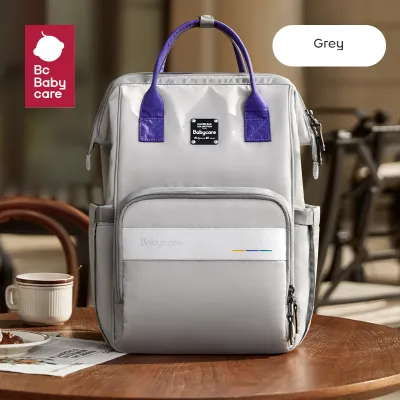
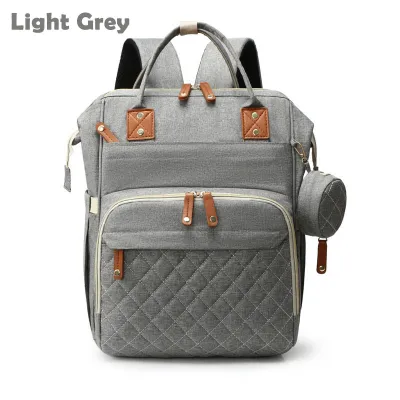
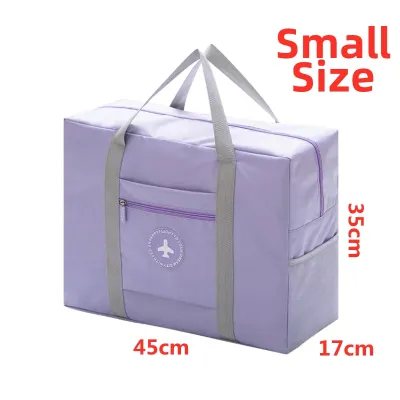
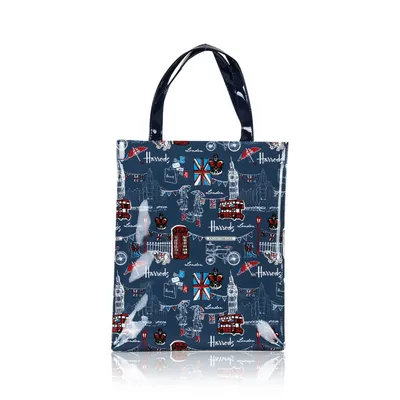
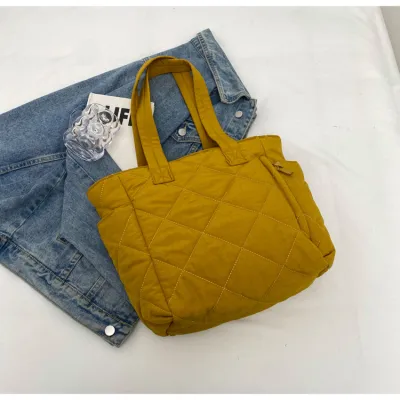
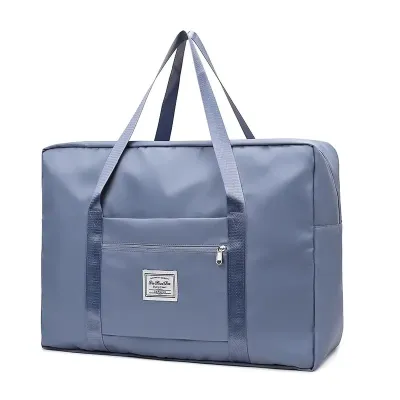
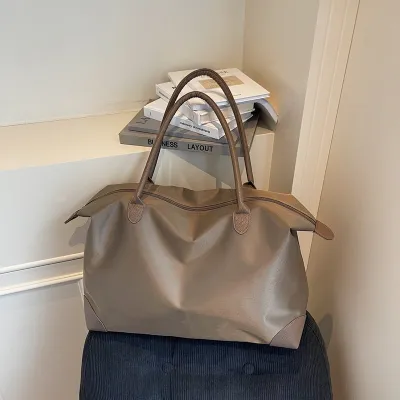
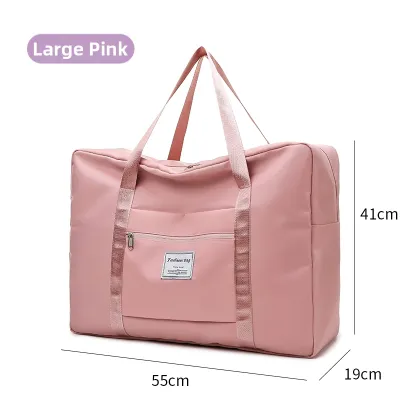
Prices are valid at publication and may change. Please refer to the product page for the latest price.
Finally, estimate the volume of items you expect to carry daily. A newborn requires a substantial checklist, including diapers, wipes, change of clothes, feeding supplies, and swaddles, alongside your personal essentials like keys, phone, and wallet. Understanding this baseline capacity prevents you from purchasing a bag that is either too small for long days out or unnecessarily bulky for quick errands.
Maternity Backpacks: Hands-Free Comfort for Active Days
Maternity backpacks have become increasingly popular for parents who prioritize mobility and physical comfort. By distributing weight evenly across both shoulders, a backpack reduces localized strain on your back and neck, making it an excellent option for long walks or extended periods of standing. This symmetrical support is especially beneficial during postpartum recovery when your core and pelvic muscles are still regaining strength.

The primary advantage of a backpack is the complete freedom of movement it offers. With both hands free, you can easily push a stroller, carry your baby in a carrier, navigate public transport ticket gates, or hold the hand of an older toddler. This makes the backpack style highly practical for active lifestyles and solo outings where multitasking is essential.
However, backpacks do come with accessibility trade-offs. To retrieve an item, you typically have to stop, take the bag off one or both shoulders, and unzip it. While some designs feature side zippers or quick-access pockets, retrieving a pacifier or a wipe in a hurry can still feel cumbersome compared to open-top bag styles. This style is best suited for parents who anticipate long days out, frequent walking, or managing multiple children at once.
When evaluating a backpack, pay close attention to the opening mechanism. Some backpacks feature a doctor-bag style frame that stays open wide when unzipped, which greatly improves visibility when searching for items at the bottom. Others have traditional top-loading designs that may require you to pack items strategically, placing less-frequently used gear at the bottom and immediate essentials near the top.
Maternity Totes: Quick Access and Professional Transitions
Maternity totes offer a classic, stylish aesthetic that transitions effortlessly from casual outings to professional environments. With their wide top openings, totes allow you to see all your belongings at a glance, making it simple to grab a burp cloth or a toy without rummaging through multiple layers. This immediate accessibility is highly convenient when you need to soothe a fussy baby quickly.
Despite their convenience, totes present specific physical challenges due to their single-shoulder design. Carrying a heavy load on one side of your body can lead to uneven shoulder strain and muscle fatigue over time. If you frequently walk long distances or carry a large volume of supplies, a tote may become uncomfortable to carry for extended periods.
This style is most practical for shorter outings, visits to nearby cafes, or for parents who are transitioning back to work and want a bag that does not look like traditional baby gear. A structured tote can easily hold a laptop and work documents alongside a few baby essentials, allowing you to maintain a professional appearance while keeping everything you need in one place.
To maximize the utility of a tote, look for models that include a detachable crossbody strap. This feature allows you to shift the carrying style when your shoulder grows tired, offering a temporary hands-free option. Additionally, choosing a tote with a secure top zipper rather than a simple magnetic snap ensures that items do not spill out if the bag tips over in your vehicle or stroller basket.
Traditional Diaper Bags: Specialized Storage for Baby Gear
Traditional diaper bags are engineered specifically for parenting, focusing heavily on internal organization and specialized compartments. These bags often feature insulated pockets to keep bottles at the desired temperature, dedicated waterproof compartments for wet clothes, and built-in sleeves for changing pads. This level of organization ensures that every baby item has a designated spot, reducing the time spent searching for essentials.
While the specialized storage is highly convenient, traditional diaper bags can easily become heavy and bulky. The structured compartments and durable, often padded materials add baseline weight even before you pack your items. If you tend to overpack, the rigid structure of a traditional diaper bag can make it feel cumbersome to carry, especially in tight spaces or crowded environments.
A traditional diaper bag is highly practical for long day trips, visits to the pediatrician, or situations where you must carry extensive supplies for feeding and changing. Parents who appreciate structured organization and want to keep baby gear entirely separate from their personal items will find this style highly functional for their daily routine.
Many traditional diaper bags also feature messenger-style straps, allowing them to be worn across the body. While this offers better stability than a standard shoulder tote, it still places the weight on a single side of your body. If you choose this style, look for wide, heavily padded straps that help distribute the pressure across your shoulder and chest.
Side-by-Side Comparison: Matching Bag Styles to Your Lifestyle
To help you decide which style aligns best with your daily routine, it is helpful to compare their core characteristics side by side. Each design excels in different areas, and understanding these trade-offs allows you to select the option that minimizes daily friction.
| Bag Style | Weight Distribution | Accessibility | Capacity | Primary Aesthetic |
|---|---|---|---|---|
| Maternity Backpack | Excellent (Dual shoulders) | Moderate (Requires removal) | High | Sporty / Casual |
| Maternity Tote | Poor (Single shoulder) | Excellent (Wide top opening) | Moderate | Professional / Classic |
| Traditional Diaper Bag | Moderate (Often messenger style) | Good (Multiple external pockets) | High | Functional / Baby-centric |
When choosing your bag, consider these conditional guidelines:
- Choose a maternity backpack if you walk frequently, use public transit, or need to keep your hands completely free to manage a stroller or multiple children.
- Choose a maternity tote if you prefer quick access to your items, take shorter trips, or need a bag that transitions smoothly into a professional workspace.
- Choose a traditional diaper bag if you value highly structured organization, carry specialized feeding gear, and want dedicated compartments for every baby essential.
Many parents find that a hybrid approach works best rather than relying on a single bag. For instance, you might use a supportive maternity backpack as your primary bag for long weekend outings, while keeping a lightweight, compact tote ready for quick trips to the local shops or short visits to family. This modular approach allows you to adapt to different scenarios without carrying unnecessary weight.
Essential Features to Verify Before You Buy
Before making a final purchase, it is important to verify the physical specifications and materials of the bag against the manufacturer’s product details. Check the shoulder straps to ensure they are adjustable and sufficiently padded, as thin straps can dig into your shoulders when the bag is fully loaded. Look for durable, lightweight base materials that will not add unnecessary weight to your daily carry.
Stroller compatibility is another crucial feature to check. Verify whether the bag includes dedicated stroller straps or clips, and consult the manufacturer’s instructions regarding weight limits to prevent the stroller from tipping backward. Ensuring the bag can hang securely from the handlebar provides an excellent way to relieve physical strain during long walks.
Finally, review the care instructions and material properties on the official product label. Look for water-resistant exterior fabrics that can withstand unexpected rain or accidental spills, and check if the interior lining is easy to wipe clean. Choosing a bag with low-maintenance care requirements will save you significant time and effort in the long run.
Frequently Asked Questions (FAQ)
Can I use my regular work bag as a maternity bag?
Yes, you can repurpose a regular work bag, but you should evaluate its structural support and strap comfort first. Standard work bags often lack the wide, padded straps needed to carry the heavier, denser load of baby supplies comfortably. Additionally, because work bags typically do not have specialized compartments, you will likely need to use separate pouches or organizers to keep baby items clean, dry, and easy to find.
When should I switch from a maternity bag to a standard diaper bag?
The transition from a maternity bag—which often holds a mix of maternal recovery items and newborn essentials—to a standard diaper bag depends on your changing daily routine rather than a specific baby age. As your baby grows and your personal postpartum recovery needs decrease, you will carry fewer maternal items and more baby-focused gear like toys, solid snacks, and larger change of clothes. You can make this switch whenever you find your carrying needs shifting toward purely baby-centric supplies.
Community discussion
Share your experience or ask a question. Comments are reviewed before publication.