
Finding the right storage bag for baby can feel like a daunting task when confronted with endless options online and in baby boutiques. The ideal choice is not about finding a universally perfect bag, but rather selecting one that aligns with your daily mobility, stroller usage, and personal carrying preferences. By analyzing how you move, who carries the load, and how you organize your essentials, you can confidently choose between a backpack, a tote, or a traditional shoulder diaper bag.
Assess Your Daily Outing Patterns and Caregiving Style
Before comparing specific bag designs, take a close look at your typical daily routines. A caregiver who primarily takes quick walks around the neighborhood has vastly different storage needs than one who commutes via public transit for all-day outings. If your trips are short and frequent, a compact bag that holds just the bare essentials—a couple of diapers, a travel pack of wipes, and a single bottle—will prevent you from carrying unnecessary weight. Conversely, full-day excursions require a larger capacity to accommodate extra clothing, multiple feedings, and changing mats.
Your primary mode of transportation heavily influences which bag style will feel most comfortable. Navigating crowded buses, trains, or escalators requires a bag that stays secure and close to your body, leaving your hands completely free to manage a stroller or hold a toddler’s hand. If you primarily travel by car, the bag’s portability while walking is less critical, as it will spend most of its time sitting on a car seat or in the trunk. In this scenario, a wide-opening bag that is easy to pack and unpack inside the vehicle becomes highly practical.
Products mentioned in this guide
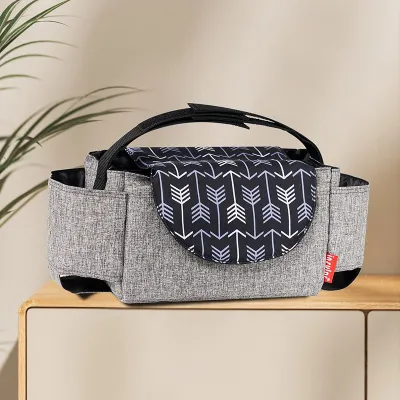
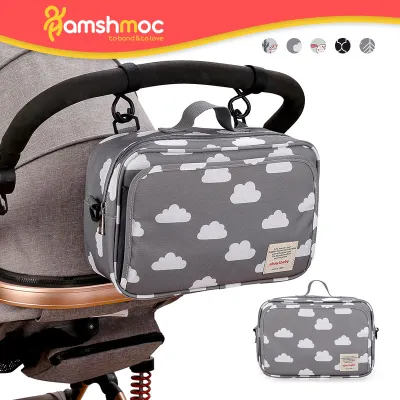
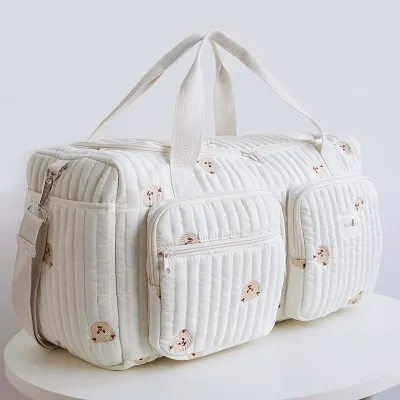
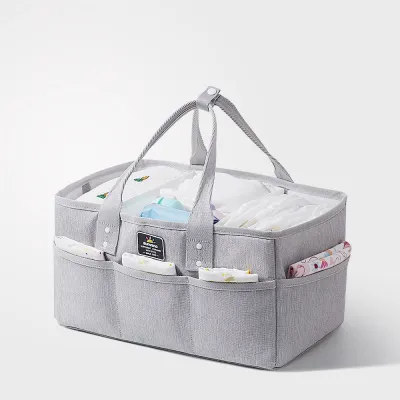
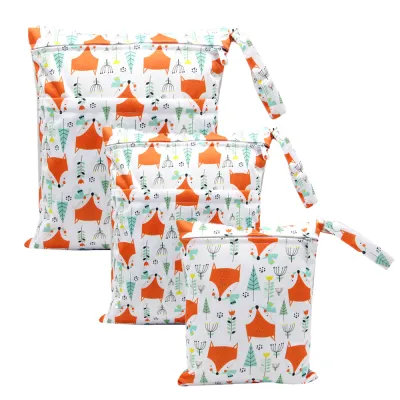
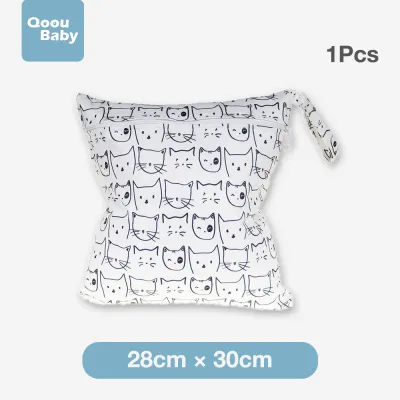
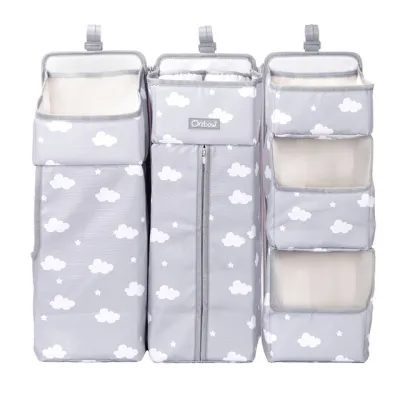
Prices are valid at publication and may change. Please refer to the product page for the latest price.
Another crucial factor is identifying who will be carrying the bag on a regular basis. If multiple caregivers of different heights and physical builds share the duty, the bag must be easily adjustable. A shoulder strap that fits comfortably on one person might feel restrictive or awkwardly positioned on another. Choosing a neutral style with highly adjustable straps ensures that everyone can carry the baby’s essentials comfortably without experiencing physical strain.
Evaluate the Main Baby Storage Bag Styles
Each style of baby storage bag offers distinct advantages in weight distribution, accessibility, and organization. Understanding these fundamental differences allows you to match the bag’s physical structure to your personal carrying habits and comfort requirements.

Baby Backpacks for Hands-Free Mobility
A baby backpack is often the preferred choice for caregivers who prioritize physical comfort and long-distance mobility. By distributing the weight of baby essentials evenly across both shoulders, a backpack minimizes muscle strain during extended walks. This symmetrical weight distribution is particularly beneficial when navigating public transit or carrying a baby in a front carrier, keeping your center of gravity balanced.
The primary trade-off of a backpack is accessibility. To retrieve a phone, a pacifier, or a wet wipe, you must typically stop, remove the backpack from your shoulders, and unzip the compartments. While some designs feature small side pockets for quick-access items, retrieving main compartment essentials always requires this extra step.
When evaluating a backpack, pay close attention to the shoulder straps. Look for wide, contoured, and well-padded straps that do not dig into your shoulders when the bag is fully loaded. An adjustable chest strap can also help stabilize the load, preventing the shoulder straps from slipping off while you bend over.
Tote-Style Bags for Quick Access and Discreet Carry
Tote-style baby bags are designed for caregivers who value rapid access to their items and prefer a non-traditional aesthetic. With a wide top opening, a tote allows you to see almost all your packed items at a single glance. This makes it incredibly easy to reach in and grab a toy or a burp cloth with one hand.
However, carrying a heavily loaded tote on one shoulder for extended periods can cause physical strain. The asymmetrical weight distribution can lead to shoulder and neck discomfort during long walks. Totes are generally best suited for shorter trips, car travel, or situations where the bag will spend most of its time resting on a stroller.
To make a tote work effectively, verify that it features secure closures, such as sturdy zippers or strong magnetic snaps, to prevent items from spilling if the bag tips over. Internal organization is also critical; without sufficient interior pockets, a large tote can quickly become a chaotic space where small items get lost.
Traditional Shoulder Diaper Bags for Classic Organization
The classic shoulder or crossbody diaper bag remains popular due to its specialized, parent-focused organization. These bags are typically designed with a multitude of dedicated external pockets, allowing you to store bottles, wipes, and snacks in specific, easily accessible locations. You do not have to dig through the main compartment to find a clean pacifier.
Like totes, traditional shoulder bags carry the risk of causing physical strain if they are consistently overpacked on one side. To mitigate this, many classic designs feature a wide, padded crossbody strap that allows you to wear the bag across your torso. This style helps distribute the weight more evenly and keeps the bag securely against your hip.
When choosing a crossbody diaper bag, check the adjustability of the strap. It should be easy to lengthen or shorten so that the bag rests comfortably at hip level, regardless of your height. A strap that is too long will cause the bag to bounce against your thighs as you walk, while a short strap can restrict movement.
Check Stroller Compatibility and Transport Logistics
No matter which bag style you choose, it must integrate seamlessly with your stroller. Hanging a heavy bag from a stroller’s handlebar is a common practice, but it carries a significant risk of tipping the stroller backward, especially when you lift your child out of the seat. Always verify the weight limits specified by your stroller manufacturer before hanging any bag.
Many specialized baby bags come equipped with integrated stroller straps or clips designed to attach the bag securely to the stroller frame. If the bag you prefer does not have built-in straps, verify if it can be safely attached using separate, secure stroller hooks. Ensure these attachments hold the bag close to the frame to prevent it from swinging wildly.
Consider the physical footprint of the bag when it is not being carried. If you frequently travel by car, the bag should fit easily into the trunk alongside your folded stroller without crushing its contents. For those relying on public transit, a bag with a stable, structured base that stands upright on the floor helps keep the exterior fabric clean.
Build Your Final Shortlist and Verify Key Features
Once you have decided on the style that best fits your lifestyle, narrow down your options by verifying specific, practical features. First, examine the materials used for both the exterior and interior of the bag. The fabric should be highly durable, water-resistant, and easy to wipe clean, as spills, leaks, and outdoor dirt are inevitable when traveling with a baby.
Next, check what accessories are included with the bag. A matching, fold-out changing pad is an incredibly useful addition that ensures you always have a clean surface for diaper changes on the go. Insulated bottle pockets are also highly beneficial, helping maintain the temperature of milk, formula, or warm water during your outings.
Finally, ensure the opening mechanism of the main compartment aligns with your packing style. Some bags feature a structured frame that stays wide open when unzipped, providing an unobstructed view of the interior. Others use a classic zipper that requires you to hold the bag open. Choosing a design that facilitates easy packing and quick retrieval will save you time.
Frequently Asked Questions (FAQ)
Can I just use a regular backpack or tote instead of a specific baby bag?
Yes, you can use a standard backpack or tote, but you may miss the specialized features designed specifically for parenting. Regular bags often lack insulated compartments to keep bottles at the right temperature and water-resistant linings that make cleaning up spills simple. They also rarely include dedicated, quick-access pockets for baby wipes or integrated stroller attachment straps. If you choose to use a standard bag, consider using modular organizers, such as small zippered pouches or a removable bag organizer insert, to keep baby essentials structured.
How do I prevent my baby bag from becoming too heavy?
To keep your bag at a manageable weight, adopt a minimalist packing strategy based on the expected duration of your outing. For quick trips near home, pack only the absolute essentials—one or two diapers, a small travel pack of wipes, and a single bottle—rather than carrying your entire inventory. It is also highly beneficial to establish a routine of cleaning out and restocking your bag immediately upon returning home. Removing trash, soiled clothes, and empty containers ensures you maintain a lightweight, organized baseline.

Community discussion
Share your experience or ask a question. Comments are reviewed before publication.