
Quick Answer: Which Diaper Bag Backpack Layout Fits Your Routine?
Selecting the right diaper bag backpack depends heavily on your parenting lifestyle, the age of your children, and how you naturally organize your gear. There is no single brand or design that suits everyone. Instead, the market is divided between high-capacity haulers built for volume and structured organizers designed for meticulous compartment layout.
If your daily routine involves long day trips around Singapore, managing multiples, or carrying bulky feeding equipment, a high-capacity hauler with a spacious main compartment is essential. This style prioritizes raw volume, allowing you to pack extra clothing, large thermal flasks, and multiple diaper sets without straining the zippers.
Conversely, if you prefer quick daily errands and want immediate access to pacifiers, wipes, or your phone, a structured organizer with dedicated pockets is more efficient. These bags keep items upright and visible, preventing the common frustration of rummaging through a deep, cluttered compartment. For working parents who transition directly from childcare drop-offs to professional settings, a minimalist convertible bag offers a streamlined profile that blends into office environments while still providing basic baby care storage.
Products mentioned in this guide
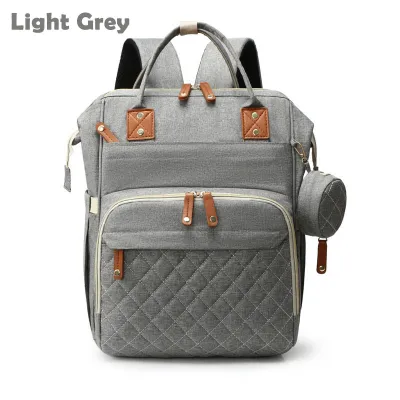
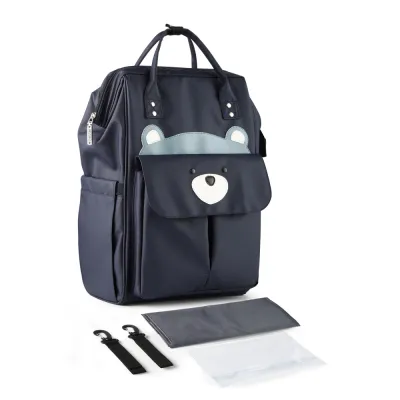
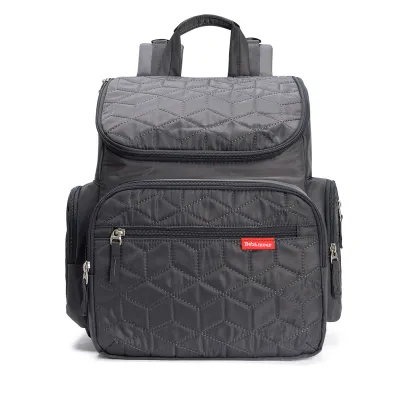
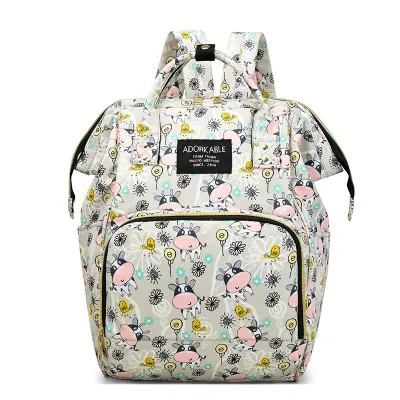
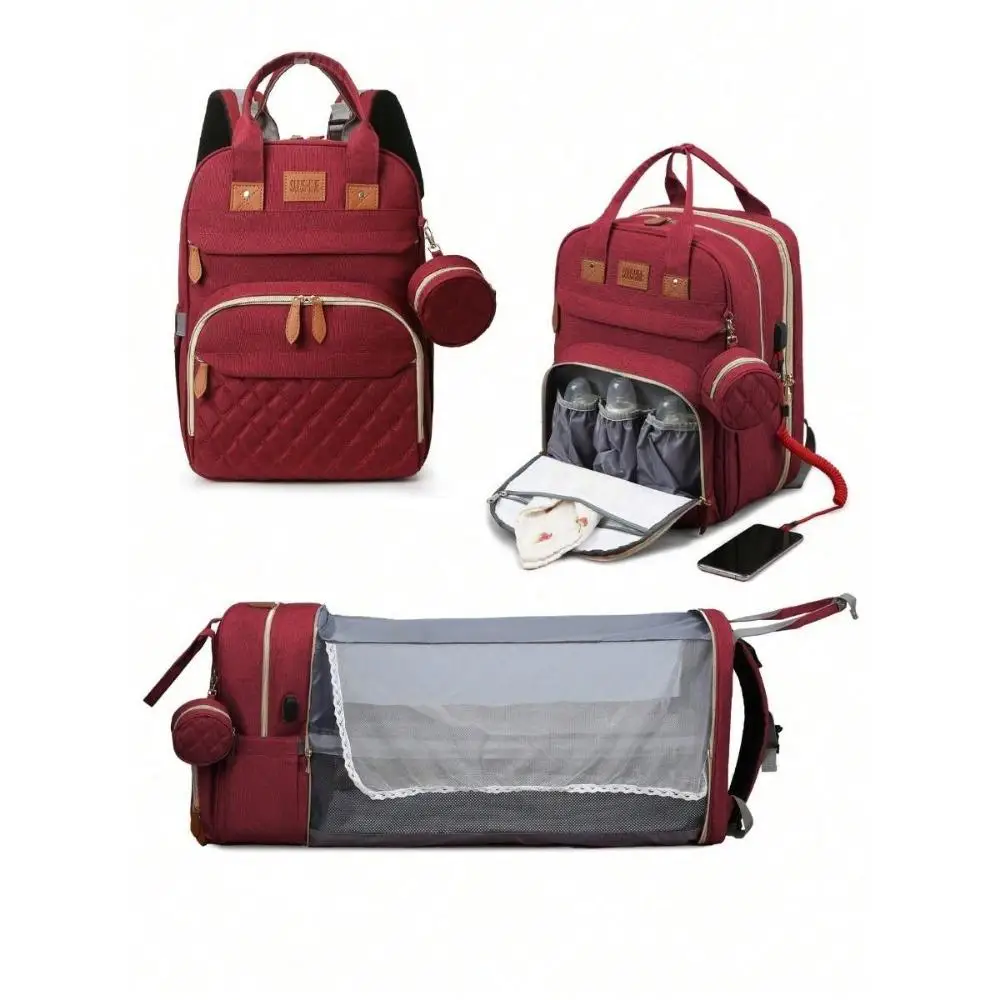
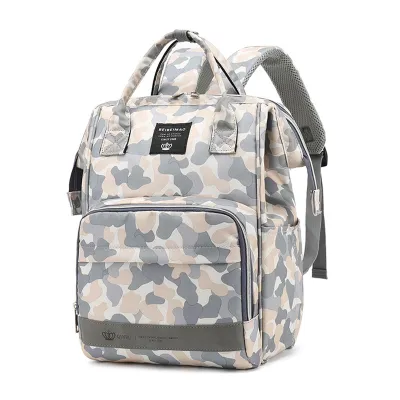
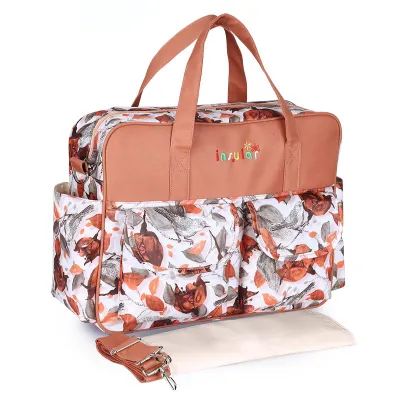
Prices are valid at publication and may change. Please refer to the product page for the latest price.
How Top Brands Approach Storage Capacity
When evaluating a diaper bag backpack, relying solely on the manufacturer’s stated liter capacity can be misleading. Two bags with the identical volume rating can perform differently in daily use depending on their physical dimensions, shape, and structural rigidity. Understanding how brands construct their bags will help you match the storage style to your packing habits.

Wide-base designs focus on horizontal space. These bags are engineered to sit upright on flat surfaces, such as changing tables, park benches, or cafe tables. The wide footprint makes it easy to pack bulky items like formula tins, portable breast pumps, and thick changing mats side by side. Because the weight is distributed across a wider base, these bags are highly stable when set down. However, their physical bulk can make them cumbersome when navigating crowded public transport, narrow shopping aisles, or tight cafe spaces.
Tall, narrow designs offer a sleeker, more aerodynamic profile that hugs your back. This shape keeps the center of gravity closer to your body, making it more comfortable to carry during long walks or commutes. The primary trade-off is the height-to-width ratio. Items packed at the bottom of a tall bag are naturally harder to reach. Unless the bag features a specialized access zipper at the base, you may find yourself unpacking the top half of the bag just to retrieve a spare change of clothes stored at the bottom.
Structural rigidity also plays a vital role in usable capacity. Bags made from soft, unstructured fabrics can stretch and expand to accommodate odd-shaped toys or extra blankets. The downside is that they tend to sag when fully loaded, which can cause shoulder strain and make internal pockets collapse inward, reducing their usability. Rigid, structured bags maintain their shape regardless of how empty or full they are. This structure protects delicate items like sunglasses or snacks from being crushed, but it limits your ability to squeeze in those extra, last-minute items. Before purchasing, verify the bag’s physical dimensions and empty weight rather than relying on marketing descriptions.
Internal Organization: Compartment Layouts Compared
A diaper bag’s efficiency is determined by how quickly you can locate a specific item under pressure. When managing a fussy baby, a well-thought-out pocket layout reduces stress and saves time. Different brands approach internal organization with distinct design philosophies, balancing open storage space against specialized compartments.
Main Compartment Access and Visibility
The way a backpack opens dictates how you must pack and retrieve your gear. Brands generally use one of three main opening styles:
- Clamshell Openings: These designs unzip fully around three sides, allowing the front panel to fold down completely like a suitcase. This style offers maximum visibility and is favored by structured brands. It allows you to see every item instantly and pack systematically. The limitation is that you generally need a flat, clean surface to open the bag fully without items falling out.
- Top-Zipper Access: Standard backpack zippers or doctor-bag frames open wide at the top while keeping the sides secure. This is excellent for quick, one-handed grabs while the bag is hanging on a stroller. It keeps items secure inside but makes it difficult to see or reach items packed at the very bottom.
- Drawstring or Bucket Openings: These designs eliminate structured closures in favor of a flexible top drawstring. This style maximizes raw volume and accommodates unusually shaped items easily. However, it offers minimal built-in organization, requiring parents to use separate pouches or packing cubes to prevent internal clutter.
Baby Care Zones and Bottle Storage
Isolating baby-specific items from your personal belongings is essential for hygiene and quick access. Dedicated baby care zones typically include insulated bottle pockets, wipe dispensers, and changing pad compartments.
Insulated bottle pockets are crucial for keeping milk, formula, or warm water at the correct temperature. Traditional brands often build these into the front or side exterior pockets. External placement keeps bottles within easy reach and protects the main compartment from potential leaks, though it does increase the bag’s exterior profile. Minimalist or fashion-forward brands frequently place insulated pockets inside the main compartment to maintain a sleek exterior, which consumes internal storage space. Some modern brands omit insulated pockets entirely to reduce weight, requiring parents to purchase separate insulated bottle sleeves.
Dedicated quick-access wipe pockets allow you to pull a wet wipe directly from the side of the bag without unzipping any compartments. While highly convenient for quick clean-ups, these pockets require wipes to be stored in flexible packaging that aligns with the pocket opening. Changing pad sleeves are typically located against the back panel of the backpack, providing a flat, secure space that also adds structural padding for your back.
Parent Pockets and Tech Storage
A functional diaper bag must accommodate the caregiver’s personal items alongside baby gear. High-quality brands design dedicated parent zones to keep keys, wallets, phones, and electronics safe and separate from damp baby items.
Dedicated front parent pockets often feature internal organization such as key leashes, card slots, and zippered security pockets. This ensures you do not have to search through diapers and toys to find your keys or wallet at a checkout counter.
For parents who commute or work remotely, a padded laptop or tablet sleeve is a valuable addition. If you choose a bag with tech storage, verify that the sleeve is suspended slightly above the bottom of the backpack. This design feature prevents your device from hitting the ground directly when you set the bag down. Ensure that the laptop compartment is separate from the main storage area to eliminate the risk of diaper cream or bottle leaks damaging your electronics.
Comparing Popular Diaper Bag Backpack Styles
To help you identify the right balance of capacity and organization, the table below compares the three dominant design archetypes found across popular diaper bag brands.
| Style Archetype | Capacity Approach | Organization Philosophy | Best Use Case | Potential Drawbacks |
|---|---|---|---|---|
| The Structured Organizer | Moderate, fixed capacity (typically 18 to 22 liters). Rigid frame prevents stretching. | Highly segmented; dozens of dedicated pockets, built-in insulated slots, and specialized compartments. | Parents who prefer meticulous organization, quick daily errands, and a bag that stands upright. | Heavier empty weight; cannot expand to accommodate large, bulky, or non-standard items. |
| The Minimalist Convertible | Streamlined, compact capacity (typically 15 to 20 liters). Often converts to a tote or shoulder bag. | Open main compartment with minimal built-in pockets; relies on clean lines and multi-functional spaces. | Working parents, parents of older toddlers who need less gear, and short urban outings. | Requires separate pouches or packing cubes for detailed organization; limited insulated storage. |
| The High-Capacity Hauler | Maximum volume (typically 24 to 30+ liters). Deep, wide-base design with flexible fabric. | Cavernous main space with basic dividers; focuses on raw volume over specialized pockets. | Parents of multiples, long travel days, outdoor excursions, or carrying breast pumps and thermal flasks. | Can become a "black hole" where small items get lost; bulky profile; can cause physical strain if overpacked. |
Each archetype serves a distinct purpose. For instance, brands that focus on the Structured Organizer style (often priced in the mid-to-high range of S$120 to S$250) are designed for parents who want to know exactly where every pacifier, diaper, and wipe is located at any second. The Minimalist Convertible style appeals to those who prioritize aesthetic versatility and lightweight carrying, while the High-Capacity Hauler is the practical choice when sheer carrying capacity is the absolute priority.
How to Choose the Right Capacity and Layout for Your Needs
To select the perfect diaper bag backpack, evaluate your daily habits, your child’s feeding method, and how you plan to transport the bag. Use this decision framework to guide your choice:
- Choose a Structured Organizer if:
- You find yourself easily frustrated when searching for small items like pacifiers, hand sanitizer, or teething toys.
- You prefer a bag that maintains its shape and stands upright on its own when placed on a table or floor.
- Your daily outings are structured, such as visits to indoor play areas, pediatric clinics, or shopping centers.
- Choose a Minimalist Convertible if:
- You want a single, versatile bag that transitions seamlessly from baby duty to professional or social settings.
- You already use color-coded packing cubes or pouches to organize your belongings.
- You prioritize lightweight materials that will not add unnecessary weight during warm, humid commutes.
- Choose a High-Capacity Hauler if:
- You are packing for twins, a baby and a toddler, or need to carry bulky medical or feeding equipment such as a double electric breast pump.
- You frequently embark on full-day family excursions where returning home to restock is not an option.
- You need to carry multiple large thermal flasks for formula preparation alongside extra changes of clothes and towels.
Verify first before purchasing:
- Empty Weight: Check the manufacturer's product specifications. A diaper bag that weighs more than 1.2 kg when empty will quickly become uncomfortable once fully packed with bottles, wipes, and spare clothing.
- Stroller Compatibility: Verify if the bag includes dedicated stroller straps or integrated attachment points. Safety Warning: Hanging a heavy diaper bag on a stroller handle can cause the stroller to tip backward, creating a serious safety hazard for your child. Always consult your stroller manufacturer's guidelines regarding maximum weight limits on the handlebar, and ensure the bag is securely balanced.
- Material Care and Safety: Inspect the manufacturer's cleaning instructions. Look for wipe-clean interior linings and water-resistant exterior fabrics that can withstand sudden rain showers or accidental bottle spills. Additionally, verify that the materials used are free from harmful chemicals such as BPA, lead, and phthalates, especially for surfaces that will come into direct contact with baby bottles or pacifiers.
Frequently Asked Questions (FAQ)
Does a larger liter capacity always mean better storage?
No, a higher liter capacity does not guarantee more usable or convenient storage. Liter capacity measures the total volume of the bag’s interior, but how that volume is shaped determines its real-world utility. A tall, narrow 25-liter backpack may have a smaller footprint that makes it difficult to lay a standard changing mat flat or pack a bulky formula dispenser. Conversely, a well-designed 20-liter bag with a wide base, structured sides, and a full clamshell opening can often accommodate more baby gear because you can pack it efficiently without leaving dead space. When choosing a bag, prioritize the dimensions and pocket layout over the total volume number.
Are insulated bottle pockets standard in all diaper bag backpacks?
While insulated bottle pockets are common in traditional and high-capacity diaper bags, they are not standard across all brands. Many modern, minimalist, and luxury convertible brands omit built-in insulated pockets to maintain a slim exterior profile and reduce the overall weight of the bag. If you choose a brand that does not include built-in insulation, you will need to purchase separate insulated bottle sleeves or pouches to keep milk or warm water at the desired temperature. Always review the detailed product specifications and interior pocket descriptions before purchasing to ensure the bag meets your specific feeding routine requirements.

Community discussion
Share your experience or ask a question. Comments are reviewed before publication.