
Choosing the right diaper cream for your baby involves matching the product’s active ingredients to the current state of your baby’s skin. While Destin diaper cream is a widely recognized option, navigating the differences between it and other popular diaper creams requires understanding how barrier creams function under different conditions. In warm, humid climates like Singapore, trapped moisture and friction can quickly lead to diaper rash, making the choice of barrier cream a key decision for daily comfort.
Caregivers often face a confusing array of pastes, ointments, and lotions when browsing the baby care aisle. The key to making an informed decision lies in analyzing the active ingredients, the severity of the rash, and your daily diapering setup. By understanding how different formulations interact with your baby’s skin, you can select a product that provides effective protection without causing unnecessary irritation.
Understanding Destin Diaper Cream and Its Core Ingredients
To evaluate Destin diaper cream against its competitors, it is essential to understand its primary active ingredient: zinc oxide. Zinc oxide is an insoluble mineral that sits on top of the skin, reflecting moisture and preventing irritants like urine and stool enzymes from making direct contact with the skin barrier. The concentration of zinc oxide in a product determines its primary function, separating daily preventative creams from intensive treatment pastes.
Products mentioned in this guide
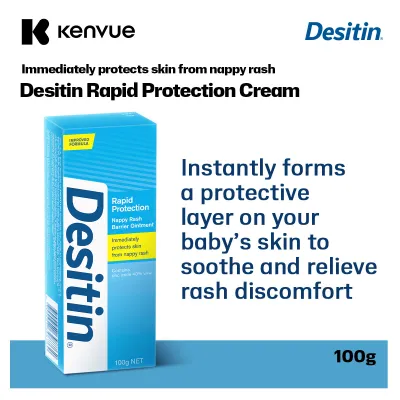
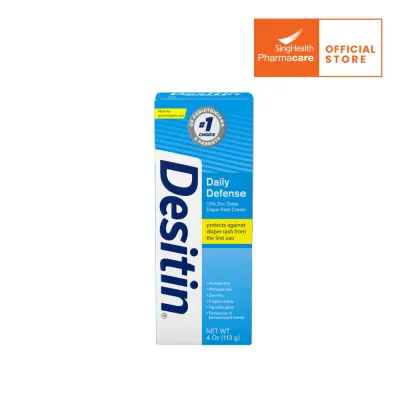
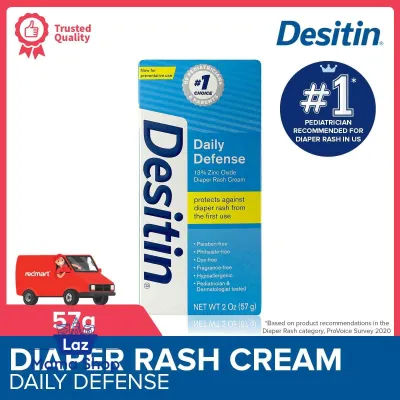
![[Bundle of 3] Desitin Daily Defense Diaper Rash Protection Cream Instantly Soothe Diaper Rash Discomfort 57g](https://img.lazcdn.com/g/p/b74ae21f7b47f8ec6b2c02dbfd829fc2.jpg_400x400q80.jpg_.webp)
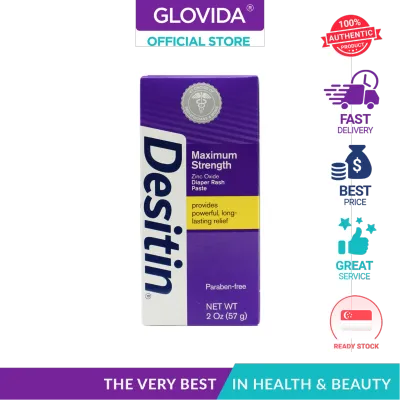
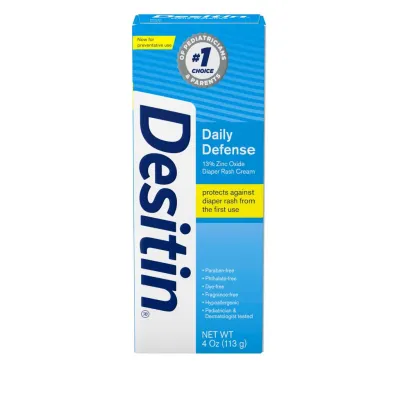
Prices are valid at publication and may change. Please refer to the product page for the latest price.
Daily preventative creams typically contain lower percentages of zinc oxide, often ranging from 10% to 13%. This lower concentration makes the cream lighter, easier to spread, and simpler to wipe away during routine diaper changes. In contrast, treatment-strength pastes, such as maximum strength variants of Destin, contain higher concentrations of zinc oxide, often up to 40%. This high concentration creates a dense, durable physical shield designed to protect severely compromised skin.
Beyond zinc oxide, diaper creams rely on various base ingredients to lock out wetness and soothe the skin. Petrolatum, commonly known as petroleum jelly, acts as an occlusive barrier that seals in the skin’s natural moisture while blocking external liquids. Lanolin is another frequent addition, prized for its deep emollient properties, though caregivers should note that it can occasionally trigger sensitivities in some infants. Dimethicone, a silicone-based ingredient, is also used to help the cream glide smoothly over the skin while maintaining a breathable barrier.
When selecting a diaper cream, caregivers must carefully inspect product labels for potential irritants. Added fragrances, parabens, and synthetic dyes are common culprits that can exacerbate diaper rash, particularly on babies with highly sensitive skin or eczema. Opting for fragrance-free and hypoallergenic formulations helps minimize the risk of contact dermatitis, ensuring that the barrier cream protects rather than irritates.
Key Factors to Compare When Choosing a Diaper Cream
When comparing Destin to other diaper creams, the current severity of your baby’s diaper rash should guide your choice. For mild redness or daily chafing prevention, a lightweight barrier ointment or a low-concentration zinc oxide cream is usually sufficient to keep the skin healthy. However, if the skin is moderately red, raw, or showing signs of breakdown, a thick, high-concentration zinc oxide paste is necessary to provide the robust protection required for healing.

The texture and ease of application of a diaper cream also play a significant role in daily baby care. Thick, heavy pastes excel at staying in place even when a diaper rubs against the baby’s skin, but they can be difficult to spread over tender, painful areas. On the other hand, lightweight lotions and water-based creams spread effortlessly, minimizing friction during application, but they may wash away more quickly and require more frequent reapplication.
Skin sensitivity is another critical comparison dimension, as some infants are highly reactive to specific ingredients. While lanolin and certain botanical extracts offer soothing benefits for many babies, they can cause allergic reactions in others. Caregivers should monitor their baby’s skin closely after introducing any new product and verify that the formulation is hypoallergenic if the baby has a history of reactive skin.
Finally, the type of diapers you use will influence your choice of diaper cream. Heavy zinc oxide and petrolatum-based pastes do not wash out easily from cloth diapers, often leaving a stubborn residue that clogs the fabric fibers. This buildup causes the cloth diaper to repel moisture rather than absorb it, leading to leaks and potential skin irritation. If you use cloth diapers, you will need to select a cloth-safe cream or use a protective liner to safeguard the fabric.
Destin vs. Popular Alternatives: A Condition-Based Comparison
To simplify your decision, it is helpful to apply a condition-based framework rather than searching for a single “best” diaper cream. If your baby is currently experiencing a severe, persistent diaper rash with significant redness, a thick zinc oxide paste like Destin Maximum Strength is highly appropriate. The high concentration of zinc oxide ensures that a durable, moisture-resistant barrier remains intact between diaper changes, allowing the underlying skin to recover.
If your goal is daily prevention of mild friction and wetness, a petroleum-based ointment or a lightweight, low-concentration zinc oxide lotion is often the better choice. These products are much easier to apply and wipe away during routine changes, preventing the buildup of heavy residue on the skin. They provide a sufficient barrier for healthy skin without the clinical thickness of a treatment-strength paste.
For babies with known allergies, eczema, or extremely sensitive skin, the priority shifts to verifying the ingredient list. Caregivers should seek out minimalist, fragrance-free, and lanolin-free formulations, regardless of the brand. In these cases, botanical-based creams or specialized hypoallergenic barriers may be preferred, provided they do not contain common sensitizers.
The protective longevity of high-concentration zinc oxide pastes is unmatched, making them ideal for overnight use when diaper changes are less frequent. However, water-based or botanical creams offer greater ease of use and are often preferred for daytime diapering when changes occur more regularly. Ultimately, the right product is contingent on the current stage of the diaper rash, the baby’s specific skin tolerance, and the environmental conditions, such as Singapore’s humid weather, which requires careful moisture management.
How to Apply and Remove Thick Zinc Oxide Creams Safely
Applying thick zinc oxide creams correctly is essential to maximize their protective benefits while minimizing discomfort for your baby. Always begin by cleaning the diaper area thoroughly with mild, fragrance-free wipes or water, and allow the skin to dry completely. Follow the manufacturer’s label instructions, applying a generous, even layer of the paste over the affected areas, similar to frosting a cake. Caregivers should never apply thick barrier pastes over actively weeping, bleeding, or infected wounds without consulting a medical professional first.
Removing thick, water-resistant zinc oxide pastes can be challenging, and harsh scrubbing can easily damage your baby’s already compromised skin. To remove the paste safely and gently, apply a small amount of mild baby oil or coconut oil to a soft cloth or cotton pad. Gently sweep the oiled cloth over the diaper area to dissolve and lift the paste without friction. This method cleanses the skin thoroughly while preserving the skin’s natural moisture barrier.
Caregivers must remain vigilant and monitor the diaper area for signs that require professional medical attention. Discontinue the use of any over-the-counter diaper cream and consult a pediatrician immediately if the rash worsens, spreads to the abdomen or thighs, or develops blisters, pus-filled pimples, or open sores. Additionally, if your baby develops a fever or if the rash does not improve after several days of consistent care, seek medical evaluation, as these symptoms may indicate a secondary fungal or bacterial infection.
Building Your Diaper Rash Care Routine
A reliable diaper cream is only one component of a comprehensive diaper rash care routine. The foundational steps of rash prevention rely on frequent diaper changes and allowing the baby’s skin to air-dry completely. In humid climates, keeping the diaper area clean and dry is particularly crucial, as trapped sweat and urine can rapidly break down the skin’s protective barrier. Providing your baby with brief periods of “diaper-free time” each day can significantly aid in keeping the skin dry and healthy.
Position diaper cream as the final protective layer in your diapering routine, applied only after the skin is completely clean and dry. Applying barrier cream over damp skin can trap moisture against the skin, which can worsen irritation or encourage the growth of yeast. By ensuring the skin is dry before application, you allow the cream to function effectively as a shield against external irritants.
While over-the-counter barrier creams are highly effective for managing common diaper irritation, they are not a substitute for professional medical care. If your baby’s diaper rash persists despite a consistent routine of frequent changes, air-drying, and barrier application, it is time to seek a professional medical evaluation. A pediatrician can accurately diagnose the underlying cause of the rash and prescribe targeted treatments if necessary.
Frequently Asked Questions (FAQ)
Can I use Destin diaper cream for everyday prevention?
Yes, but it is important to choose the appropriate formulation for daily use. While high-concentration zinc oxide pastes are safe, using them daily for prevention can make routine diaper changes unnecessarily difficult due to the effort required to clean off the thick residue. For daily maintenance, a lighter, lower-concentration zinc oxide cream or a simple petroleum-based barrier ointment is often more practical and easier to manage.
Does thick diaper cream ruin cloth diapers?
Yes, heavy zinc oxide and petrolatum-based pastes can leave a stubborn residue on cloth diaper fabrics. This buildup clogs the pores of the fabric, causing the diaper to repel moisture rather than absorb it, which can lead to leaks and skin irritation. If you use cloth diapers, check the diaper manufacturer’s care guidelines, use a disposable liner to protect the fabric, or opt for a cream specifically labeled as cloth-diaper safe.
How long should I wait to see results from a diaper cream?
For a mild diaper rash, you should generally begin to see visible improvement, such as reduced redness and irritation, within 24 to 48 hours of consistent barrier cream application and frequent diaper changes. If the rash shows no signs of improvement after two to three days, or if it continues to spread and worsen, discontinue use and consult a healthcare professional for a proper diagnosis.

Community discussion
Share your experience or ask a question. Comments are reviewed before publication.