
Choosing the right diaper rash cream is a common challenge for parents in Singapore, where the year-round tropical heat and high humidity can quickly exacerbate skin irritation. The microclimate inside a baby’s diaper is naturally warm and moist, creating an environment where friction, urine, and stool can easily compromise the delicate skin barrier. When browsing the shelves of local pharmacies or scrolling through online marketplaces, you will likely encounter Desitin alongside a wide variety of alternative creams, ointments, and pastes. Finding the right match requires looking beyond brand popularity to evaluate your baby’s current skin condition, the active ingredients on the label, and how the formulation fits into your daily care routine.
Every baby’s skin reacts differently to moisture and friction, meaning there is no single product that works perfectly for every situation. A lightweight cream that works beautifully for daily prevention might fail to protect skin during a bout of diarrhea, while a heavy-duty treatment paste might be unnecessarily difficult to clean off during routine daytime diaper changes. By understanding how different formulations function, you can build a practical diapering toolkit that keeps your baby comfortable and rash-free.
Understanding Your Baby's Skin Needs and Rash Severity
Before selecting a diaper cream, it is essential to assess the current state of your baby’s skin. Diaper dermatitis generally falls into two main categories: mild irritation that requires preventative protection, and severe or broken skin that demands an active, high-barrier treatment. Mild irritation typically presents as light pink patches or slight chafing along the edges of the diaper, often caused by simple friction or brief contact with wetness. For these situations, a lightweight barrier cream or ointment is usually sufficient to keep the skin insulated from moisture while allowing it to recover.
Products mentioned in this guide
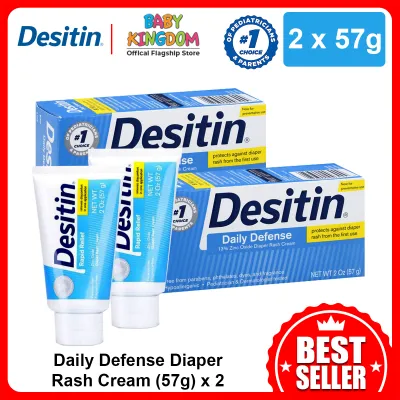
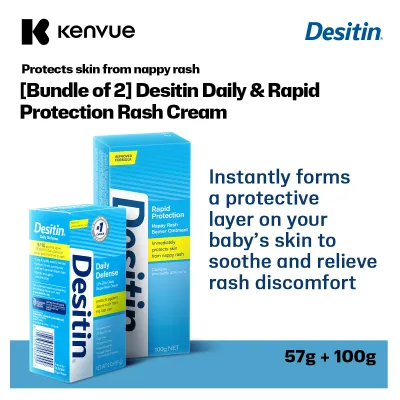
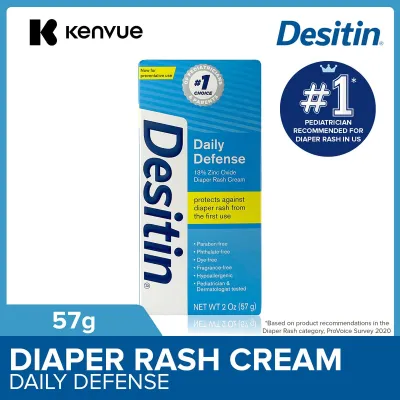
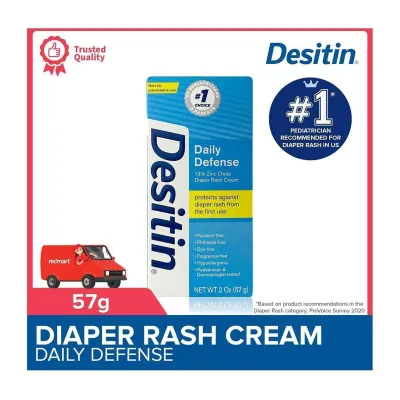
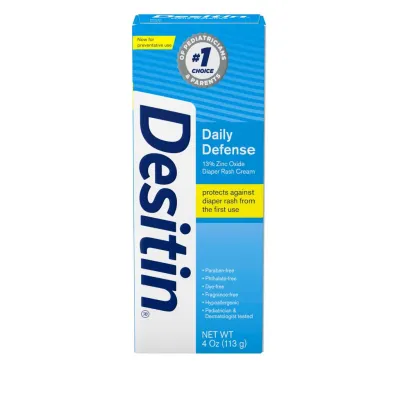
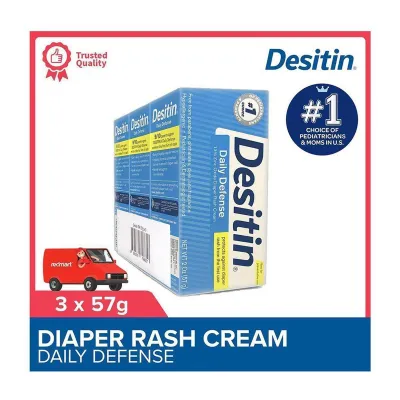
![[Bundle of 3] Desitin Daily Defense Diaper Rash Protection Cream Instantly Soothe Diaper Rash Discomfort 57g](https://img.lazcdn.com/g/p/b74ae21f7b47f8ec6b2c02dbfd829fc2.jpg_400x400q80.jpg_.webp)
![[Bundle of 2] Desitin Daily Defense Diaper Rash Protection Cream Instantly Soothe Diaper Rash Discomfort 57g x2](https://img.lazcdn.com/g/p/bda35a350e29296ecb1edaef3de86c00.jpg_400x400q80.jpg_.webp)
Prices are valid at publication and may change. Please refer to the product page for the latest price.
When a rash becomes moderate to severe, the skin will appear bright red, slightly raised, or warm to the touch. In more intense cases, you may notice raw spots, peeling, or weeping skin, which are highly sensitive and painful for your baby. These conditions require a thick, high-concentration physical barrier that will not wash away easily with the next wet diaper. This heavy layer physically blocks acidic stool and enzymes from making contact with the compromised skin, giving the underlying tissue a chance to heal without further irritation.
While home care is highly effective for standard diaper chafing, caregivers must remain vigilant for signs that require professional medical attention. If you observe spreading bright red dots, fluid-filled blisters, peeling skin, or if the rash is accompanied by a fever, you should stop using over-the-counter creams and consult a pediatrician immediately. These symptoms often point to a secondary bacterial or fungal infection, such as a yeast infection, which thrives in warm, humid diaper environments and requires targeted prescription treatment rather than a standard barrier paste.
Key Ingredients to Check on Product Labels
When comparing Desitin with other diaper rash creams, the ingredient list is your most reliable guide. The primary active ingredient in most traditional diaper rash treatments is zinc oxide, a naturally occurring mineral that provides a highly effective, water-resistant physical barrier. Zinc oxide does not dissolve in water, meaning it stays on top of the skin to repel moisture even when the diaper is saturated. When evaluating products, check the percentage of zinc oxide listed on the packaging; daily preventative creams typically contain between 10% and 13% zinc oxide, whereas maximum-strength treatment pastes, including Desitin’s maximum strength formulation, often contain up to 40% zinc oxide for heavy-duty protection.

Beyond zinc oxide, the base ingredients of the cream determine how it feels on the skin and how effectively it locks in moisture. Many traditional formulations rely on petroleum-based ingredients, such as petrolatum or mineral oil, which create a highly occlusive, waterproof seal over the skin. Alternatively, many modern diaper creams utilize natural plant oils, shea butter, or beeswax to form a breathable barrier. While natural alternatives are often favored by parents looking for plant-based skincare, they may require more frequent application during periods of heavy wetting compared to their petroleum-based counterparts.
It is equally important to identify and avoid potential skin irritants by carefully reading the inactive ingredients list. Added synthetic fragrances, parabens, and certain preservatives can trigger allergic reactions or worsen existing inflammation, particularly on babies with sensitive skin or eczema. Lanolin is another common ingredient used for its deeply moisturizing properties, but some infants may have a sensitivity to it. If your baby has highly reactive skin, look for fragrance-free, hypoallergenic labels and cross-reference the ingredient list to ensure minimal additives are present.
Comparing Formulations: Pastes, Ointments, and Creams
Diaper care products generally fall into three physical categories: pastes, ointments, and creams, each offering distinct advantages and trade-offs in terms of application, protection, and cleanup. Pastes are thick, heavy formulations with a high concentration of solid particles, usually zinc oxide, suspended in an oil or petroleum base. Because of their density, pastes excel at staying in place for extended periods, making them the preferred choice for overnight use or during long car rides where immediate diaper changes might not be possible.
Ointments are smooth, translucent, and primarily oil-based, often resembling petroleum jelly in texture. They are highly effective at trapping the skin’s natural moisture and preventing friction, making them excellent for daily preventative care and easy to spread over large areas. However, because they lack a high concentration of solid powders like zinc oxide, they do not provide the same level of heavy-duty shielding against highly acidic diarrhetic stools as a thick paste does.
Lightweight creams are water-in-oil or oil-in-water emulsions that absorb more readily into the skin than pastes or ointments. They are incredibly easy to apply and wipe away cleanly during diaper changes, which minimizes friction on already tender skin. The trade-off is that lightweight creams wash away much faster when exposed to urine, meaning they require more frequent reapplication throughout the day to maintain a consistent protective layer. Understanding these physical differences allows you to choose a product texture that matches your daily caregiving routine and your baby’s current skin tolerance.
Practical Selection Framework: When to Choose Which
To simplify your decision-making process, you can use a condition-based framework to determine whether to reach for Desitin or a lighter alternative brand. If your baby is currently experiencing an active, angry red rash, or if you are preparing them for a long night of sleep, a high-zinc paste like Desitin Maximum Strength is highly appropriate. The thick, durable layer ensures that even if your baby wets heavily overnight, their skin remains insulated from moisture and friction until morning. This formulation is also ideal during teething or dietary transitions, when stool consistency changes and becomes more irritating to the skin.
Conversely, you should opt for lightweight alternative creams or ointments if your primary goal is daily maintenance and prevention. If your baby’s skin is currently healthy and clear, applying a heavy 40% zinc oxide paste at every diaper change is generally unnecessary and can make cleanup more difficult than it needs to be. A lighter, daily defense cream or a simple petroleum-based ointment will keep friction at bay, wipe off effortlessly with a gentle cloth, and keep the skin-cleansing routine quick and comfortable for both you and your baby.
Before committing to any product, always verify if your baby has specific skin conditions such as eczema or known contact allergies. If your baby has a history of highly sensitive skin, starting with a small patch test on their arm or leg is a prudent step before applying a new cream to the diaper area. Additionally, remember that if a rash does not show signs of improvement after a few days of consistent application, the issue may not be the brand of cream you are using, but rather an underlying issue that requires professional medical evaluation and a targeted prescription treatment.
Safe Application and Monitoring Guidelines
Applying diaper cream effectively involves more than just spreading it over the skin; proper preparation and technique are crucial to achieving the best results. Before applying any product, ensure the diaper area is thoroughly cleaned and completely dry. In Singapore’s humid climate, trapping residual moisture under a thick, waterproof barrier cream can create a warm pocket that encourages fungal growth, potentially worsening the rash. Gently pat the skin dry with a clean, soft towel or allow it to air-dry completely for a few moments before proceeding.
When applying the cream, aim to create a visible, even layer over the entire diaper area, paying close attention to the skin folds and creases where moisture tends to collect. For active rashes, apply the paste thickly, similar to frosting a cake, so that the diaper rubs against the cream rather than directly against your baby’s skin. Avoid rubbing the cream vigorously into the skin, as this friction can cause additional pain and irritation; instead, use gentle, sweeping motions to lay down the protective barrier.
Finally, establish a consistent monitoring routine to track your baby’s skin health. Check the diaper area at every change, and look for early signs of irritation so you can adjust your barrier cream usage accordingly. If you notice spreading redness, small red bumps outside the main diaper area, peeling, or if your baby shows signs of distress during diaper changes, stop using the current product and consult a healthcare professional. Keeping a close eye on these changes ensures you can adapt your care routine quickly and keep your baby comfortable.
Frequently Asked Questions (FAQ)
Can I use diaper rash cream preventatively every day?
Yes, you can use diaper rash cream preventatively every day, but it is important to choose the right formulation for daily maintenance. Daily defense creams and ointments with lower concentrations of zinc oxide or simple petroleum bases are designed to provide a light, protective barrier without building up heavily on the skin. Always check the product label to ensure it is formulated for daily use and free from unnecessary fragrances or harsh preservatives. Additionally, giving your baby brief periods of diaper-free time each day allows the skin to breathe naturally, which is one of the most effective ways to prevent moisture buildup and maintain healthy skin.
How long should I wait to see results from a diaper cream?
For mild redness and minor chafing, you should generally begin to see noticeable improvement within 24 to 48 hours of consistent application and regular diaper changes. If you are treating a more severe rash with a high-concentration zinc oxide paste, the skin should show signs of healing, such as reduced redness and swelling, within a few days. If the rash does not improve, worsens, or if you observe signs of infection like blisters, pus, or spreading red spots after 48 to 72 hours, stop using the product and consult a pediatrician for a professional evaluation.

Community discussion
Share your experience or ask a question. Comments are reviewed before publication.