
Finding the right diaper rash cream for your baby is not about searching for a single, universally perfect product. Instead, the ideal choice depends on your baby’s current skin condition, the severity of any active irritation, and your personal preferences regarding texture, ease of application, and cleanup.
In Singapore’s persistently hot and humid climate, managing the diaper area presents unique challenges. High humidity can trap moisture against a baby’s delicate skin, making it highly susceptible to chafing and diaper rash. Caregivers must balance the need for a robust moisture barrier with the practicalities of keeping the skin breathable and clean.
This guide provides a practical decision framework to help you compare Desitin with other popular diaper rash cream categories available in Singapore. By matching specific product formulations to your baby’s observable skin needs, you can confidently choose a barrier that protects their skin while fitting seamlessly into your daily care routine.
Products mentioned in this guide
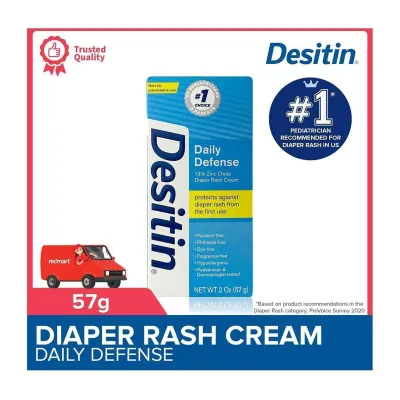
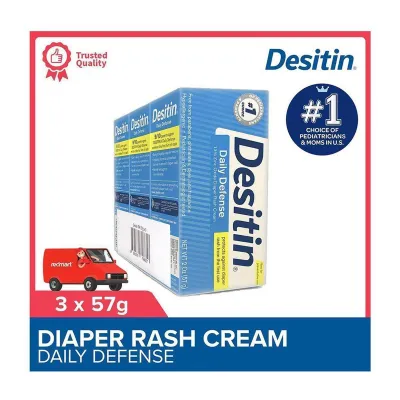
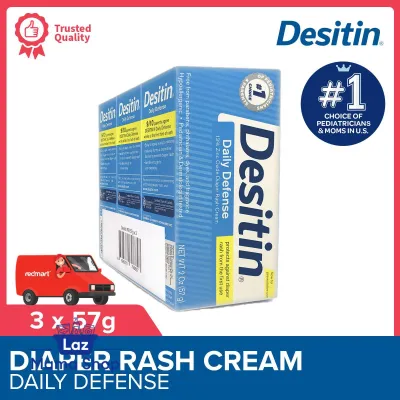
![[Bundle of 3] Desitin Daily Defense Diaper Rash Protection Cream Instantly Soothe Diaper Rash Discomfort 57g](https://img.lazcdn.com/g/p/b74ae21f7b47f8ec6b2c02dbfd829fc2.jpg_400x400q80.jpg_.webp)
Prices are valid at publication and may change. Please refer to the product page for the latest price.
Understanding Diaper Cream Ingredients and Barrier Types
Diaper dermatitis is primarily caused by prolonged contact with wetness, friction, and the enzymes present in urine and stool. A barrier cream’s primary job is to block these irritants from touching the skin.
Zinc oxide is a mineral that does not dissolve in water. When applied to the skin, it forms a physical shield that reflects moisture away. The concentration of zinc oxide determines how dense this shield is. High-concentration formulas (around 40%) are thick and pasty, designed to stay on the skin even when subjected to heavy wetness. Lower concentrations (10% to 13%) are formulated to be more spreadable, making them ideal for daily protection where a heavy, occlusive layer is not required.
Petroleum-based barriers, such as petrolatum, work differently. Instead of forming a chalky physical block, they create a slick, water-resistant film over the skin. This film seals in the skin’s natural moisture while preventing external fluids from penetrating. Petrolatum is often favored for its smooth application, but it can feel greasy and may not provide the same level of soothing relief as zinc oxide when the skin is already inflamed.
Natural and plant-based ingredients, including lanolin, shea butter, and coconut oil, are frequently added to diaper creams to nourish and soften the skin. Lanolin is highly effective at locking in moisture, but because it is derived from sheep’s wool, some babies with extremely sensitive skin or eczema may experience sensitivity to it. Caregivers should always review the full ingredient list on the product label to identify potential allergens, especially when applying creams to broken or highly irritated skin.
Navigating the Desitin Product Line: Which Version Fits Your Needs?
The Desitin product line is a staple in many households, offering different formulations tailored to distinct stages of skin irritation. Understanding the differences between these versions is key to selecting the right one for your baby’s current needs.

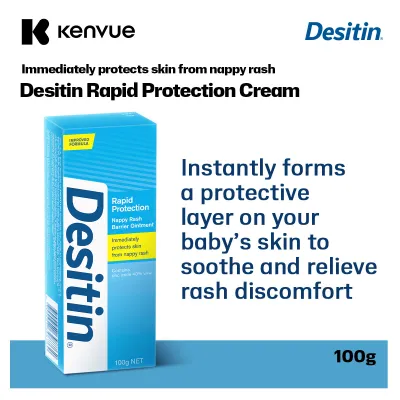
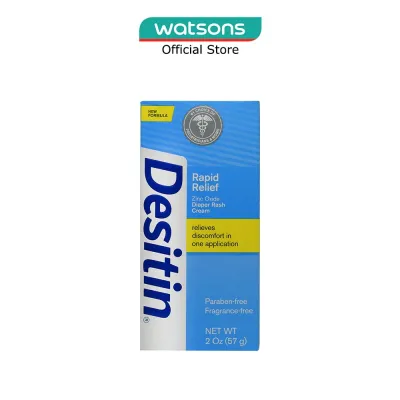
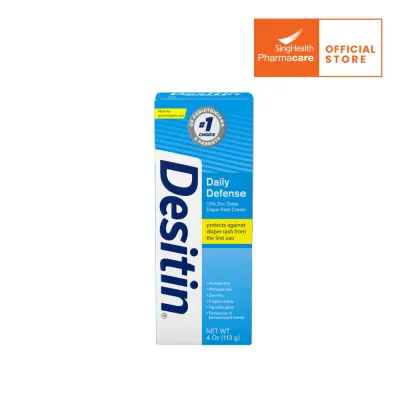
The daily defense lotion or rapid relief cream typically contains a lower concentration of zinc oxide, usually around 13%. This formulation is designed for everyday use to prevent diaper rash before it starts. Its lighter texture makes it easy to apply evenly across the diaper area during routine changes. Because it is less dense, it wipes away easily with a standard baby wipe, minimizing the friction required to clean the skin. This makes it highly convenient for daytime use when diaper changes are frequent.
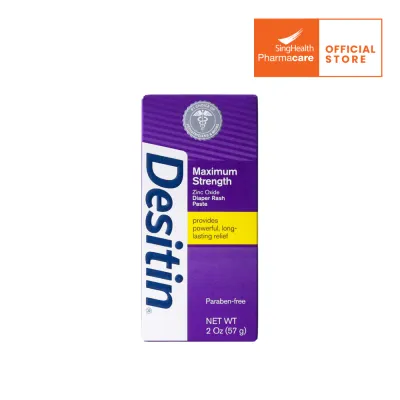
In contrast, the maximum strength paste contains a much higher concentration of zinc oxide, typically around 40%. This thick, heavy paste is formulated to treat active, moderate-to-severe diaper rash. It creates a robust, long-lasting barrier that remains intact even overnight or during extended periods between diaper changes. However, the trade-off for this high level of protection is that the paste is significantly harder to clean off. Caregivers must be gentle during diaper changes, as scrubbing to remove the leftover paste can further irritate already compromised skin.
When navigating these options, it is essential to read the specific product label for age recommendations, application instructions, and manufacturer warnings. Some formulations may contain added fragrances or preservatives that are not suitable for newborns or babies with specific skin conditions. Always verify the manufacturer’s guidelines to ensure the product matches your baby’s developmental stage and skin tolerance.
Desitin vs. Other Diaper Cream Categories: A Scenario-Based Comparison
When comparing Desitin to other diaper cream categories available in Singapore, caregivers must consider how different formulations perform under specific scenarios. The local climate plays a significant role in this decision, as high humidity and heat can influence how heavy creams feel on a baby’s skin.
For everyday prevention, lightweight, water-based barrier lotions or liquid barrier creams can be highly effective. These products dry quickly and leave a breathable, non-greasy layer that is comfortable for babies during hot afternoons. They help prevent chafing without trapping excessive heat or sweat in the diaper area. However, if an active rash develops, these lightweight formulas may not offer sufficient protection against the acidic enzymes in urine and stool. In such cases, transitioning to a zinc oxide-heavy paste like Desitin is usually necessary to provide a physical shield.
Another key comparison is between traditional mineral-based barriers and plant-based or organic alternatives. Mineral-based creams, which rely on zinc oxide and petrolatum, are highly stable and inert. They are less likely to support bacterial growth and rarely cause allergic reactions, making them a reliable choice for severe irritation. On the other hand, plant-based creams often utilize ingredients like calendula, chamomile, and beeswax. These alternatives appeal to caregivers seeking ingredient transparency and biodegradable options. While they can be highly soothing, plant-based ingredients carry a slightly higher risk of triggering skin sensitivities, making a patch test essential before widespread use.
| Scenario | Recommended Barrier Type | Key Verification Step |
|---|---|---|
| Active, moderate-to-severe redness | High-concentration zinc oxide paste (e.g., Desitin Maximum Strength) | Verify that the formula is fragrance-free to avoid irritating broken skin. |
| Daily prevention in humid weather | Lightweight barrier cream or daily defense lotion | Check that the cream wipes away easily without requiring aggressive scrubbing. |
| Extremely sensitive or eczema-prone skin | Minimalist mineral barriers or certified hypoallergenic plant-based creams | Conduct a patch test on a small patch of healthy skin before full application. |
Building Your Selection Checklist and Safety Boundaries
To make an informed purchasing decision and ensure safe application, caregivers should establish a clear selection checklist and understand the safety boundaries of home care.
First, monitor observable signals to determine if a diaper cream is working. A suitable formulation should lead to a visible reduction in redness and skin irritation within 24 to 48 hours of consistent application. If the skin’s appearance does not improve, or if the redness spreads, it may indicate that the current barrier thickness is insufficient or that the baby’s skin is reacting to an ingredient in the cream.
Second, when purchasing diaper creams from physical retail stores or online marketplaces in Singapore, always perform a quality check. Verify the product’s batch code, expiration date, and the integrity of the packaging seals. Avoid buying products with damaged containers or those that lack clear English ingredient listings, as these can pose safety risks.
Finally, establish clear stopping conditions. While diaper creams are highly effective for mild to moderate irritation, certain symptoms require immediate professional medical attention. Discontinue use and consult a pediatrician or qualified healthcare professional if you observe signs of infection, such as pus, yellow crusting, blistering, or if the skin feels unusually warm to the touch. You should also seek medical advice if the baby develops a fever, or if a mild diaper rash does not show any improvement after three days of consistent care and frequent diaper changes.
Frequently Asked Questions (FAQ)
Can I use zinc oxide creams like Desitin with cloth diapers?
Thick zinc oxide pastes and petroleum-based creams are generally not recommended for direct use with cloth diapers. These heavy barrier ingredients can coat the fabric fibers, creating a water-resistant buildup that severely reduces the diaper’s absorbency and causes it to repel moisture. To protect both your baby’s skin and your cloth diapering system, always check the diaper manufacturer’s care instructions. If you must use a thick barrier cream, consider using a disposable diaper liner to prevent the paste from coming into direct contact with the cloth fabric.
How often should I apply diaper rash cream during a diaper change?
The frequency and thickness of application depend on whether you are preventing a rash or treating an active one. For daily prevention, apply a thin, translucent layer of a lightweight barrier cream during routine diaper changes, especially before bedtime or long periods between changes. If you are treating an active rash, apply a thick, even layer of a high-concentration zinc oxide paste—often compared to frosting a cake—to ensure the skin is completely shielded from moisture. Always follow the specific product directions on the label and adjust based on your baby’s skin response.
What should I do if the diaper rash does not improve after a few days?
If a diaper rash persists despite consistent application of barrier creams and frequent diaper changes, it is important to reassess the treatment. Stop using the over-the-counter cream and consult a pediatrician or healthcare professional if you notice warning signs such as spreading redness, open sores, bleeding, or if the baby seems to be in significant pain. Persistent rashes can sometimes be caused by yeast infections or other underlying skin conditions that require specific prescription treatments rather than standard barrier creams.

Community discussion
Share your experience or ask a question. Comments are reviewed before publication.