
Choosing between Desitin Purple and Regular Desitin depends on whether you are looking to prevent daily diaper irritation or treat an active, persistent rash. The primary difference lies in the concentration of the active ingredient, zinc oxide, and the resulting thickness of the protective barrier. While the regular formulation is designed for daily prevention and mild redness, the purple packaging indicates a maximum-strength formula meant to address moderate to severe irritation. Caregivers should always inspect the product labels to verify the exact active ingredient concentrations and inactive components to ensure suitability for their baby’s skin.
In warm, humid climates, managing diaper moisture is a constant challenge for parents. High humidity levels can trap sweat and urine against a baby’s delicate skin, accelerating the breakdown of the natural skin barrier. Understanding how to deploy these two distinct formulations effectively can help you maintain your baby’s skin health, prevent painful flare-ups, and ensure you are using the right product at the right time.
Understanding the Core Differences
To make an informed choice, caregivers must first look at the product labels to verify the active ingredient concentrations. Both formulations rely on zinc oxide, a mineral that forms a physical barrier on the skin to block moisture, enzymes, and acids found in waste. However, the concentration of zinc oxide varies significantly between the two. The regular version, often labeled as Daily Defense or Rapid Relief, typically contains a lower percentage of zinc oxide, making it lighter and easier to spread. The purple version, labeled as Maximum Strength, contains a much higher concentration, resulting in a dense, heavy paste designed for maximum skin protection.
Products mentioned in this guide
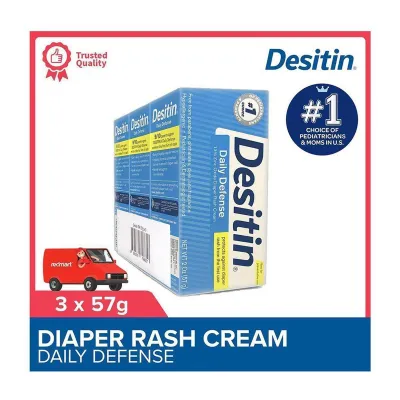
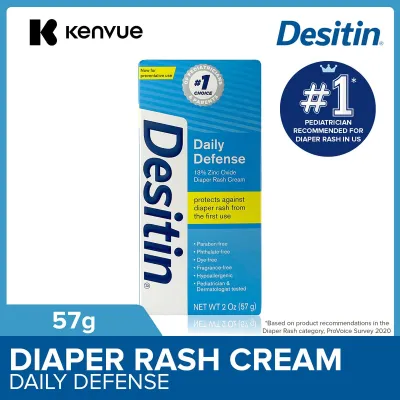
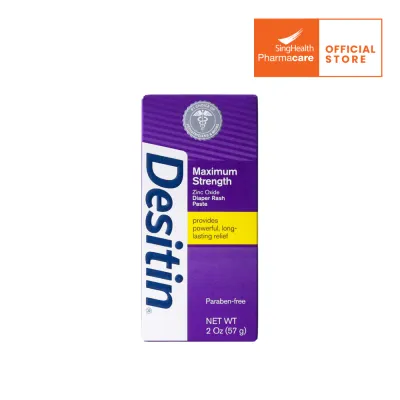
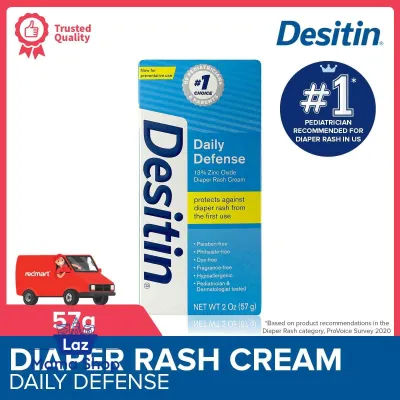
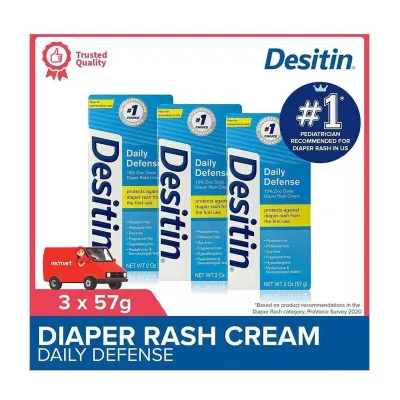
![[Bundle of 3] Desitin Daily Defense Diaper Rash Protection Cream Instantly Soothe Diaper Rash Discomfort 57g](https://img.lazcdn.com/g/p/b74ae21f7b47f8ec6b2c02dbfd829fc2.jpg_400x400q80.jpg_.webp)
Prices are valid at publication and may change. Please refer to the product page for the latest price.
Texture and spreadability are direct results of these formulation differences. Regular Desitin has a smooth, creamy consistency that glides easily over sensitive skin without requiring heavy pressure to apply or remove. This makes it highly convenient for quick application during routine diaper changes. In contrast, Desitin Purple is a thick, tacky paste that adheres firmly to the skin. It does not wash away easily with water or rub off quickly onto the diaper, which is essential when a robust, long-lasting barrier is required to protect raw, inflamed skin.
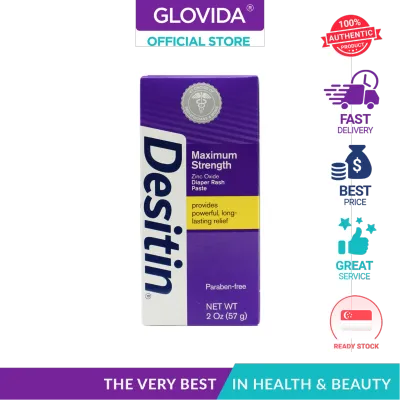
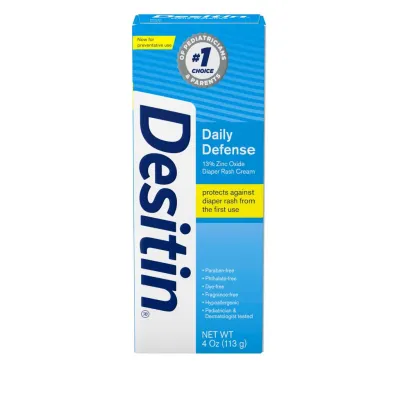
Visual identification on store shelves or online marketplaces is straightforward. The regular formulation is typically packaged in a tube or tub with prominent blue and yellow accents, often highlighting terms like “daily defense” or “rapid relief.” The maximum-strength version is easily recognizable by its distinct purple packaging and “maximum strength” labeling. When purchasing these products, especially from online marketplaces in Singapore where packaging designs may vary slightly by region of import, always cross-reference the active ingredient list on the back of the packaging to confirm you are getting the intended strength.
When to Use Regular Desitin for Daily Care
Regular Desitin is formulated primarily as a preventative measure and a treatment for very mild skin irritation. In a typical daily routine, a baby’s skin is exposed to constant friction from diapers and intermittent contact with moisture. Applying a thin layer of the regular cream during routine diaper changes helps maintain the skin’s natural moisture barrier and prevents the initial chafing that can lead to more severe rashes. This is particularly useful during periods when your baby is diapered for standard intervals during the day.

Early signs of diaper rash often present as slight pinkness, mild dryness, or small areas of friction-induced redness along the leg cuffs or waistband. When you observe these initial changes, the standard barrier provided by Regular Desitin is usually sufficient. Its smooth texture allows you to apply it gently over the pink areas without causing further discomfort from friction during application. Because it is easier to wipe away during subsequent diaper changes, it minimizes the need for vigorous cleaning, which can further irritate delicate skin.
However, caregivers must monitor the skin closely to determine if the regular formulation is no longer meeting the baby’s needs. If the redness spreads, deepens in color, or if your baby shows signs of discomfort during diaper changes despite consistent application of the regular cream, it is time to reassess. Continuing to use a lower-strength preventative cream on a worsening rash may delay healing. In such cases, stepping up to a stronger formulation or seeking professional medical advice is recommended to prevent the irritation from developing into a more severe skin condition.
When to Step Up to Desitin Purple (Maximum Strength)
Desitin Purple is designed for active treatment rather than daily prevention. You should transition to this maximum-strength paste when you observe visual signs of moderate to severe diaper rash. These signs include intense, bright red patches, raised bumps, swollen skin, or areas where the skin appears raw and highly sensitive to the touch. When the skin barrier is compromised to this extent, a standard cream may wash away too quickly, leaving the raw skin exposed to the irritating effects of urine and stool.
The thick, high-concentration paste of the purple variant is particularly beneficial for extended periods of exposure, such as overnight sleep. During the night, babies wear diapers for longer stretches without changes, increasing the risk of moisture accumulation. This risk is amplified in humid environments where ambient moisture levels are high. Applying a generous layer of Desitin Purple before bedtime creates a durable shield that remains intact throughout the night, protecting the skin from prolonged contact with wetness and allowing the underlying tissue to begin healing.
While Desitin Purple is highly effective for treating stubborn rashes, it is important to follow the manufacturer’s recommended application guidelines. Because of its high zinc oxide content and thick consistency, it is not intended for indefinite daily use once the rash has fully resolved. Once the skin returns to its normal, healthy state, you should transition back to a lighter preventative cream or suspend use altogether, reserving the maximum-strength paste for future flare-ups. This targeted approach ensures your baby’s skin receives the appropriate level of protection without unnecessary product buildup.
Side-by-Side Comparison Checklist
To help you quickly determine which product matches your baby’s current skin needs, refer to the decision matrix below. Always verify the specific details on the product packaging before application.
| Feature | Regular Desitin (Daily Care) | Desitin Purple (Maximum Strength) |
|---|---|---|
| Active Ingredient | Zinc Oxide (Verify concentration on label) | Zinc Oxide (Verify higher concentration on label) |
| Ideal Rash Severity | None (Prevention) to Mild Redness | Moderate to Severe, Stubborn Rash |
| Texture & Spreadability | Smooth, creamy, easy to apply and wipe off | Thick, dense paste, highly adhesive |
| Primary Use Case | Daily moisture barrier and routine protection | Active treatment and overnight protection |
| Removal Difficulty | Low; cleans easily with standard baby wipes | Moderate to High; requires gentle oil or warm water |
Verify First Note: Before applying either product, check the inactive ingredients list on the packaging. Some formulations may contain lanolin, mineral oil, fragrances, or specific preservatives. If your baby has a known sensitivity or allergy to any of these components, consult a healthcare professional for alternative recommendations. Testing a small patch of skin with a tiny amount of product before widespread application can also help identify potential sensitivities.
Safe Application and When to See a Doctor
Regardless of which formulation you choose, proper application technique is critical to achieving the desired protective effect. The most important prerequisite is ensuring the skin is thoroughly clean and completely dry before applying any barrier cream. Applying cream over damp skin traps moisture underneath the barrier, which can worsen irritation and create an environment conducive to fungal growth. After gently cleaning the diaper area, pat the skin dry with a clean, soft towel or allow it to air-dry completely for a few minutes.
When applying the cream, the appropriate thickness depends on your goal. For daily prevention using the regular cream, a thin, even layer that covers the areas prone to chafing is sufficient. For active treatment using Desitin Purple, apply a thicker, more generous layer—often described as being similar to frosting a cake. This thick layer ensures that even if some of the paste rubs off onto the diaper, a continuous protective barrier remains on the skin. Avoid rubbing the paste aggressively into the skin; instead, gently pat it over the irritated areas to minimize friction.
While diaper rashes are common, certain symptoms indicate that home care is no longer sufficient and professional medical intervention is required. Stop using the product and consult a pediatrician or qualified healthcare professional immediately if you observe any of the following red flags:
- The skin is bleeding, blistering, peeling, or oozing pus.
- The rash is accompanied by a fever or extreme lethargy in your baby.
- The rash spreads beyond the diaper area to the abdomen, thighs, or back.
- The irritation does not show any signs of improvement after several days of consistent use with the maximum-strength formula.
- You suspect a yeast infection, which typically presents as bright red skin with distinct, small red spots (satellite lesions) surrounding the main rash area and does not respond to standard zinc oxide barriers.
Frequently Asked Questions (FAQ)
Can I use both Regular and Purple Desitin on the same day?
Yes, you can use both formulations on the same day, provided you use them systematically rather than layering them directly on top of one another. For example, some caregivers prefer to use the lighter, regular formulation during daytime diaper changes when changes are frequent and easy spreadability is desired. They then transition to the thicker, purple maximum-strength formulation for the final diaper change before bedtime to provide extended overnight protection. Always clean and dry the skin thoroughly between applications, and consult the manufacturer’s guidelines for specific instructions on combining or switching products.
Does Desitin Purple stain clothing more than the regular version?
Because Desitin Purple contains a higher concentration of zinc oxide and a thicker, oil-based carrier paste, it is more likely to leave noticeable white residues and stubborn stains on fabrics than the regular version. If the paste comes into contact with baby clothes, bedding, or your own apparel, it can be difficult to wash out with standard laundry cycles. To manage these stains, scrape off any excess paste from the fabric immediately. Pre-treat the affected area by rubbing in a small amount of dish soap or a specialized laundry stain remover, let it sit for a few minutes, and then wash the garment in the warmest water temperature recommended on the fabric care label.

Community discussion
Share your experience or ask a question. Comments are reviewed before publication.