
Choosing the right diaper rash cream for your baby depends entirely on the current state of their skin. While all Desitin variants are designed to protect delicate skin from moisture and friction, they are formulated with different concentrations of active ingredients to address distinct stages of irritation. Desitin Purple is a maximum-strength paste formulated to treat severe rashes and provide long-lasting protection overnight. Desitin Blue offers rapid relief for mild, early-stage redness with a smoother, easier-to-spread texture. Desitin Green is designed for daily preventative care, helping to maintain a healthy skin barrier during routine diaper changes. By matching the specific color-coded formulation to your baby’s immediate symptoms, you can effectively manage diaper discomfort, avoid over-treating healthy skin, and ensure your baby remains comfortable throughout the day and night. In warm, humid climates like Singapore, managing moisture in the diaper area is particularly crucial to prevent irritation from escalating.
Decoding the Formulations: What the Colors Actually Mean
To choose the most effective option, caregivers must look beyond the color of the packaging and understand the functional differences in the formulations. The primary active ingredient in these barrier creams is zinc oxide, a mineral that sits on top of the skin to block moisture, enzymes, and friction. The concentration of zinc oxide determines both the strength of the protective barrier and the physical texture of the cream. Caregivers should always check the product label to verify the exact active ingredient percentage, as this dictates how the product behaves on your baby’s skin.
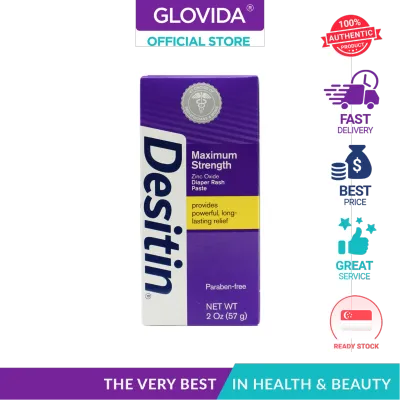
A higher concentration of zinc oxide, typically found in the purple packaging, creates a dense, thick paste. This heavy-duty barrier is highly durable and resistant to being washed away by wetness, making it ideal for prolonged exposure. However, this thickness comes with a trade-off: the paste is more difficult to spread evenly over sensitive skin and requires more effort to clean off during diaper changes.
Products mentioned in this guide
![[Bundle of 3] Desitin Daily Defense Diaper Rash Protection Cream Instantly Soothe Diaper Rash Discomfort 57g](https://img.lazcdn.com/g/p/b74ae21f7b47f8ec6b2c02dbfd829fc2.jpg_400x400q80.jpg_.webp)
Prices are valid at publication and may change. Please refer to the product page for the latest price.
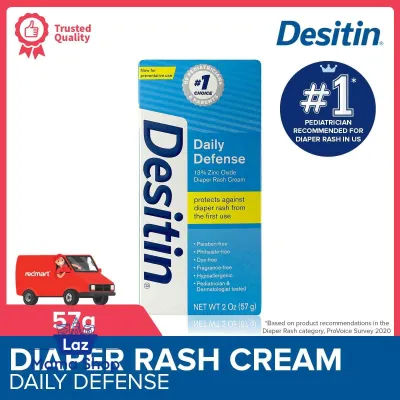
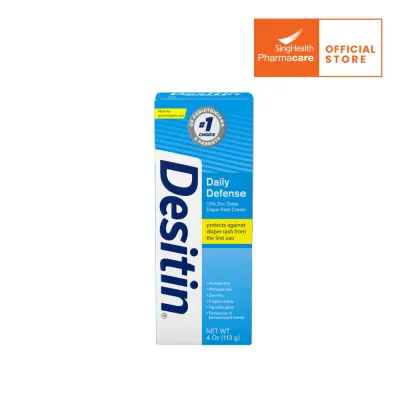
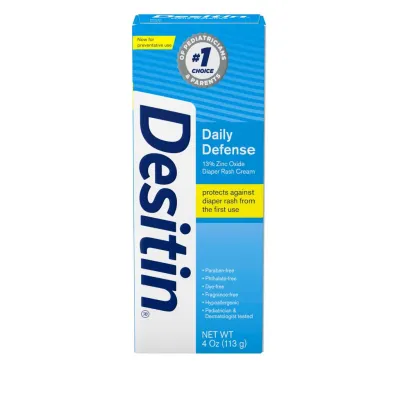
Conversely, lower concentrations of zinc oxide, which are common in the blue and green variants, result in a lighter, creamier texture. These formulations glide on smoothly with minimal friction, making them highly convenient for quick, frequent applications. While they are much easier to wipe away, they do not offer the same level of long-lasting, heavy-duty moisture resistance as the thicker paste. Understanding this balance between maximum barrier protection and everyday convenience is the first step in selecting the right product for your diapering routine.
Desitin Purple: Maximum Strength for Severe Rash and Nighttime
The purple variant is the heaviest formulation in the product line, specifically engineered for times when your baby’s skin barrier is compromised. It is best reserved for moderate to severe diaper rash, where the skin is visibly raw, bright red, or highly sensitive to touch. This maximum-strength paste is also a suitable choice for overnight use or during long car rides, when diaper changes are less frequent and the skin is subjected to prolonged moisture exposure.

Applying this thick paste requires a specific technique to maximize its protective qualities. Instead of rubbing the cream completely into the skin like a lotion, you should apply a thick, visible layer over the entire diaper area—similar to frosting a cake. This creates a physical shield that prevents wetness and acidic waste from making direct contact with the irritated skin, allowing the underlying tissue to heal undisturbed. Caregivers should ensure they cover all affected areas, especially in the skin folds where moisture tends to pool.
Because of its high zinc oxide content, removing the purple paste can be challenging and may cause further irritation if not done gently. Wiping aggressively at compromised skin will only worsen the rash. To safely clean the area, you can apply a small amount of a gentle, skin-safe oil, such as mineral oil or baby oil, to a soft cloth or wipe. The oil naturally breaks down the thick zinc oxide barrier, allowing you to wipe it away smoothly without friction. Always prioritize gentle patting over rubbing to protect the healing skin.
Desitin Blue and Green: Daily Defense and Rapid Relief
For routine care and mild irritation, the lighter blue and green formulations are more appropriate choices. Using a maximum-strength paste on healthy or slightly pink skin is generally unnecessary and can make daily diaper changes more tedious than they need to be. By utilizing these lighter options, you can maintain your baby’s skin health without the buildup of heavy pastes.
The green variant, often labeled for daily defense, is formulated for preventative care. It is designed to be used at every diaper change when the skin is completely healthy and clear. This cream acts as a lightweight, breathable barrier that seals out wetness before irritation can start. Because it is formulated for daily use, it spreads effortlessly and washes off easily, making it a highly practical addition to your standard diapering routine.
The blue variant, typically designated for rapid relief, is the go-to option at the first sign of mild redness or chafing. If your baby’s skin looks slightly pink or irritated but has not yet developed a deep, raw rash, the blue cream provides quick soothing action. It has a smoother, more fluid consistency than the purple paste, allowing you to apply it gently over tender areas without dragging or pulling the skin. It is also easily cleaned off with standard baby wipes or a damp, soft cloth, ensuring a quick and comfortable diaper change.
How to Choose: A Symptom-Based Decision Guide
Selecting the right diaper cream does not have to be a guessing game. By observing your baby’s skin during diaper changes, you can use a simple, symptom-based framework to decide which variant to apply. If the skin is clear and healthy, use the green variant to prevent future irritation. If you notice mild pinkness or early signs of chafing, switch to the blue variant for rapid soothing. If the skin is bright red, bumpy, raw, or if you are preparing your baby for a long stretch of sleep, opt for the purple variant to provide maximum protection.
To help you quickly compare the options, the table below outlines the key differences in use cases, textures, and label specifications:
| Variant | Best Use Case | Texture & Spreadability | Key Label Check |
|---|---|---|---|
| Desitin Green (Daily Defense) | Routine prevention on healthy, clear skin | Lightweight, very easy to spread and wipe away | Check for lower zinc oxide % and daily-use labeling |
| Desitin Blue (Rapid Relief) | Mild redness, early-stage irritation, and chafing | Smooth cream, easy to apply with minimal friction | Check for moderate zinc oxide % for quick soothing |
| Desitin Purple (Maximum Strength) | Severe rash, raw skin, and overnight protection | Very thick, dense paste; requires gentle oil for removal | Check for high zinc oxide % (typically 40%) |
Always remember the “verify first” rule when managing diaper rash at home. While these barrier creams are highly effective for standard moisture-induced irritation, they are not universal cures for all skin conditions. If your baby’s rash does not show signs of improvement after a few days of consistent, appropriate application, or if the redness spreads and worsens, you should stop using the product and reassess the situation with a healthcare professional.
Safe Application and When to Consult a Pediatrician
Proper application technique is just as important as choosing the right cream. Before applying any barrier product, you must ensure the baby’s skin is completely clean and fully dry. Applying cream over damp skin can trap moisture underneath the barrier, creating an ideal environment for bacteria or yeast to grow, which can severely worsen the rash. After cleaning the area with mild water or alcohol-free wipes, gently pat the skin dry with a clean towel or allow it to air-dry completely before spreading the cream.
While most common diaper rashes resolve with proper hygiene and over-the-counter barrier creams, certain symptoms indicate a more serious issue that requires professional medical attention. You should consult a pediatrician immediately if you observe any of the following red flags:
- Blisters, pus-filled bumps, or open, bleeding sores.
- A bright red rash with distinct, small red spots spreading outward (satellite lesions), which often indicates a fungal or yeast infection.
- A rash accompanied by a fever or if your baby seems unusually uncomfortable or in pain.
- Irritation that spreads beyond the diaper area to the abdomen, back, or limbs.
Additionally, always monitor your baby’s skin for potential allergic reactions to inactive ingredients, such as fragrances, lanolin, or preservatives, which may be present in some formulations. If you notice that the skin becomes more inflamed, swollen, or hives develop immediately after applying a specific cream, discontinue use immediately, wash the area gently with plain water, and seek medical advice.
Frequently Asked Questions (FAQ)
Can I layer different Desitin variants or mix them together?
It is not recommended to layer or mix different Desitin variants together. Each formulation is carefully balanced by the manufacturer to achieve a specific texture, spreadability, and active ingredient concentration. Mixing them can alter these properties, potentially reducing the efficacy of the barrier or making the cream more difficult to apply and remove. Instead of combining products, evaluate your baby’s skin condition at each diaper change and select the single variant that best matches their current symptoms.
How do I safely remove thick purple diaper cream without rubbing the skin?
To remove thick maximum-strength diaper cream without irritating your baby’s skin, avoid scrubbing or rubbing with dry wipes. Instead, apply a generous amount of a gentle, skin-safe oil, such as baby oil or mineral oil, directly onto a soft cloth or a premium baby wipe. Gently pat the oiled wipe over the cream; the oil will naturally dissolve the thick zinc oxide paste, allowing it to slide off easily. Once the bulk of the paste is removed, gently clean the skin with warm water and pat dry.

Community discussion
Share your experience or ask a question. Comments are reviewed before publication.