
Quick Answer: Which Desitin Variant is Right for Your Baby?
Choosing between Desitin Maximum Strength and Desitin Regular (often labeled as Rapid Relief) depends entirely on the current state of your baby’s skin and the specific diapering scenario. Diaper rash, or diaper dermatitis, occurs when sensitive skin is exposed to prolonged wetness, friction, and the enzymes present in urine and stool. In warm, tropical climates like Singapore, high humidity can accelerate skin breakdown by trapping moisture inside the diaper, making a reliable barrier cream an essential part of daily baby care.
To make an immediate decision, you can guide your choice using these general principles:
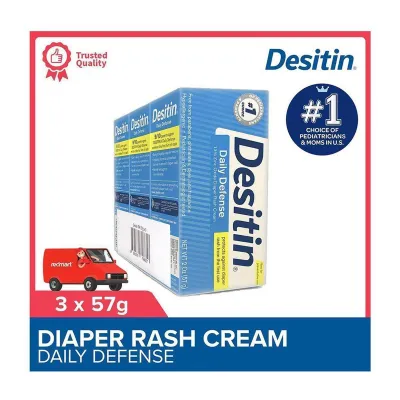
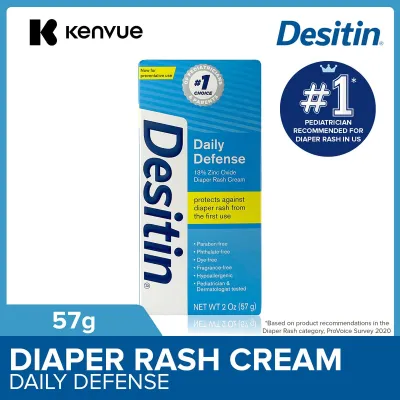
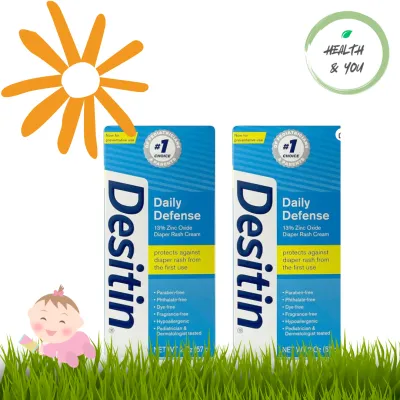
- Desitin Regular (Rapid Relief): This formula is designed for daily prevention and the management of mild, early-stage redness. It has a smoother, lighter texture that is easy to apply and wipe away during routine daytime diaper changes.
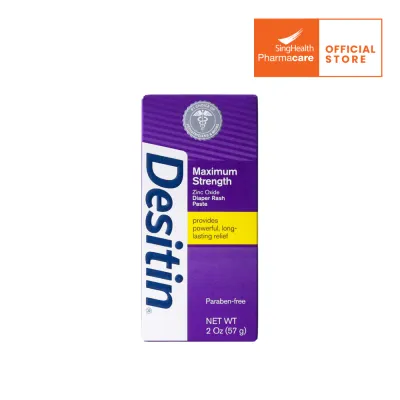
- Desitin Maximum Strength: Formulated with a significantly higher concentration of zinc oxide, this variant is designed to treat moderate to severe, stubborn diaper rashes. It creates a thick, heavy-duty physical barrier that resists breakdown, making it ideal for overnight use or during periods of prolonged wetness.
Before applying either product, always check the specific product packaging to verify the active ingredient concentrations, age appropriateness, and any manufacturer-specific warnings. If your baby’s skin is broken, bleeding, or shows signs of infection, bypass standard barrier creams and consult a healthcare professional immediately.
Products mentioned in this guide
![[mobileaid] Desitin Daily Defense Diaper Rash Cream 57g [LOCAL SG DELIVERY]](https://img.lazcdn.com/g/p/51a3720f741f8fa219143590d401401d.jpg_400x400q80.jpg_.webp)
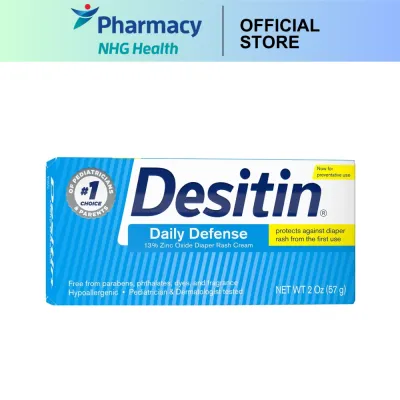
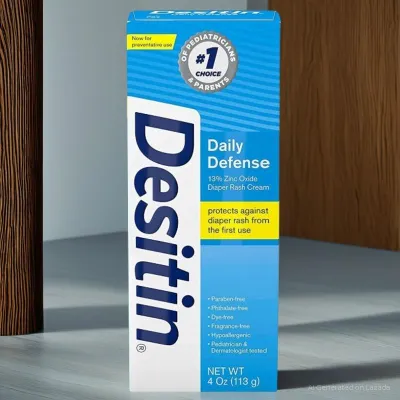

Prices are valid at publication and may change. Please refer to the product page for the latest price.
The Core Difference: Zinc Oxide Concentration and Texture
To understand why these two formulas perform differently, it is helpful to look at the role of zinc oxide. Zinc oxide is a mineral that does not absorb into the skin; instead, it sits on top of the stratum corneum (the outermost layer of the skin) to form a physical, impermeable shield. This shield prevents moisture, digestive enzymes, and friction from irritating the compromised skin underneath.

The primary differentiator between the two formulations is the concentration of this active ingredient:
- Regular Formula: Typically contains a lower concentration of zinc oxide, often around 10% to 13% (caregivers should verify the exact percentage on the tube's active ingredients list). This lower concentration allows the cream to remain pliable, lightweight, and easy to spread over large areas of skin without causing friction during application.
- Maximum Strength Formula: Contains a much higher concentration of zinc oxide, typically up to 40% (always verify this on the packaging). This high concentration alters the physical properties of the cream, turning it into a dense, paste-like barrier. This thick consistency ensures that the cream clings to the skin even when subjected to heavy friction or multiple episodes of wetness.
The difference in texture directly impacts how you use and clean each product. The Regular cream is highly emollient, gliding onto the skin with minimal pressure, which is ideal when you want to apply a quick preventative layer to a squirming baby. Conversely, the Maximum Strength paste is viscous and tacky. While it provides a highly durable shield, it requires more deliberate effort to spread evenly and is noticeably more difficult to wipe off.
Neither formula is inherently superior to the other. Instead, they represent a trade-off between ease of use and the level of physical protection required. Using the Maximum Strength paste when the skin is perfectly healthy may make diaper changes unnecessarily messy, while using the Regular cream on a raw, severe rash may not provide a thick enough barrier to allow the skin to heal.
Desitin Regular vs Maximum Strength: Feature Comparison
When deciding which tube to reach for, comparing their physical properties and performance characteristics can help you match the product to your immediate diapering needs. The table below outlines how these two formulations compare across key practical dimensions.
| Dimension | Desitin Regular (Rapid Relief) | Desitin Maximum Strength |
|---|---|---|
| Primary Indication | Daily prevention, minor redness, and routine skin maintenance | Moderate to severe diaper rash, raw skin, and overnight protection |
| Texture & Spreadability | Smooth, lightweight cream; glides on easily with minimal friction | Thick, heavy paste; requires gentle but deliberate spreading |
| Ease of Cleanup | Wipes away easily with a standard baby wipe or soft cloth | Highly resistant to wiping; may require baby oil for complete removal |
| Barrier Durability | Standard protection; wears off gradually during normal diaper intervals | Long-lasting, heavy-duty shield; resists breakdown from prolonged wetness |
| Ideal Usage Window | Daytime diaper changes, frequent changes, and active playtimes | Overnight sleep, long car rides, or during episodes of diarrhea |
| Zinc Oxide Level | Lower concentration (verify exact percentage on the product label) | High concentration (verify exact percentage on the product label) |
Because every baby’s skin sensitivity is unique, these characteristics should be treated as general performance guidelines. Always read the specific product label for exact manufacturer claims, usage instructions, and safety warnings.
Choosing the right variant is not about finding a single “winner” for your diaper bag. Many parents find it practical to keep both on hand: the Regular formula for routine daytime maintenance and the Maximum Strength paste for nighttime protection or sudden flare-ups.
Decision Framework: Matching the Cream to the Rash Severity
To help you choose the correct formulation during a diaper change, you can evaluate your baby’s skin condition against this practical decision framework. Evaluating the severity of the irritation ensures you provide enough protection without causing unnecessary friction during cleanup.
Choose Desitin Regular if:
- The skin is healthy or shows mild pinkness: If you notice very light, faint pink patches that do not seem to cause the baby discomfort, the Regular formula provides a sufficient barrier to prevent the irritation from worsening.
- You are applying it preventatively: During routine daytime changes when you know you will be changing the diaper frequently, a thin layer of the Regular cream keeps the skin protected from moisture while remaining easy to clean.
- You want a quick, low-friction application: If your baby is highly active or sensitive to touch, the smooth texture of the Regular formula allows you to apply it rapidly with minimal rubbing.
Choose Desitin Maximum Strength if:
- The skin is bright red, angry, or raw: When the skin barrier is visibly compromised, the high-concentration zinc oxide in the maximum strength variant is necessary to seal out external irritants completely.
- The baby is sleeping through the night: During long nighttime sleep intervals, a baby's skin is exposed to wetness for hours. Applying a thick layer of the Maximum Strength paste before bed helps shield the skin until morning.
- The baby has loose stools: Frequent, acidic diarrhea can break down the skin incredibly fast. The dense paste of the Maximum Strength formula resists washing away, protecting the skin from digestive enzymes.
- Standard creams have failed to provide relief: If you have been using a lighter cream for 24 to 48 hours and the redness has not improved, upgrading to a thicker barrier can provide the extra protection needed for recovery.
Neither may fit / Verify first if:
- The skin is broken, bleeding, or peeling: If you observe open sores, cracked skin, or bleeding, stop using over-the-counter barrier creams and consult your pediatrician immediately. Applying thick pastes over open wounds can trap bacteria and hinder proper evaluation.
- There are blisters, pimples, or pus-filled bumps: These symptoms often indicate a bacterial or fungal (yeast) infection rather than standard friction-based diaper rash. Yeast thrives in warm, moist diaper environments and requires specific antifungal treatment, which zinc oxide creams cannot resolve.
- The rash spreads beyond the diaper area: If the redness extends to the abdomen, back, or limbs, or is accompanied by a fever, seek professional medical advice to rule out other dermatological or systemic conditions.
When dealing with any level of diaper rash, always handle the baby’s skin with extreme care. Avoid scrubbing or rubbing the skin roughly, especially when trying to remove the thick Maximum Strength paste, as mechanical friction can worsen skin damage.
Safe Application, Storage, and When to Consult a Pediatrician
Proper application technique is just as important as choosing the right cream. Even the highest quality barrier cream can trap moisture if applied incorrectly, which can exacerbate skin irritation.
Preparation
Before applying any zinc oxide cream, the baby’s skin must be completely clean and, most importantly, entirely dry. Applying cream over damp skin seals that moisture directly against the skin barrier, which can lead to maceration and worsen the rash.
After gently cleaning the diaper area with warm water or alcohol-free wipes, pat the skin dry with a clean, soft towel. In humid environments, letting your baby have a few minutes of “diaper-free time” to air-dry naturally is highly effective before applying any topical products.
Application Technique
When applying the cream, use a gentle, patting motion rather than rubbing it into the skin.
- For Desitin Regular, apply a moderate, even layer over the areas prone to redness.
- For Desitin Maximum Strength, apply a thick, generous layer—similar to frosting a cake—directly over the irritated areas. You want to create a visible physical barrier so that urine and stool cannot make contact with the skin.
During subsequent diaper changes, do not feel compelled to scrub off every trace of clean, unsoiled paste. Scrubbing raw skin causes significant pain and mechanical damage. Instead, gently wipe away only the soiled top layer and any waste matter, leaving the clean base layer of paste intact, and apply a fresh layer on top. If you need to clean the skin completely, apply a small amount of baby-safe mineral oil or coconut oil to a soft cotton pad to gently dissolve and lift the zinc oxide paste without friction.
Hygiene & Storage
Always wash your hands thoroughly with soap and water both before and after applying diaper cream to prevent introducing new bacteria to the diaper area. Ensure the tube’s cap is tightly closed after each use to prevent the cream from drying out or becoming contaminated.
Store the product according to the manufacturer’s label instructions, typically in a cool, dry place away from direct sunlight. In hot climates, keeping diaper creams away from direct sun exposure or poorly ventilated areas is crucial to prevent the formulation from separating or spoiling.
Medical Escalation
While mild diaper rashes are common and often resolve with home care, you must monitor the skin closely. Stop using the product and consult a pediatrician if you observe any of the following red-flag symptoms:
- The rash does not show signs of improvement after three days of consistent care.
- The rash worsens, spreads rapidly, or develops bright red dots (satellite lesions) in the skin folds, which suggests a yeast infection.
- You observe blisters, hives, pus, oozing, or open crusting sores.
- The baby develops a fever or seems unusually irritable, lethargic, or in significant pain during diaper changes.
Never attempt to self-diagnose or apply prescription-strength steroid creams or antifungal ointments without a direct recommendation and instruction from a qualified healthcare professional.
Frequently Asked Questions (FAQ)
Can I use Desitin Maximum Strength on a newborn?
Before using any high-concentration zinc oxide product on a newborn, always check the specific product packaging for age restrictions and consult your pediatrician. Newborn skin is exceptionally thin, highly permeable, and sensitive. During the first few weeks of life, a pediatrician can guide you on the safest barrier methods and help you establish a gentle diapering routine tailored to your newborn’s delicate skin barrier.
Do I need to remove all the Desitin paste at every diaper change?
No, you do not need to scrub off the remaining clean paste during every diaper change. Aggressive wiping can irritate your baby’s skin and delay the healing process. The best practice is to gently wipe away only the soiled portions and any stool, leaving the clean, white layer of paste on the skin. You can then apply a fresh layer of cream directly over it. Only remove the paste completely during bath time or when it is necessary to inspect the skin, using a gentle baby oil if needed to dissolve the barrier.
Can I use Desitin with cloth diapers?
Standard zinc oxide creams, especially thick formulas like Desitin Maximum Strength, are generally not recommended for direct use with cloth diapers. The zinc oxide and petroleum-based emollients can coat the fabric fibers, creating a greasy buildup that is difficult to wash out. Over time, this buildup causes the cloth diapers to repel liquids rather than absorb them, leading to leaks. If you use cloth diapers, always check the diaper manufacturer’s care instructions. If you must use a thick zinc oxide paste, consider using a flushable or washable diaper liner to protect the fabric from direct contact with the cream.

Community discussion
Share your experience or ask a question. Comments are reviewed before publication.