
Selecting the right diaper rash cream variant requires matching the thickness and active ingredient concentration of the formula to the current state of your baby’s skin. In Singapore’s warm and humid climate, moisture can easily become trapped inside a diaper, leading to rapid skin breakdown and irritation. By understanding how different formulations function—ranging from lightweight daily barriers to thick, high-concentration zinc oxide pastes—caregivers can effectively protect delicate skin without over-treating or causing unnecessary friction.
Assessing Your Baby's Diaper Rash and Immediate Needs
Visual checks are the first step in determining the appropriate level of barrier protection. A mild diaper rash typically presents as light pink patches or faint redness confined to the areas in direct contact with the diaper. The skin remains smooth to the touch, without raised bumps, peeling, or open sores. In contrast, moderate to severe diaper rash exhibits deep red, angry-looking patches, raised bumps, scaling, or even raw, broken skin that may bleed slightly.
Observing your baby’s discomfort level during diaper changes and daily activities provides crucial clues. A baby with mild irritation might show no signs of distress during daily activities but may flinch slightly during wipes. Severe irritation often causes noticeable crying, arching of the back, or intense fussiness during diaper changes, bath time, or when urine makes contact with the raw areas.
Products mentioned in this guide
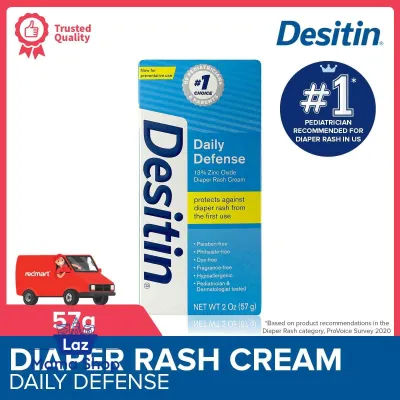
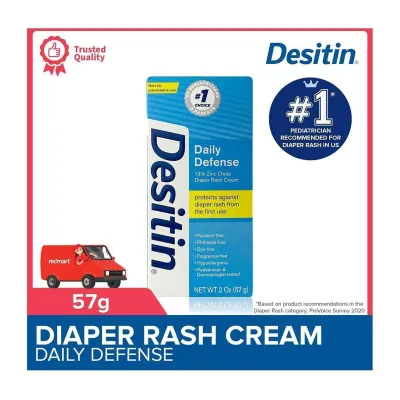
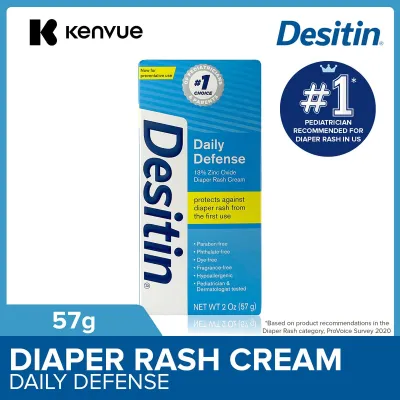
![[Bundle of 3] Desitin Daily Defense Diaper Rash Protection Cream Instantly Soothe Diaper Rash Discomfort 57g](https://img.lazcdn.com/g/p/b74ae21f7b47f8ec6b2c02dbfd829fc2.jpg_400x400q80.jpg_.webp)
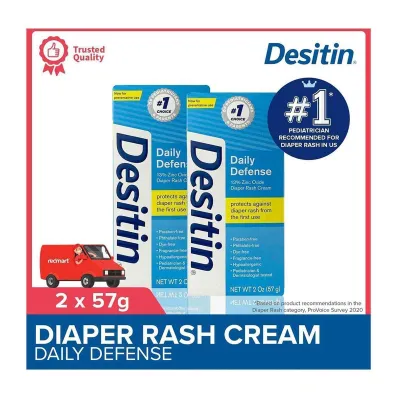

Prices are valid at publication and may change. Please refer to the product page for the latest price.
Identifying environmental triggers can help you anticipate and manage sudden flare-ups. Frequent wetness is a primary culprit, especially during periods of diarrhea or when a baby is teething, which can alter the acidity of their stool. In Singapore, the high ambient humidity can prevent the diaper area from drying completely during changes, creating an ideal environment for chafing and microbial growth. Recent dietary changes, such as introducing solid foods, can also alter stool consistency and frequency, triggering sudden flare-ups.
Product selection must align with the observed severity and the baby’s individual skin tolerance. Applying a heavy, hard-to-remove paste to a very mild rash can lead to unnecessary scrubbing during cleanups, which might worsen the irritation. Conversely, a lightweight cream may not offer sufficient protection against highly acidic diarrheal stools or during long overnight stretches.
Matching Desitin Variants to Specific Skin Needs
Desitin offers distinct formulations designed to address different stages of skin irritation. These products primarily rely on zinc oxide, a physical barrier agent that sits on top of the skin to block moisture, enzymes, and friction. By matching the formulation’s thickness and active ingredient concentration to your baby’s current skin condition, you can optimize healing and comfort.

Before applying any variant, caregivers should carefully inspect the product packaging. The label provides critical information regarding the concentration of active ingredients, recommended age limits, specific application instructions, and safety warnings. Ensuring the chosen variant matches your baby’s current developmental stage and skin condition is vital for safe and effective care.
Daily Prevention and Mild Redness
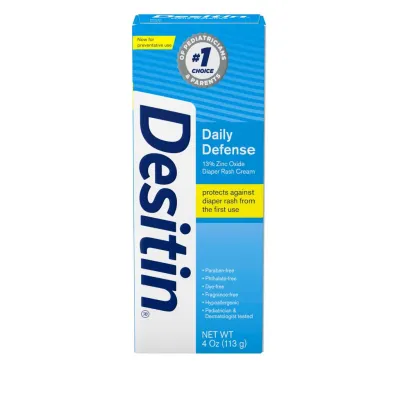
For everyday maintenance and the very first signs of pinkness, a daily defense or rapid relief variant is typically the most appropriate choice. These formulations generally contain a lower concentration of zinc oxide, which is sufficient to repel moisture without creating an excessively heavy layer. They are designed to support the skin’s natural barrier during routine wear.
A key benefit of daily prevention creams is their smooth, creamy texture. They are formulated to glide on easily and, more importantly, wipe off cleanly with minimal effort. During frequent daytime diaper changes, being able to gently cleanse the area without vigorous rubbing helps preserve the skin’s natural lipid barrier and prevents mechanical irritation.
When the skin is healthy or only slightly irritated, the goal is to support its natural recovery. Checking the label for a streamlined ingredient list helps ensure you are not exposing your baby’s skin to unnecessary additives. Using a lighter cream prevents the buildup of thick residue that can trap heat, which is particularly important in tropical climates.
Severe Irritation and Maximum Protection
When a diaper rash progresses to deep redness, swelling, or visible raw spots, a standard daily cream may no longer provide adequate defense. These signs indicate that the skin’s natural barrier has been compromised, leaving it highly vulnerable to the irritating enzymes found in urine and stool. At this stage, a more robust physical shield is required.
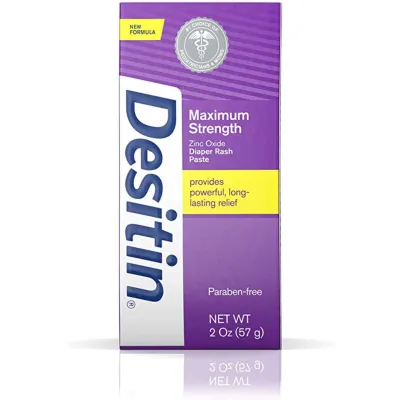
Maximum strength variants are formulated as thick, rich pastes. They contain a significantly higher concentration of zinc oxide, creating a dense, physical shield that does not easily wash away or rub off onto the diaper. When applying these heavy creams, caregivers should use a gentle, dabbing motion rather than rubbing, spreading a thick layer over the affected areas to seal out moisture completely.
Always check the active ingredients section on the back of the tube or box. For severe rashes, verifying that the product contains a high percentage of zinc oxide ensures you are delivering the maximum level of physical protection available over the counter. This heavy-duty barrier allows the underlying skin to heal undisturbed by external irritants.
Extended Wear and Overnight Care
During the night, babies typically wear the same diaper for much longer intervals, exposing their skin to prolonged wetness. Overnight or maximum protection variants are specifically designed to withstand these extended periods, maintaining a continuous moisture lock even during heavy wetting. This prevents urine from breaking down the skin while the baby sleeps.
To prepare your baby for sleep, apply a generous, even layer of the thicker barrier cream after a thorough, gentle cleaning. Think of the application like frosting a cake—the cream should form a visible, protective layer so that urine and stool never make direct contact with the skin. This thick application minimizes friction as the baby moves in their sleep.
In the morning, carefully inspect the diaper area. While the cream should have protected the skin from wetness, it is important to ensure that the heavy barrier has not trapped sweat or heat, which can sometimes manifest as tiny, clear heat bumps. If the skin appears clear and calm, the overnight barrier has done its job successfully.
Crucial Label Checks and Sensitive Skin Considerations
The primary active ingredient in these barrier creams is zinc oxide. When reviewing the product packaging, locate the “Drug Facts” label to identify the exact percentage of zinc oxide. Higher percentages indicate a thicker, more durable barrier suitable for active rashes, while lower percentages are designed for daily prevention and easy spreading.
Delicate baby skin, particularly when already irritated, can react to common additives. Carefully scan the inactive ingredients list for potential sensitizers. Look for formulations that are free from added fragrances, synthetic dyes, parabens, and harsh preservatives, as these substances can exacerbate inflammation and trigger allergic contact dermatitis.
If your baby has highly sensitive skin, eczema, or a history of allergic reactions, performing a patch test is a prudent step. Apply a tiny amount of the cream to a small, unaffected area of the baby’s skin, such as the inner forearm or thigh. Observe the spot for 24 hours; if any redness, swelling, or itching develops, discontinue use immediately.
Keep a record of any ingredients that seem to trigger reactions in your baby. Cross-reference these with the ingredient lists of any new diapering products you purchase, and discuss these observations with your pediatrician to establish a safe, customized skincare routine.
Red Flags: When to Stop Use and Seek Medical Advice
While diaper rash is common, it can sometimes develop into a secondary bacterial or fungal infection. Caregivers must monitor the area closely for red flags such as small blisters, pus-filled bumps, open sores, oozing yellow fluid, or a fever. A bright red rash with distinct, small “satellite” spots spreading outward is often a sign of a yeast infection, which requires specific medical treatment.
If the diaper rash does not begin to improve after two to three days of consistent barrier cream application, or if it continues to worsen, bleed, or cause extreme distress, home care alone may not be sufficient. Continued use of heavy barrier creams over an active infection can sometimes trap moisture and worsen the condition.
In these situations, stop using over-the-counter barrier creams and consult a qualified pediatrician. Do not attempt to apply medicated, antifungal, or prescription-strength steroid creams without a professional diagnosis, as inappropriate use of these treatments can thin the baby’s delicate skin or worsen the underlying condition.
Frequently Asked Questions (FAQ)
Can I use Desitin on newborns?
Newborn skin is exceptionally thin, highly permeable, and delicate. Before applying any diaper rash cream to a newborn, carefully read the product packaging for specific age recommendations and warnings. It is highly recommended to consult your pediatrician before introducing any barrier creams or topical treatments to a newborn’s skin to ensure safety and compatibility.
Should I wipe off all the cream during every diaper change?
It is not necessary—and often counterproductive—to vigorously scrub off all remaining clean cream during every diaper change. Aggressive wiping can cause friction and further damage healing skin. If the diaper is only wet and the existing cream layer is clean, gently wipe away any soiled portions and apply a thin, fresh layer over the top, strictly following the manufacturer’s reapplication instructions.

Community discussion
Share your experience or ask a question. Comments are reviewed before publication.