
Choosing the right diaper rash cream involves understanding how different formulations interact with your baby’s skin. Desitin Daily Defense, Sudocrem, and Bepanthen represent three distinct approaches to diaper area care, ranging from daily physical moisture barriers to deep skin hydration support. Selecting the most effective option for your child depends on their current skin condition, your daily diapering routine, and how the cream’s texture fits into your cleanup habits.
While all three products aim to protect delicate skin from the irritating effects of wetness and friction, they do so using different active ingredients and base formulations. By comparing their composition, texture, and application methods, you can establish a reliable diapering routine that keeps your baby comfortable and minimizes the risk of irritation.
Comparing the Core Formulations and Active Ingredients
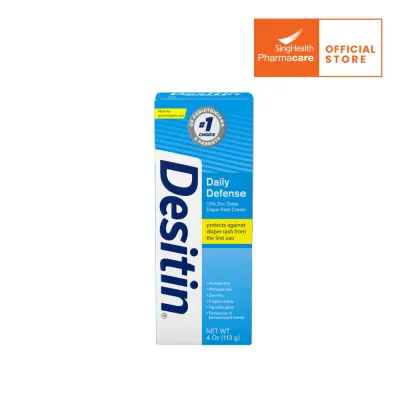
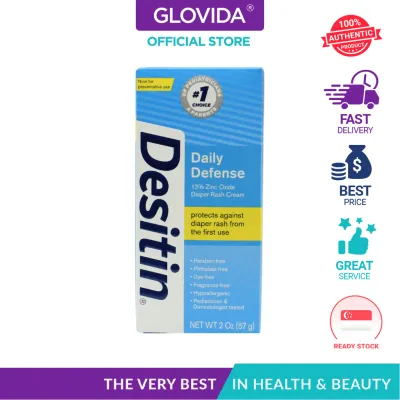
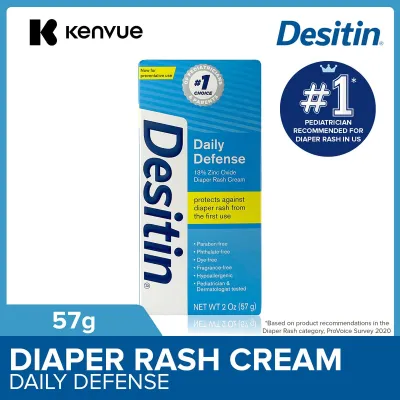
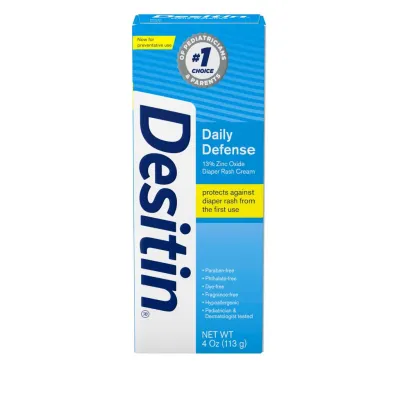
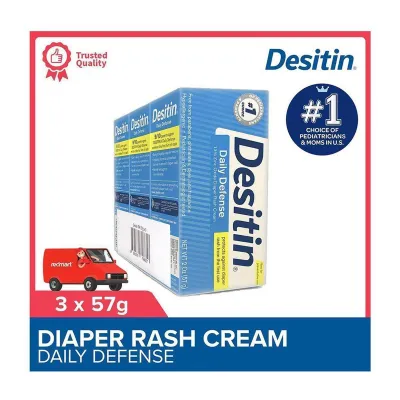
To make an informed choice, it is essential to look at the active ingredients that drive each product’s protective qualities. Desitin Daily Defense relies on zinc oxide as its primary active component. Zinc oxide is a mineral that does not absorb into the skin; instead, it sits on the surface to form a physical, water-resistant barrier that shields the skin from urine and stool enzymes.
Products mentioned in this guide
![[Bundle of 3] Desitin Daily Defense Diaper Rash Protection Cream Instantly Soothe Diaper Rash Discomfort 57g](https://img.lazcdn.com/g/p/b74ae21f7b47f8ec6b2c02dbfd829fc2.jpg_400x400q80.jpg_.webp)

Prices are valid at publication and may change. Please refer to the product page for the latest price.
Sudocrem also utilizes zinc oxide as a core protective agent, but combines it with an emollient base containing ingredients designed to soothe and protect irritated skin. The formulation is structured to provide a robust, long-lasting shield, making it a traditional choice for addressing visible redness and protecting the skin during extended periods between changes, such as overnight.
Bepanthen takes a fundamentally different approach by focusing on skin hydration and natural recovery. Its primary active ingredient is dexpanthenol, also known as Provitamin B5. When applied, dexpanthenol penetrates the skin barrier to support natural skin regeneration and maintain optimal moisture levels from within. Rather than creating an opaque, heavy physical block, it forms a breathable, transparent layer that allows the skin to recover while remaining hydrated.
Because product formulations can vary by region and product line, caregivers should always check the physical product label for the exact concentration of active ingredients and inactive bases. Understanding these differences allows you to choose between a heavy physical block and a breathable, hydrating ointment based on your baby’s immediate skin needs.
Texture, Application, and Cleanup Experience
The physical consistency of a diaper cream significantly impacts how easy it is to apply and remove during frequent diaper changes. Zinc oxide-based barrier creams, such as Desitin Daily Defense and Sudocrem, typically feature a thick, paste-like consistency. This thickness is intentional, as it ensures the cream remains in place even when subjected to friction from the diaper.

However, this heavy texture affects how the cream behaves during cleanup. Opaque white pastes can be highly visible on the skin, which helps you verify that the barrier is still intact. The trade-off is that removing these thick creams can require more effort. To prevent friction-induced irritation on already sensitive skin, caregivers should wipe the area gently using a damp cotton pad or a mild, water-based baby wipe rather than rubbing vigorously.
In contrast, Bepanthen features a lighter, ointment-based texture that spreads easily across the skin. It leaves a translucent, slightly greasy layer rather than a thick white paste. This makes it much easier to wipe away during diaper changes, reducing the risk of mechanical irritation from repeated wiping.
Regardless of the product you choose, always follow the manufacturer’s instructions regarding application thickness. Applying an excessively thick layer of any cream is not necessary and can sometimes trap residual moisture against the skin if the area was not completely dry before application. A thin, even layer that covers the vulnerable areas is generally sufficient to provide adequate protection.
Matching the Cream to Your Baby's Skin Needs
Selecting the right product is easiest when you match the cream’s specific properties to your baby’s current skin condition and your primary care goals. A conditional approach ensures you are using the right tool for the job without over-treating or under-protecting the skin.
Consider Desitin Daily Defense if your primary goal is daily prevention. Its balanced zinc oxide formulation is designed to be gentle enough for everyday use on healthy skin, providing a reliable moisture barrier that keeps daily wetness from causing irritation. It is an excellent choice for routine application after every diaper change to maintain healthy skin.
Opt for Sudocrem if you are dealing with visible redness, mild irritation, or if your baby is prone to flare-ups during teething or dietary changes. Its thick, protective paste is designed to calm irritated skin and provide a highly durable physical shield that stays intact over longer periods, making it highly suitable for nighttime use.
Choose Bepanthen if your baby has dry, peeling, or highly sensitive skin that benefits from hydration rather than a heavy mineral barrier. Because it supports natural skin regeneration with Provitamin B5, it is ideal for babies whose skin reacts poorly to thick pastes or those who require a breathable, lightweight ointment to support natural healing.
Before applying any over-the-counter product, always inspect the diaper area carefully. If you observe severe symptoms—such as bleeding, weeping sores, blisters, or if the rash is accompanied by a fever—stop using retail creams immediately. These signs indicate a more serious condition, such as a fungal or bacterial infection, which requires professional medical evaluation and targeted prescription treatment.
Safety Checks and Ingredient Sensitivities
Baby skin is exceptionally thin and sensitive, making it highly susceptible to contact dermatitis from added ingredients. Before introducing any new diaper cream to your routine, a systematic safety check is highly recommended to prevent adverse reactions.
Start by reading the ingredient list on the packaging carefully. Look out for added fragrances, preservatives like parabens, or specific allergens such as lanolin, which is sometimes used to soften skin but can trigger reactions in sensitive infants. If your baby has a known sensitivity, choosing a fragrance-free, hypoallergenic formula is the safest path.
Before applying a new cream to the diaper area, perform a simple patch test. Apply a small, pea-sized amount of the product to a healthy patch of skin on your baby’s arm or thigh. Observe the area for 24 hours to check for any signs of redness, swelling, or tiny bumps. If the skin remains clear, you can proceed with applying the product to the diaper region.
If you notice any signs of irritation during the patch test or after general application, stop using the product immediately. Cleanse the area gently with lukewarm water to remove any remaining residue, and consult a pediatrician if the redness worsens, swelling occurs, or if your baby shows signs of discomfort.
Purchasing Authentic Products in Singapore
Ensuring the authenticity and proper storage of your baby care products is crucial for safety and efficacy. In Singapore’s warm and humid climate, improper storage can cause the emulsion in diaper creams to break down, separating the oils from the active ingredients and reducing the product’s effectiveness.
To guarantee you are receiving genuine, high-quality products, prioritize purchasing from authorized physical pharmacies, official brand stores, or reputable major supermarkets. These retailers maintain strict supply chain controls and temperature-regulated storage environments, ensuring the cream remains stable and safe for use.
When buying online, look for official flagship stores on established ecommerce platforms rather than unverified third-party sellers. While unauthorized sellers may offer discounted prices, they carry a higher risk of supplying counterfeit goods, expired stock, or products that have been stored in hot, humid warehouses.
Always inspect the packaging immediately upon delivery or purchase. Check that the safety seals are completely intact, the batch numbers are clearly printed, and the expiry date is well into the future. If the packaging appears damaged, tampered with, or lacks clear labeling, do not use the product and contact the retailer for a replacement.
Frequently Asked Questions (FAQ)
Can I use these creams with cloth diapers?
Thick barrier creams, especially those containing high concentrations of zinc oxide or petroleum bases, can pose challenges for cloth diaper users. These ingredients can build up on the fabric fibers over time, creating a greasy residue that causes the diapers to repel liquid instead of absorbing it. If you use cloth diapers, check the manufacturer’s care instructions and warranty guidelines before applying these creams. To protect your diapers while still using a barrier cream, place a disposable liner or a reusable fleece liner between the diaper and your baby’s skin.
How often should I apply diaper rash cream?
The frequency of application depends on whether you are using the cream for daily prevention or active treatment. For daily prevention, apply a thin, even layer of a mild barrier cream or ointment during diaper changes, particularly before long sleep intervals when the baby will wear the diaper for an extended period. For active irritation, apply a thicker layer of a targeted barrier paste to the affected areas. Regardless of the frequency, always ensure the skin is thoroughly clean and completely dry before applying any cream to avoid trapping moisture.
When should I stop using over-the-counter creams and see a doctor?
Over-the-counter diaper creams are designed for mild irritation and daily protection, but they cannot treat complex skin infections. You should stop using these creams and consult a pediatrician if the rash does not improve after three days of consistent care, or if it spreads beyond the diaper region. Immediate medical attention is required if you observe warning signs such as blisters, pus-filled bumps, bleeding, peeling skin, or if your baby develops a fever, as these symptoms often point to a fungal or bacterial infection that requires prescription treatment.

Community discussion
Share your experience or ask a question. Comments are reviewed before publication.