
Diaper rash is a common challenge for parents, particularly in Singapore where the year-round hot and humid tropical climate creates a prime environment for moisture retention inside diapers. When choosing a barrier ointment, finding the right balance between skin protection and ease of use is essential. Selecting the appropriate desitine cream variant depends primarily on the current condition of your baby’s skin and whether your goal is daily prevention or treating an active, uncomfortable flare-up.
To help you make an immediate decision, consider this straightforward framework based on your baby’s current needs:
- Choose Rapid Relief (or daily care variants) if you are focused on everyday prevention, quick absorption, and managing very mild, temporary pinkness. This lighter formula is designed for frequent diaper changes and does not leave a heavy, stubborn residue.
- Choose Regular Strength if your baby has moderate, noticeable diaper rash that requires a reliable protective barrier and soothing relief. It offers a balanced middle ground with a slightly higher concentration of protective ingredients to soothe active irritation.
- Choose Maximum Strength if your baby is experiencing severe, stubborn, or prolonged diaper rash that requires a thick, long-lasting barrier against wetness, especially overnight or during long stretches between diaper changes.
- Verify first if your baby's skin is broken, bleeding, oozing, or shows signs of a fungal infection (such as bright red spots with distinct satellite lesions). In these situations, standard barrier creams are not appropriate, and you must consult a pediatrician or qualified healthcare professional before applying any product.
Understanding the Main Desitin Formulations
When shopping at local pharmacies or online marketplaces in Singapore, you may encounter different packaging designs, sizes, and sub-names for diaper barrier products. Always inspect the physical packaging, check the active ingredients list, and read the manufacturer’s instructions to confirm the product’s suitability for your child’s age, weight, and specific skin condition.
Products mentioned in this guide
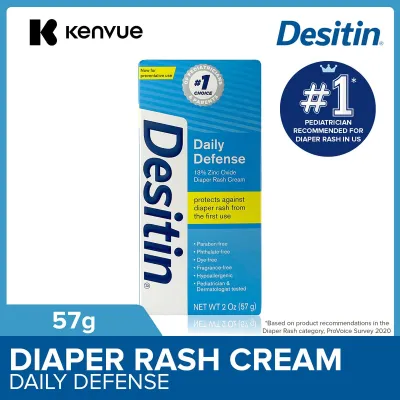
![[Bundle of 3] Desitin Daily Defense Diaper Rash Protection Cream Instantly Soothe Diaper Rash Discomfort 57g](https://img.lazcdn.com/g/p/b74ae21f7b47f8ec6b2c02dbfd829fc2.jpg_400x400q80.jpg_.webp)
Prices are valid at publication and may change. Please refer to the product page for the latest price.
Desitin Rapid Relief (Daily Care)
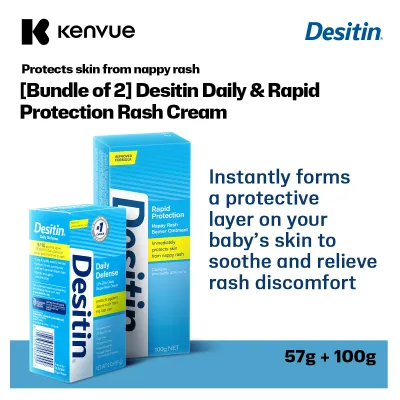
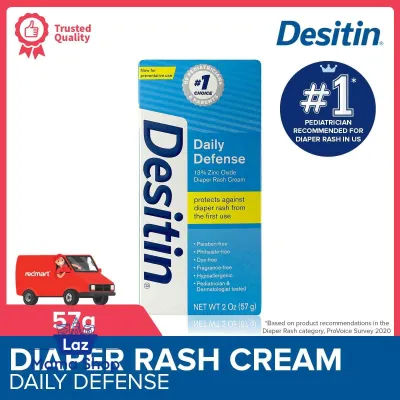
This is the lightest formulation in the brand’s diaper care lineup, typically packaged in a blue tube or tub. It is specifically designed for daily maintenance and immediate application during routine diaper changes. Because Singapore’s humidity can trap sweat alongside urine and stool, applying a thin, breathable barrier after every diaper change can help protect sensitive skin from friction and moisture before a rash even has a chance to develop.
The texture of the Rapid Relief variant is notably smooth, creamy, and easy to spread over large areas without requiring firm pressure. It absorbs and sets quickly, forming a light moisture shield that repels wetness while remaining relatively easy to wipe away during the next diaper change. It is highly suitable for babies with sensitive skin who do not currently have an active, severe rash but require ongoing protection against friction from diaper edges. Always check the packaging label to verify the recommended age limits and any specific manufacturer warnings regarding hypersensitive skin.
Desitin Regular Strength (Moderate Care)
The Regular Strength variant serves as an everyday treatment option when mild redness begins to transition into a more defined, moderate diaper rash. This formulation provides a sturdier, more resilient barrier than the daily preventative creams, helping to soothe active irritation while sealing out external moisture.
Its consistency is moderately thick, designed to stay in place even as your baby moves, crawls, or rolls. This makes it highly effective for daytime use when your baby is active and friction against the diaper is at its peak. While it requires slightly more care to spread evenly compared to the daily care variant, it remains manageable to clean during standard diaper changes. Caregivers should observe the skin closely after application; if moderate redness does not show signs of improvement within a few days, it may be necessary to adjust your care routine or seek professional medical advice.
Desitin Maximum Strength (Severe Care)
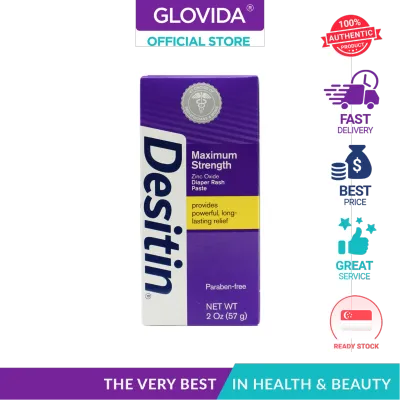
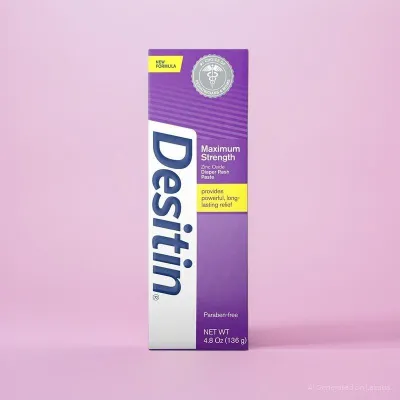
For stubborn, intense, or prolonged diaper rash, the Maximum Strength formula (typically found in a purple tube or jar) is the heaviest and most protective option available. This variant is formulated to create an exceptionally thick, paste-like barrier that physically blocks wetness and acidic stool from coming into contact with compromised skin.
Because of its dense consistency, this paste is designed to remain on the skin for extended periods, making it an excellent choice for overnight use or during long stretches where immediate diaper changes may not be feasible. However, this high level of protection comes with a trade-off: the paste is significantly more difficult to apply smoothly and requires deliberate, gentle handling to avoid aggravating already tender skin. It also does not wash or wipe away easily with standard baby wipes alone. Caregivers should reserve this formula for acute flare-ups rather than everyday preventative maintenance, and always verify the manufacturer’s guidelines regarding application limits and safety warnings for infants.
Key Comparison Dimensions for Desitine Cream and Barrier Pastes
To choose the right product for your nursery, it is helpful to look past the branding and evaluate the physical properties that affect how the cream performs during daily diaper changes.

Active Ingredient Concentration
The primary active ingredient in these diaper barrier creams is zinc oxide, a mineral that sits on top of the skin to reflect moisture and block irritants. When comparing variants, the concentration of zinc oxide is the primary factor determining the thickness and protective capability of the barrier. Lighter daily care variants typically feature a lower concentration (often around 13%), which allows for a smoother, more cream-like texture that is easy to spread and clean. In contrast, maximum strength formulations contain a much higher concentration (frequently up to 40%), creating a dense, clay-like paste. Parents should check the active ingredients panel on the specific tube they purchase to verify these concentrations, keeping in mind that higher percentages offer more robust physical defense but require more effort to manage.
Texture and Spreadability
The physical feel of the cream during application is a major practical consideration for daily diapering. A lighter cream glides effortlessly over the skin, which is ideal when dealing with a squirming infant or when you want to apply a quick, thin layer during a brief diaper change. When applying the maximum strength paste, however, the thick texture means it cannot be rubbed in like a standard lotion. Instead, caregivers must use a gentle patting or dabbing motion to lay down a protective layer. Attempting to rub a heavy paste vigorously onto an already inflamed diaper area can cause pain and further mechanical damage to the baby’s delicate skin barrier.
Cleanup and Wiping
Managing diaper changes with a heavy barrier paste requires a thoughtful approach to cleanup. Standard baby wipes are often insufficient for removing thick zinc oxide paste and can cause friction if used too aggressively. To clean the area safely without irritating the skin, caregivers can use a soft, warm, wet washcloth or a high-quality baby wipe saturated with a tiny amount of gentle, baby-safe oil or liquid cleanser. It is crucial to understand that you do not need to scrub the skin completely clean of all residual cream during every single diaper change. Leaving a clean, thin base layer of remaining paste on the skin is entirely acceptable and actually helps protect the underlying skin from being repeatedly exposed to air and friction. Only remove the cream fully during daily bath times using warm water and a mild, soap-free baby wash.
Matching the Variant to Rash Severity
Understanding how to align the strength of the cream with the actual state of your baby’s skin ensures that you are neither undertreating a painful rash nor overcomplicating your daily cleaning routine.
Prevention and Mild Redness
When your baby’s skin is healthy or showing only the slightest hint of pinkness, the primary defense strategy should focus on environmental management. This includes performing frequent diaper changes, ensuring the diaper is not fastened too tightly, and allowing your baby to have regular “air time” without a diaper on to let the skin dry naturally. In this scenario, a light daily care cream should be used only as a supplementary shield to minimize friction. Applying a thin layer of the daily variant during high-risk times—such as during teething, when introducing new solid foods, or during periods of loose stools—can provide just enough protection without overloading the skin with heavy pastes.
Moderate Irritation
If you notice defined patches of red, warm, or slightly bumpy skin in the diaper region, the condition has progressed to moderate diaper rash. At this stage, transition to a regular strength treatment cream. To apply this effectively, clean the area gently and pat it completely dry. Then, apply a visible, even layer of the cream over the entire affected area. Avoid rubbing the cream into the skin; instead, spread it smoothly so that it forms a continuous protective blanket. This prevents urine and fecal enzymes from reaching the irritated patches, allowing the skin’s natural healing processes to take place undisturbed.
Severe or Prolonged Rash
When diaper rash becomes severe—characterized by deep red, widespread inflammation, swelling, or rough patches—it requires the maximum level of physical protection. In these cases, apply the maximum strength paste in a very thick, generous layer, often described as similar to frosting a cake. This thick application ensures that even when the diaper rubs against the baby’s body, a continuous layer of zinc oxide remains intact to shield the raw skin from acidic moisture.
Stop Conditions
While barrier creams are highly effective for standard irritant contact dermatitis, they cannot cure infections caused by fungi or bacteria. Parents must closely monitor the rash for signs that self-treatment is no longer appropriate. If the rash does not show clear signs of improvement after three to four days of consistent use with a maximum strength cream, or if it worsens rapidly, you must stop using the cream and consult a pediatrician. Specific warning signs that require professional medical evaluation include the appearance of pus-filled blisters, open sores, peeling skin, a fever, or a bright red rash with distinct, small spots spreading outward (satellite lesions), which typically indicate a yeast infection requiring a targeted antifungal prescription.
Safe Application and Caregiver Guidelines
Using diaper creams correctly is just as important as choosing the right formula. Improper application can trap irritants against the skin, potentially worsening the very condition you are trying to treat.
Preparation
The single most critical step in applying any diaper cream is preparing the skin. Before squeezing any product from the tube, clean the diaper area thoroughly with warm water or a fragrance-free wipe. Once clean, you must ensure the skin is completely dry. Squeezing a thick, waterproof zinc oxide barrier over skin that is still damp will trap moisture directly against the skin cells. In Singapore’s warm climate, this trapped moisture can quickly lead to skin maceration, worsening the rash and creating an ideal breeding ground for yeast. Allow the skin to air-dry completely, or gently pat it dry with a clean, soft towel before application.
Application Technique
When applying treatment-strength creams, use a gentle, non-friction technique. Dab the cream onto your index finger or a clean silicone diaper cream applicator, then pat it gently onto the vulnerable areas. Ensure you cover all skin folds and creases where moisture tends to accumulate, but avoid packing the cream too tightly into deep folds where it might cause friction during movement.
Hygiene
To maintain safety and prevent the spread of bacteria, always wash your hands thoroughly with soap and water both before and after every diaper change. If your baby has broken skin, introducing bacteria from unwashed hands can easily lead to secondary bacterial infections.
Storage and Expiry
Because Singapore experiences high humidity and elevated indoor temperatures, proper storage of diaper care products is essential. Store your cream in a cool, dry cupboard away from direct sunlight and heat sources, which can cause the emulsion to separate into oil and paste. Always check the expiration date printed on the crimp of the tube or the bottom of the tub before use. If you notice a rancid smell, significant oil separation that does not resolve with a gentle squeeze of the tube, or a gritty texture, discard the product immediately and replace it.
Frequently Asked Questions (FAQ)
Can I use Desitin Maximum Strength for everyday prevention?
While it is safe to use the maximum strength formula frequently, it is generally unnecessary and impractical for everyday preventative care. The high concentration of zinc oxide makes the paste extremely thick, heavy, and difficult to wipe away during routine diaper changes. Using it daily when no rash is present can make diaper changes more tedious and may lead to unnecessary scrubbing of your baby’s delicate skin. For daily prevention, a lighter daily care variant is highly recommended, as it provides an effective moisture shield while remaining easy to clean and allowing the skin to breathe more naturally.
Does Desitin expire, and how can I tell if it is still safe to use?
Yes, Desitin creams and pastes do expire, and using expired products can compromise their effectiveness and safety. You should always check the expiration date printed on the packaging or look for the Period After Opening (PAO) symbol, which indicates how many months the product remains safe after it has been opened. Additionally, perform a physical check before application: if the cream has separated into a runny liquid and a hard paste, has developed a gritty or lumpy texture, or emits an unusual or sour odor, it has degraded and should be discarded.

Community discussion
Share your experience or ask a question. Comments are reviewed before publication.