
Yes, Cybex car seats are legal for use in Singapore, provided the specific model you choose carries an approved international safety certification label. The brand itself is widely recognized, but legality on Singapore roads is determined by individual product compliance rather than brand reputation alone.
The Land Transport Authority (LTA) of Singapore mandates that all child restraints used in motor vehicles must conform to recognized international safety standards. This means that simply buying a reputable brand is not enough; parents must ensure the specific seat has been tested and certified under one of these approved frameworks.
Many modern Cybex car seats are designed and manufactured to meet the newer i-Size (ECE R129) standard, while older or alternative models may comply with the ECE R44/04 standard. Both standards are legally accepted in Singapore, but parents must physically verify the orange certification label on their specific seat to confirm compliance before installation.
Products mentioned in this guide
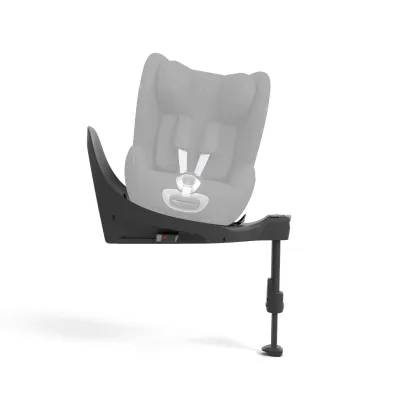
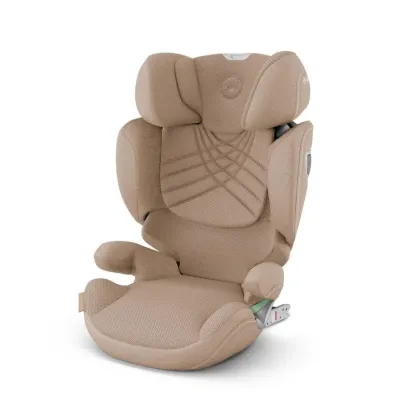
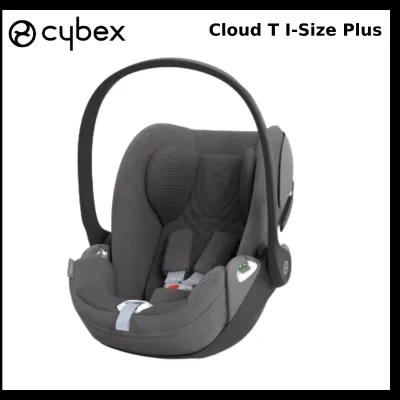
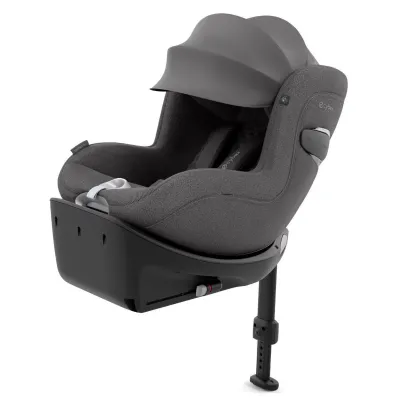
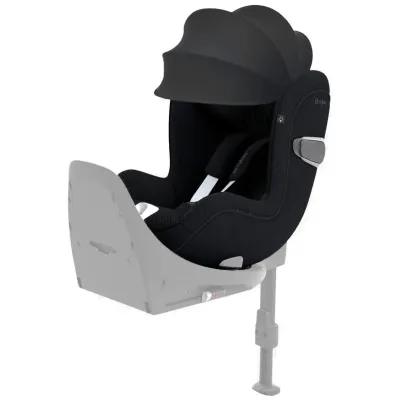
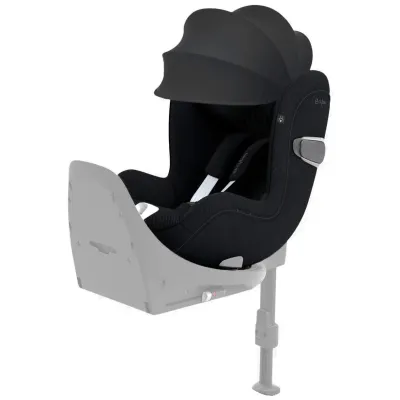
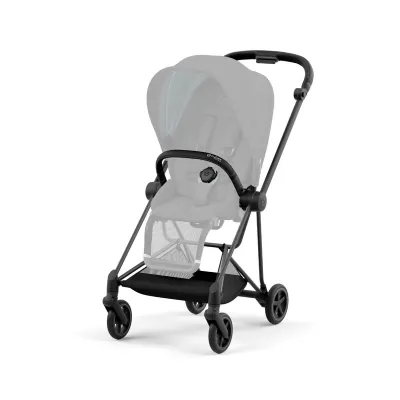
Prices are valid at publication and may change. Please refer to the product page for the latest price.
Understanding Singapore's LTA Car Seat Regulations
Under Singapore’s Road Traffic Act, safety on the road is a paramount concern for families. The Land Transport Authority (LTA) stipulates that any passenger under the height of 1.35 metres must be properly secured using an approved child restraint appropriate for their height and weight, or a booster seat to supplement the vehicle’s seat belt.
This regulation applies to all private motor vehicles operating on Singapore roads. Failing to secure a child passenger properly is a legal offence that carries fines and demerit points for the driver, highlighting the importance of choosing compliant gear.
To ensure that the child restraints sold and used in Singapore offer adequate protection, the LTA recognizes several international safety standards. Among the most common standards found on seats in the local market are the European standards: ECE R44/04 and the newer ECE R129 (commonly referred to as i-Size).
Other recognized standards include those from the United States (FMVSS 213), the United Kingdom, Australia, and Japan. However, European-certified seats are highly prevalent in Singapore retail stores and are widely trusted by local parents.
Compliance is not just about owning the seat; it is also about correct usage. The LTA and road safety advocates emphasize that a car seat must be installed strictly according to the manufacturer’s instructions to perform effectively during a journey.
A seat that is certified but incorrectly installed, or one that is unsuitable for the child’s current physical development, fails to provide the intended level of safety. For example, using a seat designed for older children on an infant can lead to severe safety risks.
For the most up-to-date legal thresholds, specific exemptions, and the definitive list of approved safety standards, parents should regularly consult the official LTA website. This ensures compliance with any regulatory updates or amendments to local traffic laws.
i-Size (ECE R129) vs. ECE R44/04: Safety Differences Explained
When shopping for a Cybex seat or evaluating an existing one, you will likely encounter two primary European safety standards: ECE R44/04 and ECE R129 (i-Size). Understanding the differences between these two standards is crucial for making an informed decision about your child’s safety during travel.

The most fundamental difference lies in how the seats are classified. The older ECE R44/04 standard categorizes car seats based on the child’s weight, divided into specific weight groups.
In contrast, the newer i-Size (ECE R129) standard classifies seats based on the child’s height in centimetres. This shift to height-based classification makes it much easier for parents to determine when a child has outgrown their current seat, reducing the risk of transitioning them to a larger seat too early.
Another critical advancement of the i-Size standard is the introduction of mandatory side-impact testing. Under the older ECE R44/04 standard, seats were only required to undergo testing for frontal and rear collisions.
Because side-impact collisions account for a significant portion of severe road injuries, the i-Size standard requires rigorous lateral crash testing. This ensures that i-Size certified seats, including many modern Cybex models, feature enhanced protective structures around the head, neck, and torso to absorb side-impact forces.
Furthermore, the i-Size standard mandates that children must remain in a rear-facing position until they are at least 15 months old. The older ECE R44/04 standard allowed forward-facing travel from 9 kilograms, which is approximately 9 months of age.
Keeping a child rear-facing for longer is widely recognized by safety experts as the safest way to travel. In a frontal collision, a rear-facing seat supports the child’s head, neck, and spine, distributing the impact forces across the sturdy shell of the seat rather than straining the child’s delicate neck muscles.
While both ECE R44/04 and i-Size (ECE R129) seats are currently legal for use on Singapore roads, i-Size represents the modern safety benchmark. Manufacturers are increasingly phasing out older ECE R44/04 designs in favor of i-Size compliant models, reflecting the industry’s commitment to superior crash protection and simplified installation systems like ISOFIX.
How to Verify Your Cybex Car Seat's Compliance and Safety
To ensure your Cybex car seat is fully compliant with Singapore regulations and safe for your child, you should perform a physical inspection of the seat. Do not rely solely on product descriptions on online marketplaces or retail advertisements; instead, verify the physical markings on the seat itself.
First, locate the orange certification label. This label is typically found on the underside, back, or side of the car seat shell.
The label must display an “E” mark, which is a circle containing the letter “E” followed by a number that indicates the European country that granted the approval. Below or next to this mark, you should see the specific standard number: either ECE R44/04 or ECE R129 (which may also display the “i-Size” logo).
Next, consult the manufacturer’s manual for your specific Cybex model. The manual contains critical specifications regarding the height and weight limits for the seat, as well as detailed installation instructions.
Ensure that your child falls within the specified physical limits of the seat. If your child exceeds the maximum height or weight limit for their current configuration, the seat will not perform as intended in an accident.
You must also check the manufacturing date of the seat, which is usually printed on a white tracking label or stamped directly into the plastic shell. Car seats have a limited lifespan—typically between six to ten years from the date of manufacture—because the plastic, foam, and webbing materials degrade over time when exposed to heat and UV radiation.
In Singapore’s hot and humid climate, material degradation can occur more rapidly, making it vital to monitor the age of your seat. A seat that looks perfectly fine on the outside may have weakened internal structures that cannot withstand crash forces.
If you find that the certification label is missing, torn, or illegible, or if you are unsure about the seat’s history or installation, stop using the seat immediately. In such cases, contact the manufacturer directly or consult a certified child passenger safety technician in Singapore to verify the seat’s safety before placing your child back in it.
Frequently Asked Questions (FAQ)
Can I use a second-hand Cybex car seat in Singapore?
While using a second-hand Cybex car seat is legally permissible in Singapore provided it meets approved safety standards, safety experts generally advise against it due to hidden risks. The primary concern with a pre-owned car seat is the inability to verify its complete history.
A car seat that has been involved in a moderate to severe collision must be replaced immediately, as the impact forces can cause micro-fractures in the plastic shell or stretch the internal webbing. These structural damages are often completely invisible to the naked eye but will compromise the seat’s ability to protect a child in a subsequent crash.
Additionally, second-hand seats may be missing crucial components, such as the user manual, infant inserts, or harness pads, and they may be close to or past their manufacturer-specified expiration date.
If you must use a second-hand Cybex seat, only accept one from a trusted family member or friend whose driving history you know intimately. Ensure they can guarantee the seat has never been in an accident, provide the original manual, and confirm that all original parts and safety labels are intact and legible.
Do I need an i-Size car seat if my current ECE R44 seat is still legal?
You do not legally need to replace your current ECE R44/04 car seat if it remains in good condition, has not expired, and still fits your child properly. The Land Transport Authority (LTA) continues to recognize ECE R44/04 as an approved safety standard for use on Singapore roads, meaning you will not face legal penalties for using one.
However, upgrading to an i-Size (ECE R129) car seat is highly recommended if you are purchasing a new seat or if your current seat is nearing the end of its useful lifespan. The i-Size standard offers significant safety advancements, including mandatory side-impact protection and stricter testing protocols that reflect modern vehicle designs and crash dynamics.
If your current ECE R44/04 seat has been involved in any vehicle collision, shows signs of wear and tear, or if your child is outgrowing the weight limits, transitioning to a newer i-Size model is a proactive step that ensures your child benefits from the highest current safety standards available.

Community discussion
Share your experience or ask a question. Comments are reviewed before publication.