
Newborn skin is incredibly delicate, thin, and highly permeable, making it vulnerable to external irritants and physical friction. While standard cotton balls have long been a staple in traditional baby grooming kits, they are not automatically safe for every newborn care task. Many parents assume that any product labeled as cotton is gentle enough for a baby, but the reality of modern manufacturing means that standard cotton balls can carry hidden risks. From chemical processing residues to loose fibers that can irritate sensitive eyes, understanding what goes into these small fiber spheres is essential for protecting your baby’s skin barrier.
Evaluating the safety of cotton balls requires looking beyond the packaging and understanding how these products are processed, structured, and used. By learning how to identify high-quality materials and recognizing when to swap them for safer alternatives, you can establish a gentle, irritation-free grooming routine. This guide breaks down the safety profile of standard cotton balls, highlights the hidden risks of fiber shedding, and provides actionable steps to keep your newborn’s skin clean and healthy.
Are Standard Cotton Balls Safe for Newborn Skin?
When browsing the baby care aisle or an online marketplace, you will find a wide variety of cotton products. Standard cotton balls are often mass-produced and undergo extensive chemical processing to achieve their bright white appearance. This processing typically involves chlorine bleaching, which can leave behind trace chemical residues. For adults, these traces are usually harmless, but a newborn’s skin barrier is still developing and can react quickly to minimal chemical exposure.
Products mentioned in this guide
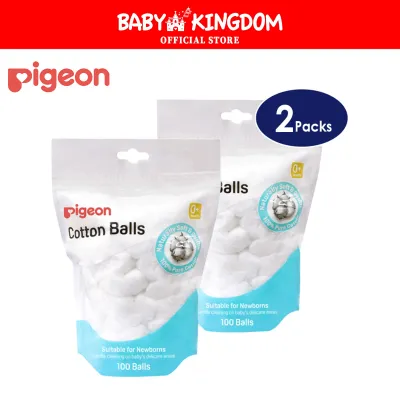
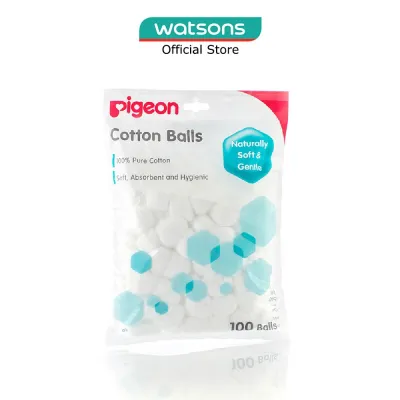
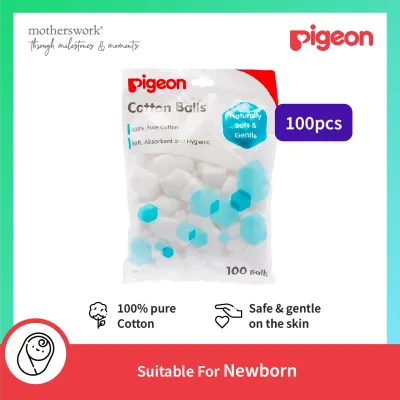
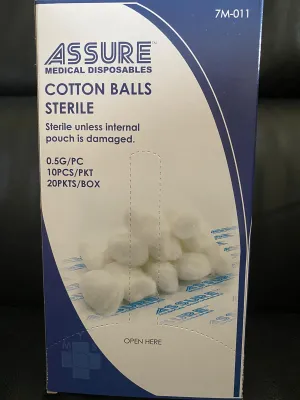
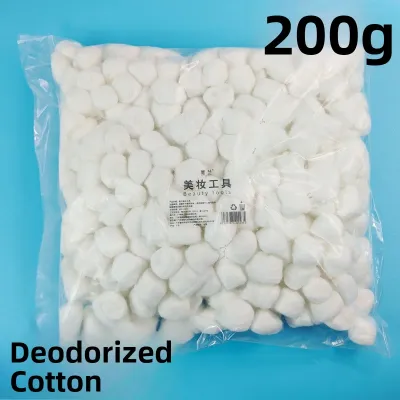
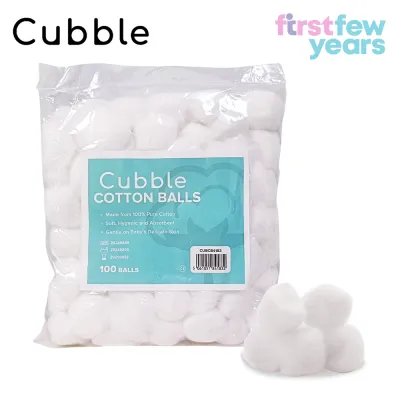
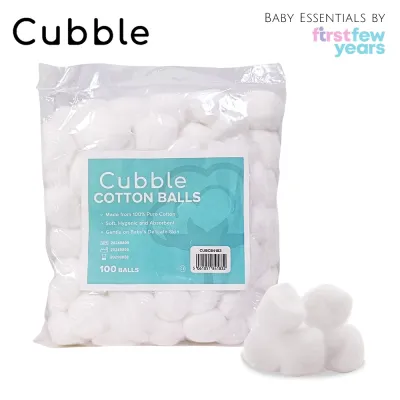
Prices are valid at publication and may change. Please refer to the product page for the latest price.
To minimize these risks, it is helpful to differentiate between standard chemically bleached cotton and unbleached or organic options. Unbleached cotton retains its natural off-white or cream color, often showing tiny dark specks which are harmless remnants of the cotton plant. Because unbleached cotton bypasses the harsh chemical whitening stage, it is inherently less likely to carry irritating chemical residues. Organic cotton goes a step further, as it is grown without synthetic pesticides or fertilizers, reducing the environmental and chemical footprint of the raw material from the start.
Reading product labels carefully is a crucial step when purchasing grooming supplies for your newborn. Look for clear purity indicators, such as certifications from independent textile testing bodies, which verify that the product has been tested for harmful substances. Additionally, check the packaging specifically for baby-safe claims and ensure there is an explicit statement confirming the absence of synthetic fragrances, dyes, or optical brighteners. These additives are sometimes introduced to make the cotton look cleaner or smell fresh, but they serve no functional purpose and are common triggers for skin irritation.
It is important to note that a “100% cotton” label does not automatically guarantee the absence of processing chemicals, binding agents, or dyes. This label simply means the raw fiber source is entirely cotton, but it does not account for what happens to those fibers during manufacturing. Some brands use synthetic binders to help the cotton ball hold its shape, while others may treat the fibers with starches or softeners. To ensure maximum safety, prioritize products that are both 100% pure cotton and explicitly labeled as unbleached, chlorine-free, and fragrance-free.
Hidden Risks: Fiber Shedding and Skin Irritation
One of the most common and overlooked hazards of standard cotton balls is fiber shedding. Because cotton balls are made of loosely spun, short-staple fibers, they easily pull apart when wet or subjected to friction. These loose fibers can detach during routine cleaning and cling to your baby’s skin, eyes, or nose. If a tiny cotton fiber gets trapped under the eyelid, it can cause immediate eye irritation, redness, and tearing, which can be highly distressing for a newborn.

Beyond eye irritation, loose fibers pose subtle inhalation and physical entanglement risks. A newborn breathes primarily through their nose, and small, airborne cotton fibers can easily be inhaled if cotton balls are used near the nostrils. Furthermore, if fibers are left behind in deep skin folds—such as around the neck, behind the ears, or in the groin—they can trap moisture against the skin. Over time, this trapped moisture and fiber friction can lead to painful chafing, skin breakdown, or localized yeast infections in the humid folds of a baby’s skin.
Physical friction is another significant concern when using dry or low-quality cotton on highly sensitive newborn skin. Dry cotton fibers are surprisingly abrasive at a microscopic level. Wiping a baby’s skin with a dry or insufficiently moistened cotton ball can cause micro-tears in the delicate stratum corneum, the outermost layer of the skin. These micro-tears compromise the skin barrier, making it easier for bacteria, moisture, and external irritants to penetrate and cause inflammation.
Finally, chemical residues from the bleaching or manufacturing process can trigger contact dermatitis or allergic reactions. When a chemically treated cotton ball is moistened, any soluble residues can dissolve and transfer directly onto the baby’s skin. This can manifest as localized patches of dry, red, or bumpy skin that correspond exactly to the areas where the cotton was used. If your baby has a family history of sensitive skin or eczema, they are particularly susceptible to these chemical triggers, making material purity an absolute priority.
How to Use Cotton Balls Safely During Baby Grooming
If you choose to use cotton balls for your baby’s daily grooming, taking specific precautions can significantly reduce the associated risks. The first and most important rule is to never use a cotton ball dry. Always moisten the cotton ball thoroughly with warm water or a pediatrician-approved, fragrance-free baby cleanser before it touches your baby’s skin. Moistening the fibers lubricates the cotton, drastically reducing friction and helping to bind the loose fibers together so they are less likely to shed during use.
When wiping your baby’s skin, the technique you use matters just as much as the material. Always use gentle, single-direction wiping motions rather than rubbing back and forth. For example, when cleaning your baby’s eyes, start from the inner corner near the nose and wipe gently outward in one smooth motion, then discard the cotton ball immediately. Never reuse the same cotton ball for a second wipe or for the other eye, as this can spread bacteria or loose fibers across sensitive areas. This single-wipe method is equally important when cleaning neck folds, behind the ears, and the delicate diaper region.
Before any cotton ball touches your baby, perform a quick visual and tactile inspection. Take a second to ensure the cotton ball is structurally intact, feels soft, and is free from visible debris, dark synthetic threads, or hard clumps. If a cotton ball feels scratchy, looks dusty, or begins to unravel as soon as you pick it up, discard it immediately. Investing in high-density, premium-grade cotton balls designed specifically for cosmetic or baby use can make a noticeable difference, as these are often manufactured to hold their shape better under wet conditions.
Additionally, always wash your hands thoroughly with soap and water before handling baby grooming supplies. Store your cotton balls in a clean, airtight container in a dry place to protect them from airborne dust, household pet hair, and bathroom humidity. Leaving cotton balls in an open bag under the sink exposes them to moisture, which can encourage mold or bacterial growth on the organic fibers long before you use them on your baby’s skin.
Warning Signs: When to Stop and Consult a Pediatrician
Even with careful use, some newborns may have skin that is simply too sensitive for cotton balls. It is vital to monitor your baby’s skin closely during and after grooming for any observable signs of irritation. Persistent redness, localized dryness, peeling, or a fine bumpy rash in areas where you regularly use cotton are clear indicators that the material or the wiping action is irritating the skin. You should also pay attention to your baby’s behavior; if they flinch, cry, or show signs of discomfort during cleaning, it is time to reassess your grooming tools.
There are several specific skin conditions where cotton balls should be strictly avoided. If your baby has open wounds, a weeping umbilical cord, severe diaper rash, or an active eczema flare-up, do not use cotton balls. The loose fibers can easily stick to raw, weeping skin or open sores, becoming embedded in the healing tissue. Removing these stuck fibers later can cause pain, tear open healing skin, and introduce bacteria directly into the wound, increasing the risk of infection.
If you notice any signs of skin irritation, stop using cotton balls immediately and switch to a gentler, lint-free alternative. Keep the affected area clean and dry, and avoid applying heavily fragranced creams or lotions that could further inflame the skin. If the redness, swelling, or rash persists for more than a few days, worsens, or spreads, consult your pediatrician for a professional evaluation.
You should seek immediate medical advice if you observe any signs of localized infection. These signs include yellow crusting, oozing pus, increased warmth to the touch, swelling, or if your baby develops a fever. A pediatrician can help identify the exact cause of the skin reaction, recommend safe topical treatments, and guide you on the best hypoallergenic materials to use for your baby’s specific skin type.
Safer Alternatives to Build a Gentle Grooming Kit
For parents looking to minimize the risks of fiber shedding and skin irritation, several excellent alternatives can help you build a safer, more effective baby grooming kit. One of the easiest upgrades is switching from cotton balls to cotton rounds or pads. Cotton rounds are compressed and often feature stitched or sealed edges, which dramatically reduces fiber shedding. They provide a flat, smooth surface that glides easily over the skin, making them ideal for cleaning the face, outer ears, and neck folds without leaving a trail of loose lint.
Another highly recommended alternative is reusable muslin cloths. Made from finely woven, breathable cotton, muslin is incredibly soft and becomes even softer with every wash. Unlike disposable cotton products, high-quality muslin cloths do not shed fibers, making them completely safe for use around the eyes, nose, and mouth. They are also highly durable and can be used for gentle bathing, wiping drool, or cleaning up after feeding, offering a sustainable and cost-effective solution for daily care.
Bamboo wipes are also gaining popularity as a gentle, eco-friendly option for newborn grooming. Bamboo fibers are naturally smooth, hypoallergenic, and highly absorbent, making them exceptionally gentle on sensitive skin. Whether you choose reusable bamboo cloth wipes or high-quality disposable bamboo dry wipes, they offer a strong, lint-free texture that holds up well when wet, providing a reliable barrier between your hands and your baby’s skin during diaper changes.
If you choose to use reusable cloth alternatives, proper maintenance is essential to prevent bacterial buildup and maintain their signature softness. Wash reusable cloths after every single use using a gentle, fragrance-free baby laundry detergent. Avoid using fabric softeners or dryer sheets, as these products leave behind a chemical residue that can reduce the absorbency of the fabric and irritate your baby’s skin. Hang the cloths to dry completely in a well-ventilated area, preferably in direct sunlight, which has natural sanitizing properties, and store them in a clean, dust-free drawer until their next use.
Frequently Asked Questions (FAQ)
Can I use cotton balls to clean my baby's umbilical cord stump?
Cleaning a newborn’s umbilical cord stump requires extreme gentleness and a focus on keeping the area dry to promote natural healing. Using standard cotton balls on or around the stump is generally not recommended because the loose fibers can easily catch on the rough, drying edges of the cord. If these fibers become trapped, they can hold moisture against the healing tissue or cause pain and minor bleeding when pulled away. Instead, follow your pediatrician’s specific care instructions, which typically involve keeping the area clean and dry, allowing it to air out, and using only sterile, lint-free swabs or pads if cleansing is explicitly advised.
Are organic cotton balls completely free from skin irritants?
While organic cotton balls are grown without synthetic pesticides and are generally processed without harsh chlorine bleach, they are not guaranteed to be completely free from skin irritants. Natural cotton fibers contain inherent plant oils and waxes, and some manufacturing processes may still use natural binding agents or starches to help the cotton hold its shape. Additionally, environmental dust or storage conditions can introduce allergens before the product reaches your home. If your baby has extremely sensitive skin, always perform a careful patch test on a small, healthy patch of skin, such as the inner arm, and monitor the area closely for any signs of redness or irritation before using the product regularly.

Community discussion
Share your experience or ask a question. Comments are reviewed before publication.