
Quick Answer: Which XXXL Diaper is Best for Your Toddler?
Finding the right diapers xxxl size for your toddler in Singapore is a highly individualized process. At this developmental stage, children are active, and their physiological needs require a diaper that can handle larger fluid volumes without restricting movement. There is no single brand that serves as a universal solution; instead, the ideal choice depends on your child’s specific daily routine, physical build, and skin sensitivity.
For overnight use, parents should prioritize high-capacity absorbent cores that lock away moisture over several hours to prevent sleep disruptions. Conversely, during the hot and humid daytime in Singapore, thinness and maximum breathability are paramount to prevent heat rash and skin irritation. Always verify the manufacturer’s specific weight and age recommendations on the packaging, as sizing standards can vary significantly between brands, and a proper fit is the first line of defense against leaks.
What to Look for When Comparing XXXL Diaper Brands
When evaluating different options in the larger size category, understanding the trade-off between absorbency and bulk is essential. As toddlers grow, their single-void urine volume increases, which means a diaper must possess an efficient core technology. Look for products that utilize advanced superabsorbent polymers (SAP) distributed across multiple layers. This design ensures that liquid is distributed evenly rather than pooling in one spot, which prevents the diaper from sagging heavily between your toddler’s legs and restricting their natural gait.
Products mentioned in this guide
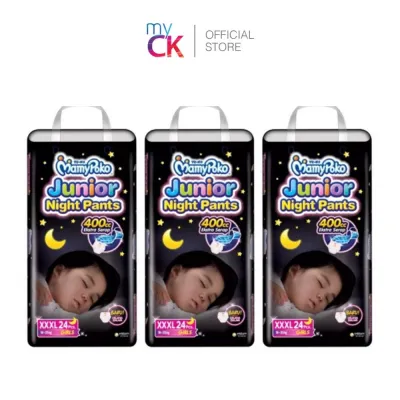
![[Carton Sale]NOMIEO Diapers Pants / Tape S M L XL XXL XXXL bundle of 3 Baby disposable diapers](https://img.lazcdn.com/g/p/mdc/b7bbf8f670dd10c9c495b30106ee151a.jpg_400x400q80.jpg_.webp)
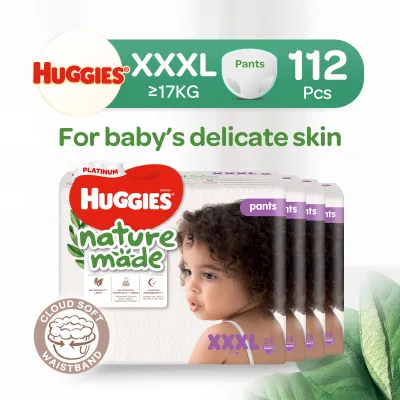
Prices are valid at publication and may change. Please refer to the product page for the latest price.

In Singapore’s tropical climate, where relative humidity levels often exceed 80 percent, breathability is a critical factor for skin health. High humidity traps moisture and heat inside the diaper, creating an environment ripe for diaper rash (irritant contact dermatitis) and heat rashes (miliaria). When comparing brands, look closely at the product specifications for micro-porous outer covers and moisture-wicking back sheets that facilitate continuous air exchange. A breathable outer layer allows hot air and vapor to escape while keeping liquid safely contained inside.
Another key consideration is the elasticity and design of the waistband and side panels. A toddler wearing XXXL diapers is typically highly active, running, climbing, and bending throughout the day. The waistband must be wide and exceptionally stretchable to accommodate a full belly after meals without digging into the skin or leaving red, irritated marks. Look for brands that feature multi-strand elastic gathers that distribute pressure evenly across the waist and hips, ensuring the diaper stays securely in place during vigorous play.
Furthermore, cumulative exposure to wetness over several years means that older toddlers may develop heightened skin sensitivity. When comparing XXXL options, parents should look for dermatologically tested diapers that are free from elemental chlorine, fragrance, and natural rubber latex. Some premium brands incorporate organic cotton or lotion-infused inner sheets to minimize friction against the skin, which is especially beneficial for toddlers prone to eczema or contact dermatitis. When evaluating claims regarding hypoallergenic properties or chemical-free certifications, parents should verify these details on the manufacturer’s official website or product packaging, as certifications can vary by region and production batch.
How to Test Fit and Leak Protection on an Active Toddler
Finding a diaper that looks correct on paper is only the first step; verifying the fit on an active child is crucial for preventing leaks and skin irritation. Regular observation during daily activities will quickly reveal whether a specific brand’s XXXL cut matches your child’s unique body shape.
Checking the Leg Cuffs and Waistband
To ensure a proper fit, always perform the “two-finger rule” after securing the diaper or pulling it up. You should be able to slide two fingers comfortably between the waistband and your toddler’s tummy. If the fit is tighter than this, the diaper may cause discomfort and restrict breathing or digestion; if it is looser, liquid may escape from the back or front during movement.
Additionally, run your finger along the inner and outer leg cuffs to ensure the elasticized barriers are fully flared outward rather than tucked inward. Tucked-in leg cuffs are one of the most common causes of side leaks and blowouts, as they fail to create a proper seal around the thighs. When adjusting the leg cuffs, pay special attention to the double-layered barrier system. The inner barrier should stand upright against the groin, while the outer ruffle should flare outward over the thigh. For toddlers who sleep on their tummies or backs, check that the waistband sits high enough—ideally just below the belly button in the front and at an equivalent height in the back—to prevent overnight leaks from gravity-induced pooling.
Evaluating Sagging During Active Play
Observe your toddler while they walk, run, or climb on playground equipment. A well-fitting XXXL diaper should move with your child’s body and maintain its structural integrity even when partially wet. If the diaper sags significantly down to the thighs after a single void, the core may lack adequate distribution channels, or the waistband may lack the necessary tension to support the added weight. Excessive sagging not only causes discomfort but also creates friction against the inner thighs, which can quickly lead to painful chafing and skin breakdown. If you notice your toddler constantly pulling at their diaper or adjusting their stride, it is a clear sign that the current brand’s fit or structure is not supporting their movements.
When to Switch from Tape to Pull-Up Styles
If you are still using tape diapers, you may find that securing them on a squirming, standing toddler becomes increasingly difficult. This struggle is a primary indicator that it is time to transition to pull-up style diaper pants. XXXL pull-up pants are designed for active toddlers who prefer to stand during changes, and they provide a more uniform, 360-degree elastic fit around the waist. This style mimics regular underwear, which can also help prepare your toddler mentally for the transition to potty training while still providing the high-absorbency protection they require during the interim phase.
How to Calculate the True Cost Per Diaper Across Brands
Managing the household budget in Singapore requires a strategic approach to diaper purchases, especially since larger sizes carry a premium price tag. To determine the true value of a brand, do not rely solely on the retail price of a single pack. Instead, calculate the cost per individual unit by dividing the total price of the pack by the exact number of diapers inside.
It is important to note that as diaper sizes increase, the number of pieces per pack decreases significantly. A standard pack of XXXL diapers may contain only 18 to 28 pieces, making the cost per diaper substantially higher than smaller sizes. In Singapore, the price per piece for XXXL diapers can range from approximately S$0.60 for budget-friendly options to S$1.30 or more for premium, imported organic brands.
When performing your calculations, compare the unit cost of different packaging configurations. For example, a single pack sold at a local store might cost S$22 for 20 pieces (S$1.10 per diaper), whereas a carton of three packs sold online might cost S$54 for 60 pieces (S$0.90 per diaper). This S$0.20 difference per diaper accumulates rapidly over weeks and months of continuous use.
To optimize your savings, take advantage of subscription programs, bulk bundle deals, and loyalty rewards offered by local online marketplaces and specialized baby stores. Many platforms allow you to schedule recurring deliveries, which often triggers an automatic discount of 5% to 15% off the standard retail price.
However, when purchasing large quantities, always check the manufacturing or expiration dates printed on the boxes. Over time, exposure to Singapore’s heat and humidity can degrade the elastic bands and adhesives used in diapers, reducing their effectiveness. It is best to avoid storing diapers in non-air-conditioned utility rooms, kitchens, or outdoor service yards for extended periods to preserve material integrity.
Navigating XXXL Diaper Availability and Purchasing Channels
Sourcing XXXL diapers in Singapore can sometimes be challenging because it is a niche size that physical retailers do not always stock in large quantities. Understanding where and how to shop can save you both time and money.
Physical Supermarkets and Pharmacies Most brick-and-mortar supermarkets and community pharmacies dedicate the majority of their shelf space to highly popular sizes like Medium and Large. While you may occasionally find one or two mainstream brands offering XXXL options on the shelves, the selection is typically very limited. These physical stores are highly convenient for purchasing a single trial pack when you run out unexpectedly, but they are rarely the most cost-effective or reliable option for regular, long-term sourcing.
Online Marketplaces and Official Brand Stores For a reliable supply and access to the widest variety of brands, online marketplaces and official brand flagship stores are highly recommended. Purchasing directly from an official brand store ensures that you receive authentic products that have been stored in climate-controlled warehouses. Online shopping also eliminates the physical hassle of transporting bulky boxes from the store to your home, and these platforms frequently host sales events where you can secure substantial discounts on bulk purchases.
Specialty Baby Retailers Dedicated baby specialty stores, both online and physical, are excellent resources for sourcing premium, organic, or imported XXXL diaper brands. If your toddler has highly sensitive skin or requires specialized hypoallergenic materials, these retailers often carry niche brands that are not available in mainstream supermarkets. The staff at specialty stores can also provide detailed guidance on the specific fit characteristics of different imported brands.
When to Transition from XXXL Diapers to Training Pants
As your toddler continues to grow, there will come a point where even XXXL diapers are no longer the most appropriate choice. Recognizing the signs of potty training readiness is key to making a smooth transition.
These signs include your toddler showing interest in the toilet, staying dry for two or more hours at a time, or verbally communicating when they have a wet diaper. If your child is demonstrating these behaviors, transitioning to lightweight training pants can help them learn to pull their own underwear up and down, fostering independence.
Always monitor your toddler’s physical growth and check the maximum weight limits printed on your current XXXL diaper packaging. If your child’s weight approaches or exceeds the upper limit specified by the manufacturer, or if you notice persistent red marks around their thighs and waist despite adjusting the fit, do not attempt to force the diaper. Instead, consult the manufacturer’s product catalog for larger youth pants or specialized nighttime training pants designed for older children, ensuring your child remains comfortable and protected.
If your child exhibits signs of severe skin irritation, persistent diaper rash, or discomfort during any stage of diaper use, stop using the current diaper brand immediately and consult a qualified pediatrician or dermatologist.
Frequently Asked Questions (FAQ)
Are XXXL tape diapers the same as XXXL pull-up pants?
No, they differ significantly in construction, fit, and primary use case. Tape diapers feature adjustable adhesive tabs on the sides, allowing you to customize the tightness around the waist, which is highly beneficial for toddlers with unique body shapes or for changes while the child is lying down. Pull-up pants feature a continuous, elasticized waistband that slips on like regular underwear, making them ideal for active, standing toddlers and those undergoing toilet training. While some brands maintain identical absorbent cores across both styles, others may adjust the distribution of absorbent materials, so it is important to verify the specific product details before purchasing.
How many XXXL diapers should I stock up on at once?
It is generally advisable to avoid purchasing massive stockpiles of XXXL diapers. Because toddlers in this size range are often on the verge of potty training or experiencing sudden growth spurts, their need for diapers can change rapidly. Overstocking could leave you with expensive, unused packs that your child has outgrown. A practical approach is to maintain a one-month supply at any given time, allowing you to adjust your purchasing strategy quickly as your toddler’s physical and developmental needs evolve.

Community discussion
Share your experience or ask a question. Comments are reviewed before publication.