
Finding the right diaper for a growing toddler is a balancing act of comfort, performance, and budget. As children reach the toddler and preschool stages, their diapering needs shift dramatically from those of infants. If your child has outgrown standard sizes, transitioning to an xxxl pants diaper is often the next logical step to ensure continuous leak protection and ease of movement.
However, choosing the right brand is not as simple as picking the first pack on the shelf. The ideal XXXL diaper pants must accommodate a highly active lifestyle while managing significantly larger volumes of liquid. Because toddlers vary widely in their physical builds—some being tall and lean, others having rounder bellies and thicker thighs—a diaper that works perfectly for one child might cause persistent leaks or skin chafing on another. This comparative guide breaks down how to evaluate different brands across Singapore’s retail landscape, focusing on fit, absorbency, and long-term financial value.
Quick Answer: Which XXXL Pants Diaper Should You Choose?
There is no single “best” XXXL diaper pants brand that fits every toddler perfectly. Instead, the right choice depends on your child’s unique body shape, their level of physical activity, and whether you require the diaper primarily for daytime wear or overnight protection.
Products mentioned in this guide
![MamyPoko Extra Dry Pants Boy Baby Diapers XXXL 14pcs x 4 Packs(18 - 35kg) [Carton]](https://img.lazcdn.com/g/p/7e0d140d5761ebfddfc96537f3183f83.jpg_400x400q80.jpg_.webp)
![MamyPoko Extra Dry Pants Girl Baby Diapers XXXL 14pcs x 4 Packs (18 - 35kg) [Carton]](https://img.lazcdn.com/g/p/9ebf57bfbfd29de70602db1bbb6dc293.jpg_400x400q80.jpg_.webp)
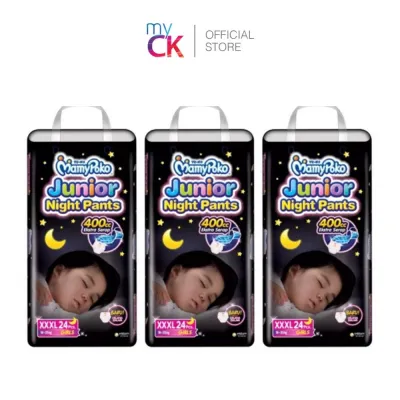
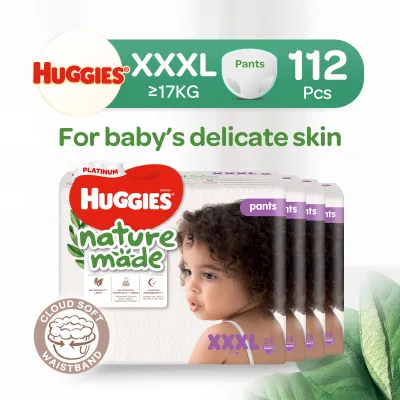
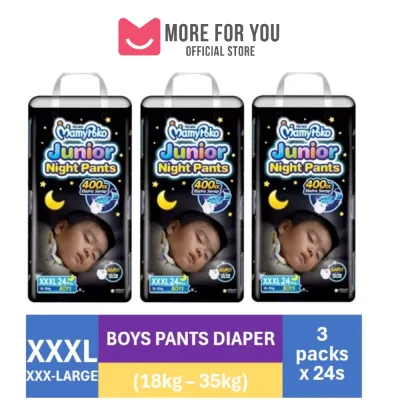
![Mamypoko Kids Pants Premium Baby Diapers [BOY] XXXL10 (4 Packs) (18 - 35kg)](https://img.lazcdn.com/g/p/cebe34828a761a690a79886c98e82630.jpg_400x400q80.jpg_.webp)
![Mamypoko Kids Pants Premium Baby Diapers [BOY] XXXL10 (1 Pack) (18 - 35kg)](https://img.lazcdn.com/g/p/00a35f27ebfbcac6e0f1dd3e688e08c7.jpg_400x400q80.jpg_.webp)
![[Carton Sale]NOMIEO Diapers Pants / Tape S M L XL XXL XXXL bundle of 3 Baby disposable diapers](https://img.lazcdn.com/g/p/mdc/b7bbf8f670dd10c9c495b30106ee151a.jpg_400x400q80.jpg_.webp)
Prices are valid at publication and may change. Please refer to the product page for the latest price.
To simplify your decision, consider a conditional approach based on your toddler’s physical build. If your child has a sturdier frame with thicker thighs and a rounder belly, prioritize brands that feature highly stretchable waistbands and wider, more generous cuts. This prevents the elastic from digging into the skin and causing painful red marks.
Conversely, if your toddler is tall and lean, look for brands with a narrower, more contoured cut and high-capacity channel cores. This design keeps the diaper snug against the body to prevent sagging and gaps. For overnight use, select diaper pants specifically engineered with multi-channel absorption technology designed to lock away moisture for up to 12 hours.
For daytime active play, a lighter, more breathable diaper with flexible leg cuffs may offer better comfort and freedom of movement. Before committing to a bulk purchase, always buy a single trial pack to verify the fit, skin compatibility, and leak protection in real-world conditions.
The Unique Challenges of Diapering Larger Toddlers
As toddlers grow into the preschool years, their physical development introduces new diapering challenges that standard infant designs cannot adequately address. Older toddlers are constantly on the move—running, jumping, climbing, and squatting. This high level of physical activity puts immense stress on the diaper’s structure, particularly the waistband and leg cuffs. A diaper must remain securely in place during vigorous play without restricting movement or causing friction against the skin.

Furthermore, the volume of urine produced by a larger toddler is substantially higher than that of an infant. A toddler’s bladder capacity increases with age, meaning they release larger amounts of liquid at once rather than small, frequent amounts. This requires a diaper core that can absorb sudden, heavy surges of moisture rapidly to prevent pool-like leaks before the liquid has time to distribute throughout the core.
Body proportions also change significantly during this stage. Toddlers begin to lose their infant baby fat, developing more muscle definition and shifting their fat distribution around the waist, hips, and thighs. Because of these rapid and varied physical changes, the gap between diaper sizes becomes much wider at the larger end of the spectrum. An XXL diaper may suddenly become too tight, yet different brands of XXXL pants diapers can vary wildly in their actual dimensions, elasticity, and overall cut.
These shifting proportions make a secure fit at the leg cuffs and waistband absolutely critical. If the leg cuffs are too loose, side blowouts are inevitable, especially when the child sits or squats. If the waistband lacks sufficient elasticity, the weight of a wet diaper will cause it to sag, pulling the core away from the body and creating gaps where moisture can easily escape. Understanding these physical dynamics is the first step in selecting a diaper that keeps your child dry and comfortable.
How to Compare Fit and Leak Protection for Active Toddlers
When evaluating different XXXL diaper pants, the physical design of the diaper is the most reliable indicator of how well it will perform on your child. Parents should look closely at three key fit dimensions: waistband elasticity, leg cuff design, and the overall cut of the diaper.
The waistband must offer a balance between stretch and recovery. A high-quality waistband should stretch easily to accommodate a full tummy after meals, yet contract securely to keep the diaper from sliding down during active play. Look for waistbands with multiple fine elastic strands rather than a few thick, rigid bands, as fine strands distribute pressure more evenly across the skin.
Leg cuffs are the primary defense against leaks, particularly side blowouts. The most effective designs feature double-layered gathered ruffles that stand upright when the diaper is opened. These ruffles act as a physical barrier, catching liquid before it can escape. Flat seals, by contrast, are more prone to folding inward or outward, which compromises their containment ability.
The overall cut of the diaper can be categorized as either narrow (trim) or wide (broad). To determine which cut suits your toddler, use this simple checklist:
- Thicker Thighs and Round Bellies: Choose wide-cut brands with highly flexible, deep waistbands. A narrow cut on a chunky toddler will often result in the elastic digging into the thighs, leaving deep red marks and increasing the risk of friction-induced skin irritation.
- Lean and Tall Builds: Opt for narrow-cut, contoured brands. A wide-cut diaper on a lean child will leave excess material bunching between the legs, creating gaps at the thighs where liquid can easily seep out.
Once you have applied the diaper, always perform a quick three-step fit check to ensure maximum leak protection:
- The Two-Finger Rule: Slide two fingers easily inside the waistband. If it feels tight or leaves an impression on your fingers, the waistband is too snug.
- The Leg Cuff Check: Run your finger around the inside of the leg cuffs to ensure the outer ruffles are fully flared outward and not tucked inside the diaper.
- The Movement Test: Observe your toddler as they squat, run, or climb. Look for any gaping around the lower back or thighs during these movements. If gaps appear, the diaper is either the wrong cut or too large.
Common fit failures in XXXL sizes often manifest as the diaper sliding down or sagging excessively even when dry. This is usually caused by a weak waistband that cannot support the weight of the diaper’s larger core. If you notice the waistband digging into your child’s skin or leaving persistent red marks, it is a clear sign to check the manufacturer’s weight guidelines on the packaging. Weight ranges for XXXL diapers can vary significantly—some brands cater to children weighing 15 to 25 kilograms, while others are designed for weights exceeding 28 kilograms. Always verify the specific weight range recommended by the manufacturer rather than relying solely on the size label.
Evaluating Absorbency for Daytime and Overnight Use
Absorbency requirements differ dramatically depending on the time of day and your toddler’s activity level. During the daytime, the primary goal is quick absorption. An active toddler needs a diaper that draws moisture away from the skin instantly, keeping the surface dry even when they are sitting, running, or jumping. This prevents moisture from sitting against the skin, which is a leading cause of diaper rash.
For overnight use, the priority shifts from speed to total capacity. An overnight diaper must be capable of holding multiple heavy wettings over a 10- to 12-hour period without leaking or sagging excessively. To achieve this, high-quality overnight diapers utilize advanced core technologies, such as multi-channel designs. These channels distribute liquid evenly along the length of the diaper core rather than allowing it to pool in one spot. This prevents the heavy, uncomfortable sagging in the crotch area that can restrict a toddler’s movement or wake them up during the night.
In Singapore’s hot and humid climate, breathability is just as important as absorbency. High humidity levels can trap heat and moisture inside the diaper, creating a breeding ground for bacteria and skin irritation. Look for diaper pants that feature microporous outer covers, which allow hot air to escape while keeping liquid locked inside.
To evaluate a diaper’s performance before committing to a large purchase, you can conduct a simple at-home test using a trial pack:
- Core Clumping Check: After your child has worn the diaper for a few hours, feel the core. If the absorbent material has broken apart into hard clumps, the diaper lacks structural integrity, which can cause discomfort and uneven absorption.
- Surface Dampness Test: Press a dry paper towel firmly against the inside of a moderately wet diaper. If the paper towel comes away damp, the diaper's top sheet is not effectively locking away moisture, increasing the risk of skin irritation.
- Wetness Indicator Accuracy: Check if the wetness indicator line changes color clearly and consistently. While not strictly necessary for older toddlers, a reliable indicator helps caregivers monitor wetness without constantly pulling at the waistband.
If your child develops persistent skin irritation, redness, or a diaper rash that does not improve with standard barrier creams, stop using the diaper brand immediately. Consult a pediatrician or a qualified healthcare professional to rule out allergic reactions to specific diaper materials or adhesives.
Calculating True Value and Cost Per Piece in Singapore
When shopping for XXXL diaper pants in Singapore, looking only at the retail price per pack can be highly misleading. As diaper sizes increase, the number of pieces per pack decreases significantly. While a pack of Medium or Large diapers might contain 40 to 50 pieces, an XXXL pack often contains as few as 18 to 28 pieces. This means the cost per piece is naturally much higher, making it essential to calculate the true unit cost to manage your monthly household budget effectively.
To find the true cost, divide the total price of the pack by the number of diapers inside (Price / Pieces = Cost per Piece in SGD). For example, a pack costing S$22.00 with 22 pieces has a unit cost of S$1.00 per diaper, whereas a pack costing S$25.00 with 30 pieces has a lower unit cost of approximately S$0.83 per diaper, despite the higher upfront price.
Parents must also weigh the trade-offs between premium and standard lines within the same brand. Premium lines often feature ultra-soft materials, organic cotton top sheets, or advanced overnight cores. While these features are highly beneficial for toddlers with extremely sensitive skin or those prone to heavy overnight leaks, they come with a premium price tag. For daytime use, when diapers are changed more frequently, a standard line with reliable basic absorbency may offer much better value, allowing you to reserve the more expensive premium diapers strictly for overnight wear.
To optimize your diapering budget in Singapore, employ these practical purchasing strategies:
- Compare Retail Channels: Compare pack sizes and unit prices across local physical supermarkets, such as NTUC FairPrice and Cold Storage, as well as major online marketplaces and ecommerce platforms. Online platforms often offer bulk bundles that lower the cost per piece significantly.
- Leverage Subscription Services: Many online retailers offer subscription discounts for recurring deliveries. This is an excellent way to save on established brands that you know fit your child well.
- Stack Vouchers and Promotions: Look out for platform-specific monthly sales, credit card promotions, and voucher stacking opportunities to maximize your savings.
However, a word of caution: never bulk-buy a new brand of XXXL diaper pants simply because it is on sale. An ill-fitting bulk stash that causes frequent leaks or skin irritation represents poor value, regardless of how cheap it was. Always purchase a single trial pack first to verify fit and skin compatibility before investing in carton deals.
Final Decision Framework: Matching the Diaper to Your Toddler
To help you finalize your choice, use this structured decision framework to match the diaper design to your toddler’s specific needs:
- Choose Wide-Cut, High-Stretch Brands if: Your toddler has a sturdy, robust build with thicker thighs and a rounder belly, is highly active during the day, and requires maximum freedom of movement without skin chafing.
- Choose Slim-Cut, High-Capacity Core Brands if: Your toddler has a lean, tall build, and your primary requirement is reliable, long-lasting overnight protection that prevents sagging and back leaks.
- Choose Standard, Budget-Friendly Brands if: You are diapering primarily for daytime use with frequent scheduled changes, and your child does not have highly sensitive skin.
Remember that the transition to XXXL diaper pants is often the final stage of a child’s diapering journey. If you find that even the largest XXXL sizes are leaking frequently despite a correct fit, or if the waistbands consistently leave deep, painful red marks, it may indicate that your child has physically outgrown disposable diapers. In such cases, these signs suggest it may be time to begin transitioning toward toilet training rather than searching for an even larger diaper size. Always monitor your child’s developmental readiness and consult a pediatrician or early childhood specialist if you require guidance on the toilet training process.

Community discussion
Share your experience or ask a question. Comments are reviewed before publication.