
Finding the right extra-large (XL) wet bag in Singapore requires balancing capacity, material durability, and local lifestyle needs. Whether you are managing a full day of cloth diapering, packing wet swimsuits after a trip to a water play park, or organizing soiled clothes in Singapore’s humid climate, a high-quality XL wet bag prevents leaks and contains odors. To choose the best brand for your diaper bag, you must evaluate how different designs handle moisture, how easily they attach to your stroller, and how their care requirements fit into your weekly laundry routine. Rather than looking for a single universal winner, the ideal choice depends on your specific daily usage patterns and storage setup.
Core Decision Criteria for Comparing XL Wet Bags
When comparing XL wet bags, the first step is defining your actual capacity requirements. An XL wet bag typically measures around 40 by 50 centimeters or larger, designed to hold approximately 8 to 10 cloth diapers or multiple changes of heavy toddler clothing. Before purchasing, measure the interior of your primary diaper bag or the storage basket of your stroller to ensure the physical dimensions of a fully packed wet bag will fit comfortably without forcing other essentials out.
Strap configurations play a critical role in how you transport wet gear during daily outings. Look for brands that offer versatile handle designs, such as snap-on utility straps or adjustable shoulder straps. A sturdy snap handle allows you to hang the heavy bag directly from a stroller handlebar or a bathroom hook, keeping your hands free and saving precious space inside your diaper bag.
Products mentioned in this guide
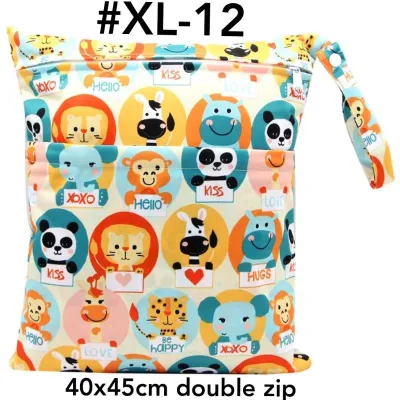
![[SG Ready Stock] Large 36 x 30 cm / 40 x 45 cm Waterproof Reusable Diaper Wetbags Swim Bag Toiletries WBLA [Little Gems SG]](https://img.lazcdn.com/g/p/3f6d7d23a73a4a0840932c0a4301754a.jpg_400x400q80.jpg_.webp)
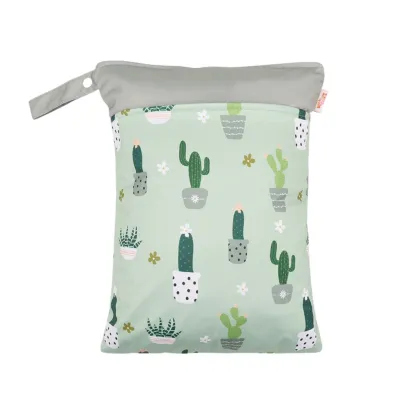
![[SG Instock] Personalized Wet Bags customised with name for Preschool Gym Swimming Baby Diaper Bag](https://img.lazcdn.com/g/p/fd248e80ba99edfe3290d80b493a9f78.jpg_400x400q80.jpg_.webp)
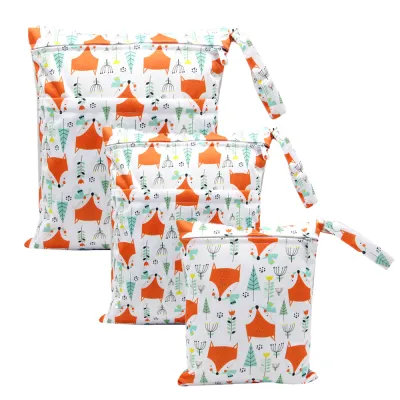
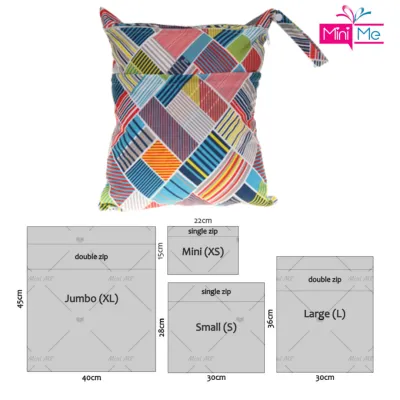
Prices are valid at publication and may change. Please refer to the product page for the latest price.
The internal layout of the bag determines how efficiently you can organize clean and soiled items. A conditional decision framework helps narrow down your options: choose a brand featuring dual compartments if you need to carry dry clothes and wet items in a single, streamlined bag. Conversely, select a single-compartment design if your primary goal is maximizing bulk capacity for large, uniform loads like wet towels or a full day’s worth of soiled diapers.
Consider how the bag’s structure adapts to different environments in Singapore. For instance, families who frequently visit outdoor parks or public pools need a bag that can hang securely on various surfaces, whereas parents using the bag primarily for infant childcare drop-offs might prioritize a compact, fold-flat design that fits neatly into a cubby.
Evaluating Material Quality and Care Requirements
The waterproofing technology used in wet bags directly impacts their longevity and performance. Most reputable brands construct their bags using Polyurethane Laminate (PUL) or Thermoplastic Polyurethane (TPU). When comparing brands, verify the manufacturer’s product descriptions to confirm whether the fabric is chemically bonded or heat-laminated, as heat-sealed seams generally offer superior leak resistance compared to standard stitched seams that can allow moisture to wick through the needle holes.

Singapore’s warm, humid climate makes proper hygiene and frequent washing essential to prevent mold and mildew growth. Carefully read the care labels of each brand before buying, paying close attention to washing temperature limits and detergent restrictions. Some materials can withstand warm machine washes up to 60 degrees Celsius, while others require cold washes and must be line-dried to prevent the waterproof laminate from cracking or peeling away from the fabric.
Avoid relying solely on unverified marketplace claims regarding fabric safety and chemical composition. Instead, look for independent safety certifications, such as the OEKO-TEX Standard 100, on the official brand website or product packaging. These certifications verify that the materials used in the wet bag are free from harmful levels of substances, which is particularly important when storing items that come into direct contact with your baby’s sensitive skin.
Keep in mind that improper drying is one of the most common causes of premature wet bag failure. If your household relies heavily on a clothes dryer, look specifically for brands that explicitly state their laminate can tolerate low-heat tumble drying, as exposing non-compatible TPU or PUL to high dryer heat will quickly ruin the waterproof barrier.
Comparing Closure Mechanisms and Leak Prevention
A wet bag is only as reliable as its closure system, especially when containing heavily soiled diapers or soaking-wet swimwear. High-quality brands utilize water-resistant zippers that glide smoothly without catching on the fabric. To prevent moisture from wicking through the zipper teeth, look for designs that incorporate a zipper garage—a small fabric pocket that covers the zipper pull when fully closed—or a protective fabric flap that covers the entire zipper track.
The weight of an XL wet bag increases significantly when filled with wet items, putting immense strain on the handles and attachment points. Examine the construction of the snap handles, looking for reinforced stitching at the stress points where the strap meets the main body of the bag. Brands that use double-layered fabric or cross-stitched reinforcement are less likely to suffer from torn straps or broken snaps over months of heavy use.
Consider the overall shape and opening design of the bag to ensure easy loading and unloading. Top-gusseted or expandable bottom designs allow the bag to expand outward, accommodating bulky items like hooded towels or winter jackets without putting excessive pressure on the zipper. A wide opening also makes it much easier to place soiled items inside without contaminating the exterior zipper track or surrounding fabric.
Assess the sealing capability of the bag’s seams under pressure. While a bag might hold damp clothes easily, storing soaking-wet items requires a truly water-resistant seal. Checking user instructions or manufacturer specifications for taped seams or seamless bottoms can help you identify brands engineered to prevent liquid from pooling and escaping through the bottom corners.
Assessing Price Points and Brand Value
When comparing the cost of different XL wet bag brands in Singapore, look beyond the initial price tag to evaluate long-term value. Compare base prices in S$ across official brand stores and authorized retailers on local e-commerce platforms. Keep an eye out for bundle discounts or multi-pack options, which often lower the cost per bag and provide you with a convenient rotation while one bag is in the wash.
Factor in local shipping costs and delivery times when purchasing from international versus local retailers. Some premium international brands may have higher upfront costs but offer robust customer support and clear warranty terms. Always verify what the manufacturer’s warranty covers—such as zipper failures, seam splits, or delamination—and check the specific process required to claim a replacement or refund in Singapore.
Your household’s laundry frequency should dictate how many XL wet bags you need to purchase. If you wash diapers or swim gear every day, a single high-quality XL wet bag might suffice; however, if you wash every two to three days, investing in a two-pack or three-pack ensures you always have a clean, dry bag ready for use while the others are laundering or drying.
Weighing the upfront cost against the expected lifespan of the bag is crucial for budget planning. A cheaper, non-branded wet bag may save money initially but might require replacement after a few months due to peeling laminate or broken zippers, whereas a slightly more expensive, well-constructed brand can last through multiple children, ultimately offering better cost-per-use value.
Frequently Asked Questions (FAQ)
Can I use an XL wet bag for storing wet swimwear and towels?
Yes, XL wet bags are highly versatile and excellent for storing wet swimwear and towels after pool or beach outings. However, keep in mind that bulky beach towels take up significantly more space than flat diapers, so you may need to verify that the bag’s dimensions can accommodate the volume of your specific gear. Additionally, always check the manufacturer’s guidelines regarding exposure to chlorine or saltwater, as these substances can degrade the waterproof lining if left unrinsed; make sure to rinse both the swimwear and the wet bag with fresh water before running them through a standard machine wash.
How do I prevent odors from building up in an XL wet bag between washes?
To prevent unpleasant odors from building up, avoid leaving a damp, sealed wet bag inside a dark, unventilated diaper bag or closet for extended periods. Instead, hang the wet bag in a well-ventilated area with the zipper slightly cracked to allow air circulation, which helps slow down the growth of odor-causing bacteria. When washing, follow the manufacturer’s approved laundry routines, using standard detergents while strictly avoiding harsh chemicals, fabric softeners, or bleach, as these additives can permanently damage the waterproof laminate and trap odors within the fabric fibers.
What are the signs that an XL wet bag needs to be replaced?
You should inspect your XL wet bag regularly for physical signs of wear and tear that compromise its hygiene and functionality. The most common sign of failure is delamination, which appears as peeling, bubbling, or flaking of the shiny plastic-like interior lining. Other clear indicators that the bag needs to be replaced include persistent, sour odors that remain even after a proper wash cycle, broken or splitting zipper tracks, and moisture visibly seeping through the seams or fabric during normal use. If you observe structural leaks or delamination early in the bag’s lifespan, discontinue use and consult the brand’s warranty policy to see if you qualify for a replacement.

Community discussion
Share your experience or ask a question. Comments are reviewed before publication.