
Active toddlers present a unique diapering challenge. As children transition from crawling to walking, running, and climbing, their physical movements put continuous stress on diaper seals. In Singapore’s warm and humid climate, finding the right extra-large (XL) diaper is not merely a matter of choosing a popular brand name. A diaper must balance rapid liquid absorption with a secure, flexible fit that prevents chafing and heat rash. Because every toddler has a unique body shape—some with rounder bellies, others with chunkier thighs—there is no single diaper brand that works perfectly for every child. Instead, selecting the best XL diaper requires a systematic evaluation of structural design, material breathability, and physical fit. This guide provides a practical framework to help you compare the absorbency, flexibility, and cut of leading XL diaper options available on the market, ensuring your active toddler stays dry, comfortable, and rash-free throughout the day and night.
Core Performance Metrics to Compare in XL Diapers
To make an objective comparison between different XL diaper brands, you must look closely at the engineering of the diaper itself. The primary component to evaluate is the absorbent core. Modern disposable diapers typically use a blend of fluff pulp and superabsorbent polymers (SAP). How these materials are distributed makes a significant difference in performance. Some brands utilize a channel-based design, where the SAP is pocketed into distinct vertical channels. This structure helps distribute liquid evenly along the length of the diaper, preventing the wetness from pooling in one spot and causing the diaper to sag. Other brands use a traditional uniform pad design, which can offer a thicker cushion but may bunch up and restrict movement once saturated.
Another critical absorbency feature is the standing leak-guard gusset. These are the raised inner barriers that run along the leg openings. For an active toddler, these gussets must be tall and elastic enough to contain sudden, high-volume voids before the liquid can escape. Look for double-layered gussets that provide a secondary barrier of defense.
Products mentioned in this guide
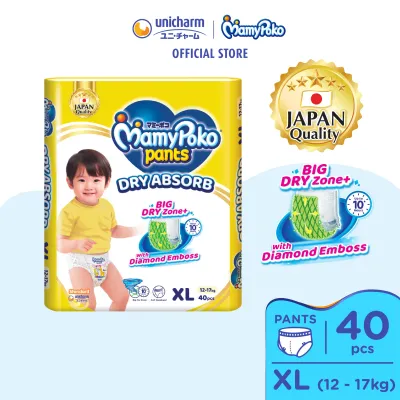
![MamyPoko Extra Dry Pants Premium Baby Diapers [UNISEX] XL32 (4 Packs) (12 - 17kg)](https://img.lazcdn.com/g/p/5b6058567bfc55657495390de0e16873.jpg_400x400q80.jpg_.webp)
![MamyPoko Air Fit Marshmallow Pants Super Premium Baby Diapers [BOY] XL38 (4 Packs) (12 - 22kg)](https://img.lazcdn.com/g/p/eacd96335d996f78b394f6a3845f958a.jpg_400x400q80.jpg_.webp)
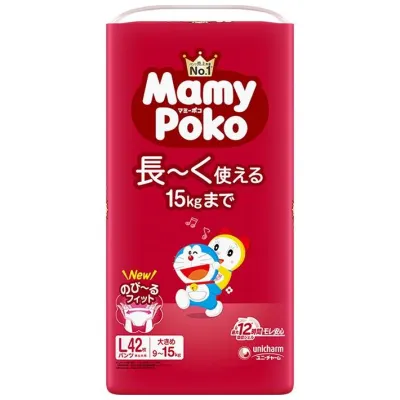
Prices are valid at publication and may change. Please refer to the product page for the latest price.
Fit and flexibility are equally vital for a child who is constantly on the move. Evaluate the elasticity of the waistband and the leg cuffs. A high-quality XL diaper should feature a wide, highly stretchable waistband that conforms to the toddler’s changing abdominal shape as they breathe, sit, and play. If the elastic is too stiff, it can cause discomfort; if it is too loose, the diaper will slide down under the weight of wetness.
In Singapore’s humid environment, breathability is a non-negotiable metric for skin health. When moisture and body heat are trapped inside a diaper, the skin barrier weakens, making the toddler highly susceptible to diaper rash and yeast infections. Examine the outer cover of the diaper. It should feel soft and cloth-like rather than plastic-like, indicating a microporous structure that allows heat and vapor to escape while keeping liquid safely contained.
How to Evaluate Diaper Fit and Absorbency at Home
Rather than relying on manufacturer marketing claims, you can perform simple, practical checks at home to evaluate how well a specific XL diaper brand fits your toddler. The first and most reliable test is the “two-finger” rule. Once the diaper is fastened, slide two fingers under the waistband at both the front and back. The fit should feel snug but comfortable, without squeezing your fingers tightly. Perform the same check around the leg openings. If you cannot easily fit two fingers, or if you notice deep, persistent red marks on your toddler’s skin after removal, the diaper is too tight or the cut is incompatible with your child’s body shape.

Next, observe the diaper’s structural integrity during and after active play. Watch your toddler as they run, squat, and climb. A well-designed XL diaper should stay securely in place, moving in harmony with the child’s body. If you notice the diaper sagging significantly even when it is dry, or if the absorbent core shifts and bunches to one side after a short period of play, the diaper lacks the structural support needed for an active toddler.
Finally, keep a close eye on leak patterns to diagnose the root cause of any diaper failures. If leaks occur primarily around the thighs, it usually indicates a fit issue, such as loose leg cuffs or inner ruffles that were not properly flared out. Conversely, if leaks occur at the waistline—particularly at the back when the toddler is sitting or at the front when they are sleeping on their stomach—it often points to an absorbency issue, where the core cannot absorb the liquid quickly enough to keep up with the flow.
Decision Framework: Choosing the Right XL Diaper Style
When choosing between different XL diaper options, your decision should be guided by your toddler’s daily routine, physical development, and skin sensitivity. The first major choice is between pant-style (pull-ups) and traditional tape-style diapers. Pant-style diapers are highly recommended for toddlers who are extremely active and resist lying down for diaper changes. They can be slipped on quickly while the child is standing, and their 360-degree elastic waistbands provide excellent flexibility for running and climbing. However, tape-style diapers offer a distinct advantage for toddlers with unique body proportions. If your child has a very slim waist but chunky thighs, or a round belly with slender legs, tape-style diapers allow you to customize the angle and tightness of the fasteners to achieve a secure, personalized seal.
Skin sensitivity must also play a central role in your decision. If your toddler has a history of eczema, contact dermatitis, or frequent diaper rashes, prioritize diapers that are free from added fragrances, lotions, and elemental chlorine. Because safety standards and ingredient formulations can vary, always verify these details by reading the product packaging and checking the manufacturer’s official documentation. If skin irritation or diaper rash persists despite changing diaper styles and maintaining proper hygiene, stop using the product and consult a qualified healthcare professional or pediatrician.
Finally, practical household budgeting requires a clear understanding of cost-per-piece. Because XL diapers are larger and contain more absorbent material than smaller sizes, they are generally more expensive per unit. To compare costs accurately, calculate the cost-per-piece in S$ by dividing the total price of a pack by the number of diapers inside. Compare these unit prices across official brand stores and reputable e-commerce platforms in Singapore to identify bulk purchasing options or subscription models that offer the best balance of performance and affordability.
Troubleshooting Common Leaks and Fit Issues in XL Sizes
Experiencing leaks with an XL diaper does not automatically mean the brand is of poor quality; often, the issue can be resolved with minor adjustments. Start by distinguishing between compression leaks and saturation leaks. A compression leak occurs when a wet diaper is subjected to physical pressure—such as when a toddler sits down hard on a chair or rides a toy—forcing liquid out of the absorbent core. If you notice wetness on your toddler’s clothes but the diaper core does not feel fully saturated, this is likely a compression leak, which can often be resolved by switching to a brand with a more stable, channel-based core design. A saturation leak, on the other hand, occurs when the diaper has simply reached its maximum liquid capacity.
To prevent leaks caused by improper application, always ensure that the inner leg ruffles (the elasticized barriers inside the leg cuffs) are fully pulled out and flared around your toddler’s thighs. When applying tape-style diapers, fasten the tapes symmetrically along the front panel grid to ensure the diaper is centered and balanced.
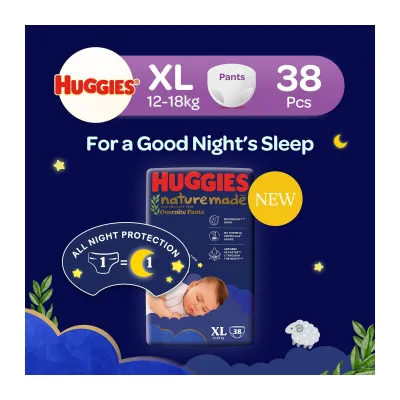
If you find that your toddler is consistently leaking through their diaper despite correct application and a proper fit, it may be a physical sign that they are ready to size up to XXL. This is especially true if the diaper’s fastening tapes can barely reach the designated landing zone, or if the waistband sits significantly below the belly button. For toddlers who wet heavily during the night, transitioning to dedicated overnight pants or utilizing a separate diaper booster pad can provide the extra capacity needed to prevent leaks and ensure a dry, comfortable night’s sleep.
Frequently Asked Questions (FAQ)
When should I transition my toddler from L to XL diapers?
You should transition to XL diapers when you observe physical signs of poor fit, such as deep red marks on your toddler’s waist or thighs, frequent leaks, or the fastening tapes struggling to reach the center panel. Additionally, cross-reference your toddler’s current weight and thigh circumference with the sizing guidelines provided on the manufacturer’s packaging, as weight ranges can vary between different brands.
Are pant-style XL diapers better for active toddlers than tape-style?
Pant-style diapers are generally better for highly active toddlers because they offer a 360-degree stretchy waistband that moves easily with the child and allows for quick, standing changes. However, tape-style diapers remain superior for toddlers with unique body shapes, as they allow you to customize the tightness around the waist and legs for a more secure, tailored seal.
How can I prevent overnight leaks if the XL diaper is fully saturated?
To prevent overnight leaks, first verify that the diaper is applied correctly with the inner leg ruffles fully flared outward before your toddler goes to sleep. If the diaper is fully saturated by morning, consider switching to a dedicated overnight-specific XL diaper with a higher absorbency capacity, or add a compatible diaper booster pad to handle the heavy liquid volume.

Community discussion
Share your experience or ask a question. Comments are reviewed before publication.