
Finding the right XL diaper pants in Singapore is less about finding a single universally superior brand and more about matching a diaper’s specific design to your toddler’s unique body shape, movement patterns, and wetting habits. Because every child is built differently, a brand that offers leak-free nights for one toddler might lead to frequent laundry sessions for another. To make an informed choice, parents must look beyond marketing claims and evaluate structural features like core technology, waistband elasticity, and leg cuff designs.
Understanding the XL Stage and Leakage Causes
As toddlers transition to XL diaper pants, typically around the time they become highly active walkers or runners, diaper performance is put to a completely new test. At this developmental stage, leaks generally stem from one of two distinct issues: absorbency failure or fit failure. Understanding which of these problems you are facing is the first step toward resolving diaper leaks.
Absorbency failure occurs when the diaper’s core has reached its maximum liquid capacity and simply cannot hold any more moisture. This is common during long overnight stretches or when a toddler consumes a large amount of fluids before bed. In contrast, fit failure happens when the diaper still has dry areas, but gaps at the legs or waist allow urine to bypass the absorbent core entirely.
Products mentioned in this guide
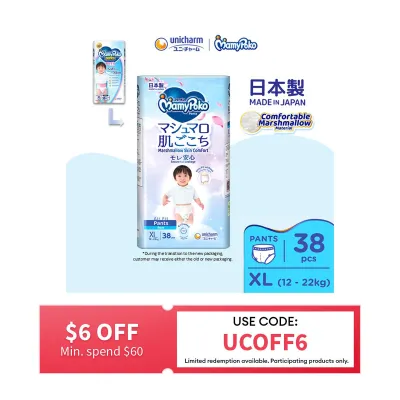
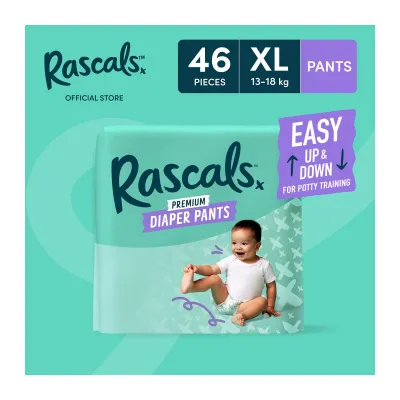
Prices are valid at publication and may change. Please refer to the product page for the latest price.
The physical changes in an active toddler significantly increase the risk of fit failure. Increased mobility, such as climbing, squatting, and running, constantly shifts the diaper’s position. Furthermore, larger urine volumes are released more rapidly at this stage, putting sudden pressure on the diaper’s containment barriers. Sleeping positions also change, with many toddlers rolling onto their tummies or sides, which concentrates wetness in specific areas rather than distributing it evenly.
To minimize these issues, caregivers should always prioritize the manufacturer’s weight and size guidelines printed on the packaging over the child’s age. Age ranges on diaper packaging are merely broad estimates, whereas weight ranges provide a much more accurate baseline for the elastic tension and core capacity of the diaper. If your toddler is approaching the upper limit of a size’s weight range, it is often a signal to start evaluating the next size up.
Core Features to Evaluate for Absorbency and Leak Protection
When comparing different XL diaper pants brands on supermarket shelves or online marketplaces in Singapore, reading the packaging carefully can reveal key structural differences. The first element to evaluate is the absorbent core technology. Look for brands that specify the use of advanced distribution channels or specialized moisture-locking polymers. These materials are designed to draw liquid away from the surface quickly and distribute it evenly throughout the core, preventing the diaper from sagging or clumping in one spot.

Another critical feature is the design of the leg cuffs, which act as the primary barrier against side leaks. High-quality diaper pants typically feature double-layered leak guards that stand upright along the inner thigh. When examining a diaper, check the elasticity and height of these inner guards. They must have enough tension to hug the toddler’s thighs securely during active play without being so tight that they restrict circulation or cause discomfort.
Waistband elasticity is equally vital, particularly for preventing leaks at the back or stomach. A wide, highly flexible waistband allows the diaper to expand and contract as the toddler breathes and moves. For tummy sleepers, a waistband with a snug, high-rise fit is essential to catch urine that flows upward before the core can absorb it. Look for brands that offer 360-degree stretch, which ensures the waistband conforms to the child’s torso regardless of their posture.
Finally, in Singapore’s hot and humid climate, the breathability of these materials is a major consideration. While not directly related to leak containment, a highly breathable outer cover prevents heat and moisture buildup, reducing the risk of skin irritation. When comparing brands, look for terms like “micro-pores” or “breathable outer sheet” on the packaging, and verify these claims by checking for a soft, cloth-like texture rather than a plastic feel. If skin irritation or persistent redness occurs, stop use and consult a qualified healthcare professional. Additionally, because certifications, recalls, and safety standards are dynamic, caregivers should verify these details directly on the manufacturer’s official website or product packaging before purchasing.
Matching Diaper Designs to Your Toddler's Routine
Selecting the right diaper profile requires a conditional approach based on your toddler’s daily routine and physical habits. No single diaper design excels in every scenario, so many parents find it practical to use different brands or styles for daytime activities and nighttime sleep.
If your toddler is a heavy nighttime wetter or sleeps for long, uninterrupted stretches of ten to twelve hours, prioritize high-capacity, thicker-core designs. These diapers often feature a denser concentration of superabsorbent polymers designed to lock away multiple wettings over several hours. While these designs may feel slightly bulkier, the priority during sleep is maximum containment and keeping the skin dry to prevent waking.
For daytime wear, especially when your toddler is highly active, a slim and highly flexible diaper design is usually more appropriate. Active toddlers benefit from diaper pants with lightweight cores and exceptionally stretchy side panels that move with them. A bulky diaper can sag when partially wet, which not only restricts movement but also pulls the leg cuffs away from the body, creating gaps that lead to leaks.
If you notice that leaks consistently occur in specific positions—such as at the front for boys or tummy sleepers, or at the back for back sleepers—consider specialized overnight variants or high-waist designs. Some manufacturers offer gender-specific designs with targeted absorption zones, or dedicated night pants with extended coverage at the waist. Always verify the manufacturer’s intended use case on the packaging to ensure the diaper’s structural reinforcements align with your child’s sleeping habits.
How to Test Fit and Verify Performance at Home
Before committing to a bulk carton purchase of a new XL diaper pants brand, it is highly recommended to conduct a systematic home trial. Purchasing large quantities upfront can lead to waste if the diaper’s cut does not suit your child’s build. Instead, look for small trial packs or sample packs, which are widely available at local pharmacies, supermarkets, or e-commerce platforms in Singapore for a nominal cost of just a few S$.
Once you have a trial pack, perform a standard fit check when putting the diaper on your toddler. First, run two fingers smoothly around the waistband and the leg gathers; the elastic should feel snug but comfortable, with enough stretch to accommodate movement. Second, ensure that the inner leak guards are fully flipped outward rather than tucked inward, as tucked guards are a primary cause of bypass leaks. Finally, check the skin when changing the diaper; if you notice deep, persistent red marks around the thighs or waist, the elastic tension may be too high, or the diaper may be too small.
To diagnose recurring leaks, keep a simple log of when and where the leaks occur over a three-to-five-day trial period. If leaks consistently happen at the leg cuffs within an hour of a fresh diaper change, the issue is likely a fit gap, suggesting you may need a brand with tighter leg elastics or a different cut. If leaks occur only after several hours and the diaper feels heavy and saturated, the core has reached its limit, indicating a need for a higher-capacity brand or an overnight-specific variant.
Frequently Asked Questions (FAQ)
Should I size up to the next size if my XL diaper leaks?
Sizing up is not always the correct solution for a leaking diaper and can sometimes make the problem worse. You should only size up if the current XL diaper is leaving deep, lasting red marks on your toddler’s skin, or if the waistband and leg bands are visibly straining to close. If the diaper fits snugly without gaps but still leaks when fully saturated, sizing up may help by providing a larger absorbent core. However, if the diaper leaks while still partially dry, the issue is likely a fit gap; moving to a larger size will create even larger gaps around the legs and waist, leading to more frequent leaks.
Are overnight XL diaper pants necessary for daytime use?
Using overnight XL diaper pants during the day is generally unnecessary and may not be ideal for an active toddler. Overnight diapers are specifically engineered with thicker, high-capacity cores to handle long periods of lying down, which can make them bulky and restrict physical movement during daytime play. This extra bulk can also cause the diaper to sag prematurely when the child is upright and active. Additionally, because overnight diapers hold more moisture, using them for extended daytime periods without frequent changes can increase the risk of skin irritation; standard daytime diapers, changed regularly, are usually better suited for active daytime routines.

Community discussion
Share your experience or ask a question. Comments are reviewed before publication.