
Choosing a wet dry bag for your diaper bag in Singapore’s warm, humid climate requires looking past marketing claims. There is no single universal option that suits every parent, as the ideal choice depends entirely on your diaper bag’s dimensions, your daily outing duration, and the volume of items you need to carry. Instead of relying on generic brand rankings, the most effective approach is to compare options across material integrity, capacity alignment, and separation mechanisms. By understanding how different brands construct their bags, you can make an informed decision that keeps clean items dry and soiled items securely contained.
Key Dimensions for Comparing Wet Dry Bag Brands
To evaluate the baseline quality and durability of different wet dry bag brands, you must first look at the interior lining. Most reputable brands use either Polyurethane Laminate (PUL) or Thermoplastic Polyurethane (TPU). PUL is typically chemically bonded to the outer fabric, creating a highly durable, slightly stiffer barrier that withstands frequent washing. TPU, on the other hand, is heat-bonded, which often results in a softer, more flexible fabric that many parents find quieter and more pliable. When browsing online marketplaces or local baby boutiques, check the manufacturer’s specifications to verify that the lining is free from harmful chemicals such as BPA, lead, and phthalates, especially since these bags will hold items that come into close contact with your baby’s skin.
Beyond the lining material, the construction of the seams and zippers determines whether a bag is truly leak-resistant. Water can easily seep through the tiny needle holes created during the stitching process. High-quality brands often feature heat-sealed or taped seams on the interior to block moisture from escaping. Examine the zipper closely; a loose or flimsy zipper will let odors and moisture escape into your main diaper bag. Look for brands that use durable, locking zippers with fabric guards to prevent the zipper teeth from snagging the delicate waterproof lining.
Products mentioned in this guide
![[LIL BUBBA] WET BAG LARGE WATERPROOF DUAL COMPARTMENTS DIAPER STORAGE BAG](https://img.lazcdn.com/g/ff/kf/S3600d08886174ed68c870a2e96a6e7eeF.jpg_400x400q80.jpg_.webp)
![[LIL BUBBA] WET BAG DIAPER POD BAG BABY CARRIER STORAGE POUCH LARGE MULTI PURPOSE](https://img.lazcdn.com/g/p/0ded3efddb6c6239227a1204b9dbc752.png_400x400q80.png_.webp)
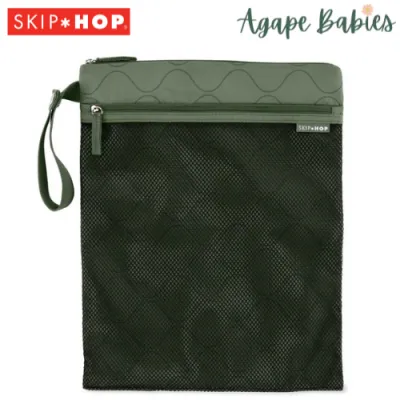
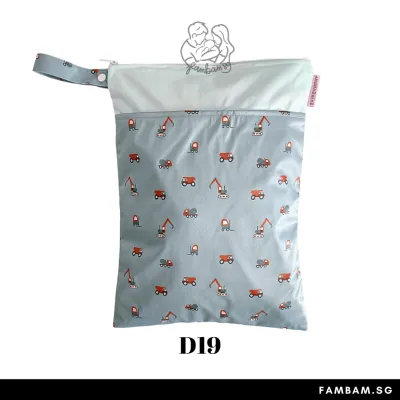
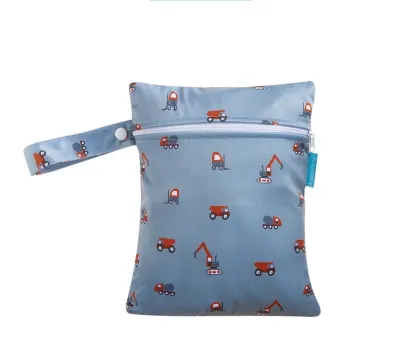
Prices are valid at publication and may change. Please refer to the product page for the latest price.
Before making a purchase, perform a few simple physical checks if you are shopping in person, or look for detailed close-up photos online. Assess the stitching density along the edges; a higher number of stitches per inch generally indicates a stronger seam that is less likely to fray under tension. Feel the thickness of the outer fabric. A double-layered bag, featuring a durable polyester outer shell and an independent waterproof inner lining, typically offers better durability than a single-layer bag where the laminate is exposed directly to the bag’s contents. Finally, check the edge binding; enclosed or bias-bound seams prevent the fabric edges from unraveling over time.
Capacity and Size: Matching the Bag to Your Diaper Bag
Selecting the right wet dry bag size is a balancing act between your baby’s current developmental stage and the physical space available inside your diaper bag. A bag that is too small will force you to cram items inside, putting excessive pressure on the zipper and seams. Conversely, an oversized bag will bunch up, occupying valuable space in your diaper bag and making it difficult to locate other essentials like bottles or pacifiers.

Small wet dry bags, typically measuring around 20 by 25 centimeters, are designed for quick trips, minimal loads, or compact clutch-style diaper bags. These are highly convenient for holding a single spare diaper, a small travel pack of wipes, or soiled pacifiers and teething toys. Because of their compact footprint, they easily slip into the side pockets of most standard diaper bags, keeping small, damp items isolated without taking up the main compartment.
Medium wet dry bags, usually around 30 by 40 centimeters, serve as the standard everyday size for most parents. This capacity is ideal for holding a full day’s worth of soiled cloth diapers (typically three to four diapers) or a couple of changes of clothes after a messy feeding session or a playdate at an outdoor playground. A medium bag fits comfortably inside standard backpack-style or tote-style diaper bags, leaving plenty of room for formula dispensers, changing mats, and personal items.
Large wet dry bags, measuring 40 by 50 centimeters or larger, are best reserved for travel, swimming lessons, or managing the needs of multiple children. They can easily accommodate wet swimwear, large towels, or bulky toddler clothing. However, before purchasing a large bag, always measure the internal dimensions of your diaper bag’s main compartment. A large wet dry bag can quickly overwhelm a standard diaper bag, so you may want to look for models with flexible, foldable fabrics that can be rolled down when not fully packed.
Functional Features for Wet and Dry Separation
The way a wet dry bag organizes clean and soiled items can significantly impact your daily routine. Single-pocket designs are straightforward and lightweight, making them excellent for parents who only need to carry soiled items home. However, they require you to store your clean spares elsewhere in your diaper bag. Dual-pocket designs solve this issue by featuring two separate zippered compartments—typically one dry outer pocket made of mesh or standard fabric, and one waterproof-lined pocket for wet items. This allows you to keep clean clothes, dry wipes, and clean pacifiers in the same bag as your soiled items without any risk of cross-contamination.
Another critical design feature to consider is the shape of the bag’s bottom. Flat wet dry bags are highly portable and slip easily into narrow pockets when empty, but they bulge awkwardly when filled with bulky items like thick cotton rompers or multiple diapers. Gusseted bottoms, which feature an extra fold of fabric at the base, allow the bag to expand horizontally. This structural design accommodates bulky items naturally, preventing the bag from turning into a round, space-consuming ball inside your diaper bag and reducing stress on the zipper teeth.
Finally, evaluate the bag’s attachment options. Many brands include a strap with a heavy-duty snap handle, allowing you to secure the bag to your stroller handlebar, a bathroom changing table, or the exterior straps of your diaper bag. This is particularly useful when navigating public restrooms or crowded spaces where clean counter space is unavailable. Some bags also feature small fabric loops that are compatible with external carabiners, giving you the flexibility to clip the bag onto almost any gear loop.
Care, Maintenance, and Longevity Checks
To ensure your wet dry bag remains hygienic and waterproof over years of use, you must follow the manufacturer’s specific care guidelines. Always read the care labels before throwing the bag into the washing machine. While many modern TPU and PUL bags are machine washable, some require cold water cycles, while others can tolerate warm water. Avoid using chlorine bleach, fabric softeners, or vinegar, as these harsh chemicals can rapidly degrade the waterproof laminate, causing it to peel away from the fabric shell.
Drying methods are equally critical to the longevity of the bag. High heat from a clothes dryer is the primary cause of delamination, where the waterproof lining bubbles and cracks. Line drying your wet dry bag in a shaded, well-ventilated area is the safest method. In Singapore’s humid climate, ensure the bag is turned completely inside out so that the waterproof interior dries thoroughly; leaving moisture trapped inside the corners can lead to mold and mildew growth. If mold does develop and cannot be safely removed according to the manufacturer’s instructions, discard the bag to protect your baby’s sensitive skin from exposure.
Regularly inspect your wet dry bag for early signs of wear. Look closely at the interior lining for any bubbling, cracking, or peeling, which indicates that the waterproof barrier is failing. Check the seams for fraying threads and test the zipper to ensure it glides smoothly without catching. Additionally, pay attention to persistent odors; if a bag retains a sour smell even after a thorough, compliant wash, the fabric fibers or lining may have degraded, signaling that it is time to replace the bag.
How to Make Your Final Brand Selection
When choosing between different wet dry bag brands, your final decision should be guided by a clear understanding of your daily routine and washing habits. If you primarily need a compact solution for standard daily outings with a single infant, a medium-capacity, dual-pocket bag is highly recommended. This configuration allows you to keep clean and soiled items neatly separated within a standard diaper bag without adding unnecessary bulk.
If your lifestyle involves frequent travel, swimming lessons, or managing multiple young children, a large, gusseted bag is the more practical choice. The expandable bottom and larger volume will easily accommodate bulky towels, wet swimwear, and multiple changes of clothes. For these larger loads, prioritize brands that feature reinforced snap handles so you can easily hang the heavy bag from your stroller frame rather than stuffing it inside your diaper bag.
Before finalizing your purchase, always verify two critical constraints. First, check that the bag’s physical dimensions align with your diaper bag’s main compartment to ensure a comfortable fit. Second, review the manufacturer’s care instructions to ensure they do not conflict with your household laundry routine. If you rely heavily on high-heat tumble drying and cannot commit to line drying, look specifically for brands that certify their bags for low-heat dryer use, or prepare to adjust your routine to protect your investment.
Frequently Asked Questions (FAQ)
Can I use a regular plastic bag instead of a wet dry bag?
While a disposable plastic bag is a common temporary alternative, it lacks the durability, odor containment, and environmental benefits of a purpose-built wet dry bag. Single-use plastic bags tear easily, especially when punctured by zipper teeth, keys, or velcro diaper tabs, which can lead to messy leaks inside your diaper bag. Furthermore, plastic bags trap moisture completely without any breathability, creating a breeding ground for bacteria and strong odors. A high-quality wet dry bag, constructed with breathable yet waterproof TPU or PUL, safely contains dampness and odors while offering a reusable, eco-friendly solution that lasts for years, making the typical investment of S$15 to S$30 highly cost-effective over time.
How many wet dry bags do I need for my diaper bag?
For most families, owning two to three wet dry bags is the ideal setup to ensure you always have a clean one ready. This quantity allows for a seamless rotation: one bag can be packed in your active diaper bag, a second bag can be in the laundry wash or line-drying, and a third can serve as a dedicated backup in your car or stroller basket. If you use cloth diapers full-time or have multiple children in diapers, you may want to increase this number to four or five bags to accommodate more frequent washing cycles and heavier daily usage.

Community discussion
Share your experience or ask a question. Comments are reviewed before publication.