
Finding the right wet bag for swimming with your baby in Singapore depends on your family’s swimming frequency, the volume of gear you carry, and where you swim. Whether you are heading to a public pool, a condo pool, or the beach, containing wet swimsuits, damp towels, and soiled swim diapers without leaking is a daily challenge. Because there are no standardized industry tests for waterproofness in baby accessories, parents must look past generic marketing claims and verify material compositions, seam construction, and capacity directly on manufacturer labels. By focusing on material integrity, size, and portability, you can select a reliable wet bag that keeps your dry gear dry and your wet gear safely contained.
Essential Specs to Verify in Swim Wet Bags
When evaluating wet bags for swimming, the term “waterproof” is often used loosely. To ensure a bag can handle dripping-wet infant swimwear, you must look closely at the technical specifications of the inner lining. Most high-quality wet bags utilize either Thermoplastic Polyurethane (TPU) or Polyurethane Laminate (PUL), which are heat-bonded or chemically laminated to a fabric backing to create a flexible, water-resistant barrier. When shopping, check the product packaging or online specifications to confirm these specific materials rather than relying on vague descriptions like “water-resistant fabric.”
Beyond the fabric itself, the seams of the wet bag are the most common failure points where moisture can seep through. Standard sewing needles create tiny punctures in the waterproof lining, allowing water to slowly leak out under pressure. High-performance wet bags often feature sealed, taped, or heat-welded seams that cover these needle holes to prevent leaks. When inspecting a bag, turn it inside out to check for reinforced or taped seams. Additionally, look for water-resistant zippers or roll-top closures; while a standard zipper is sufficient for damp items, a water-resistant zipper with a fabric storm flap provides much better protection.
Products mentioned in this guide
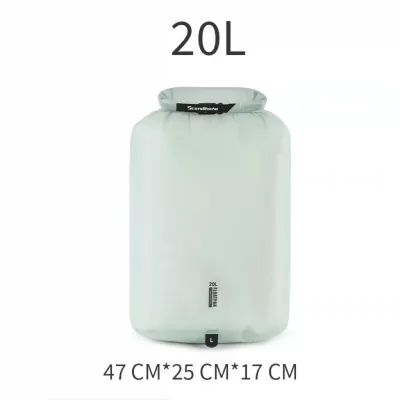
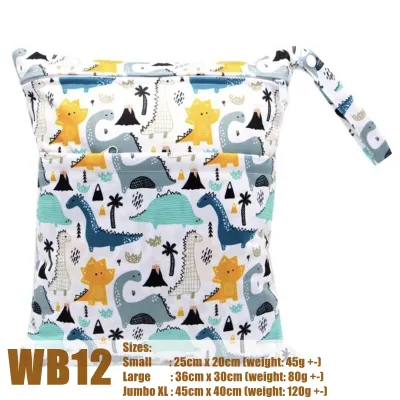
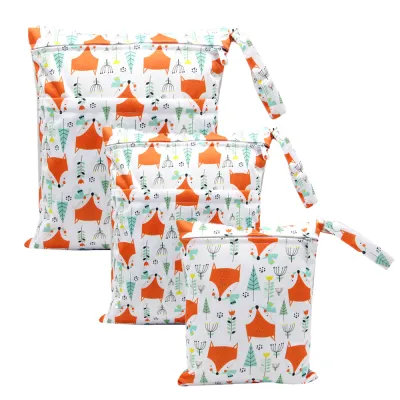

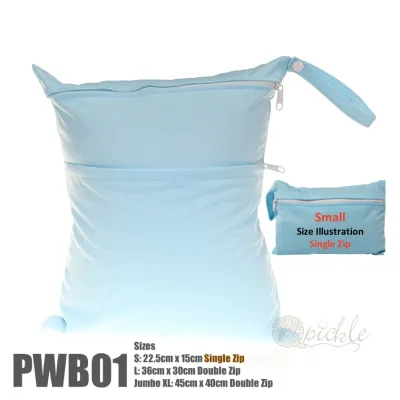
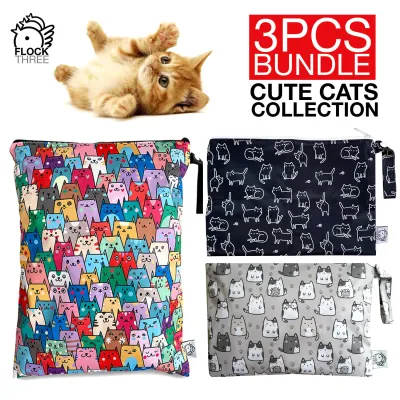
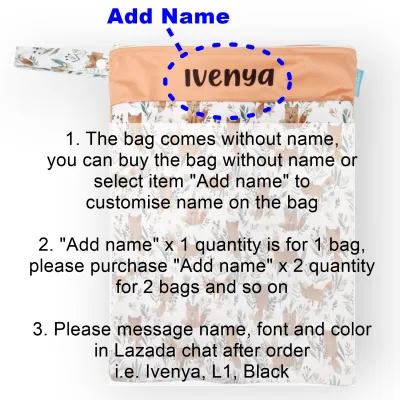
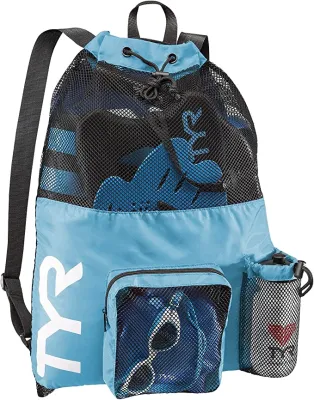
Prices are valid at publication and may change. Please refer to the product page for the latest price.
Odor containment is another critical factor, especially when commuting home in Singapore’s warm, humid climate. Chlorine, saltwater, and damp fabrics can quickly develop strong, unpleasant odors if left in a poorly sealed bag. An airtight closure system, such as a heavy-duty zipper or a secure roll-top with a buckle, is essential for trapping these smells inside the bag, ensuring your diaper bag or stroller basket remains fresh during the journey home. When choosing a bag, test the zipper to ensure it closes tightly from end to end without leaving gaps.
Capacity and Size: Matching the Bag to Your Routine
Selecting the right size wet bag is a matter of balancing your baby’s swimming routine with the amount of gear you need to transport. Wet bags generally fall into three size categories, each suited to different scenarios. Small to medium wet bags, typically measuring around 20 by 30 centimeters, are designed to hold one or two light items. This size is perfect for a single baby swimsuit, a reusable swim diaper, and a small washcloth. Because of their compact footprint, these bags are easy to fold up and toss into your primary diaper bag or backpack without taking up excess space, making them ideal for quick trips to a nearby pool.

For longer outings, toddlers, or families with multiple children, a large to extra-large wet bag is highly recommended. These larger bags can accommodate bulkier items such as thick hooded towels, change of clothes, wet shoes, and multiple swimsuits. If you are packing for both yourself and your baby, a larger bag ensures you do not have to cram wet items inside, which can stress the seams and zippers. When selecting a larger bag, look for models with sturdy, reinforced handles or snap straps that allow you to hang the heavy, wet bag from your stroller handlebar or a changing room hook.
Many modern wet bags feature dual-pocket designs, often referred to as wet/dry bags. These bags have two separate compartments: one lined with waterproof material for wet items, and another made of standard fabric for dry clothes, clean diapers, or dry towels. This design is incredibly convenient for swimming outings, as it allows you to carry everything you need for a swim session in a single, organized bag. You can keep your baby’s dry clothes in the dry pocket, and then swap them with the wet swimsuit after the swim. When evaluating wet/dry bags, ensure that the divider between the two compartments is fully waterproof to prevent moisture from transferring to your dry items.
Comparing Brand Tiers Available in Singapore
Parents in Singapore have access to a wide variety of wet bag options, ranging from premium specialty brands found in local baby boutiques to budget-friendly options on online marketplaces. Understanding the trade-offs between these brand tiers can help you make an informed purchase that aligns with your budget and usage frequency.
Specialty cloth diaper brands are highly regarded for their durability and waterproofing. Because these brands design products originally intended to contain wet and soiled cloth diapers, their wet bags feature high-quality, thick PUL or TPU linings and exceptionally strong, heat-sealed seams. They often include heavy-duty snaps and robust zippers designed to withstand hundreds of wash cycles. The trade-off is that these specialty brands may have a higher price point and a more limited selection of aesthetic designs, often focusing on practical, solid colors or simple patterns.
Mainstream baby gear brands offer a middle ground, focusing heavily on style, convenience, and integration with other travel accessories. These bags often feature trendy prints, coordinate with matching diaper bags, and include convenient attachment straps for strollers. While they are highly functional and visually appealing, the waterproof lining may be thinner than those found in specialty diapering brands. It is important to carefully check the manufacturer’s specifications to ensure the inner lining is actually rated for wet swimwear rather than just damp items.
Budget or generic online options, widely available on various ecommerce platforms, are highly accessible and come in a vast array of patterns. These options are often very affordable, making them tempting for parents who only swim occasionally. However, the quality of the waterproof lining and seam construction can vary significantly. Many budget bags use thin, spray-on water-resistant coatings rather than laminated TPU or PUL, which can peel or crack after a few washes. If you choose a budget option, it is wise to verify the seller’s return policy and thoroughly inspect the bag’s interior lining and seams upon arrival.
| Brand Tier | Typical Lining Material | Capacity Range | Key Verification Checks |
|---|---|---|---|
| Specialty Cloth Diaper Brands | Thick, laminated TPU or PUL | Small to Extra-Large | Check for heat-sealed seams and heavy-duty snap handles. |
| Mainstream Baby Gear Brands | Standard TPU or water-resistant polyester | Medium to Large | Verify if the lining is fully waterproof or only water-resistant. |
| Budget / Generic Online Options | Thin polyurethane coating or basic polyester | Various sizes | Check return policies and inspect for peeling linings after washing. |
Care and Maintenance to Preserve Waterproofing
To ensure your wet bag remains leak-proof and odor-free over time, proper care and maintenance are essential. The waterproof membranes (TPU or PUL) used in these bags are sensitive to high heat, harsh chemicals, and physical abrasion. After every swimming session, it is important to rinse the bag with clean, cool water to remove chlorine, saltwater, and sand. These elements can degrade the waterproof coating if left to sit on the fabric. Once rinsed, hang the bag to air-dry inside out in a well-ventilated area away from direct, intense sunlight, which can cause the laminate to crack.
When it comes to machine washing, always consult the manufacturer’s care label first. As a general rule, wet bags should be washed in cool or warm water on a gentle cycle. Avoid using hot water, as excessive heat can delaminate the waterproof lining from the outer fabric. Use a mild, additive-free detergent, and strictly avoid fabric softeners, bleach, or vinegar, which can chemically break down the polyurethane barrier. For drying, air-drying is always the safest method. If you must use a clothes dryer, select a low-heat or air-fluff setting to prevent heat damage to the seams and lining.
Even with meticulous care, wet bags will eventually show signs of wear and tear. It is important to regularly inspect your bag to ensure it is still safe for containing wet items. Look for visible signs of failure, such as flaking, peeling, or cracking of the inner waterproof layer. If you notice water seeping through the seams or fabric during use, or if the bag retains a persistent, musty odor even after a thorough wash, the waterproof barrier has likely degraded. At this point, the bag should be retired from swim duty and replaced to prevent leaks in your diaper bag.
Final Decision Framework for Your Swimming Outings
To choose the right wet bag for your family’s swimming adventures, consider your specific usage patterns and requirements.
Choose a Specialty Brand if:
- You swim frequently (multiple times a week) at local pools or beaches.
- You require maximum durability and verified, heavy-duty waterproof linings.
- You need a bag that can withstand frequent machine washing and heavy loads of wet towels.
Choose a Mainstream Brand if:
- You prioritize style, matching designs, and seamless integration with your existing diaper bag system.
- Your swimming trips are occasional, and you primarily need to carry damp swimsuits rather than soaking-wet gear.
- You value convenient features like stroller straps and coordinated accessory pouches.
Verify First if:
- You are purchasing a budget or generic option from an online marketplace.
- Always check the customer reviews for mentions of leaks or peeling linings.
- Inspect the seams and zipper quality immediately upon delivery, and test the bag with a damp cloth before packing it with wet swim gear.
Frequently Asked Questions (FAQ)
Can I use a regular plastic bag instead of a wet bag for swimming?
While a regular plastic bag is a common makeshift solution, it is not recommended for swimming outings with a baby. Plastic bags are prone to tearing, especially when packed with heavy, wet towels or sharp swimwear fasteners, leading to leaks in your main bag. Furthermore, plastic bags do not offer odor containment, allowing chlorine or musty smells to escape. Most importantly, thin plastic bags pose a serious suffocation hazard to infants and toddlers in changing rooms or play areas. A reusable wet bag with a secure zipper is a much safer, more durable, and environmentally friendly choice.
How many wet bags do I need for a baby swimming class?
For a structured baby swimming class, having at least two wet bags is highly practical. You can use one medium-sized wet bag to store your baby’s dry, clean clothes and a fresh diaper before the class. After the session, this bag can hold the wet swimsuit and reusable swim diaper. A second, larger wet bag is useful for holding damp towels, your own wet swimwear, and any wet toys or toiletries. Having a dedicated setup ensures that dry items remain completely protected from moisture throughout the outing.

Community discussion
Share your experience or ask a question. Comments are reviewed before publication.