
Selecting the right baby wet bag in Singapore involves balancing capacity, waterproof reliability, and practical features against your family’s daily routine. With the tropical climate and high humidity, containing dampness and odors from soiled diapers, spit-up clothes, or wet swimwear is a daily necessity. Because product specifications and material compositions vary widely across different brands, parents need a clear framework to evaluate their options. By focusing on verifiable material standards, construction quality, and functional designs, you can select a wet bag that keeps your diaper bag dry and organized.
Defining Your Capacity Needs
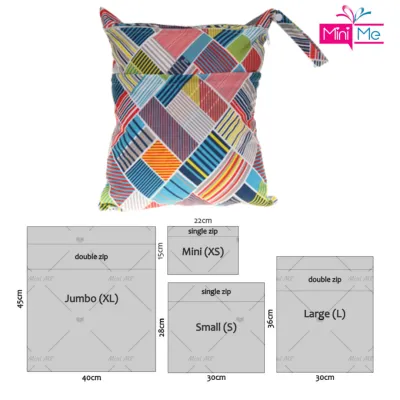
Choosing the right wet bag size depends heavily on your baby’s age, your daily outings, and how often you plan to wash the bags. Wet bags generally fall into three main size categories, each serving a distinct purpose in a parent’s daily routine.
Small or mini wet bags are typically designed to hold one to two cloth diapers or a single change of clothes. These compact bags are ideal for quick errands, short walks to the neighborhood playground, or keeping small, clean items like pacifiers, breast pump parts, and teething toys clean and isolated. Because of their small footprint, they slip easily into a handbag or a compact stroller organizer without adding bulk.
Products mentioned in this guide
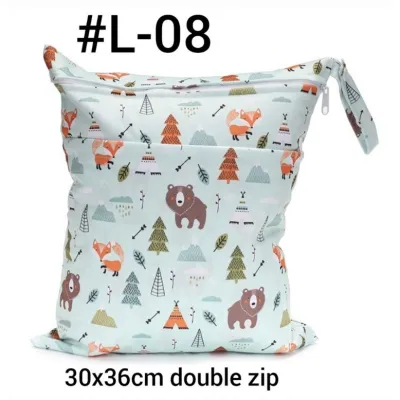
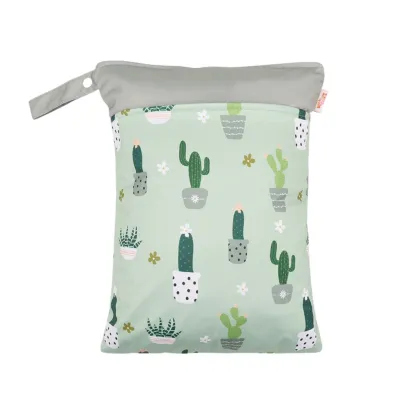
![[SG Instock] Personalized Wet Bags customised with name for Preschool Gym Swimming Baby Diaper Bag](https://img.lazcdn.com/g/p/fd248e80ba99edfe3290d80b493a9f78.jpg_400x400q80.jpg_.webp)
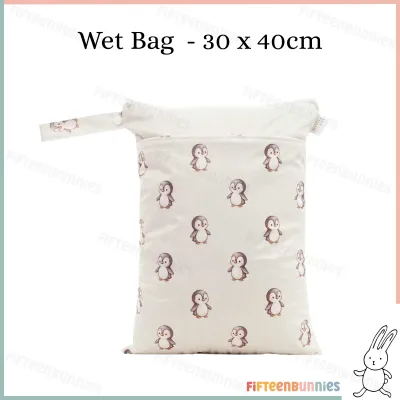
![[SG Instock] Personalized Wet Bags customised with Kids name for Preschool Gym Swimming Children Baby Diaper Bag](https://img.lazcdn.com/g/p/219388bd3b8e9c62a5fd7dc8df5a369a.jpg_400x400q80.jpg_.webp)
Prices are valid at publication and may change. Please refer to the product page for the latest price.
Medium wet bags are the standard choice for daily daycare or infant care drop-offs. These bags generally accommodate three to five soiled items, such as onesies, bibs, and washcloths, without becoming overly heavy or difficult to pack. A medium bag fits comfortably inside a standard diaper backpack and provides enough space to manage a full day’s worth of minor messes while keeping dirty items completely separated from clean baby gear.
Large or extra-large wet bags are essential for longer travel, weekend staycations, or managing wet swim gear after a lesson at the local swimming complex. These spacious bags can hold multiple changes of clothes, large towels, or soiled items for more than one child. If you are practicing full-time cloth diapering, a large wet bag can also serve as a portable diaper pail liner that hangs securely in your nursery.
Evaluating Waterproofing and Material Durability
The primary job of any wet bag is to contain moisture and prevent leaks from seeping onto other items in your bag. To ensure a wet bag is up to the task, you must look closely at the lining materials, seam construction, and care requirements.

When reviewing product descriptions on online marketplaces, pay close attention to the lining material. Most high-quality wet bags use either Thermoplastic Polyurethane (TPU) or Polyurethane Laminate (PUL). TPU is a heat-bonded membrane that tends to be softer, more flexible, and manufactured using a solvent-free process. PUL, on the other hand, is chemically bonded and often offers excellent durability and resistance to high-temperature washes. Both materials provide effective water resistance, but checking the manufacturer’s specifications will help you understand how the lining will feel and perform over time.
Seam construction is another critical factor that determines whether a bag is truly leakproof. Standard stitched seams create tiny needle holes along the edges of the bag. Under pressure, or when holding very wet items like swimsuits, moisture can slowly seep through these stitched holes. For maximum leak prevention, look for bags that feature welded or heat-sealed seams, which fuse the waterproof lining together to create an unbroken barrier against liquids.
The quality of the zipper and closure mechanism also plays a major role in containing wetness and odors. A high-quality wet bag should feature a smooth, water-resistant zipper that closes tightly without leaving gaps at the ends. Some designs include a fabric placket or storm flap over the zipper line to provide an extra layer of protection against accidental leaks.
Finally, always verify the care label instructions before purchasing. The longevity of the waterproof lining depends on proper washing and drying. Some linings can degrade, crack, or delaminate if exposed to high heat in a dryer or washed with harsh chemical additives. Checking these care guidelines beforehand ensures you can maintain the bag’s waterproof integrity through dozens of wash cycles.
Practical Features That Impact Daily Use
Beyond basic capacity and waterproofing, the usability of a baby wet bag comes down to small, thoughtful design details. These features can make the difference between a bag that is easy to use on the go and one that becomes a hassle to carry.
Attachment options are highly practical for parents navigating busy outings. Many wet bags feature a snap-button handle or a loop strap that allows you to secure the bag directly to your stroller handlebar, diaper bag strap, or a bathroom wall hook. This keeps the bag easily accessible and saves valuable storage space inside your main diaper bag. Some designs use adjustable velcro straps or integrated carabiner clips, which offer additional flexibility for securing the bag to different types of gear.
Compartment design is another feature that greatly enhances daily convenience. While single-pocket bags are straightforward, dual-pocket wet bags feature two separate compartments—typically one lined with waterproof material for soiled items and another breathable or dry pocket for clean clothes, diapers, or wipes. This configuration allows you to carry everything you need for a diaper change in a single, organized pouch, keeping clean and dirty items completely isolated from one another.
Odor control is a major consideration, especially during warm, humid days. While standard zippers contain moisture, they may not fully trap strong odors over several hours. Some wet bags address this by incorporating roll-top closures similar to outdoor dry bags, double-zipper systems, or specialized linings. These features help seal in odors more effectively, giving you peace of mind when traveling home from daycare or a family outing.
Condition-Based Selection Framework
To help you choose the right wet bag for your specific lifestyle, consider how your daily routines align with different bag specifications.
If your primary need is a lightweight solution for short stroller walks, quick trips to the supermarket, or keeping a single spare outfit clean and dry, a compact, single-compartment wet bag is highly suitable. Look for a model with a convenient snap handle so you can easily clip it to the outside of your stroller or diaper clutch without taking up internal space.
If you are preparing for infant care drop-offs, daily daycare routines, or regular visits to the pool, a medium-to-large, dual-compartment wet bag is a more practical choice. Ensure the bag features robust seam sealing or welded seams to handle soaking-wet swimsuits or multiple soiled diapers without leaking. The dual-pocket design will allow daycare educators to easily separate clean clothes from dirty ones.
Before finalizing your purchase, always verify the manufacturer’s stated capacity limits, material care instructions, and warranty conditions. Specifications, zipper styles, and lining thicknesses can vary between production batches, so reviewing the latest product labels and user guides ensures the bag will meet your expectations and withstand regular laundering.
Frequently Asked Questions (FAQ)
How many wet bags do I actually need for a daily daycare routine?
For a seamless daily daycare routine, a rotation of three wet bags is generally recommended. This setup operates on a simple cycle: one bag is packed and sent to daycare with your child, one bag is in the wash or drying at home, and one clean bag remains on standby as a backup. This rotation ensures you are never left without a bag if laundry day is delayed. It is also wise to check with your specific daycare center regarding their labeling and capacity policies, as some schools prefer separate bags for soiled clothing and wet swim gear.
Can I wash baby wet bags in the washing machine and dryer?
Yes, most baby wet bags can be washed in a washing machine, but you must always consult the specific product’s care label first. To preserve the waterproof TPU or PUL lining, it is generally best to wash the bags in cold or warm water on a gentle cycle. Avoid using bleach, fabric softeners, or vinegar, as these can break down the waterproof membrane over time. For drying, air-drying is highly recommended to prevent the lining from melting or cracking. If you must use a dryer, select a low-heat or air-fluff setting to protect the bag’s structural integrity.
Community discussion
Share your experience or ask a question. Comments are reviewed before publication.