
Choosing the right wet bag is not about finding a single “best” brand, but rather matching a bag’s specific construction to your daily routine, moisture volume, and diaper bag setup. Parents managing heavy wetness—such as soaked cloth diapers or wet swimsuits—require a different level of protection than those handling light leaks from soiled clothes or damp bibs. The performance of these bags depends entirely on material specifications, zipper designs, and seam construction rather than the brand name printed on the exterior.
To ensure reliable daily use, look for key non-negotiable features: a verified waterproof lining made of Polyurethane Laminate (PUL) or Thermoplastic Polyurethane (TPU), high-quality water-resistant zippers, and sealed or bound seams. A heavy-duty profile with double lining and heat-sealed seams is ideal if you need maximum capacity and leak protection. Conversely, a compact, single-layer profile is better if you prioritize lightweight travel and quick outings. Before purchasing, you must verify the specific material specifications and construction details, as brand names alone do not guarantee performance.
Waterproofing Materials: PUL vs. TPU and Lining Construction
To evaluate a wet bag’s waterproofing capabilities, you must understand the two primary lining materials used in textile manufacturing: Polyurethane Laminate (PUL) and Thermoplastic Polyurethane (TPU). PUL is a polyester fabric that has been laminated with a thin polyurethane film using a chemical solvent process. This chemical bonding typically results in a highly durable, slightly stiffer material that can withstand frequent washes and resists wear over long periods. TPU, on the other hand, utilizes a heat-bonding process to laminate the polyurethane membrane to the fabric. This thermal bonding is often considered more environmentally friendly because it avoids chemical solvents, resulting in a softer, more flexible fabric that feels less plastic-like but may require gentler wash care.
Products mentioned in this guide
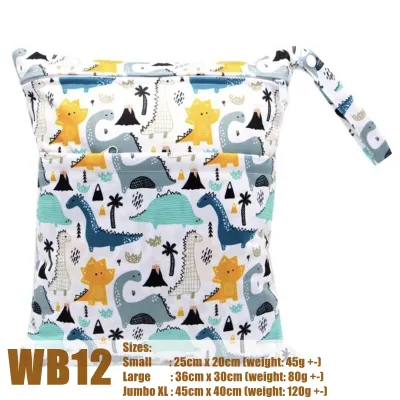
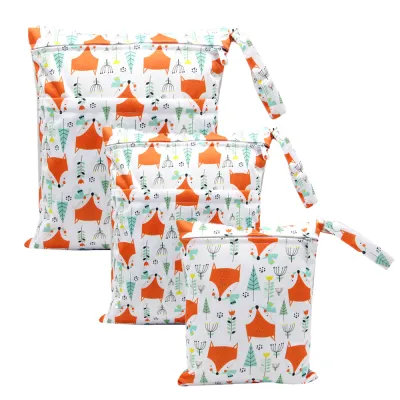
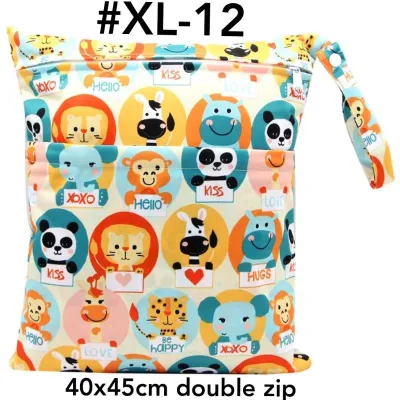
![[Local Shop] Reusable Plain Waterproof Wet Bag Nappy Diaper Nursery Nursing Maternity Childcare Infantcare Mummy Wetbag](https://img.lazcdn.com/g/p/ec62556872de87c5bf97137f364848d5.jpg_400x400q80.jpg_.webp)
Prices are valid at publication and may change. Please refer to the product page for the latest price.
Material names alone do not guarantee a leak-proof experience, so you must look closely at manufacturer specifications. High-quality brands will often specify the thickness of the laminate layer (measured in mils or microns) and whether the lining has been treated with additional water-repellent coatings. A thin or poorly applied laminate layer can crack or wear down quickly under the friction of daily use, leading to moisture seepage. When shopping, search for product descriptions that explicitly state the laminate thickness or detail the specific bonding technology used.
Lining construction plays an equally critical role in containing moisture. Wet bags generally feature either single-lining or double-lining designs. A single-lined bag consists of a single layer of waterproof fabric, where the laminate side faces the interior. While lightweight, these bags are more susceptible to wicking—a process where moisture travels along the fibers of the outer fabric if it comes into contact with damp seams. Double-lined bags feature an outer decorative fabric layer (often polyester or cotton canvas) and a completely separate inner waterproof lining. This dual-layer construction creates a physical barrier that prevents moisture from migrating to the outer shell, keeping your diaper bag dry.
To check the integrity of a wet bag, perform a visual and tactile inspection of the lining. Turn the bag inside out and look closely at the laminate surface. The lining should appear smooth, uniform, and slightly glossy, with no visible bubbles, thin spots, or peeling edges. Run your fingers across the interior to feel for any uneven textures or brittle areas, which are early indicators of delamination. If the lining feels dry, cracked, or sticky, the waterproof barrier has compromised, and the bag will likely leak under pressure.
Zipper Quality and Hardware: The First Line of Defense Against Leaks
Zippers represent the most common failure point in any wet bag design. Standard nylon coil or plastic zippers feature tiny gaps between the teeth that allow moisture and odors to escape easily, especially when the bag is compressed inside a tightly packed diaper bag. To prevent this, premium wet bags utilize water-resistant zippers, which feature a polyurethane coating over the zipper teeth to create a physical seal when closed. Alternatively, some brands design their bags with protective fabric flaps or plackets that fold over the zipper track, shielding the teeth from direct contact with wet items inside.

Zipper placement significantly affects leak risks during daily use. Top-opening wet bags allow gravity to keep wet items at the bottom of the bag, away from the zipper track, making them highly effective for storing very wet clothes or diapers. Side-opening or front-pocket configurations offer convenient access but pose a higher risk of leaking if the bag is overstuffed. When a side-opening bag is compressed inside a diaper bag, wet contents are pushed directly against the zipper track, forcing moisture through the teeth. For maximum security, select top-opening designs for soaking items and reserve side-pocket designs for dry or lightly damp accessories.
In Singapore’s hot and humid climate, hardware durability is a crucial factor to consider. Metal snaps, zipper pulls, and carabiners are highly susceptible to rust and corrosion when exposed to moisture and salty air. Look for wet bags equipped with rust-resistant hardware, such as heavy-duty resin snaps or anodized aluminum clips. Reinforced snap handles are particularly useful, as they allow you to hang the wet bag from stroller handlebars, diaper bag straps, or bathroom hooks. This keeps the bag off wet floors and allows air to circulate around it, reducing the risk of mold growth.
Before purchasing a wet bag, check user reviews and detailed product descriptions for feedback on zipper performance. Look specifically for reports of zipper track snagging, teeth separation, or tab breakage under tension. A durable zipper should glide smoothly along the track without catching on the inner lining. If a brand frequently receives complaints about stuck or broken zippers, it is a sign that the hardware may not withstand the rigors of daily diaper changes and frequent washing cycles.
Seam Construction and Durability for Everyday Diaper Bag Use
How a wet bag’s seams are constructed determines its long-term durability and leak-proof integrity. Standard stitched seams are created by sewing fabric panels together with a needle and thread, which punctures thousands of tiny holes directly through the waterproof laminate. If these needle holes are left untreated, moisture will inevitably seep through them when the bag is compressed. To address this, high-quality wet bags feature bound seams, where the raw edges are wrapped in a protective fabric tape before stitching, or heat-sealed (welded) seams. Heat-sealed seams use radiofrequency or thermal energy to melt the thermoplastic linings together, creating a seamless, continuous bond that eliminates needle holes entirely.
High-tension areas like corners, zipper ends, and handle attachments are prone to tearing and seam splitting over time. When evaluating a wet bag, look for reinforcement features such as double-stitching, bar-tack stitches, or reinforced fabric patches at these critical stress points. A bag with weak seam construction will quickly unravel under the weight of wet clothes or when pulled repeatedly by its handle. Inspect the stitching closely to ensure it is tight, even, and free of loose threads or skipped stitches.
Capacity and structural integrity also dictate how well a wet bag performs when fully loaded. The bag should hold its shape without sagging excessively, which can strain the seams and zippers. High-quality outer fabrics, such as heavy-duty polyester canvas or ripstop nylon, provide the necessary structural support while resisting pilling, tearing, and absorbing external odors. These robust outer materials protect the delicate inner laminate from being punctured by sharp objects inside your diaper bag, such as keys, toys, or safety pins.
To preserve the integrity of your wet bag’s seams, always verify the manufacturer’s stated weight or volume limits. Overstuffing a bag forces the seams to stretch, which can widen needle holes in stitched seams or weaken the bond of heat-sealed seams. If you regularly find yourself cramming items into a single bag, it is safer to upgrade to a larger size or split the load into two smaller bags. This simple adjustment prevents premature seam failure and extends the overall lifespan of your gear.
Comparing Popular Wet Bag Profiles: Which Feature Set Fits Your Routine?
To help you find the right fit, wet bags can be categorized into three distinct profiles based on their design focus, capacity, and hardware features. Rather than searching for an absolute winner, compare these profiles against your daily routine to identify which set of trade-offs aligns with your needs.
Heavy-Duty / Max Capacity Profile
This profile is designed for maximum moisture containment and durability, making it the standard choice for cloth diapering or swim school outings. These bags typically feature double-lining construction, heat-sealed seams, and dual zippered compartments to keep dry and wet items completely separate.
- Ideal Use Case: Full-day outings, carrying multiple soiled cloth diapers, or transporting soaking-wet swimwear and towels.
- Trade-Offs: These bags are significantly bulkier and heavier than other options, taking up substantial space in your diaper bag. They also require longer drying times after washing due to the thick, multi-layer fabric.
Compact / Travel-Friendly Profile
Designed for parents who prioritize a lightweight, streamlined diaper bag, this profile features a single-layer design with a slim, flexible footprint. These bags easily fold down to the size of a coin purse when empty, making them highly portable.
- Ideal Use Case: Short trips to the mall, storing a single change of clothes, or holding damp bibs, pacifiers, and teething toys.
- Trade-Offs: They offer limited moisture capacity and are highly susceptible to wicking if left stuffed with soaking-wet items for extended periods. They rarely feature dual compartments or heavy-duty reinforced handles.
Budget / Multi-Pack Profile
Often sold in sets of two or three, this profile provides basic wet bag functionality at an accessible price point. They generally feature single-compartment designs, standard stitched seams, and basic nylon zippers.
- Ideal Use Case: Organizing dry toys, clean clothes, or dry snacks inside your diaper bag, or serving as a quick-rotation backup when your primary bags are in the wash.
- Trade-Offs: The hardware and zippers are less durable, and the stitched seams are prone to leaking if used for very wet items. These bags are not recommended for holding soaking-wet clothes or cloth diapers.
Applying the Decision Framework
- Choose a Heavy-Duty profile if… you are managing multiple cloth diapers or heavy wet clothing and need absolute leak security inside your main diaper bag.
- Choose a Compact profile if… you use disposable diapers, only need to manage minor leaks or damp clothes, and want to keep your diaper bag as light as possible.
- Choose a Multi-Pack profile if… you need dedicated, separate bags for organizing dry items, clean clothes, and toys, and you prioritize having a large washing rotation over premium waterproof hardware.
- Verify first if… the manufacturer or local distributor offers a warranty or clear return policy covering manufacturing defects, such as premature delamination or zipper failure, before making your purchase.
When choosing a wet bag, cross-reference these profiles with current stock and specific product specifications on official brand sites or authorized local retailers. This ensures you receive authentic products with verified material safety standards.
Care and Maintenance to Extend Your Wet Bag’s Lifespan
Proper care and laundering are essential to maintain the waterproofing and structural integrity of your wet bag over time. Always wash your wet bag using cold or warm water—ideally not exceeding 40°C—along with a mild, additive-free detergent. Avoid using fabric softeners, vinegar, or chlorine bleach, as these harsh chemicals can break down the polyurethane laminate, weaken heat-sealed seams, and degrade the water-resistant coating on the zippers.
Before washing or drying your wet bag, you must verify and follow the specific care label or manufacturer instructions. While some heavy-duty PUL bags can tolerate low-heat tumble drying, many TPU and single-lined bags must be line-dried in the shade. High heat is the primary enemy of waterproof linings; exposing a wet bag to high dryer temperatures can melt, warp, or completely delaminate the polyurethane membrane, rendering the bag useless. To dry safely, hang the bag inside out in a well-ventilated area away from direct sunlight.
Managing odors and preventing mold growth is particularly important in Singapore’s humid climate. Never leave damp or soiled items sealed inside a wet bag for multiple days, as this creates an ideal breeding ground for mold, mildew, and bacteria. After emptying the bag, leave it completely open to air out, and wash it regularly. Ensure the bag is entirely dry inside and out before folding it up or storing it in a closed cupboard, as any trapped moisture can cause mold to develop on the fabric.
For safety and hygiene reasons, you must know when to retire a wet bag. Stop using and replace the bag immediately if you observe visible peeling, cracking, or flaking of the inner laminate lining, as these are clear signs of delamination. Persistent, musty odors that remain after a thorough wash, or a zipper that repeatedly splits open, also indicate that the bag can no longer provide a sanitary, leak-proof barrier for your baby’s gear.
Frequently Asked Questions (FAQ)
How can I test if my wet bag’s waterproofing is failing?
To evaluate your wet bag’s condition, start with a visual and tactile inspection. Turn the bag inside out and look for signs of delamination, which appear as bubbles, peeling sheets, or white, flaky patches on the laminate. The lining should not feel sticky, brittle, or dry. To perform a low-risk water test, place a dry paper towel inside the bag, add a small cup of water to the interior, zip it closed, and gently squeeze. Check the outer fabric and the paper towel for any moisture transfer. If dampness seeps through, the lining is compromised, and you should replace the bag to prevent leaks.
Can I use a standard dry bag instead of a dedicated baby wet bag?
While outdoor dry bags are highly waterproof, they are generally less practical for daily baby care than dedicated wet bags. Dry bags typically utilize heavy, stiff PVC or coated nylon materials with roll-top buckle closures, which are bulky and difficult to operate quickly with one hand during a diaper change. Furthermore, dry bags are rarely machine-washable and cannot be easily sanitized. Dedicated baby wet bags feature soft, flexible, machine-washable fabrics, convenient zippered openings, and snap handles designed specifically to attach to strollers and diaper bags, making them far better suited for the ergonomics and hygiene requirements of baby gear.

Community discussion
Share your experience or ask a question. Comments are reviewed before publication.