
Selecting the right wet bag is one of the simplest ways to streamline your daily outings with a baby. When you are stepping out for a quick errand, a doctor’s appointment, or a brief playdate, carrying a massive, fully loaded diaper bag is often unnecessary and exhausting. A well-designed wet bag allows you to pack light while ensuring that damp clothes, soiled diapers, or wet swimwear remain securely contained without leaking moisture or odors into the rest of your gear.
To find the ideal wet bag for your routine, you must look beyond aesthetic patterns and evaluate how different brands structure their capacity, material layers, and closure systems. In warm, humid climates like Singapore, where moisture can quickly lead to mildew and accelerated odor development, these physical details become even more critical. By understanding how to measure real-world capacity and inspect key design features, you can make an informed purchase that stands up to daily use and frequent washing.
How to Determine the Right Wet Bag Capacity
Calculating your required wet bag capacity begins with a realistic assessment of your typical outing duration and your child’s current developmental stage. Newborns require more frequent diaper changes and outfit swaps, meaning you will need a bag that can accommodate multiple soiled items even on a short two-hour trip. For older toddlers who are potty training, your primary need might shift from holding bulky diapers to carrying a single set of wet spare clothes after water play.
Products mentioned in this guide

![[SG Seller] Custom Name Wet Bag | Waterproof Baby Diaper Bag | Kids Organiser Bag | Childcare Bag](https://img.lazcdn.com/g/p/683c3fe06ddbf1062d0e5e6565e93504.jpg_400x400q80.jpg_.webp)
Prices are valid at publication and may change. Please refer to the product page for the latest price.
When estimating capacity, it is essential to account for the physical bulk of the items you use. Disposable diapers fold down flat and take up minimal space, whereas cloth diapers—especially pocket styles or fitted diapers with thick inserts—require significantly more physical volume. A wet bag that claims to hold up to six standard diapers might only fit three or four cloth diapers comfortably. Always factor in this difference in bulk when reading manufacturer capacity descriptions.
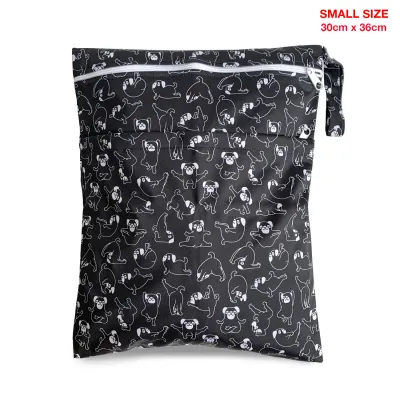
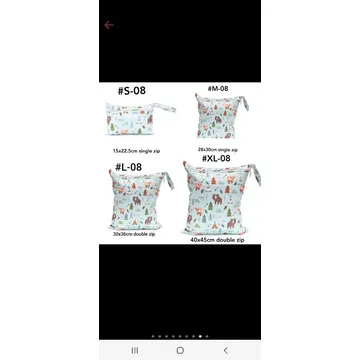
To avoid buying a bag that is either too small or unnecessarily bulky, check the manufacturer’s physical dimensions rather than relying solely on generic size labels like small, medium, or large. Look for the width, height, and depth measurements on the product packaging or official website. Additionally, pay attention to whether the bag has a flat envelope design or a gusseted bottom. A gusseted or pleated bottom expands to accommodate three-dimensional items, allowing you to pack the bag to its true volume without straining the zipper.
Key Material and Design Features to Compare
When comparing wet bag brands, the choice of waterproof lining is the most critical factor governing durability and performance. Most high-quality wet bags utilize either Polyurethane Laminate (PUL) or Thermoplastic Polyurethane (TPU). PUL is a durable fabric coated with a thin plastic layer using chemical solvents, making it highly resistant to high-temperature washes. TPU, on the other hand, uses a heat-bonding process that is often favored by eco-conscious parents. You should check the care labels of different brands to verify which lining material is used and whether it aligns with your preferred washing routine.

Closure mechanisms play a vital role in containing moisture and odors during transit. While standard zippers are the most common and user-friendly option for quick, one-handed access, they are not entirely airtight. Premium brands often feature water-resistant zippers with tight teeth or add a fabric placket over the zipper line to prevent leaks. Alternatively, some dry-bag style wet bags utilize a roll-top closure with a buckle, which provides an exceptionally secure seal against wetness but can be slightly more cumbersome to open and close quickly.
Integration features determine how easily the wet bag fits into your broader travel setup. Look for bags equipped with snap-on handles, swivel clips, or adjustable straps. A sturdy strap with a heavy-duty snap allows you to loop the wet bag securely over your stroller handlebar, saving precious storage space in the under-seat basket. It also makes it easy to clip the wet bag to the outside of a regular backpack when you want to keep damp items completely isolated from clean gear.
Finally, inspect the seam construction and washing instructions before making a decision. Stitched seams that are not sealed can allow liquid to wick through the thread holes, leading to damp spots on the exterior of the bag. Look for brands that feature heat-sealed or taped seams to guarantee leakproof performance. Because wet bags require frequent sanitizing, verify whether the brand permits machine washing and low-heat tumble drying, as some delicate linings can crack or delaminate if exposed to improper cleaning conditions.
Comparing Wet Bag Sizes for Different Outing Scenarios
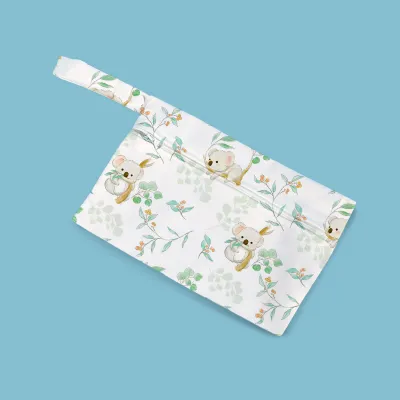
Mini or pod-sized wet bags are specifically designed for ultra-short trips, such as a quick walk to the neighborhood playground or a brief run to the market. Typically measuring around 18cm x 25cm, these compact pouches are ideal for holding a single diaper change, a small travel pack of wet wipes, or a soiled bib and pacifier. Because of their minimal footprint, they slip easily into a standard handbag or can be clipped directly to a wristlet, making them the ultimate grab-and-go option for parents who prefer to travel light.
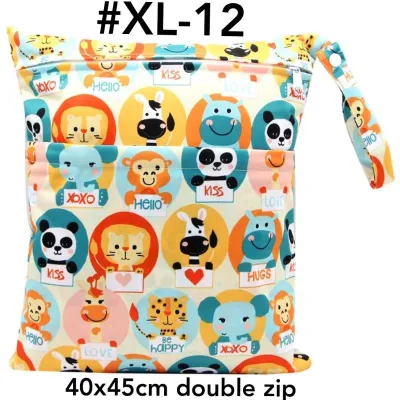
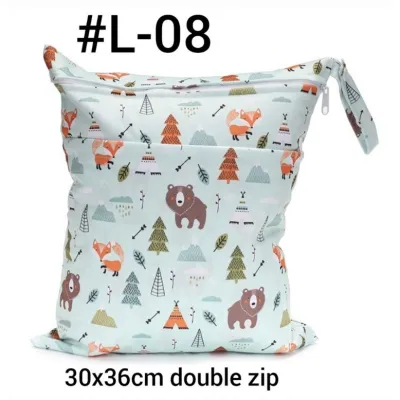
Medium or standard-sized wet bags, usually measuring around 30cm x 40cm, serve as the versatile workhorse for half-day outings. This size category is highly popular because it comfortably holds three to six diapers along with a change of clothes. Many brands offer medium bags with dual pockets—often labeled as wet/dry bags—which feature a mesh or dry zippered compartment on the front and a waterproof compartment in the back. This dual-pocket design allows you to carry clean, dry clothes and soiled items in the same compact bag without any cross-contamination.
Large or travel-sized wet bags, often measuring 40cm x 50cm or larger, are built for full-day excursions, swimming lessons, or families managing diapering needs for multiple children. These bags require robust, reinforced straps to handle the weight of heavy, wet garments. While they offer maximum storage capacity, they are generally too bulky to fit inside a standard diaper bag. Instead, they are best utilized as standalone gear bags hung from a stroller frame or kept in the trunk of a car.
Choosing between these sizes involves a direct trade-off between portability and storage capacity. Opting for a bag that is too large for your daily routine results in unnecessary bulk that can make navigating public transport or tight store aisles frustrating. Conversely, choosing a bag that is too small forces you to compress soiled items, which can strain the seams and increase the risk of leaks. Matching the bag size precisely to your typical outing duration ensures a much smoother travel experience.
Decision Framework: Choosing the Best Wet Bag for Your Routine
To select the perfect wet bag for your family, use this practical decision framework based on your daily habits and outing patterns:
- For Outings Under Two Hours: Choose a mini wet bag or a compact diaper pod. This setup is ideal if you only need to carry one emergency diaper change or a place to store a wet outfit, keeping your load light and highly portable.
- For Daily Half-Day Trips: Select a standard medium wet/dry bag with dual compartments. This serves as your primary daily driver, allowing you to keep clean clothes in the dry pocket and soiled items in the wet pocket, fitting seamlessly inside your main backpack.
- For Full-Day Trips, Swimming, or Twins: Invest in a large wet bag featuring reinforced stroller straps and heat-sealed seams. This ensures you have ample space for multiple heavy, wet items without risking leaks or stroller imbalance.
Before finalizing your purchase, always verify the brand’s specific care instructions and warranty policies. Check if the manufacturer offers a warranty against lining delamination or zipper failure, which are the two most common wear points over time. Additionally, ensure the recommended washing temperature matches your home laundry setup, especially if you plan to wash the bag alongside cloth diapers at higher temperatures to maintain optimal hygiene.
Frequently Asked Questions (FAQ)
Can I use a regular plastic bag instead of a reusable wet bag?
While a single-use plastic bag is a common temporary fallback, it carries significant functional drawbacks compared to a reusable wet bag. Plastic bags lack breathable yet waterproof barriers, which means they trap heat and moisture completely, accelerating the growth of bacteria and intensifying unpleasant odors during transit. They are also highly prone to accidental punctures from keys, toys, or zipper edges, which can lead to messy leaks inside your main diaper bag. Over time, investing in a durable, reusable wet bag is far more cost-effective and significantly reduces plastic waste, making it a more sustainable choice for daily parenting.
How do I clean and maintain a wet bag to prevent odors?
To keep your wet bag fresh and prevent persistent odors, always shake out any solid residues into the toilet before storing the bag. When washing, turn the wet bag inside out to ensure the waterproof lining is thoroughly cleaned and rinsed. Always check the manufacturer’s care label for specific water temperature limits and detergent restrictions; avoid using fabric softeners, bleach, or vinegar, as these additives can degrade the waterproof TPU or PUL coating over time. Finally, hang the bag to air-dry completely in a well-ventilated area away from direct, intense sunlight, which can cause the waterproof laminate to crack and peel.

Community discussion
Share your experience or ask a question. Comments are reviewed before publication.