
Quick Answer: Finding the Right Waterproof Diaper Bag
Selecting the ideal waterproof diaper bag requires balancing your daily travel habits, local weather patterns, and the volume of baby essentials you must carry. There is no single brand that universally outperforms all others, as the best choice depends entirely on your personal routine. For parents navigating sudden tropical downpours or relying heavily on public transit, high-grade water resistance is indispensable. Conversely, parents who primarily travel by car or spend most of their time in air-conditioned shopping malls may prioritize quick-access storage over heavy-duty weatherproofing.
The primary trade-off when comparing these bags lies between material weight and protective capability. Heavy-duty waterproof materials, such as thick thermoplastic polyurethane (TPU) or heavily coated canvas, offer excellent protection against torrential rain but add noticeable weight. On the other hand, lightweight water-resistant fabrics like treated polyester or nylon are comfortable to carry all day but may eventually saturate during prolonged exposure to heavy showers.
To make an informed decision, look past generic marketing terms and focus on verifiable product specifications. Check the manufacturer’s documentation for specific water-resistance ratings and exact storage volume measured in liters. This allows you to compare different brands objectively, ensuring you choose a bag that keeps your baby’s dry clothes, diapers, and feeding supplies perfectly safe from the elements.
Products mentioned in this guide
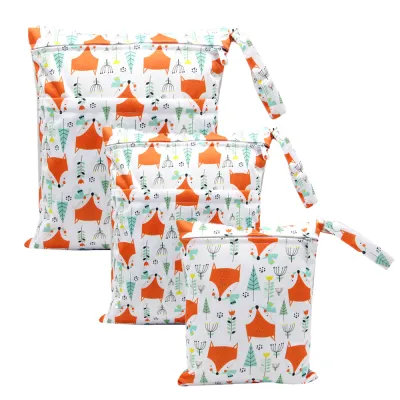
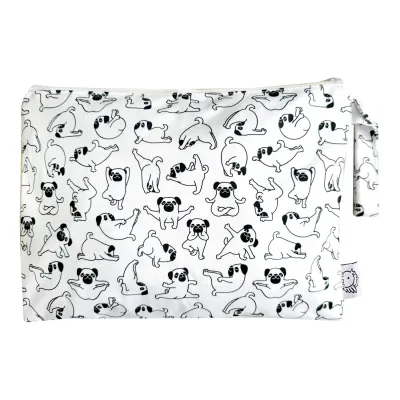
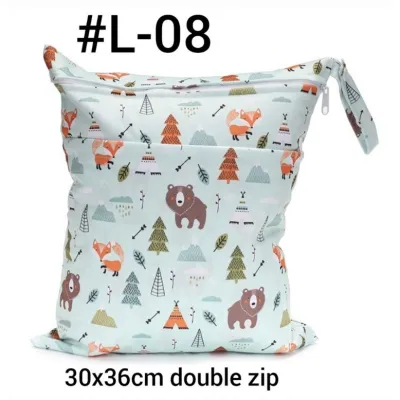

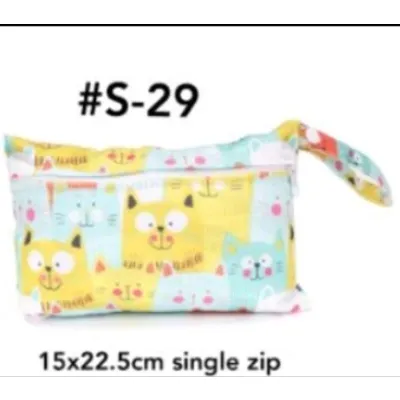
Prices are valid at publication and may change. Please refer to the product page for the latest price.
How to Verify Waterproof Protection in Diaper Bags
When shopping for a diaper bag, understanding the technical distinction between “water-resistant” and “waterproof” is crucial for protecting your baby’s gear. Water-resistant bags are designed to repel light splashes, brief drizzles, or accidental spills, giving you just enough time to wipe the liquid away. These bags typically rely on a surface-level durable water repellent (DWR) coating applied to standard fabrics. While highly breathable and lightweight, these coatings can wear down over time and may fail during a sudden, heavy downpour.

True waterproof diaper bags are engineered to prevent water penetration entirely, even when subjected to sustained wet weather. These bags are constructed from inherently impermeable materials such as TPU, polyvinyl chloride (PVC), or high-density coated nylon. Beyond the fabric itself, pay close attention to the seam construction. Standard stitched seams create tiny needle holes that allow water to seep in under pressure. High-performance waterproof bags often feature welded or taped seams, alongside specialized waterproof zippers with rubberized tracks to seal out moisture completely.
To verify these protective claims before purchasing, examine the manufacturer’s care instructions and warranty terms. Brands that stand behind their waterproofing technology often provide detailed guidelines on how to maintain the protective barrier without damaging the fabric. Additionally, look for independent user feedback that specifically details how the bag performs during actual wet-weather outings. If a manufacturer warns against submerging the bag or advises immediate drying after exposure to rain, the bag is likely water-resistant rather than fully waterproof.
Assessing Storage Capacity for Everyday Baby Outings
Determining the right storage capacity for your diaper bag starts with a realistic assessment of your daily packing list. A typical outing requires a baseline set of essentials: several diapers, a travel pack of wet wipes, a portable changing pad, a complete change of clothes, and feeding supplies such as bottles, formula dispensers, or baby food jars. Depending on your baby’s age, you may also need to pack teething toys, pacifiers, swaddles, and personal items like your wallet, keys, and phone. Laying these items out beforehand helps you visualize the physical volume your new bag must accommodate.
While total volume is often advertised in liters, the internal organization of the bag dictates how much of that space is actually usable. A single, cavernous compartment with a high liter rating can quickly become a chaotic mess, forcing you to rummage through wet and dry items alike. Look for bags that feature smart internal layouts, including dedicated wet-dry dividers, elasticized mesh pockets, and zippered compartments. These organizational tools allow you to separate clean clothes from soiled items and keep bottles upright, maximizing the practical capacity of a smaller bag.
The physical shape and structural design of the bag also play a major role in how comfortable it is to carry when fully loaded. A boxy, structured bag maintains its shape and prevents items from shifting, which helps distribute weight evenly across your shoulders or stroller straps. Floppy, unstructured bags may sag when packed to capacity, creating uncomfortable pressure points and making it difficult to access items at the bottom. When comparing capacities, consider how the bag’s dimensions align with your physical frame to ensure comfortable carrying throughout the day.
Comparing Common Diaper Bag Materials and Styles
Choosing the right style of diaper bag directly impacts your physical comfort and ease of access during daily outings. Backpack diaper bags are highly favored by active parents because they distribute weight evenly across both shoulders, reducing strain during long walks. This style keeps your hands completely free to push a stroller, hold a toddler’s hand, or navigate public transit ticket barriers. In wet weather, a backpack remains securely on your body, allowing you to hold an umbrella without struggling to keep a slipping strap on your shoulder.
Tote bags and crossbody styles offer a different set of practical advantages, particularly regarding accessibility. A tote bag can be slung over one shoulder or clipped directly to a stroller handlebar, providing immediate, wide-open access to your baby gear without requiring you to take the bag off. Crossbody bags offer a secure fit that keeps the bag close to your torso, making it easy to slide the bag forward to grab a wipe or pacifier on the go. However, these single-strap styles can cause shoulder fatigue when packed heavily and may swing forward inconveniently when you bend over to tend to your baby.
The outer material of the bag determines its long-term durability and ease of maintenance. Vegan leather offers a stylish, structured look that naturally repels water and can be wiped clean in seconds, though it can feel heavy and retain heat in humid climates. Coated canvas provides a classic, rugged aesthetic with reliable water resistance, but it requires careful cleaning to avoid wearing down the protective wax or polyurethane coating. Technical nylon is exceptionally lightweight, highly durable, and naturally resistant to tears, making it an excellent choice for parents prioritizing utility and longevity.
Regardless of the exterior fabric, a high-quality diaper bag must feature a reliable, waterproof interior lining. Spills from milk bottles, water flasks, or leaky food containers are almost inevitable during daily outings. A waterproof inner lining prevents these internal spills from soaking through the bag’s outer shell or ruining items stored in adjacent compartments. Look for light-colored, wipe-clean interior linings that make it easy to spot small items at the bottom of the bag while containing any accidental messes.
Decision Framework: Matching Bag Features to Your Routine
To narrow down your choices, match the bag’s primary features to your typical daily routine and transit methods. If your lifestyle involves walking outdoors, navigating public transit, or managing multiple young children, a heavy-duty waterproof backpack is generally the most practical choice. This configuration protects your essentials from sudden downpours while keeping your hands free for safety and convenience. Look for models with padded, breathable shoulder straps to ensure comfort during warm, humid commutes.
For parents who primarily travel by car, run quick errands, or spend most of their outings in sheltered environments, a water-resistant tote or crossbody bag may be more suitable. These styles allow you to access items quickly with one hand while keeping the bag close by. Because you are rarely exposed to prolonged rain, a lightweight, water-resistant fabric will provide more than enough protection against minor splashes and spills while keeping the overall weight of your gear to a minimum. While premium waterproof bags can range from S$80 to over S$200, focusing on durable materials ensures you get the best value for your investment.
Before making a final purchase, verify that your shortlisted options include essential functional details that make daily parenting easier. A dedicated, insulated bottle pocket is highly valuable for keeping milk or water at the right temperature while preventing condensation from dampening other items. Additionally, check if the bag includes a matching, wipe-clean changing mat that can be stored in an easily accessible exterior pocket. These thoughtful design details, combined with the right level of water protection, ensure your diaper bag remains a helpful assistant rather than a source of daily frustration.
Frequently Asked Questions (FAQ)
How do I clean and maintain a waterproof diaper bag?
Always consult the manufacturer’s care label before attempting to clean your diaper bag, as different materials require specific maintenance steps. To preserve the integrity of waterproof coatings, avoid machine washing or submerging the bag in water unless the manufacturer explicitly states it is safe to do so. Instead, prepare a gentle cleaning solution using warm water and a few drops of mild, fragrance-free soap. Wipe down both the interior and exterior surfaces with a soft, damp microfiber cloth, paying extra attention to high-contact areas like handles and zippers. Avoid using harsh chemical detergents, bleach, or abrasive scrubbing brushes, as these can permanently degrade the water-repellent barrier. Once clean, open all compartments and zippers fully and hang the bag to air-dry in a well-ventilated, shaded indoor area. Ensure the bag is completely dry before storing it away to prevent the growth of mold, mildew, and unpleasant odors.
Can I apply aftermarket waterproofing sprays to my diaper bag?
Applying aftermarket waterproofing sprays to a diaper bag is generally not recommended unless specifically approved by the manufacturer. These chemical treatments can react unpredictably with the bag’s original fabrics, potentially causing discoloration, stiffening, or peeling of the material. Furthermore, many commercial waterproofing sprays contain harsh chemicals that are not formulated for close contact with infants. Since babies frequently touch diaper bags or chew on straps, exposing them to chemical residues on the fabric poses unnecessary safety risks. If your bag’s original water resistance begins to fade, consult the brand’s customer service department for recommended, baby-safe restoration products. For the best long-term performance, it is safest to invest in a bag with high-quality, factory-integrated water protection that does not rely on temporary aftermarket coatings.

Community discussion
Share your experience or ask a question. Comments are reviewed before publication.