
When navigating the unpredictable tropical climate of Singapore, finding the right waterproof diaper bag is essential for keeping your baby’s dry clothes, diapers, and feeding essentials safe from sudden downpours. The “best value” bag is not simply the cheapest option on the shelf; rather, it is the one that aligns perfectly with your daily commuting routine, budget, and storage requirements. For parents who rely heavily on public transport and face sudden monsoon rain, a premium bag with fully sealed seams and advanced waterproofing provides the highest long-term value. Conversely, for parents who primarily drive or travel door-to-door, a mid-range bag with water-repellent fabrics offers an ideal balance of cost and daily utility. Budget-friendly options from online marketplaces can also serve as excellent secondary bags, provided you carefully verify their material specifications and construction details before purchasing. By understanding how different brands construct their bags, you can make an informed decision that protects your investment and ensures your baby gear remains safe and dry.
Key Criteria for Comparing Waterproof Diaper Bags
To determine which waterproof diaper bag offers the best value for your family, it is important to look beyond aesthetic designs and evaluate the specific engineering details that contribute to water resistance. Manufacturers use a variety of materials and construction techniques to protect the bag’s contents from external moisture, and understanding these terms will help you interpret product labels accurately.
Material Composition and Coatings The exterior fabric of a diaper bag is your first line of defense against Singapore’s high humidity and sudden rainstorms. Common materials include nylon, polyester, and canvas, but their waterproofing capabilities depend heavily on the applied coatings.
Products mentioned in this guide
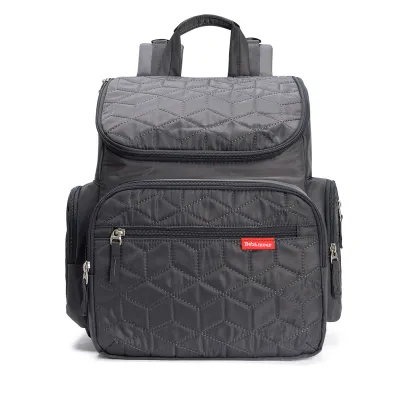
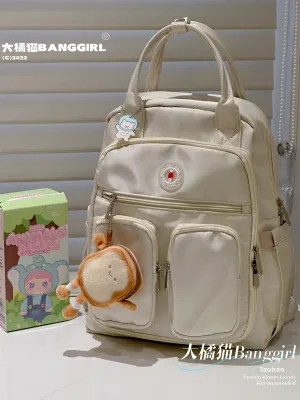
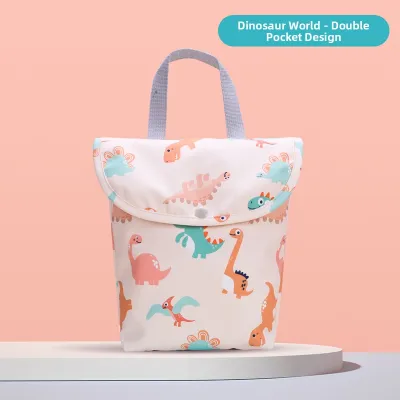
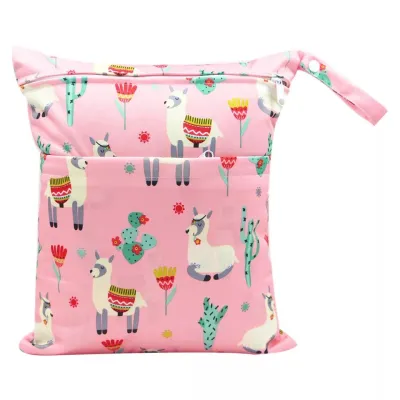
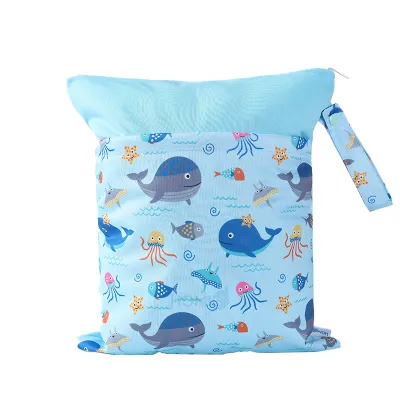
Prices are valid at publication and may change. Please refer to the product page for the latest price.
- TPU (Thermoplastic Polyurethane) Lamination: This is a high-quality, flexible membrane bonded to the fabric. TPU is highly durable, resistant to tears, and free from harmful phthalates, making it an excellent choice for baby gear.
- PVC (Polyvinyl Chloride) Coatings: While PVC provides excellent waterproofing, it is stiffer and often contains plasticizers that may raise safety concerns. If you choose a PVC-coated bag, verify that the manufacturer certifies it as phthalate-free and safe for infant contact.
- DWR (Durable Water Repellent) Treatments: This is a chemical finish applied to the outer surface of fabrics like polyester or nylon. It causes water to bead up and roll off, but it is not completely waterproof and can wear off over time with frequent washing or heavy use.
Hardware and Zipper Quality Even the most waterproof fabric will fail to protect your baby’s clothes if water can seep through the zipper tracks. Standard nylon zippers have exposed teeth that allow water to penetrate easily. High-value waterproof diaper bags typically feature water-resistant zipper tracks, which are coated with a rubberized matte layer that seals the teeth when closed. Alternatively, some brands use standard zippers but cover them with wide fabric rain flaps to deflect water away from the opening.
Interior Linings and Spill Containment A true diaper bag must protect its contents from both external rain and internal spills. Look for interior linings made of wipeable, leak-proof materials such as PEVA (polyethylene vinyl acetate). Insulated bottle compartments should feature heat-sealed seams rather than stitched seams to ensure that any spilled milk or water is contained within that specific pocket, preventing it from soaking into the main compartment.
Interpreting Manufacturer Labels When shopping, you must distinguish between “water-resistant” and “waterproof.” A water-resistant bag is designed to repel light rain or accidental spills for a short period, giving you enough time to seek shelter. A waterproof bag can withstand prolonged exposure to heavy downpours or even brief submersion without allowing any moisture to penetrate. Always read the manufacturer’s product tags carefully to verify which standard the bag meets, and do not rely solely on marketing headlines.
Comparing Popular Brand Tiers Available in Singapore
The diaper bag market in Singapore is diverse, ranging from high-end specialty outdoor gear to affordable everyday options. To help you navigate these choices, we can categorize available brands into three distinct tiers based on their price, materials, and overall value proposition.

| Price Tier | Typical Material | Seam Construction | Zipper Type | Best Suited For | General Price Range (SGD) |
|---|---|---|---|---|---|
| Premium Tier | TPU-coated Nylon / Marine-grade Tarpaulin | Welded or Tape-sealed | Water-resistant rubberized zippers | Public transport commuters, outdoor trips, heavy rain exposure | Over S$150 |
| Mid-Range Tier | DWR-treated Polyester / Oxford fabric | Stitched with interior binding | Standard zippers with rain flaps | Daily urban driving, mall visits, light rain | S$50 to S$150 |
| Budget Tier | Lightweight Polyester / Laminated Canvas | Standard stitched seams | Standard nylon coil zippers | Secondary backup bag, short indoor trips, mild weather | Under S$50 |
This structured comparison allows you to match your specific parenting routine with the appropriate level of protection, ensuring you do not overpay for features you do not need, nor compromise on protection when it is critical.
Premium Brands with Advanced Waterproofing
Premium brands positioning themselves at the top of the market typically price their diaper bags over S$150. These manufacturers utilize advanced materials such as high-grade TPU membranes, marine-grade tarpaulin, or heavy-duty ballistic nylon. The defining characteristic of this tier is the construction quality: seams are often radio-frequency welded or sealed with waterproof tape on the inside, ensuring that no needle holes can let water in.
For parents in Singapore who rely on public transport, walk long distances between MRT stations, or enjoy frequent outdoor activities like beach trips to Sentosa or picnics at the Singapore Botanic Gardens, this tier offers exceptional value. These bags can withstand prolonged, heavy tropical downpours without dampening the spare clothes or diapers inside. Additionally, many premium brands offer comprehensive warranties covering manufacturing defects, zipper failures, and seam separation, which helps justify the higher initial investment. Always check the specific warranty terms provided by the brand before purchasing to understand what is covered.
Mid-Range Brands Balancing Price and Features
Mid-range brands, typically priced between S$50 and S$150, represent the sweet spot for the majority of parents in Singapore. These bags are usually constructed from durable, high-density polyester or Oxford fabric treated with a DWR coating. While the exterior fabric repels light rain effectively, the seams are stitched rather than welded, meaning they are not fully waterproof under prolonged exposure to heavy downpours.
However, these bags excel in interior organization. They frequently feature dedicated, wipeable wet compartments, insulated bottle pockets with leak-proof linings, and numerous quick-access pockets for parent essentials. If your daily routine involves driving, taking taxis, or moving primarily between air-conditioned shopping malls and indoor play areas, a mid-range bag provides outstanding value. It offers sufficient protection against accidental spills and brief walks through light rain, without the added cost and weight of heavy-duty industrial waterproofing. To manage the limitations of stitched seams, you can easily pair these bags with a stroller rain cover during wet weather.
Budget-Friendly Options from Online Marketplaces
Budget-friendly diaper bags, priced under S$50, are widely available on various online marketplaces and e-commerce platforms. These options are highly appealing for parents seeking a secondary backup bag to keep in the car or at a grandparent’s house. Many of these bags feature stylish designs and claim to be waterproof, but they require careful scrutiny before purchase.
At this price point, manufacturers often use lightweight polyester with basic water-resistant coatings that may wear off quickly. The zippers are typically standard nylon coil zippers without protective flaps, and the seams are basic stitched seams without any internal sealing tape. To find a reliable budget option, read user reviews carefully, focusing on feedback regarding zipper durability, strap strength, and how the bag performs during spills. Avoid bags with strong chemical odors, as this can indicate the use of low-grade PVC or cheap dyes that may not be safe for close contact with baby items.
Waterproofing Materials and Construction: What to Verify
To make an informed decision, you should understand how a waterproof diaper bag is put together. The performance of the bag depends heavily on the combination of fabric coatings, seam construction, and closure mechanisms.
DWR Coatings vs. Waterproof Membranes A Durable Water Repellent (DWR) coating is a chemical treatment applied to the outer surface of a fabric. It works by lowering the surface tension of the fibers, causing water droplets to bead up and roll off rather than soaking in. While highly effective in light drizzle, DWR coatings can degrade over time due to friction, dirt, and washing. In contrast, a waterproof membrane (such as a TPU laminate) is a solid physical barrier bonded to the back of the fabric. This membrane remains permanently waterproof, regardless of how many times the outer fabric is exposed to water, making it a much more reliable choice for long-term use.
Stitched Seams vs. Welded Seams When a manufacturer sews a diaper bag together, the sewing needle punctures thousands of tiny holes through the fabric and the waterproof membrane. During a heavy downpour, water pressure will eventually force moisture through these needle holes, regardless of how waterproof the fabric itself is.
- Welded Seams: High-end waterproof bags use electromagnetic or heat welding to fuse the fabric edges together without any needles or thread. This creates a completely seamless, continuous barrier that is 100% watertight.
- Taped Seams: Some stitched bags feature waterproof tape applied under high heat over the interior seams. This tape seals the needle holes, providing excellent water resistance at a lower production cost than welding.
- Standard Stitched Seams: Most mid-range and budget bags use standard stitched seams. While perfectly adequate for daily use, they will eventually leak if the bag is exposed to prolonged rain.
Practical Verification Checklist When evaluating a diaper bag in-store or reviewing detailed product photos online, use this physical checklist to verify its construction quality:
- Examine the Zippers: Look for a smooth, rubbery coating over the zipper teeth when closed. If the teeth are exposed, check if there is a wide fabric flap covering the zipper track.
- Inspect the Interior Seams: Turn the bag inside out if possible. Look for clear or colored tape bonded over the stitched seams. If you see raw stitching with exposed thread, the seams are not sealed.
- Check the Fabric Backing: Feel the inside of the outer fabric. A rubbery or plasticky texture indicates an internal TPU or PVC laminate, which provides superior protection compared to a simple fabric spray.
- Read the Care Label: Look for specific cleaning instructions. Truly waterproof membranes and taped seams often require hand washing or spot cleaning only, as machine washing can delaminate the materials.
Decision Framework: Which Bag Fits Your Parenting Routine?
Choosing the best value waterproof diaper bag requires matching the bag’s specifications to your daily parenting lifestyle in Singapore. Use this decision framework to identify the right category for your family.
Choose Premium Fully Waterproof Bags if:
- You frequently commute via public transport (MRT and buses) and must walk outdoors during Singapore's heavy monsoon seasons.
- You regularly participate in outdoor activities, such as beach trips, pool outings, or visits to wet play areas where the bag might sit on wet surfaces.
- You want a highly durable, long-term investment backed by a manufacturer's warranty that can withstand heavy daily wear and tear for multiple years.
- You require a bag that can be easily hosed down or thoroughly wiped clean on both the inside and outside without damaging the materials.
Choose Mid-Range Water-Resistant Bags if:
- Your daily routine primarily involves driving, taking private hire vehicles, or moving directly between indoor, air-conditioned environments like shopping malls and childcare centers.
- You prioritize stylish, versatile designs that look like everyday fashion backpacks or totes while still offering practical baby-focused organization.
- You want the best balance of price and features, valuing dedicated insulated bottle pockets, wipeable wet compartments, and convenient stroller straps over heavy-duty industrial waterproofing.
- You are comfortable using a stroller rain cover or an umbrella to protect the bag during occasional walks through heavy rain.
Choose Budget Options if:
- You need a secondary, backup diaper bag to keep permanently in your car trunk or at a caregiver's home for emergencies.
- You are on a strict budget and are willing to carefully manage the bag's exposure to wet weather to prevent water from seeping through the seams.
- You plan to use the bag primarily in dry, indoor environments and do not require long-term durability or heavy-duty hardware.
Verify First if:
- The product description claims the bag is "100% waterproof" but the images show standard exposed metal zippers and basic stitched seams without any mention of taped seams or TPU laminates.
- The bag has an unusually strong chemical or plastic odor upon unpacking, which may indicate the use of low-grade, non-certified PVC materials. Always consult the manufacturer's documentation to confirm safety certifications before use.
Frequently Asked Questions (FAQ)
Can I wash a waterproof diaper bag in a washing machine?
You should generally avoid washing a waterproof diaper bag in a washing machine. The spinning action, heat, and harsh laundry detergents can degrade the waterproof coatings, delaminate the internal TPU membranes, and cause seam-sealing tape to peel away. Instead, spot clean the exterior and interior with a soft, damp cloth and mild soap. Always check the manufacturer’s care label on the bag before attempting any cleaning or submersion, as some materials have highly specific maintenance requirements.
Does a waterproof exterior mean the inside is also leak-proof?
No, a waterproof exterior does not automatically guarantee that the interior compartments are leak-proof. Exterior waterproofing is designed to prevent rain and environmental moisture from entering the bag. Interior leak-proofing requires separate, heat-sealed linings (often made of PEVA) in specific compartments to prevent spilled milk, water, or wet clothes from leaking into the rest of the bag. When purchasing, verify both the exterior weather protection and the interior compartment specifications independently.
How do I test if a new diaper bag is truly waterproof?
To safely test your new bag, perform a low-risk splash test on an inconspicuous area of the exterior fabric, such as the bottom or a small side pocket, using a few drops of water. The water should bead up and roll off easily without soaking into the fabric. Avoid submerging the entire bag or holding it directly under a running tap to test the zippers, as this can void the manufacturer’s warranty and potentially damage internal structural elements or insulated linings if the bag is not designed for full submersion.

Community discussion
Share your experience or ask a question. Comments are reviewed before publication.