
Transitioning a toddler to XL diaper pants is a major milestone for parents in Singapore. As toddlers become more active, crawl, walk, and begin potty training, traditional taped diapers often become difficult to secure on a moving child. Choosing the right XL diaper pants brand involves balancing absorbency, fit, skin sensitivity, and cost-efficiency. With numerous options available in local supermarkets and online marketplaces, finding the ideal balance requires understanding how different brands cater to specific toddler needs and household budgets.
Singapore’s warm and humid tropical climate makes diaper selection particularly critical. High humidity can trap moisture against a toddler’s delicate skin, increasing the risk of diaper rash and discomfort. Active toddlers who are constantly on the move sweat more, which means that breathability and rapid absorption are essential features to look for. By evaluating diaper pants based on objective criteria rather than brand popularity alone, parents can ensure their child remains comfortable, dry, and free to explore their environment.
Key Decision Criteria for XL Diaper Pants
When evaluating XL diaper pants, parents should look beyond attractive packaging and focus on verifiable standards and observable features. The first and most critical factor is absorbency and leak protection. Parents should check the manufacturer’s specifications to determine if a diaper is designed for overnight use or daytime wear. Overnight diapers typically feature denser absorbent cores and specialized distribution layers to handle larger volumes of liquid over twelve hours. To monitor wetness without constantly opening the diaper, look for an observable wetness indicator—a strip on the outside of the diaper that changes color when wet.
Products mentioned in this guide
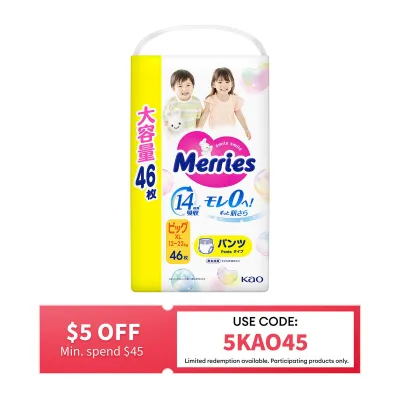
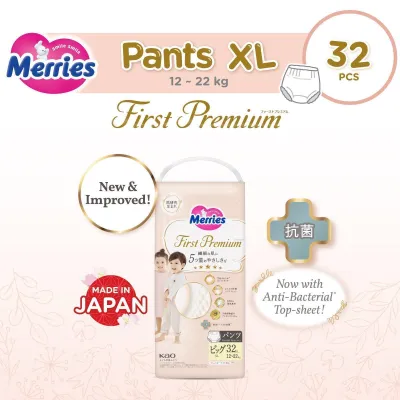
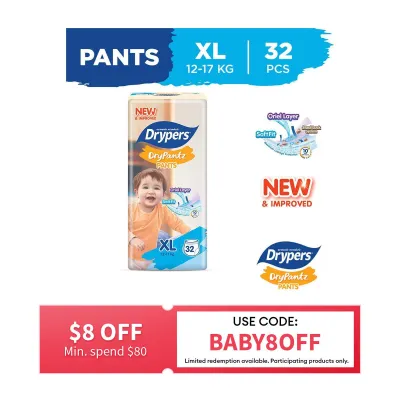
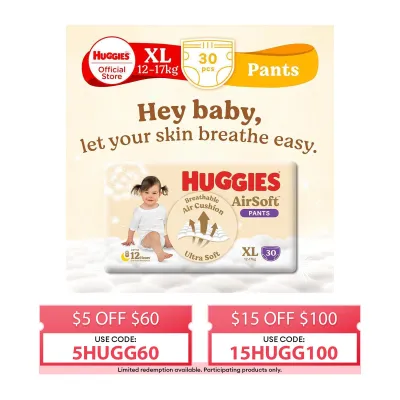
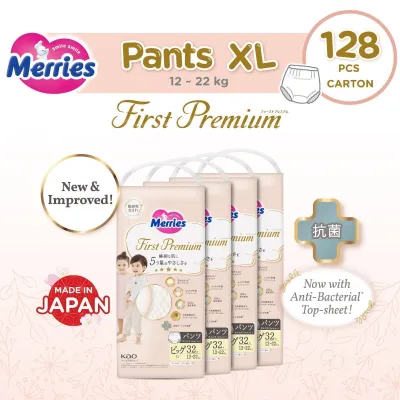
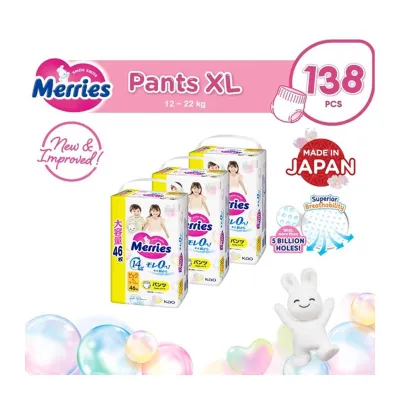
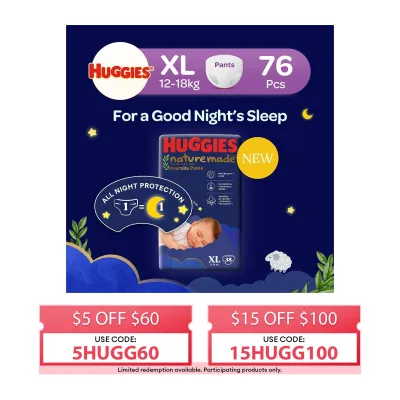
Prices are valid at publication and may change. Please refer to the product page for the latest price.
Fit and mobility are equally vital for toddlers wearing XL sizes, which generally correspond to a weight range of 12 to 17 kilograms, though this varies by manufacturer. Parents must verify the specific weight guidelines on the packaging, as a poor fit can lead to leaks or skin chafing. Evaluate the waistband elasticity by gently stretching it; it should be soft, highly elastic, and leave no harsh indentations on the toddler’s skin. The leg cuffs should feature double-layered leak guards that sit snugly in the groin creases without binding or restricting movement.
Skin sensitivity is a major concern in humid climates. Parents should read ingredient and material labels carefully to check for dermatological testing claims, fragrance-free certifications, and hypoallergenic materials. Breathable outer layers, often described as micro-porous membranes, allow hot air and moisture to escape while keeping liquid contained. If a toddler has extremely sensitive skin, look for brands that explicitly state they are free from elemental chlorine, parabens, and natural rubber latex.
Weighing cost efficiency must be calculated systematically. Comparing total pack prices can be misleading because pack counts vary significantly between brands and packaging sizes. To find the true value, divide the total price of the pack by the number of diapers inside to determine the price per piece. Keeping a simple log of this cost-effectiveness helps families manage their monthly household budget while ensuring they do not compromise on the quality of care their toddler receives.
Comparing Leading XL Diaper Pants Brands in Singapore
The Singapore market offers a diverse range of XL diaper pants, which can generally be categorized into premium imported brands and mainstream value brands. Each category serves different household priorities and toddler needs, presenting distinct trade-offs in terms of material softness, specialized features, and overall cost.

Premium and imported brands, often sourced from Japan or Europe, typically focus on advanced breathability and ultra-soft materials. These diapers frequently feature highly engineered absorbent cores that distribute liquid evenly to prevent sagging, along with silky-soft waistbands designed to minimize friction. While these premium options offer excellent comfort and are highly suitable for overnight wear or toddlers with sensitive skin, they come at a higher price point per piece. Parents choosing these brands often prioritize maximum skin protection and sleep quality over budget constraints.
Mainstream and value brands focus on everyday reliability and cost-effectiveness. These diapers are widely available in bulk packs at local supermarkets and online marketplaces, making them highly convenient for families. While they may lack some of the ultra-soft textures or specialized organic materials of premium lines, they offer robust leak protection and reliable absorbency. They are particularly well-suited for frequent daytime changes, where diapers are replaced every few hours regardless of whether they have reached maximum capacity.
To help visualize how these categories compare, the table below outlines the typical characteristics parents will encounter when shopping for XL diaper pants in Singapore:
| Diaper Category | Typical Stated Weight Range | Primary Material Highlights | Ideal Usage Scenario | Relative Price Tier |
|---|---|---|---|---|
| Premium / Imported | 12–17 kg (varies by brand) | Organic cotton blends, micro-porous backing, ultra-soft elastic | Overnight wear, sensitive skin, long outings | High (S$$$) |
| Mainstream / Mid-Range | 12–17 kg (varies by brand) | Standard fluff pulp, superabsorbent polymer (SAP), soft top-sheet | Daily active wear, daycare, mixed day/night use | Medium (S$$) |
| Value / Budget | 12–17 kg (varies by brand) | Standard absorbent core, breathable outer cover, basic leak guards | High-frequency daytime changes, potty training | Low (S$) |
Choosing between these options involves clear trade-offs. For instance, paying a premium for specialized night-time absorbency is highly efficient if it prevents sleep disruptions and bedsheet washing. Conversely, using a premium diaper for high-frequency daytime changes during potty training—when diapers are often discarded after a single light wet—may result in unnecessary household expenditure. Many local parents find success by adopting a hybrid approach, using value brands during the active daytime hours and premium brands for overnight sleep.
Decision Framework: Matching Brands to Your Toddler's Needs
To make the best choice for your household, it is helpful to apply a structured decision framework based on your toddler’s specific habits, skin condition, and your family’s monthly budget.
Parents should choose premium or imported brands if their toddler has highly sensitive skin prone to redness, or if the child frequently wakes up wet during the night. The advanced moisture-wicking technologies and hypoallergenic certifications found in premium lines provide an extra layer of defense against diaper dermatitis. Furthermore, if your budget comfortably accommodates specialized comfort features, the superior softness and ergonomic fit of premium pants can enhance your active toddler’s comfort during long outings or daycare sessions.
Conversely, mainstream or value brands are the ideal choice if your toddler is highly active during the day and requires frequent changes, or if your family prioritizes strict cost-efficiency. If your child does not have sensitive skin and rarely experiences leaks, a reliable mid-range or value brand will perform excellently for daily wear. These brands are also highly practical during the early stages of potty training, when diaper pants are frequently pulled down and put back on, or discarded quickly after minor accidents.
Before purchasing any brand in bulk, parents must verify several individual factors. If your toddler is currently on the boundary of two sizes (for example, weighing exactly 12 kilograms, which is often the overlap between L and XL sizes), it is highly recommended to purchase a single small pack or obtain sample packs first. Testing a small quantity allows you to observe how the diaper fits your child’s unique body shape—such as chubby thighs or a slender waist—before committing to a large volume. If your toddler has an active skin condition or persistent rash, always consult a pediatrician or dermatologist for personalized guidance before switching diaper brands.
It is also important to recognize when neither category of XL diaper pants may fit your child. If your toddler exceeds the maximum weight limit stated on the XL packaging, or if you observe consistent leaking, red marks, or difficulty pulling the pants up, it is time to transition to a larger size, such as XXL or XXXL. Diaper sizes are guidelines, and a child’s physical build and activity level are the ultimate indicators of when a size upgrade is necessary.
Smart Purchasing and Storage Tips for XL Sizes
Acquiring diaper pants efficiently in Singapore requires utilizing reliable purchasing channels. Parents should buy directly from official brand stores, authorized local supermarkets, or reputable online marketplaces to ensure product authenticity. Purchasing from unverified third-party sellers carries the risk of receiving counterfeit products, older stock with degraded elastics, or diapers that have been stored in substandard conditions.
While bulk buying is an excellent way to reduce the price per piece, parents should exercise caution when stocking up on XL sizes. Toddlers at this developmental stage can grow rapidly, and their diaper needs can change quickly as they progress with potty training. Overstocking three or four months’ worth of XL diapers may result in leftover packs that your child has outgrown. A safer approach is to calculate and maintain a manageable one-to-two-month supply, allowing you to adjust sizes or brands as your toddler’s physical development dictates.
Proper storage is essential to preserve the structural integrity of diaper pants, especially in Singapore’s humid environment. Diapers should be stored in a cool, dry place, completely away from direct sunlight, high humidity, and strong household odors. Excess moisture in the air can compromise the adhesive tapes, degrade the elastic waistbands, and potentially affect the superabsorbent polymers inside the core. Keeping the diapers in their original sealed packaging until use, or storing opened diapers in a clean, airtight plastic container, ensures they remain hygienic and fully functional.
Frequently Asked Questions (FAQ)
How do I know if my toddler is ready to transition from taped diapers to pants?
A toddler is typically ready to transition to diaper pants when they exhibit increased physical mobility, such as crawling rapidly, standing, or walking, which makes fastening taped diapers difficult. Behavioral signs also play a major role; if your child resists lying down during diaper changes or actively tries to undo the tapes, diaper pants offer a much faster and less stressful changing experience. Additionally, if your toddler is showing interest in potty training, diaper pants are ideal because they can be pulled up and down easily, mimicking regular underwear and encouraging independence.
What should I do if the XL diaper pants leave red marks on my toddler's thighs?
If XL diaper pants leave red marks on your toddler’s thighs, it is an indication of a fit or sizing issue. First, verify the weight range on the packaging to ensure your child is within the recommended limits, keeping in mind that toddlers with rounder thighs may need to size up sooner. Check that the leg cuffs and leak guards are pulled out properly and are not folded inward, which can cause friction. If the marks persist, switch to a larger size or try a different brand that features wider, softer waistbands and more elastic leg openings to prevent skin irritation.

Community discussion
Share your experience or ask a question. Comments are reviewed before publication.