
While leading nappy brands in Singapore continuously innovate to maximize both fluid retention and skin comfort, the “best” overall option depends entirely on your baby’s skin sensitivity, urine output, and daily routine. Because independent, standardized testing data is rarely available to consumers, parents cannot rely solely on marketing claims to declare a single winner. Instead, the most effective approach is to understand the material trade-offs between absorbency and softness, evaluate product specifications on the packaging, and use a conditional framework to match specific nappy features to your baby’s daytime and overnight needs.
Selecting the right diapering product involves balancing immediate comfort with long-term skin health. A nappy that excels at keeping a baby dry during a long night’s sleep might feel too stiff or bulky for active daytime play. Conversely, an ultra-soft, lightweight option designed for maximum breathability might saturate quickly under heavy use, leading to leaks and frequent clothing changes. By learning how to read product labels and understand the underlying materials, caregivers can make informed purchasing decisions that suit both their budget and their baby’s developmental stage.
Decoding the Absorbency vs. Softness Trade-Off
The performance of any modern disposable nappy relies on a delicate balance between two primary components: superabsorbent polymers (SAP) and fluff pulp. SAP consists of tiny gelling crystals that can absorb many times their weight in liquid, locking moisture away from the skin. Fluff pulp, derived from wood fibers, provides the physical structure of the absorbent core, helping to distribute liquid quickly across the entire surface of the nappy.
Products mentioned in this guide
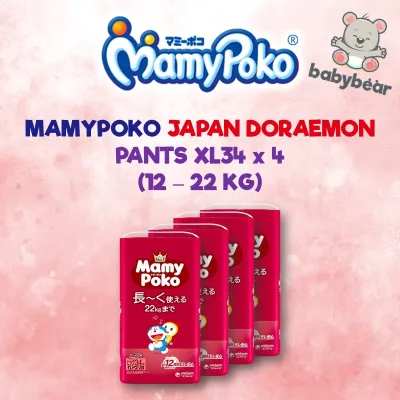
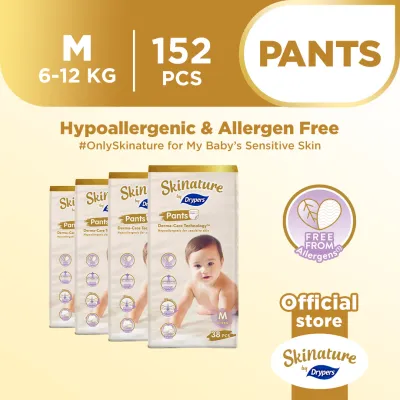
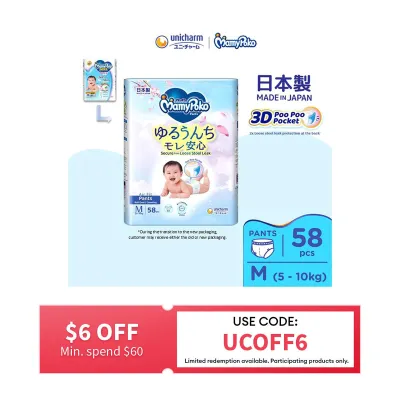
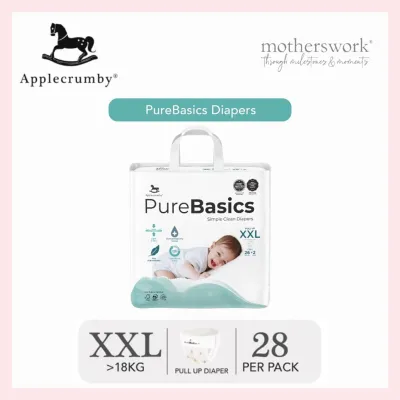
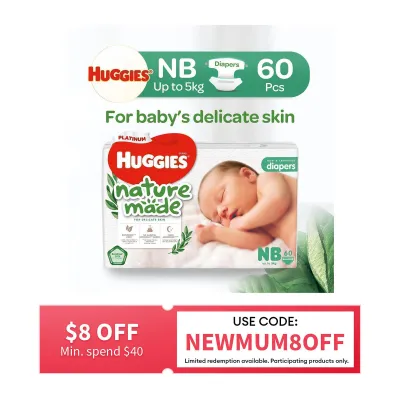
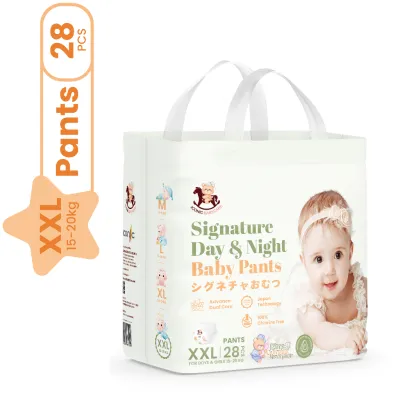
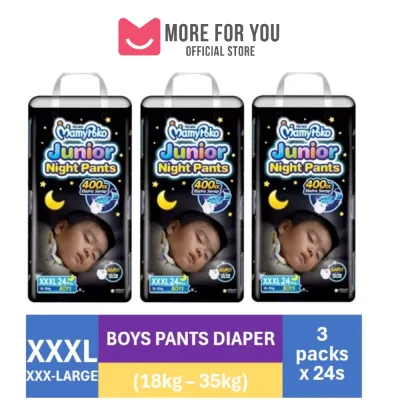
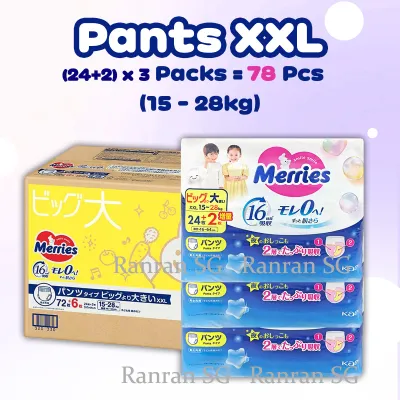
Prices are valid at publication and may change. Please refer to the product page for the latest price.
The ratio of these two materials directly influences the thickness, weight, and flexibility of the product. Nappies with a higher proportion of fluff pulp tend to feel thicker and more cushioned, which some parents associate with traditional comfort. However, this added bulk can restrict a baby’s natural movements and trap body heat, which is a significant consideration in warm, humid environments.
Conversely, ultra-thin designs prioritize softness, flexibility, and mobility by relying heavily on advanced SAP configurations with minimal fluff pulp. These high-tech cores allow the nappy to remain incredibly thin and lightweight when dry, conforming easily to an active baby’s body. While these designs excel in comfort and freedom of movement, they may require more frequent changes during heavy wetting episodes, as the lack of fluff pulp can sometimes reduce the speed of initial fluid intake.
Understanding this trade-off helps parents move past the misconception that a thicker nappy is always more absorbent or that a thinner nappy is inherently prone to leaking. Each design serves a specific purpose, and recognizing how material composition affects performance is the first step in choosing the right product for your baby’s daily routine.
Evaluating Absorbency: What to Look for in Top Brands
When comparing different brands on supermarket shelves or online marketplaces, parents must look beyond generic marketing slogans and focus on verifiable design features listed on the packaging. One of the most reliable indicators of a high-performing absorbent core is the presence of channel technology. Rather than using a uniform pad of absorbent material, many modern nappies feature structured channels that distribute liquid evenly along the length of the core, preventing the nappy from sagging or clumping in one spot when wet.

Another critical feature to verify on the product label is the inclusion of multi-layer core descriptions. High-quality nappies typically employ an acquisition-distribution layer directly beneath the topsheet. This specialized layer quickly draws liquid away from the surface and spreads it across the underlying SAP core, ensuring the baby’s skin remains dry even after multiple wettings.
Caregivers should also inspect the physical construction of the leg cuffs and waistbands, which serve as the primary defense against leaks. Look for packaging that highlights double standing leak guards or elasticized leg cuffs. These raised fabric barriers run along the inner thighs and must fit snugly against the baby’s skin to contain both liquid and solid waste, especially during active movement or when the baby is lying down.
It is equally important to maintain realistic expectations regarding “up to 12 hours” dryness claims often printed on nappy packaging. These claims are typically established under controlled laboratory conditions or based on average urine output volumes. In daily practice, a baby’s actual hydration levels, age, diet, and sleeping positions will heavily influence how long a nappy can safely remain on. Rather than relying on a fixed hourly promise, parents should use these claims as a general indicator of overnight capacity and adjust change intervals based on real-time observation.
Assessing Softness: Materials, Textures, and Skin Compatibility
Evaluating the softness of a nappy requires looking at two distinct areas: the outer cover and the inner topsheet. The outer cover, often referred to as the backsheet, is what caregivers feel when handling the product and what rubs against the baby’s clothing and thighs. A soft, cloth-like outer cover reduces friction against the skin during movement, helping to prevent chafing around the waist and legs.
The inner topsheet, however, is the most critical component for skin compatibility, as it remains in direct, continuous contact with the baby’s delicate skin. When reviewing product specifications, look for brands that use high-quality, non-woven fabrics or cotton-blend textures for this inner layer. Many premium options feature embossed patterns, such as 3D bubbles or honeycombs, which minimize the surface area of the fabric touching the skin and create tiny pockets to trap loose stools.
In Singapore’s tropical climate, breathability is just as important as physical softness for maintaining skin health. High humidity and ambient temperatures can easily trap moisture and heat inside a saturated nappy, creating an environment prone to diaper rash and bacterial growth. To combat this, look for packaging that specifies micro-porous backsheets or built-in airflow channels, which allow hot air and vapor to escape while keeping liquid safely contained.
Parents should also verify any claims regarding skin-friendly additives or the absence of potential irritants. While some brands incorporate mild lotions, aloe vera, or chamomile into the topsheet to soothe the skin, these additives can occasionally trigger sensitivities in babies with eczema or highly reactive skin. Checking the packaging for certifications such as dermatological testing or guarantees of being free from chlorine, fragrances, and latex is a practical way to ensure compatibility before use.
Choosing the Right Nappy Based on Your Baby's Routine
To optimize both absorbency and softness without compromising your baby’s comfort, it is helpful to match specific nappy features to different parts of their daily routine. A single brand or style may not be the ideal choice for every hour of the day, and many experienced caregivers find success by using a tailored, conditional approach to diapering.
You should prioritize high-absorbency, structured nappies with a thicker core and robust leak guards for overnight use or long outings. During sleep, a baby’s urine output can accumulate over several hours, and a high-capacity core is essential to prevent wetness from waking them. These nappies may feel slightly bulkier, but the trade-off is justified by the extended protection they offer when changes are less frequent.
Conversely, you should opt for ultra-soft, thin, and highly breathable nappies during the daytime, especially when your baby is awake and active. Thinner designs allow for unrestricted movement as babies learn to roll, crawl, or walk, reducing the risk of friction-induced chafing. Because daytime changes occur more frequently—typically every two to three hours—the absolute maximum absorbency capacity of the nappy is less critical than its flexibility and breathability.
Before committing to a specific brand, always verify if your baby has any individual sensitivities to the materials used. If you notice localized redness or irritation that aligns with the waistband, leg elastics, or the absorbent core, it may indicate a sensitivity to a specific adhesive, fragrance, or synthetic fiber. In such cases, switching to a fragrance-free, elemental chlorine-free option is a sensible first step.
Implementing a two-nappy system—using a lightweight, ultra-breathable brand for daytime play and a heavy-duty, high-absorbency brand for overnight sleep—allows you to maximize both comfort and performance. This strategy not only supports healthy skin by keeping the diaper area cool during the hottest parts of the day but also helps manage household expenses by reserving premium, high-capacity nappies for when they are truly needed.
How to Test and Verify Nappy Performance at Home
Because every baby’s body shape, movement patterns, and skin sensitivity are unique, the most reliable way to evaluate a nappy is through direct observation at home. Rather than purchasing large bulk cartons initially, look for trial packs, sample sizes, or small travel packs from local supermarkets or online marketplaces. This allows you to test the product’s fit and performance over a few days without a significant financial commitment.
When trialing a new brand, use a simple checklist to assess its suitability for your baby:
- Check the fit: Ensure the waistband sits comfortably below the navel and that you can easily slide two fingers between the elastic and your baby's skin.
- Inspect for red marks: Look closely at the thighs, hips, and waist after removing a wet nappy; deep red indentations suggest the size is too small or the elastic is too tight.
- Assess surface dryness: Gently press a dry tissue against the inner topsheet of a moderately wet nappy immediately after removal; if the tissue remains dry, the core is successfully locking moisture away.
- Monitor skin condition: Observe the diaper area for any signs of localized redness, heat rash, or dry patches over a forty-eight-hour period.
If you observe persistent redness, chafing, or signs of an allergic reaction, stop using the product immediately. Clean the area gently with water, allow the skin to air-dry completely, and consult a pediatrician or qualified healthcare professional for guidance on managing skin irritation.
Frequently Asked Questions (FAQ)
Does a higher price always mean better absorbency and softness?
A higher price point does not automatically guarantee superior performance in both categories. Premium nappies often invest more in sourcing ultra-soft, plant-based, or organic cotton-blend materials for the outer and inner covers, which can feel noticeably gentler to the touch. However, the underlying superabsorbent polymer technology used to lock away moisture is often highly comparable across mid-range and premium tiers. To find the best value, calculate the cost per piece in S$ by dividing the pack price by the total count, and evaluate whether the marginal increase in softness is necessary for your baby’s specific skin sensitivity.
How often should I change a highly absorbent nappy?
Even the most absorbent nappy requires regular changes to maintain proper hygiene and protect your baby’s skin. High absorbency prevents liquid from sitting directly on the skin, but it does not stop the natural buildup of ammonia from urine or eliminate bacteria from bowel movements. Caregivers should follow general hygiene best practices by changing the nappy every two to three hours during the day, or immediately following any bowel movement, regardless of how dry the surface feels or what the manufacturer’s maximum wear-time guidelines suggest.

Community discussion
Share your experience or ask a question. Comments are reviewed before publication.