
Quick Answer: Choosing the Right Steam-and-Blend Baby Blender
Preparing homemade baby food is an exciting milestone, and a dedicated baby blender can streamline the daily task of cooking and pureeing. While most leading brands share the core convenience of a 2-in-1 steam-and-blend function, they diverge significantly in automation level, capacity, and texture control.
Premium multi-function models offer automated transitions from steaming to blending, larger capacities, and finer purees. Standard compact models require manual flipping of the basket or jar and offer basic, single-speed textures.
The best performance depends entirely on your batch-cooking volume, desired texture precision, and available kitchen space. Understanding these differences helps you choose an appliance that fits your family’s routine.
Products mentioned in this guide
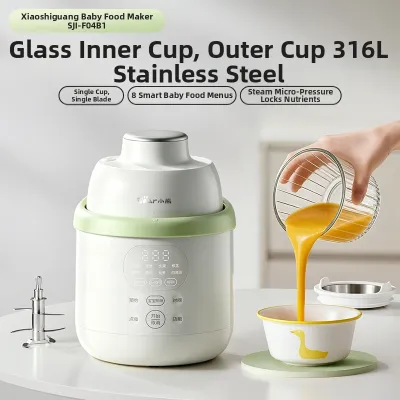
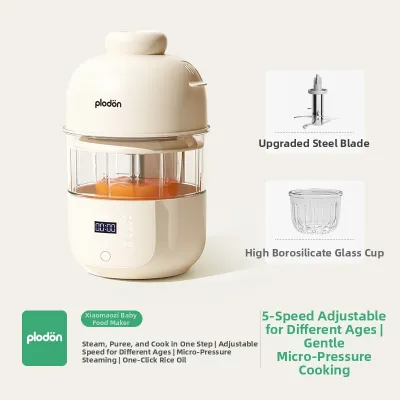
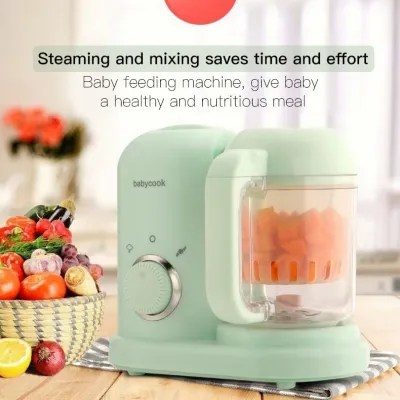
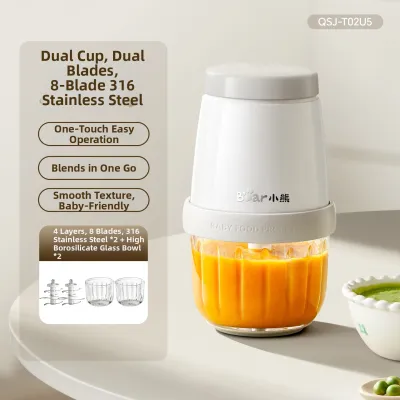
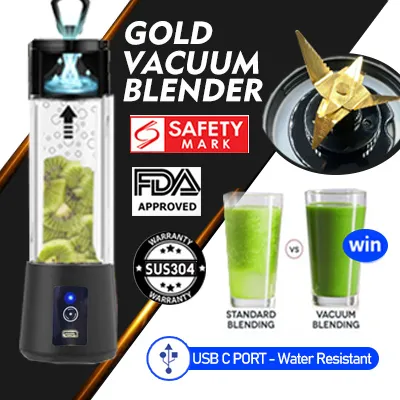
![SG🔥 [READY STOCK] Grinder Blender Portable blender Baby food blender Garlic chopper Food chopper](https://img.lazcdn.com/g/p/d3fc10e77169961cff6c979118330b42.jpg_400x400q80.jpg_.webp)
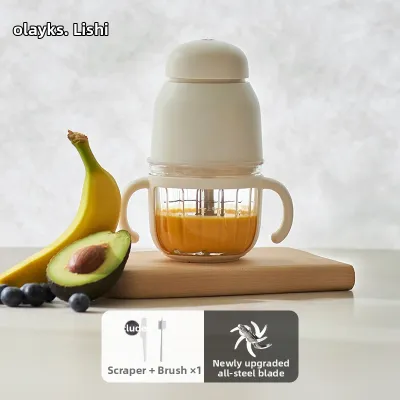
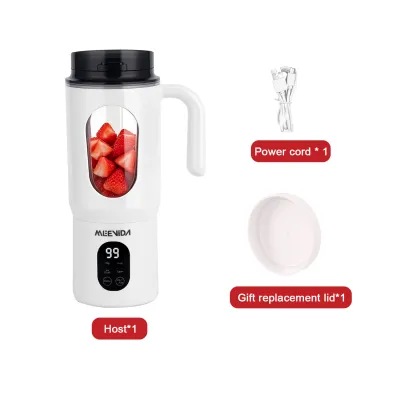
Prices are valid at publication and may change. Please refer to the product page for the latest price.
Core Performance Dimensions to Compare Across Brands
To evaluate different baby blender options, look beyond aesthetic designs and focus on core engineering specifications. Comparing these performance dimensions will help you understand how different models behave during daily use.

Steaming Efficiency and Steam Circulation: Steaming is the foundation of these appliances, preserving water-soluble nutrients in vegetables and fruits. When comparing brands, examine the water tank capacity and the speed of steam generation. Some models heat water to a boil within seconds, while others take several minutes to establish a consistent steam flow. Look for integrated auto-shutoff mechanisms that turn off the heating element once the water reservoir is depleted. Always verify the exact wattage and water-to-steam ratios on product labels rather than relying on marketing claims, as higher wattage generally correlates with faster steam production.
Blending Texture and Motor Power: The transition from smooth purees to chunkier textures is a key developmental milestone for your baby. A baby blender’s ability to process tough meats or fibrous vegetables like celery and spinach depends heavily on motor wattage and blade configuration. Multi-level blades that curve upward and downward tend to create a more consistent vortex, pulling food down toward the cutting edge. Flat, two-dimensional blades may leave unblended chunks at the top of the jar. Check the manufacturer’s specifications for motor power, typically ranging from 150 to 400 watts, to ensure the motor can handle denser ingredients without overheating.
Automation and Workflow: The level of manual intervention required during a cooking cycle directly impacts your kitchen workflow. Manual flip-to-blend designs require you to steam the food in a basket, lift it out, flip it over into the blending jar, and manually trigger the blades. Automated models allow you to set a single timer that steams the food and automatically initiates the blending cycle immediately afterward. While automated systems offer hands-free convenience, they require precise water measurements and offer less immediate control over the final texture during the cooking process.
Capacity and Batch Size: Consider how much food you plan to prepare in a single session. Small blending bowls, often around 300ml to 400ml, are excellent for single-portion meals but struggle to blend larger quantities evenly. Conversely, large-capacity jars, ranging from 800ml to over 1,000ml, are ideal for batch-cooking and freezing. However, if you attempt to blend a very small portion in a large jar, the blades may fail to make contact with the food, resulting in uneven textures. Pay close attention to the bowl’s internal shape, as contoured walls help guide smaller food portions back down toward the blade assembly.
How Leading Baby Blender Categories Compare in Performance
The market for baby food makers is broadly divided into two primary categories. Understanding how these categories perform under real-world conditions will help you narrow down your options.
Premium 4-in-1 Multi-Function Models
Premium 4-in-1 models are designed as comprehensive food preparation stations for busy households. Beyond the standard steaming and blending functions, these advanced appliances typically include dedicated defrosting and reheating cycles. This allows you to take pre-frozen portions of puree, place them directly into the machine, and warm them to a safe serving temperature without using a microwave or a separate stovetop water bath.
These high-end units generally feature larger blending jars, often exceeding 1,000ml, making them highly efficient for parents who prefer to prepare a week’s worth of baby food in a single session. The blending performance is supported by robust motors and sophisticated electronic control panels. These panels allow you to select specific texture profiles, ranging from ultra-smooth first-stage purees to chunkier, textured blends for older infants. Some premium models even feature dual-jar designs, allowing you to steam savory vegetables on one side while pureeing sweet fruits on the other.
However, these expanded capabilities come with specific trade-offs. Premium multi-function models have a significantly larger physical footprint, requiring dedicated counter space in your kitchen. Their complex internal plumbing and larger water reservoirs also demand a strict, regular descaling routine to prevent mineral buildup from clogging the steam pathways. Additionally, the initial financial investment for these models is higher, typically positioning them in the premium price bracket.
Standard 2-in-1 Steam-and-Blend Models
Standard 2-in-1 models focus strictly on the core tasks of cooking and pureeing, offering a streamlined and highly efficient user experience. These appliances are characterized by their compact, vertical designs, which occupy minimal counter space and are easy to store in kitchen cabinets when not in use. They are particularly well-suited for parents who prefer to prepare fresh, single-serve meals for their baby every day.
The workflow for a standard 2-in-1 baby blender often involves a manual transition. In many popular designs, you steam the ingredients in a specialized basket inside the jar. Once the steaming cycle is complete, you lift the basket, flip it upside down to dump the cooked food directly onto the blades at the bottom of the jar, and lock the lid back in place to blend. This manual process gives you control over the cooking liquid, allowing you to pour off excess water before blending to achieve a thicker consistency.
The primary limitation of standard 2-in-1 models lies in their capacity and versatility. With blending jars typically ranging from 400ml to 700ml, they are not designed for large-scale batch cooking. Processing fibrous meats or preparing large quantities of dense root vegetables can strain the smaller motors, requiring you to work in multiple small batches. Furthermore, because these models lack dedicated defrosting or reheating settings, you will need to rely on alternative kitchen appliances to warm up pre-prepared meals.
Practical Decision Framework: Which Model Type Fits Your Routine?
Selecting the right baby blender requires aligning the appliance’s capabilities with your daily lifestyle, kitchen layout, and feeding philosophy.
Choose a Premium 4-in-1 model if:
- You prefer to batch-cook: If you prepare large quantities of food on the weekend and freeze them in individual portions, a premium model's large capacity lets you cook and freeze multiple portions efficiently.
- You need hands-free operation: If you want an appliance that automatically transitions from steaming to blending while you attend to your baby, automated models are highly beneficial.
- You want to defrost and reheat directly: If you want the convenience of warming up frozen purees directly within the same machine without washing extra pots.
- You have adequate kitchen counter space: If your kitchen has ample counter space and electrical outlets to accommodate a larger, semi-permanent appliance.
Choose a Standard 2-in-1 model if:
- You prefer cooking fresh, single-serve meals: If you enjoy preparing small, fresh portions of food for your baby every day, the smaller capacity of a standard model is perfectly sized.
- You have a compact kitchen: If you live in a home with a compact kitchen layout, such as a typical Singapore HDB apartment, where counter space is limited and appliances must be easily storable.
- You want a simpler, faster cleaning routine: If you prefer an appliance with fewer detachable parts and a smaller water reservoir to maintain.
Verify first if:
- You need specific texture settings: Before purchasing, check the manufacturer's product manual to verify if the model offers a manual pulse function or multiple speed settings, which are essential for controlling texture as your baby's chewing skills develop.
Neither may fit if:
- You need to process large family-sized meals or dry ingredients: Baby food blenders are specifically engineered for wet, soft, and steamed ingredients in infant-sized portions. For dry grinding or large-scale family cooking, a standard high-powered household food processor or full-sized blender is a more appropriate and durable investment.
Essential Safety, Cleaning, and Maintenance Guidelines
Proper maintenance of your baby blender is essential not only for extending the lifespan of the appliance but also for ensuring the safety and hygiene of the food you prepare.
Descaling the Steam Tank: Over time, tap water leaves mineral deposits, such as calcium and lime, inside the heating reservoir. This buildup acts as an insulating layer, reducing heating efficiency, increasing steam times, and potentially causing the heating element to overheat. Regular descaling is critical to keep the steam generator functioning correctly. Use a food-safe descaler or a mixture of food-grade white vinegar and water, as recommended by the manufacturer. Always consult your user manual for the specific descaling intervals and procedures approved for your model.
Blade and Seal Care: The silicone seals and blade assemblies are primary areas where food residue and moisture can trap bacteria. Disassemble the blade assembly and remove the silicone gaskets after every use. Wash them immediately in warm, soapy water, using a small brush to clean the crevices around the blade shaft. Allow all parts to air-dry completely before reassembling the unit to prevent mold growth. Inspect the silicone seals regularly for signs of wear, cracking, or stretching, and replace them immediately if you notice any degradation to prevent leaks.
Safety Boundaries: To prevent accidents and damage to the motor, never overfill the water tank or the blending bowl beyond the maximum fill lines clearly marked by the manufacturer. Overfilling the water tank can cause boiling water to spit out of the steam vents, posing a burn hazard. Overfilling the blending bowl can overload the motor, leading to overheating or electrical failure. Always unplug the appliance from the wall outlet and allow it to cool completely before removing the blade assembly, handling the heating base, or performing any cleaning tasks.
Frequently Asked Questions (FAQ)
Can I use a steam-and-blend baby blender to sterilize bottles?
No, baby blenders are strictly designed for food preparation and are not engineered to sterilize baby bottles or feeding accessories. Bottle sterilization requires sustained, high-temperature steam distributed evenly throughout a sealed chamber specifically shaped to hold bottles. Attempting to use a baby food maker for this purpose can result in incomplete sterilization, leaving harmful bacteria behind, and may damage both the bottles and the appliance. Always use a dedicated steam sterilizer, UV sterilizer, or boiling water as recommended by pediatricians and manufacturers.
Is it safe to leave the baby blender unattended while steaming?
While many modern baby blenders are equipped with automatic shutoff features that turn off the heating element when the water reservoir runs dry, you should not leave the appliance entirely unattended during operation. Unexpected malfunctions, such as a blocked steam vent or a faulty sensor, can lead to dry-boiling, excessive pressure buildup, or electrical hazards. It is best practice to remain in the immediate area while the machine is running, ensuring you can quickly intervene if you notice unusual noises, steam leaks, or warning lights.

Community discussion
Share your experience or ask a question. Comments are reviewed before publication.