
Quick Answer: Is Tollyjoy the Right Bottle Cleanser for You?
Finding the right bottle wash in Singapore is a highly personalized decision. The ideal choice depends on your baby’s unique physiological needs, such as a predisposition to sensitive skin or eczema, alongside your household’s daily priorities, including monthly budgeting, eco-friendly ingredient sourcing, and scent preferences.
Tollyjoy liquid cleanser is a prominent, widely accessible option in local supermarkets and baby stores. It is formulated as a plant-derived cleaning agent that frequently incorporates mild moisturizing components, which help shield a caregiver’s hands from dryness during the repetitive cycle of daily bottle washing.
While this formulation is highly effective at breaking down standard milk fats and proteins, parents of infants with diagnosed skin sensitivities or severe allergies must exercise caution. For these babies, it is crucial to cross-reference the specific ingredient list of any cleanser against specialized fragrance-free or hypoallergenic alternatives to prevent contact reactions.
Products mentioned in this guide
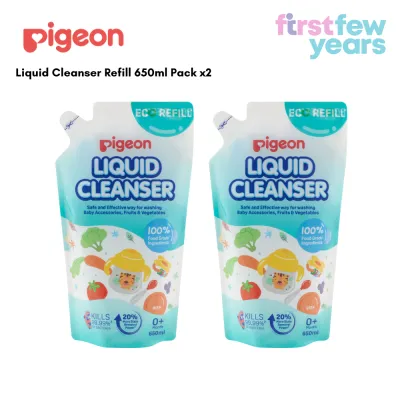
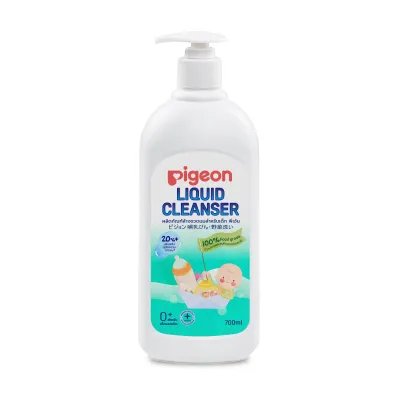
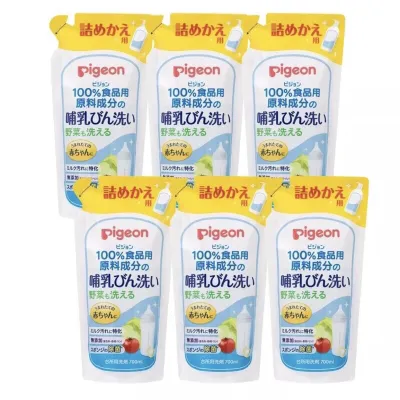
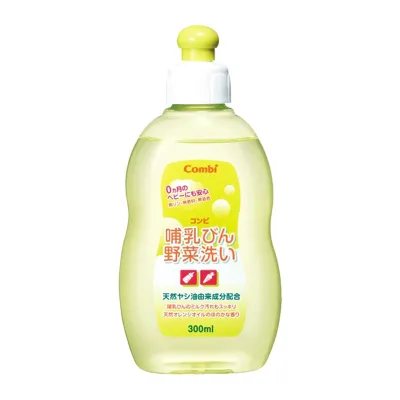
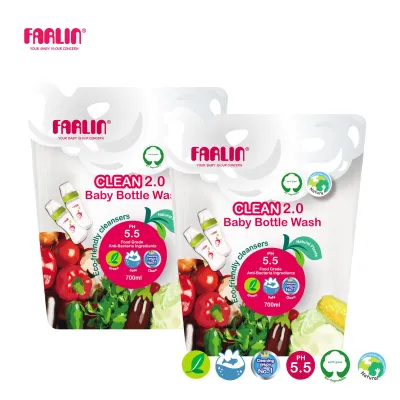
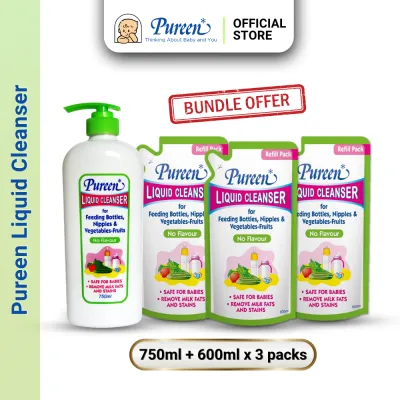
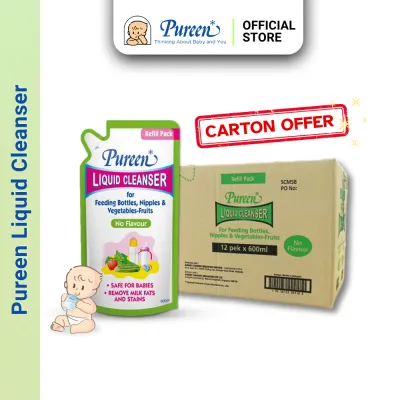
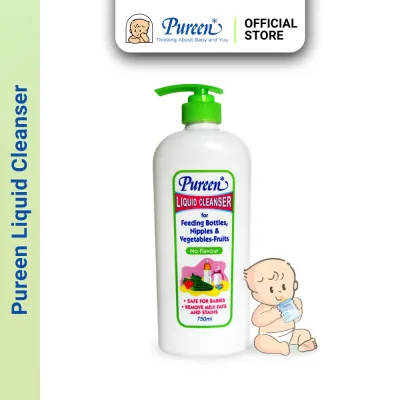
Prices are valid at publication and may change. Please refer to the product page for the latest price.
To ensure safety, always inspect the physical product label of your chosen bottle wash to confirm its current ingredients, recommended age guidelines, and manufacturer-approved usage instructions before making a final purchase.
What to Look for in a Baby Bottle Cleanser
To make an informed decision, it is essential to understand what sets specialized baby bottle cleansers apart from standard household cleaning products.

Cleaning Performance
Baby bottles present a unique cleaning challenge because breast milk and infant formula are rich in complex lipids, proteins, and carbohydrates. These biological components tend to form a stubborn, greasy film on the inner surfaces of plastic and glass bottles, particularly in the hard-to-reach corners and around the screw threads.
Standard household dish soaps are often formulated to tackle heavy grease from cooked foods but may leave behind a persistent chemical residue or a heavy perfume scent that is difficult to rinse away completely. Dedicated baby bottle cleansers utilize targeted surfactants designed specifically to bind to milk proteins and fats, allowing them to be easily lifted and rinsed clean without leaving a slick, soapy film that could contaminate the next feed.
Different bottle materials also react differently to milk residues. Polypropylene (PP) and polyphenylsulfone (PPSU) bottles, which are highly common in Singapore, have a lipophilic nature that attracts fats, making them feel greasy even after a basic rinse. A high-quality cleanser must lower surface tension effectively to clean these plastic surfaces without requiring abrasive scrubbing that can scratch the material.
Safety and Ingredients
The safety profile of a bottle wash is directly tied to its surfactant source and preservative system. Caregivers should look closely at whether a formula relies on plant-based surfactants, such as those derived from coconut, corn, or potatoes, or synthetic alternatives which can sometimes be harsher on both the environment and sensitive skin.
Fragrance is another critical factor to consider. While a mild, fresh scent may make the washing process more pleasant for the caregiver, highly concentrated synthetic fragrances can overwhelm an infant’s highly sensitive olfactory system or trigger respiratory and skin reactions. Many parents prefer fragrance-free or naturally derived scents to minimize these risks.
It is highly recommended to verify that the formula is free from potentially irritating or controversial additives, including parabens, phthalates, formaldehyde-releasing preservatives, and artificial colorants. You can do this by carefully reading the ingredient deck on the packaging before buying.
Value and Concentration
When comparing prices on the shelf, looking solely at the volume of the bottle can be misleading. A highly concentrated formula that requires only a few drops diluted in water can last significantly longer than a cheaper, watery alternative that requires multiple pumps per wash.
Evaluating the cost per wash, rather than the upfront cost per bottle, provides a much more accurate picture of long-term household expenditure. This is especially true during the first year of life when bottles are washed multiple times every single day, making bottle cleanser a recurring and significant household expense.
Evaluating Tollyjoy Liquid Cleanser
Tollyjoy is a household name in Singapore, recognized for its accessibility and practical formulations designed for busy families.
Formulation and Ingredients
When evaluating Tollyjoy liquid cleanser, caregivers should inspect the label to identify its primary cleaning agents. These are typically derived from plant sources, such as vegetable starches and coconut derivatives, to provide a gentler alternative to petroleum-based surfactants.
The formula often includes skin-conditioning additives, such as aloe vera or chamomile extracts. These ingredients are specifically included to mitigate the stripping of natural oils from the caregiver’s hands, which is a common complaint among parents who wash bottles up to ten times a day.
Scent and Sensory Profile
Tollyjoy generally features a mild, clean fragrance that is designed to neutralize sour milk odors without being overly perfumed. The scent is formulated to rinse away completely, leaving no lingering taste or smell on the silicone nipples or plastic bottle walls.
However, parents must assess their baby’s specific tolerance. If your infant has shown signs of sensitivity to scented products, or if you prefer a completely neutral feeding environment, you may need to seek out a strictly fragrance-free alternative that contains no added perfumes or botanical extracts.
Availability and Convenience
One of Tollyjoy’s primary advantages in Singapore is its widespread availability across major supermarket chains, local pharmacies, and online marketplaces. This high level of accessibility ensures that parents can easily restock their supply during routine grocery runs without having to visit specialty baby boutiques or wait for international shipping.
Furthermore, Tollyjoy frequently offers convenient packaging options, including large pump bottles for the kitchen counter and eco-friendly refill pouches. These refill packs allow parents to reuse their existing pump dispensers, reducing plastic waste and lowering the overall cost per milliliter.
Label Verification
Before introducing any new cleaning product to your baby’s feeding equipment, always read the physical bottle’s back label. Check for specific allergen warnings, recommended dilution ratios, and whether the manufacturer has certified the formula as safe for washing raw fruits and vegetables, which can add significant multi-purpose value to your kitchen.
Comparing Tollyjoy Against Common Alternatives
Understanding how Tollyjoy stacks up against other categories of cleansers in the Singapore market helps clarify where it fits within your household budget and safety requirements.
Plant-Based and Organic Brands
When compared to premium organic bottle washes, Tollyjoy occupies a practical middle ground. Premium brands often highlight third-party organic certifications, such as USDA Organic or Ecocert, which guarantee that their agricultural ingredients are grown without synthetic pesticides and processed under strict ecological standards.
While these certified organic options offer peace of mind for environmentally conscious families, they typically carry a much higher price tag per milliliter. Tollyjoy provides plant-derived cleaning performance at a more accessible price point, making it a viable option for families who want to avoid harsh synthetic chemicals but cannot justify the premium cost of certified organic lines.
Fragrance-Free and Sensitive Skin Formulas
For infants with diagnosed medical skin conditions like eczema or severe contact dermatitis, standard gentle cleansers may still present risks due to their botanical extracts or mild fragrances. Clinical or dermatologically tested sensitive-skin brands focus on minimizing the ingredient list to the absolute bare essentials, completely omitting botanical extracts like aloe vera or chamomile, which can occasionally act as contact allergens for highly reactive skin.
Caregivers should compare the length and complexity of the ingredient lists on the back of the bottles. If your baby’s skin is highly reactive, a specialized, fragrance-free, single-purpose cleanser with a minimalist formulation is often the safer, albeit more expensive, choice compared to multi-purpose plant-based washes.
Standard Household Dish Soaps
It is highly discouraged to use standard adult dishwashing liquids for infant feeding equipment. These household soaps are formulated with powerful degreasers and strong synthetic surfactants designed to strip baked-on grease from pots and pans, which are far too harsh for a baby’s delicate system.
Standard dish soaps frequently leave behind chemical residues and strong perfumes that can cling to silicone nipples and plastic bottles. This can potentially cause oral aversion or digestive irritation if trace amounts are ingested during feeding.
Investing in a dedicated baby bottle cleanser like Tollyjoy is a necessary step to safeguard your infant’s developing digestive and immune systems from unnecessary chemical exposure. The milder surfactants used in baby-specific washes ensure that the equipment is thoroughly cleaned without leaving harmful residues.
Decision Framework: Choosing the Best Cleanser for Your Baby
To help you finalize your choice, consider the following condition-based scenarios that match different parenting priorities and infant needs.
Choose Tollyjoy if:
- You want a balanced, budget-friendly option: You are looking for a reliable, cost-effective, and widely accessible bottle wash that utilizes plant-derived surfactants to clean milk residue effectively.
- You want to protect your skin: You appreciate a mild moisturizing effect, such as added aloe vera, to protect your hands from dry skin during frequent daily washing.
- You prefer a multi-purpose kitchen companion: You want a single product that can safely clean baby bottles, breast pump parts, pacifiers, and family fruits and vegetables.
Choose a specialized fragrance-free brand if:
- Your baby has severe sensitivities: Your infant has highly sensitive skin, diagnosed eczema, or a family history of severe contact allergies.
- You want zero sensory impact: You prefer a clinical formula that features minimalist ingredient lists, zero added fragrances, and no botanical extracts that could potentially trigger a skin flare-up or respiratory irritation.
Choose a premium organic-certified brand if:
- Sustainability is your top priority: Your household prioritizes strict environmental sustainability, certified organic farming practices, and the complete absence of synthetic preservatives.
- You have a flexible budget: You have a flexible household budget and place a high value on third-party ecological seals of approval, such as Ecocert or USDA Organic.
Verify first if:
- Your baby has specific plant allergies: Your infant has known sensitivities to specific plant-derived ingredients, such as aloe vera or chamomile, which are commonly added to gentle cleansers.
- You are caring for a high-risk infant: If you are caring for a premature infant or an infant with a compromised immune system, consult your pediatrician or a qualified healthcare professional to determine if specific medical-grade cleaning and sterilization protocols are required.
Safe Bottle Cleaning and Maintenance Practices
Choosing the right cleanser is only the first step; maintaining a hygienic feeding routine requires proper technique and regular equipment care.
Proper Washing Technique
To prevent milk proteins from baking onto the bottle surfaces, rinse all bottle parts under cool running water immediately after each feeding. This simple step makes the subsequent washing process much easier and prevents the buildup of stubborn films.
When washing, completely disassemble all parts of the bottle, including the collar, nipple, cap, and any anti-colic valves. Use a dedicated bottle brush that can reach the bottom corners of the bottle, and use a smaller, specialized nipple brush to clean the delicate silicone nipple, paying close attention to the screw threads where milk residue easily accumulates.
Dilution and Rinsing
Always adhere strictly to the manufacturer’s recommended dilution ratios printed on the bottle label rather than pouring concentrated cleanser directly onto your brushes. Diluting the cleanser in a clean basin of warm water is often the most effective way to ensure even distribution and efficient cleaning.
After scrubbing, rinse every component thoroughly under warm running water for several seconds. This ensures that all traces of loosened milk fat, protein, and surfactant residue are completely washed away, leaving the bottle clean and safe for the next assembly.
Sterilization vs. Washing
It is important to understand that washing and sterilizing serve two different purposes. Washing physically removes organic debris, fats, and proteins, while sterilization uses heat, steam, or UV light to destroy micro-organisms that may remain on the surface.
In Singapore’s warm and humid climate, bacteria and mold can multiply rapidly on wet surfaces. After washing and sterilizing, ensure all bottle parts are dried completely on a clean, elevated drying rack in a well-ventilated area, or use a sterilizer with a built-in drying function.
Sterilization is highly recommended after every wash for newborns under three months of age, premature infants, or babies with weakened immune systems. For older, healthy infants, a thorough wash with a dedicated cleanser and clean water may be sufficient, but you should always consult your pediatrician for localized health guidelines.
Equipment Maintenance
Regularly inspect your bottle brushes for signs of wear, such as fraying bristles or exposed metal wires, and replace them promptly. Scratched plastic surfaces can harbor bacteria and milk fat that cannot be reached by standard cleaning.
Inspect silicone nipples frequently for signs of degradation. Nipples degrade over time due to exposure to milk fats, saliva, and heat from sterilization; therefore, replace any plastic bottles that appear cloudy, scratched, or worn, and swap out silicone nipples at the first sign of thinning, stickiness, or damage.

Community discussion
Share your experience or ask a question. Comments are reviewed before publication.