
Quick Answer: Choosing the Right Wet Bag Brand for Your Needs
Finding the best wet bag brand for cloth diapers in Singapore depends heavily on your daily routine, washing frequency, and where you plan to use the bags. If you are preparing a diaper stash for infant care or daycare drop-offs, prioritizing budget-friendly multi-packs is often the most practical route. These sets allow you to maintain a continuous washing rotation without running out of clean bags. Conversely, if you frequently travel, take long weekend outings, or are highly sensitive to odors, investing in premium specialty brands with thicker heat-bonded linings and double-zipper compartments is a more reliable choice.
While brand reputation provides a helpful indicator of zipper durability and stitching quality, the physical construction of the bag remains the ultimate driver of performance. When comparing options, look for thermoplastic polyurethane (TPU) or polyurethane laminate (PUL) inner linings to contain moisture and lock in odors. Practical additions like snap-button handles make it simple to secure the bag to a stroller handlebar during warm outdoor walks, while dual-pocket designs keep clean inserts and soiled diapers cleanly separated. Ultimately, matching the bag’s material and size to your specific lifestyle ensures a seamless, leak-free cloth diapering experience.
Key Features to Compare When Evaluating Wet Bag Brands
Material and Odor Containment
The primary defense against leaks and escaping odors is the waterproof lining of the wet bag. Most modern brands utilize either Polyurethane Laminate (PUL) or Thermoplastic Polyurethane (TPU). PUL is chemically bonded and tends to be highly durable and resistant to high wash temperatures, making it a robust choice for heavy-duty laundering. TPU, on the other hand, relies on a heat-bonding process that is often favored by eco-conscious parents because it avoids chemical solvents. Both materials offer excellent waterproofing, but the thickness of this laminate layer varies significantly between brands. Thinner laminates are more prone to cracking over time, especially when exposed to Singapore’s high ambient humidity and frequent washing cycles. Additionally, look for water-resistant zipper tracks or fabric flaps that cover the zipper teeth, as these small design details prevent odors and moisture from seeping out through the closure.
Products mentioned in this guide
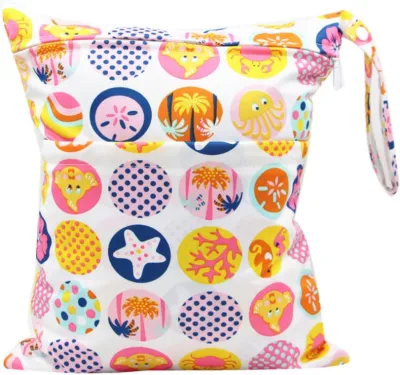
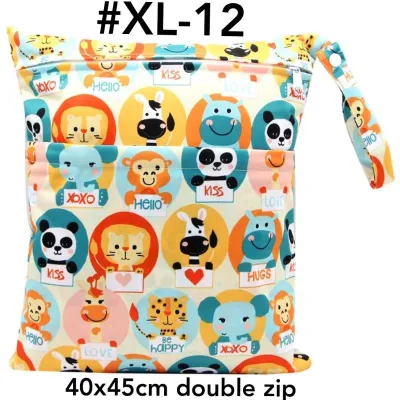
![[SG Ready Stock] Large 36 x 30 cm / 40 x 45 cm Waterproof Reusable Diaper Wetbags Swim Bag Toiletries WBLA [Little Gems SG]](https://img.lazcdn.com/g/p/3f6d7d23a73a4a0840932c0a4301754a.jpg_400x400q80.jpg_.webp)
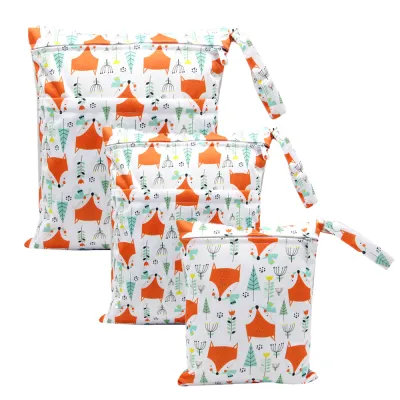
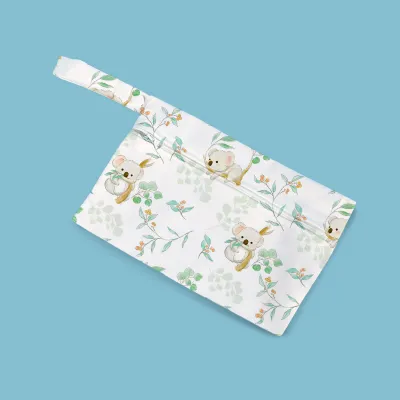
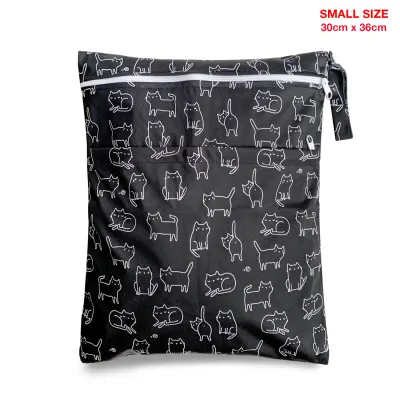
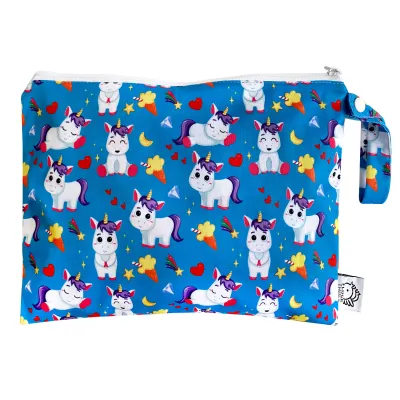
Prices are valid at publication and may change. Please refer to the product page for the latest price.

Capacity and Dimensions
A wet bag’s capacity determines how many soiled diapers, inserts, and wet clothes it can hold before the zipper seam is placed under too much tension. When evaluating brands, look past generic terms like “medium” or “large” and verify the actual physical dimensions. A standard medium wet bag measuring roughly 30 by 40 centimeters typically accommodates three to five stuffed pocket diapers or modern cloth diapers with heavy-nighttime inserts. If your baby uses bulky prefold diapers with thick wool or TPU covers, you will need a bag with a wider bottom gusset to prevent overstuffing. Forcing too many diapers into a flat wet bag strains the seams and can cause moisture to wick through the zipper line, compromising the bag’s containment ability.
Closure Mechanisms
The style of closure impacts both odor containment and how easy the bag is to use on the go. Single-zipper closures are standard and highly effective for quick diaper changes, but they require you to store clean and dirty items in entirely separate bags. Double-zipper wet bags feature two distinct compartments, allowing you to carry dry, clean diapers in one pocket and slide soiled items into the waterproof section of the other. Some specialty wet bags feature dual-zipper configurations that allow the bag to open completely flat, which simplifies the washing process by letting the diapers tumble out easily in the machine. Drawstring or snap-button flap closures are sometimes found on larger hanging utility bags, but they do not provide the airtight seal needed to contain strong ammonia odors over several days, making them better suited for dry toy storage or very short trips.
Portability and Extras
Small design details can dramatically improve the daily usability of a wet bag. A sturdy strap with a secure snap button is incredibly useful for busy parents in Singapore. This feature allows you to hang the wet bag from the handlebar of your stroller during trips to the shopping mall or park, saving valuable space in your main diaper bag. Some brands offer adjustable shoulder straps or backpack-style conversions for larger travel bags, turning them into standalone gear. Other practical extras include external mesh pockets for quick-access items like dry wipes or pacifiers, and reinforced double-stitched seams that prevent wetness from seeping through the edges of the bag during prolonged storage.
Comparing Popular Wet Bag Brand Categories in Singapore
Premium and Specialty Wet Bag Brands
Premium wet bag brands are designed for maximum durability, superior odor containment, and long-term use across multiple children. These bags typically retail in the higher price bracket of S$25 to S$45 per bag, reflecting their advanced construction standards. Premium options frequently feature thick, high-grade TPU linings that resist cracking, double-gusseted zippers that create a tight seal, and heavy-duty hardware such as custom resin or YKK zippers.
Beyond technical performance, premium brands often stand out for their aesthetic appeal, offering designer prints, limited-edition patterns, and structured shapes that resemble stylish fashion clutches rather than utility bags. These bags are ideal for full-day outings, long flights, or staycations where diapers must be stored for more than 24 hours before washing. The robust construction ensures the waterproof lining remains intact despite frequent exposure to warm wash cycles, making them a highly cost-effective investment over the course of your entire cloth diapering journey.
Budget-Friendly and Multi-Pack Brands
For parents building a large diapering stash on a budget, economy brands and multi-packs offer exceptional practical value. Typically sold on local e-commerce platforms in sets of three to five bags for approximately S$15 to S$25, these budget-friendly options allow you to easily stock up for daily daycare rotations. Having an abundance of bags means you will never run short while half of your collection is in the laundry cycle.
These budget options generally utilize standard single-layer PUL linings and basic single-zipper configurations. While they are highly functional for everyday use, the materials are often thinner than those found in premium brands, and the zippers may require gentler handling to prevent snagging or splitting over time. They are excellent for short daily errands, infant care drop-offs, or storing dry accessories, but they may require replacement sooner if subjected to high-temperature washing or intense tumble drying.
Eco-Focused and Natural Material Brands
Eco-focused wet bag brands cater to environmentally conscious families by prioritizing sustainable manufacturing processes and alternative materials. These brands often feature outer shells made from organic cotton, linen, or recycled polyester (rPET) derived from post-consumer plastic bottles. The natural fabric exteriors provide a soft, breathable texture and a minimalist, earthy aesthetic that contrasts with the glossy synthetic look of standard polyester bags.
When choosing an eco-focused brand, it is important to understand that while the exterior fabric may be organic or recycled, the inner waterproof barrier must still consist of a synthetic polymer laminate, such as TPU, to prevent leaks. These bags require more careful laundering to preserve the natural outer fibers, often needing gentle wash cycles and air drying away from direct, intense sunlight. They are a wonderful option for families looking to minimize their synthetic footprint and support brands committed to ethical production standards.
Matching Wet Bag Sizes to Your Outing and Storage Needs
Selecting the right wet bag size is just as important as choosing the right brand, as the volume of the bag dictates how well it fits into your daily routine. Most brands offer their designs in three standard sizes, each tailored to specific scenarios.
- Mini or Small (Approximately 20 x 25 cm): Designed to hold one to two cloth diapers, these compact bags are perfect for quick errands to the local supermarket or food center. They are also highly versatile and can be repurposed to hold clean breast pump parts, wet swimsuits after a swim class at the condo pool, or soiled baby bibs and washcloths after meals on the go.
- Medium or Day Bag (Approximately 30 x 40 cm): This is the ultimate daily workhorse for most parents. It comfortably holds three to five cloth diapers along with their inserts, making it the ideal size for full-day family outings or daycare drop-offs. It fits neatly inside most standard diaper backpacks without taking up excessive space.
- Large or Travel Bag (Approximately 40 x 70 cm or larger): Often featuring hanging straps or dual handles, these large bags can hold eight or more diapers. They are perfect for weekend staycations, overnight trips, or as a portable hanging diaper pail at home. Many parents hang a large wet bag from a changing table or bathroom door to store dirty diapers until wash day, eliminating the need for a bulky plastic diaper bin.
Care and Maintenance to Preserve Waterproof Linings
Proper care is essential to protect the waterproof laminate of your wet bags and prevent the buildup of stubborn ammonia odors. Always consult the manufacturer’s care label on your specific wet bag before washing, as instructions can vary based on the materials used.
Washing Routines
Most high-quality PUL and TPU wet bags can be washed alongside your regular cloth diaper load. Use a gentle, residue-free detergent and avoid extremely high water temperatures; keeping the wash temperature at or below 40°C is generally safest for preserving heat-bonded TPU linings. Never use fabric softeners, as they leave a greasy coating on the lining that reduces its water resistance and can trap odors. Avoid chlorine bleach and harsh stain removers, which can rapidly degrade and delaminate the waterproof polymer layer, leading to permanent leaks.
Drying Methods
Air drying is the gentlest and most effective way to extend the lifespan of your wet bags. Hang the bags inside out in a well-ventilated indoor laundry area or on a shaded outdoor drying rack. While Singapore’s sunny weather is excellent for drying laundry quickly, avoid exposing the delicate inner waterproof lining to direct, intense tropical noon sunlight for extended periods, as extreme heat can crack the laminate. If you must use a tumble dryer, select a low-heat or air-fluff setting to protect the seams and zippers.
Troubleshooting Odors and Mold
Due to Singapore’s high humidity, leaving damp, soiled diapers zipped inside a wet bag for more than 24 to 48 hours can quickly lead to mold growth and strong ammonia odors. To prevent this, empty your wet bags into the washing machine as soon as possible. If a bag develops a persistent musty smell, wash it thoroughly and hang it inside out in a bright, well-ventilated space. If mold spots appear, check the manufacturer’s care guidelines to see if a mild, diluted sanitizing solution is safe to use on that specific fabric.
Final Decision Framework: Which Wet Bag Brand Fits Your Routine?
To choose the ideal wet bag brand for your household, consider how your daily routine aligns with these common parenting scenarios:
- The Daycare and Infant Care Parent: If your child attends a local infant care center, you will need a large rotation of bags. Opt for budget-friendly multi-packs in medium sizes. This ensures you can send two bags with your child every day (one for clean diapers, one for soiled ones) while still having clean backups at home. Always check with your childcare provider first, as some centers have specific policies regarding wet bag sizes, labeling requirements, or closure types.
- The Travel and Outing Enthusiast: If you love taking long weekend trips, visiting parks, or spending full days out, invest in premium specialty brands. Their superior double-zipper compartments, heavy-duty TPU linings, and reliable odor-containment features will keep your clean gear dry and ensure soiled diapers remain completely sealed and odor-free.
- The Eco-Conscious Family: If minimizing synthetic materials and supporting sustainable manufacturing are your top priorities, choose eco-focused brands that utilize recycled polyester or organic cotton outer shells. Be prepared to follow gentler washing and drying routines to maintain these natural fabrics over time.
Frequently Asked Questions (FAQ)
How many wet bags do I need for a cloth diaper rotation?
For a standard cloth diapering routine, a baseline of three to four medium-sized wet bags is highly recommended. This allows you to have one bag in your diaper bag for daily outings, one at your child’s daycare or infant care center, one in the washing machine, and one clean backup ready for use. If you wash your diapers less frequently (such as every three days) or have a child in full-time infant care, you may want to expand your stash to six or eight bags, including a mix of mini bags for quick errands and a large bag for home storage.
Can I wash my wet bag in the same load as my cloth diapers?
Yes, most PUL and TPU wet bags are designed to be washed directly in the same machine load as your cloth diapers. To ensure a thorough clean, always unzip the wet bag completely and turn it inside out before placing it in the washing machine. This allows the water and detergent to directly flush out any trapped residue or moisture from the inner waterproof lining. Always verify the maximum washing temperature recommended on your bag’s care label to prevent heat damage to the laminate.
Do wet bags completely eliminate ammonia smells?
High-quality wet bags with thick waterproof linings and secure zipper closures are exceptionally good at containing odors temporarily, but they do not neutralize or eliminate ammonia smells. Ammonia is a natural byproduct of urine breakdown, and if damp diapers are left sealed inside a bag for too long, the gas will eventually build up. To keep odors under control, empty and wash your wet bags within 24 to 48 hours, avoid overstuffing the bags, and ensure they are washed thoroughly with a high-quality detergent.

Community discussion
Share your experience or ask a question. Comments are reviewed before publication.