
When preparing for a new baby, having a reliable diaper caddy can make midnight changes and room-to-room transitions significantly smoother. For parents in Singapore, where space optimization and climate-appropriate materials are key considerations, choosing between top brands like Skip Hop, Bumbo, and Summer Infant comes down to your specific daily routine. Each brand approaches nursery organization differently, offering distinct advantages depending on whether you prioritize modern aesthetics, lightweight portability, or high-capacity storage.
Rather than declaring a single universal winner, the ideal choice depends on your household setup. Skip Hop is generally best suited for parents who prefer a modern, customizable organizer that blends seamlessly with contemporary nursery decor. Bumbo appeals to those who require a highly structured, lightweight, and easily wipeable option for frequent transport between rooms. Summer Infant is designed for parents who want a high-capacity, utilitarian station to store bulk diapering supplies in a fixed location. Before making a final decision, it is essential to verify current stock, specific model dimensions, and the physical space available in your home.
Core Criteria for Comparing Diaper Caddies
Selecting the right diaper caddy requires looking beyond brand names to evaluate how a specific model fits into your daily parenting workflow. The first major consideration is the compartment layout and its adjustability. Some caddies feature fixed dividers that keep items in designated spots, while others offer removable or adjustable inserts. Modular layouts allow you to reconfigure the interior space as your baby grows and their needs shift from tiny newborn items to larger toddler diapers and toys.
Products mentioned in this guide
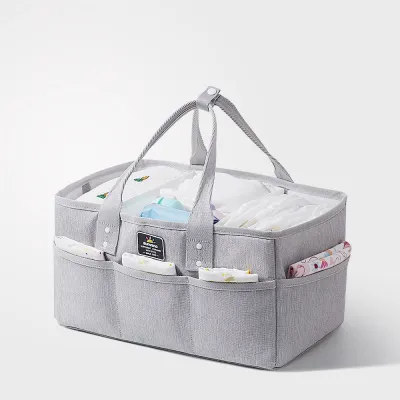
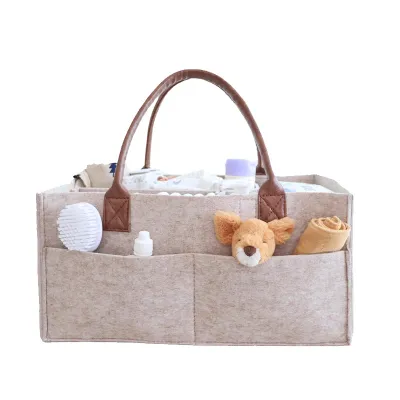
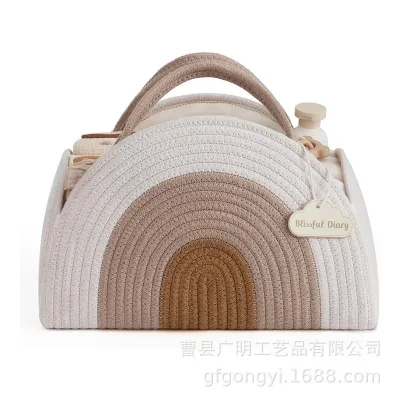
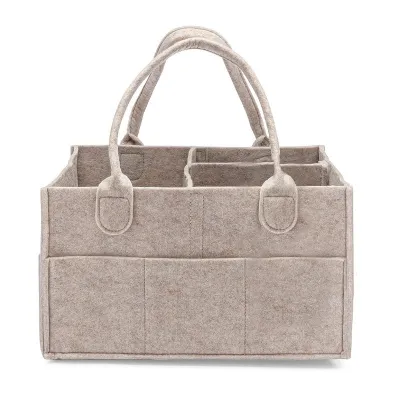
![[Ready Stock in SG] Multifunctional Baby Infant Newborn Diaper Nappy Stacker Organizer Crib Hanging bag [Little Gems]](https://img.lazcdn.com/g/p/b75b18d289f7cf701f0b30e5eb54e569.jpg_400x400q80.jpg_.webp)
Prices are valid at publication and may change. Please refer to the product page for the latest price.
Material care is another critical factor, especially in Singapore’s warm and humid climate. Fabric caddies, such as those made of felt or canvas, can trap dust and moisture if kept in non-air-conditioned rooms. Parents should always check the manufacturer’s care labels to determine if a caddy is machine washable or if it requires careful spot cleaning. Conversely, molded plastic or synthetic materials offer excellent wipeability, allowing you to quickly sanitize the surface after any accidental spills or diapering mishaps.
Handle design directly impacts how easily you can transport your diapering essentials. A comfortable, sturdy handle is crucial if you plan to carry the caddy from the bedroom to the living room throughout the day. Look for handles that are securely attached to the main body of the caddy, and check whether they fold down to allow unobstructed access to the compartments when the caddy is stationary.
Finally, consider the physical footprint of the caddy in relation to your living space. Singapore apartments, such as HDB flats and condominiums, often require smart space utilization. A caddy with an excessively large footprint may crowd your changing table or bedside station. Measuring your designated storage surfaces beforehand ensures the caddy will sit securely without risk of tipping over the edge.
Skip Hop: Aesthetic Organization and Customization
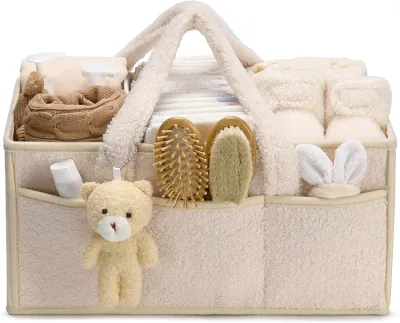
Skip Hop is widely recognized for its modern design philosophy, which emphasizes clean lines, neutral color palettes, and contemporary patterns. These caddies are often designed to complement modern nursery themes, making them a popular choice for parents who want their baby gear to blend in with their home decor. The brand frequently utilizes soft materials like felt, woven fabrics, or canvas, which give the caddies a premium look and feel.

Organizationally, Skip Hop models often feature highly customizable interiors. Many designs include adjustable dividers that secure with hook-and-loop fasteners, allowing you to create custom-sized compartments for wipes, diapers, and creams. Additionally, external pockets are commonly integrated into the exterior walls, providing quick access to frequently used items like pacifiers, thermometers, or small tubes of diaper rash cream.
While the soft fabric construction offers aesthetic appeal, buyers should verify the structural rigidity of their chosen model when empty. Some fabric caddies rely on the items inside to maintain their shape, which can lead to sagging if the caddy is only partially filled. It is also important to check the care instructions, as felt and canvas materials typically require spot cleaning and may pill over time with heavy use.
Bumbo: Lightweight Structure and Portability
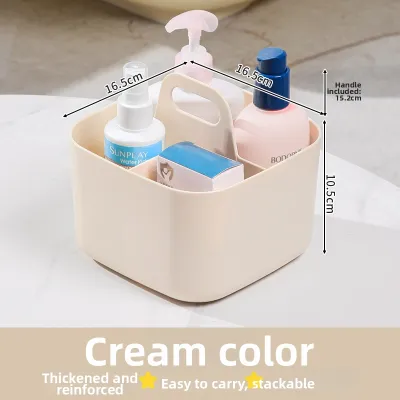
Bumbo focuses on creating highly functional, lightweight products that prioritize ease of movement and structural integrity. Unlike soft fabric caddies, Bumbo options often utilize molded synthetic materials or highly structured fabrics that maintain their shape regardless of how much gear is stored inside. This structural rigidity makes them exceptionally stable when placed on flat surfaces.
One of the standout features of a structured synthetic caddy is its ease of maintenance. In a humid climate, the ability to quickly wipe down the entire surface with a damp cloth or a baby-safe sanitizing wipe is a major advantage. This material choice helps prevent the accumulation of dust and moisture, making it a highly hygienic option for busy changing stations.
Portability is central to Bumbo’s design approach. The handles are typically integrated directly into the frame or designed as a sturdy overhead strap, allowing for comfortable one-handed carrying. This is particularly useful when you need to carry the caddy while holding your baby. However, because the compartments are often fixed or molded, you should review the internal dimensions to ensure your preferred brand of wipes and diapers will fit comfortably within the designated spaces.
Summer Infant: High Capacity and Utilitarian Value
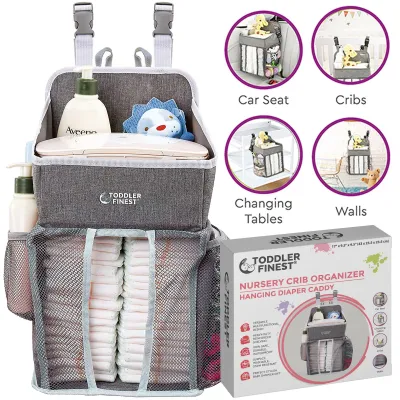
Summer Infant caddies are generally designed with a focus on high-volume storage and utilitarian functionality. These models often feature larger footprints, multi-tier designs, or specialized attachment mechanisms that allow them to hang from the side of changing tables, playards, or cribs. This makes them an excellent choice for parents who prefer to keep a large inventory of diapering supplies close at hand.
In addition to holding a high volume of diapers, Summer Infant caddies frequently include specialized compartments and deep side pockets. These areas are ideal for storing larger items that might not fit in standard caddies, such as portable changing pads, extra swaddles, change of clothes, or bulk-sized lotion bottles. Having everything consolidated into one large station reduces the need to make frequent trips to the wardrobe.
The primary trade-off with a high-capacity caddy is the physical space it occupies. A large, multi-tier organizer requires a dedicated, stable surface or a compatible furniture frame to attach to safely. Parents should carefully evaluate their nursery layout to ensure they have a secure spot for a larger caddy. It is also wise to check the base stability and material durability of these models, as loading them with heavy bulk supplies can put extra stress on the joints and hangers.
Side-by-Side Feature Verification Checklist
When shopping on e-commerce platforms or browsing official brand websites, using a structured checklist can help you compare specific models accurately. Because product specifications can change with new product releases, always verify these details against the active product listing before purchasing.
| Feature | Skip Hop (Typical) | Bumbo (Typical) | Summer Infant (Typical) |
|---|---|---|---|
| Primary Material | Soft felt, canvas, or woven fabric | Molded synthetic or structured fabric | Durable polyester or structured fabric |
| Divider Type | Removable or adjustable inserts | Fixed or semi-flexible compartments | Multi-tier or fixed compartments |
| Handle Style | Dual fabric handles or integrated grip | Integrated molded handle or single strap | Dual side handles or overhead carry strap |
| External Pockets | Multiple open mesh or fabric pockets | Minimal external pockets | Deep side pockets and specialized slots |
| Base Dimensions | Compact to medium footprint | Compact, structured footprint | Medium to large footprint |
Parents should note that exact specifications, including weight limits and material compositions, vary by specific model name rather than just the overarching brand. Always refer to the manufacturer’s product manual for the most accurate details.
Decision Framework: Choosing Your Ideal Caddy
To determine which diaper caddy brand aligns best with your household, consider your primary parenting environment and organizational style. Your choice should reflect how you plan to use the caddy on a daily basis.
- Choose Skip Hop if: You prioritize nursery aesthetics, prefer neutral colors that match your home decor, and want a customizable internal layout with adjustable dividers to accommodate different sizes of baby products.
- Choose Bumbo if: You need a lightweight, highly portable caddy that is easy to carry from room to room, maintains its shape when empty, and features wipeable surfaces that are simple to clean and sanitize in a humid climate.
- Choose Summer Infant if: You want to store bulk diapering supplies in one centralized location, require high-capacity storage with specialized pockets for larger items, and have a dedicated changing table or furniture frame that can accommodate a larger footprint.
Before finalizing your choice, measure the exact dimensions of your changing table, bedside cart, or shelf. Ensuring the caddy fits comfortably within your existing furniture setup will prevent safety hazards and keep your diapering station organized and functional.
Purchasing Tips and Pre-Checkout Verification
When you are ready to purchase, sourcing your diaper caddy from authorized brand websites, official brand stores on established e-commerce platforms, or reputable local baby retailers in Singapore is highly recommended. Buying from official channels ensures you receive genuine products and access to reliable customer support should you encounter any manufacturing defects.
Always verify the exact model name and version before checking out. Brands frequently update their product lines, and newer versions may have slightly different dimensions, material compositions, or compartment layouts than older models reviewed online. Checking the product specifications directly on the seller’s listing is the best way to confirm you are getting the features you expect.
Additionally, take a moment to review the seller’s return and exchange policy. Because it can be difficult to gauge the structural rigidity or exact color of a caddy from online photos, having a flexible return option provides peace of mind if the product does not meet your expectations upon arrival. Finally, read recent buyer reviews to see feedback regarding handle durability, divider stability, and how well the materials hold up to daily wear and tear.
Frequently Asked Questions (FAQ)
Can I use a diaper caddy for purposes other than diaper storage?
Yes, diaper caddies can easily be repurposed once your child outgrows diapers, which helps maximize the product’s lifespan. Common alternative uses include organizing children’s art supplies, storing small toys, keeping bath products organized, or serving as a car organizer for road trips. The suitability of a caddy for these alternative uses depends heavily on its material and structural rigidity. If you plan to store heavier items like books or wooden toys, be sure to check the manufacturer’s recommended weight limits to avoid damaging the handles or bottom panel.
How do I clean and maintain a felt or fabric diaper caddy?
To maintain a fabric or felt diaper caddy, always consult the manufacturer’s care label first for specific instructions. As a general rule, fabric caddies should be spot cleaned using a damp cloth and a mild, baby-safe detergent rather than being submerged in water. Avoid machine washing or tumble drying fabric caddies unless the product instructions explicitly state it is safe to do so, as heat and agitation can cause felt to pill and canvas to lose its structural shape. After spot cleaning, allow the caddy to air dry completely in a well-ventilated area before refilling it with baby supplies.

Community discussion
Share your experience or ask a question. Comments are reviewed before publication.