
When baby-proofing a home in Singapore, addressing sharp corners and hard edges is often a top priority for parents. As infants transition from crawling to pulling themselves up, coffee tables, TV consoles, and low shelving units turn into potential impact hazards. Among the various options available, SafetyFirst edge guards—frequently sought after under the “safetyfirst kids” safety range—are a prominent choice. However, determining how they compare to alternative brands requires looking closely at material quality, adhesive durability under local climate conditions, and furniture compatibility.
Choosing the right edge guard is not a one-size-fits-all decision. Singaporean households feature a wide variety of furniture styles, from minimalist glass and metal frames to heavy solid teak and delicate wood veneers. Additionally, the high relative humidity in Singapore can significantly impact how well adhesives cure and hold over time. To make an informed choice, parents must evaluate several technical and practical factors rather than relying solely on brand recognition.
Key Factors When Comparing Edge Guards
To objectively compare SafetyFirst with other brands, you must first establish clear evaluation criteria. The primary purpose of any edge guard is impact absorption, which is directly determined by the material’s physical properties. Common materials include Nitrile Butadiene Rubber (NBR) foam, silicone, and Polyvinyl Chloride (PVC). NBR foam is highly cushioned and excellent for absorbing blunt force, while silicone and PVC offer slimmer, more discreet profiles that blend into modern decor.
Products mentioned in this guide
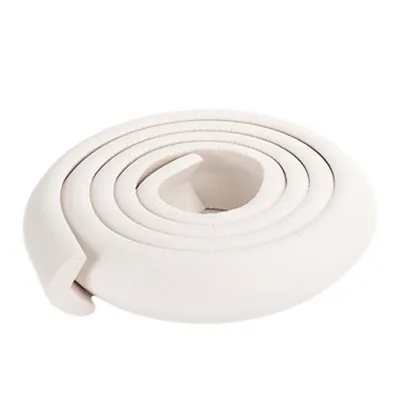
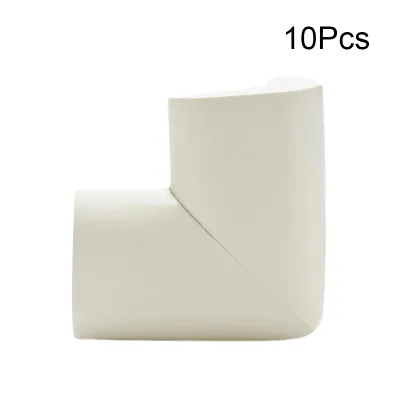
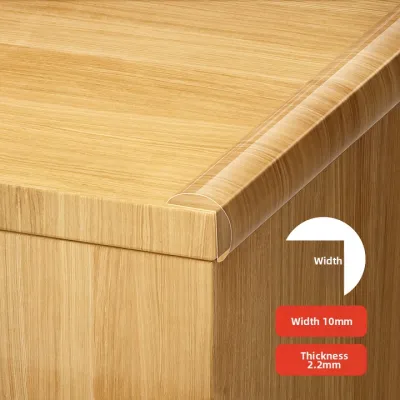
Prices are valid at publication and may change. Please refer to the product page for the latest price.
When evaluating materials, safety certifications are a critical factor to verify. Because toddlers often explore their environment with their mouths, edge guards must be free from harmful chemicals. Look directly at the product packaging or manufacturer specifications to verify compliance with non-toxic standards, such as EN 71 (the European standard for toy safety) or REACH certification. Do not assume a product is safe simply because it is marketed for children; always look for explicit, verified testing labels.
Adhesive quality is another crucial pillar of performance. Most edge guards rely on double-sided acrylic tapes to secure the guard to the furniture. The adhesive must be strong enough to resist a toddler’s attempts to peel it off, yet formulated to prevent permanent damage to the underlying furniture finish. In Singapore’s warm, humid climate, standard adhesives can sometimes soften or slide, making the choice of tape type highly consequential.
Finally, consider the thickness and density of the guard relative to your child’s developmental stage. A younger infant who is just beginning to sit up or crawl requires soft, high-density foam to cushion minor bumps. An older, more active toddler running through the living room exerts much greater force upon impact, requiring thicker, more resilient cushioning that will not bottom out. Always match the guard’s specifications to the physical demands of your child’s current mobility level, and remember that edge guards are a supportive safety measure that does not replace active caregiver supervision.
Evaluating SafetyFirst Edge Guards
When inspecting SafetyFirst edge guards, start by reviewing the product label for specific material details and manufacturer warnings. SafetyFirst products typically feature clear packaging that outlines the intended age range and installation instructions. Verifying these details ensures that the product is appropriate for your child’s developmental stage and that you are aware of any specific limitations highlighted by the manufacturer.

The adhesive performance of SafetyFirst guards is a key area of evaluation. These products often come with pre-applied or included adhesive strips designed for standard household surfaces. Before installation, assess whether the provided adhesive is suitable for your specific furniture. For instance, if you are applying the guards to textured wood, matte finishes, or porous surfaces, the standard adhesive may require reinforcement. In such cases, you may need to purchase separate, heavy-duty mounting tape recommended for those specific materials.
Another practical aspect to evaluate is the physical configuration of the SafetyFirst guards. They are available in pre-cut corner protectors as well as longer, customizable rolls. If your home features curved coffee tables, irregular dining table edges, or custom-built cabinetry, check the flexibility of the foam or plastic. Highly rigid guards can be difficult to bend around tight radiuses, whereas flexible foam rolls can be easily cut to length and molded to fit unique architectural features.
How Alternative Brands Compare
The Singapore market offers a vast array of alternative baby-proofing brands, ranging from premium international labels to budget-friendly multi-packs found on local e-commerce platforms. When comparing these alternatives to SafetyFirst, material density is often the most noticeable differentiator. Budget options, which may cost as little as S$5 to S$10 for a multi-pack, sometimes utilize lower-density NBR foam. This thinner foam can compress completely under pressure, offering minimal protection during a high-impact fall. Premium alternatives, on the other hand, tend to specify their density ratings and maintain their shape under repeated compression.
Adhesive reliability is another area where alternative brands vary widely. While some generic brands use incredibly strong adhesives to ensure the guard stays in place, these can be highly aggressive and may strip paint, varnish, or wood veneer upon removal. Conversely, some low-cost options use substandard tape that peels away within days, especially when exposed to Singapore’s ambient humidity. Reading user reviews specifically focused on adhesive residue, ease of removal, and surface damage can provide valuable real-world insights into how these alternatives perform over time.
Aesthetics also play a major role in the comparison. SafetyFirst and other traditional brands often focus on thick, colored foam guards (typically in brown, grey, or white) which can be highly visible and clash with your home decor. Alternative brands have popularized clear silicone and PVC edge guards. These transparent options are virtually invisible on glass, metal, or light-colored wood tables. Beyond aesthetics, clear guards are often less noticeable to toddlers, reducing the likelihood that your child will view the edge guard as a toy to be picked at, bitten, or peeled off.
Matching Edge Guards to Your Furniture and Surfaces
Before purchasing any edge guard, you must assess the compatibility of the adhesive with your furniture’s surface. Standard acrylic adhesives perform exceptionally well on sealed, non-porous surfaces such as varnished wood, tempered glass, smooth metal, and high-pressure laminates. To ensure a secure bond without risking damage, always conduct a small adhesion test. Apply a tiny piece of the adhesive tape to an inconspicuous area of the furniture, leave it for 24 hours, and then gently remove it to check for any finish lifting or discoloration.
Certain surfaces require extreme caution or should be avoided entirely when using adhesive baby-proofing products. Unsealed or oil-finished wood, delicate antique veneers, wallpaper, leather, and freshly painted walls are highly susceptible to damage. The oils in unsealed wood can prevent the adhesive from bonding properly, while the strong pull of the tape can easily tear wallpaper or lift delicate wood veneers. If you have high-value or heirloom furniture, applying strong adhesives can permanently devalue or ruin the piece.
When dealing with specialty finishes or expensive designer furniture, it is best to stop and consult the furniture manufacturer’s care instructions. Some manufacturers explicitly warn against the use of adhesive tapes or suggest specific cleaning agents that are safe for their finishes. If adhesives are not recommended, you may need to consider alternative baby-proofing strategies, such as temporarily moving the furniture to an unused room, using free-standing playpens to block access, or opting for slip-on fabric covers.
Installation, Maintenance, and Safe Removal
Proper installation is the single most important factor in ensuring an edge guard stays securely in place. Begin by thoroughly cleaning the application surface to remove dust, grease, and fingerprint oils. Use a mild soap solution or rubbing alcohol, provided it is safe for your furniture’s finish, and allow the surface to dry completely. In Singapore’s humid environment, even a tiny amount of trapped moisture or oil can severely compromise the adhesive bond, leading to premature peeling.
Once installed, edge guards require ongoing maintenance and routine safety checks. As children grow, they become stronger and more curious, often pulling on the guards or attempting to bite them. Regularly inspect the guards for any signs of peeling, cracking, or tearing. Torn foam poses a serious choking hazard if a child manages to bite off and swallow a piece. If you notice any damage or loss of adhesion, remove the guard immediately and replace it to maintain a safe environment.
When the time comes to remove the edge guards, doing so hastily can ruin your furniture. To safely remove adhesive tape, apply gentle heat using a hair dryer on a low setting to soften the adhesive backing. Slowly peel the guard away at a shallow angle, applying more heat as needed. Any remaining sticky residue can often be cleaned off using a mild oil (such as mineral oil or baby oil) or a dedicated adhesive remover, but always test these substances on a hidden area first to ensure they do not dull or dissolve the furniture’s protective finish.
Decision Framework: Which Option Fits Your Home?
To choose the best edge guard solution for your Singapore home, consider this practical decision framework based on your specific household needs:
- Choose SafetyFirst if you prefer an established brand with clear, compliant packaging, straightforward installation instructions, and standard foam profiles that fit traditional rectangular furniture. This option is ideal for parents who value brand reliability and want a predictable, well-documented product.
- Choose alternative clear silicone or PVC guards if you have modern, minimalist furniture—such as glass coffee tables or metal-framed desks—and want a discreet safety solution that does not disrupt your home's aesthetic or attract your toddler's attention.
- Avoid both options if your furniture features delicate, unsealed, antique, or easily damaged finishes that cannot tolerate adhesive applications. In these scenarios, physical barriers like playpens or temporary furniture relocation are safer alternatives.
- Verify child behaviors first: Before installing any foam-based edge guard, observe your child's habits. If your child is currently teething or has a tendency to chew on household objects, avoid soft foam guards entirely, as they can easily be bitten into choking-sized pieces. Instead, opt for tough, bite-resistant materials or alternative safety arrangements, and always consult a pediatrician or child safety specialist if you have concerns about your child's chewing behaviors.

Community discussion
Share your experience or ask a question. Comments are reviewed before publication.