
Choosing between Rascal diapers and other premium diaper alternatives in Singapore requires a careful look at your baby’s unique physical build, skin sensitivity, and daily activity levels. Because individual reactions and performance vary, there is no universal “best” diaper. Instead of relying on unverified marketing claims, this guide provides a structured framework to help you evaluate key metrics, verify product specifications, and calculate true value to make an informed decision for your baby.
In Singapore’s warm and humid climate, diaper performance is put to the test daily. A diaper that works perfectly for one infant might cause leaks or skin irritation for another. By understanding how to assess absorbency, material breathability, sizing structures, and overall cost-efficiency, you can confidently select a premium diapering system that keeps your baby dry and comfortable throughout the day and night.
Core Comparison Metrics for Premium Diapers
To establish a baseline for comparing Rascal diapers against other premium options, it is essential to understand what elevates a diaper to the “premium” category. Premium diapers typically feature advanced core materials, such as high-density superabsorbent polymers, specialized distribution channels, and multi-layered leak guards. They also frequently highlight dermatological testing, hypoallergenic materials, and the absence of harsh chemicals, fragrances, or chlorine.
Products mentioned in this guide
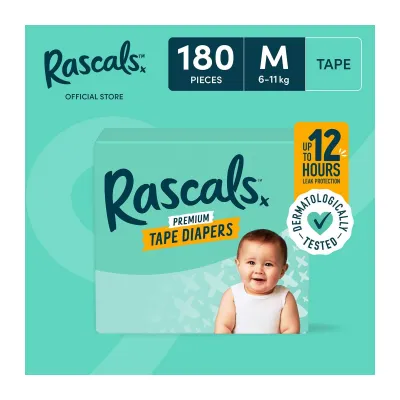
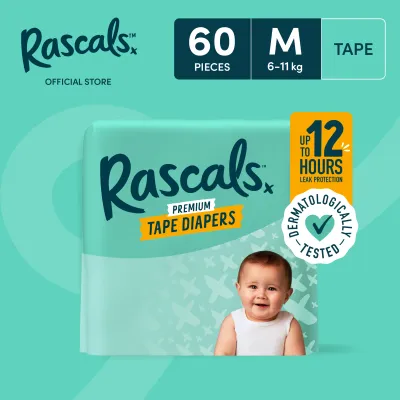
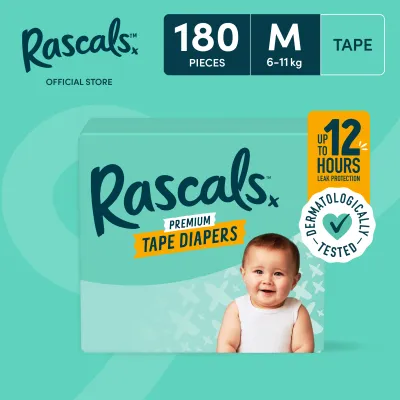
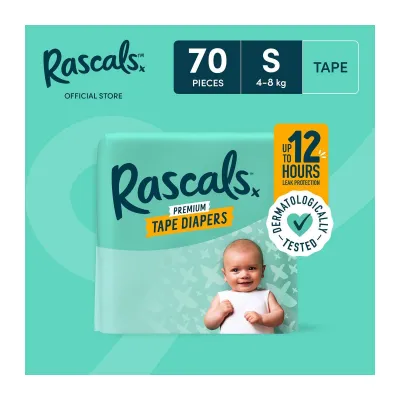
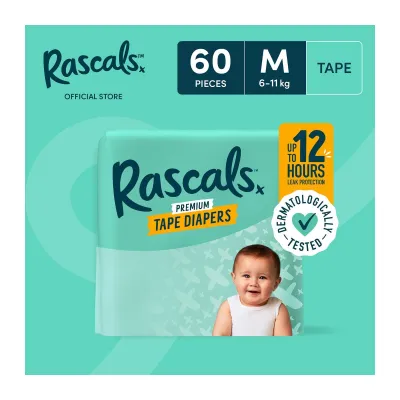
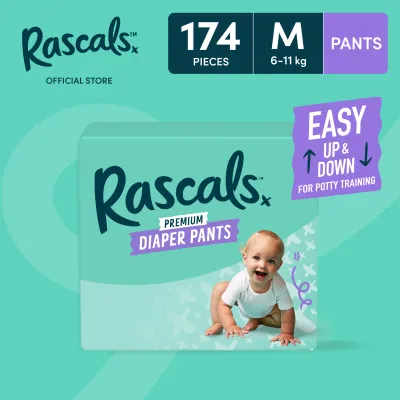
Prices are valid at publication and may change. Please refer to the product page for the latest price.
When evaluating these options, your primary decision drivers should be aligned with your baby’s current developmental stage and daily routine. For instance, an active toddler who is crawling or walking requires a diaper with exceptional fit flexibility and secure leg cuffs to prevent leaks during movement. Conversely, a newborn who sleeps for extended stretches requires a diaper focused heavily on rapid liquid distribution and long-lasting dryness. Skin sensitivity is another critical driver, especially in humid environments where trapped moisture can quickly lead to irritation.
To conduct an accurate side-by-side comparison, avoid relying solely on promotional slogans. Instead, gather physical product packaging, visit official brand websites, or review authorized retailer listings. Look specifically for technical specifications, such as the presence of a wetness indicator, the type of closure tabs used, and any documented material certifications. This structured approach ensures you are comparing actual product features rather than marketing narratives.
Evaluating Absorbency and Leak Protection
Absorbency is the cornerstone of any premium diaper, but not all absorbency technologies are designed the same way. When examining Rascal diapers and competing premium brands, look closely at the packaging or manufacturer specifications for details on the core construction. Modern premium diapers often utilize a channel-weave design or a structured core that distributes liquid evenly across the diaper rather than allowing it to pool in one spot. This prevents the diaper from sagging heavily between the baby’s legs, which can distort the fit and cause gaps.

You can perform a safe, practical observation test at home to evaluate how well a diaper handles moisture. After your baby has worn the diaper for a typical daytime interval (usually three to four hours) or after a full night’s sleep, observe the diaper’s physical state before removal. Check if the outer cover feels damp to the touch, which indicates poor moisture containment. Upon removal, gently press a dry paper towel against the inner liner that was in contact with your baby’s skin; if the paper towel remains dry, the core is successfully locking moisture away. Additionally, inspect the leg cuffs to ensure they have not stretched out or created gaps that could allow liquid to escape.
It is also vital to match the diaper’s stated absorbency level to your baby’s specific needs. A baby’s urine output changes significantly based on age, weight, and feeding schedules. For example, a baby who consumes a large volume of milk right before bedtime will require a diaper with a higher concentration of superabsorbent polymers. If you notice frequent leaks during the early morning hours, it is a clear sign that the diaper’s absorbency capacity is being exceeded, or that the liquid is not distributing quickly enough to keep up with sudden surges.
Material, Breathability, and Skin Sensitivity
Singapore’s tropical climate makes breathability a non-negotiable feature for baby diapers. High humidity and warmth can trap sweat and urine against a baby’s delicate skin, creating an environment ripe for diaper rash and bacterial growth. When comparing premium brands, turn the packaging over to read the ingredient and material labels. Look for diapers that utilize breathable outer back sheets, which allow air to circulate while keeping liquid contained. The top sheet—the layer directly touching your baby’s skin—should be incredibly soft and designed to wick moisture away instantly.
Dermatological and hypoallergenic certifications offer an extra layer of reassurance, but they must be verified. Look for recognized seals printed directly on the packaging, such as those from Dermatest, OEKO-TEX, or other independent testing institutes. These certifications indicate that the materials have undergone rigorous safety evaluations to ensure they are free from common allergens, elemental chlorine, latex, and added fragrances. If a brand claims to be “sensitive” or “pure” without displaying these verified certifications, treat those claims with caution and verify them on the manufacturer’s official documentation.
Even with the highest-quality materials, skin irritation can still occur if a diaper does not suit your baby’s skin chemistry. Monitor your baby’s diaper area daily for observable signs of poor breathability or material sensitivity. This includes localized redness along the waistband or leg cuffs, small red bumps indicative of heat rash, or persistent chafing. If you observe these signs, or if your baby shows discomfort during diaper changes, it is important to take action. If a rash develops that is bright red, covers a large area, or does not improve within a few days of frequent changes, stop using the diaper immediately and consult a pediatrician or qualified healthcare professional.
Sizing, Fit, and Weight Ranges
One of the most common mistakes parents make when comparing Rascal diapers to other premium brands is assuming that sizing is universal. A “Size 4” diaper from one manufacturer may have a completely different physical cut, waistband height, and leg opening circumference than a “Size 4” from another brand. Weight guidelines printed on diaper packaging are merely approximations and should serve as a starting point rather than a strict rule. Your baby’s unique body shape—whether they have a round belly, chubby thighs, or a long and lean torso—will heavily influence how a diaper fits.
To evaluate the physical cut of a diaper, pay close attention to specific design features. Look for a high, elasticized waistband, which is crucial for preventing back blowouts, especially in younger infants who spend a lot of time lying down. The leg cuffs should be tall and flexible, wrapping snugly around the thighs without leaving deep red marks. Some premium brands are known for a wider, more generous cut that accommodates babies with thicker thighs, while others feature a narrower, snugger fit designed for slimmer infants. Reading user reviews can provide helpful clues about whether a specific brand tends to run large or small.
Before purchasing bulk cartons of any premium diaper, take the time to measure your baby’s waist and thighs using a soft measuring tape. Cross-reference these measurements with the detailed sizing charts often provided on the manufacturer’s official website. If your baby is approaching the upper limit of a diaper’s recommended weight range, or if you notice frequent red marks around their thighs or waist, it is usually time to transition to the next size up, even if their weight still technically falls within the current size guidelines.
Calculating True Cost and Value
Evaluating premium diapers requires a clear understanding of financial value, which goes beyond the retail price of a single pack. Because different brands package their diapers in varying quantities, comparing pack prices directly can be highly misleading. To find the true cost, always calculate the price per individual diaper. You can do this with a simple formula: divide the total price of the pack by the number of diapers inside. For example, if a pack costs S$26.00 and contains 44 diapers, the cost per diaper is approximately S$0.59.
To find reliable, up-to-date pricing, check official brand stores, authorized online marketplaces, and local supermarkets in Singapore. Prices can fluctuate based on promotions, import batches, and retail channels. When shopping on e-commerce platforms, look for authorized flagship stores to ensure you are purchasing genuine products that have been stored and transported under proper conditions.
Long-term savings can be optimized by looking at subscription models and bulk purchase options. Many authorized retailers and online platforms offer discounts of 5% to 15% if you sign up for regular deliveries. However, before committing to a subscription, verify the terms and conditions regarding cancellation and size changes. Babies grow rapidly, and you do not want to be locked into receiving large quantities of a size your baby has already outgrown. Additionally, factor in shipping costs or minimum spend thresholds for free delivery, as these can significantly impact the overall value proposition.
Decision Framework: Which Premium Diaper Fits Your Baby?
To finalize your diaper choice, it helps to use a structured, condition-based decision framework. No single diaper is perfect for every baby, but you can narrow down your options by matching your primary concerns with the specific design strengths of each brand.
Choose Rascal diapers if:
- Your baby has a rounder belly or thicker thighs that require a wider, more generous cut to prevent red marks and chafing.
- You struggle with back blowouts and need a diaper with an exceptionally high, elasticized waistband and a deep pocket design.
- You prefer a diaper that feels substantial and soft, with verified dermatological certifications printed clearly on the packaging.
Choose an alternative premium brand if:
- Your baby has an exceptionally slim or petite build, where a wider cut might leave gaps around the legs and lead to leaks.
- You prioritize an ultra-thin diaper profile specifically for daytime wear during outdoor activities in high humidity.
- Your baby's weight falls perfectly into a competitor's specific size transition range, offering a more tailored fit.
Verify first if:
- Your baby has known sensitivities to specific synthetic materials or adhesives, requiring you to check the ingredient list thoroughly.
- The retail channel you plan to use consistently stocks the required size and offers reliable delivery options in Singapore.
Remember that there is always a trade-off between maximum overnight absorbency and daytime breathability. Highly absorbent diapers are often thicker and bulkier, which is excellent for long stretches of sleep but may feel heavy during active daytime play. To find the perfect balance, parents are highly encouraged to purchase small trial packs or request samples directly from brand websites before investing in large, multi-pack cartons. This hands-on test is the most reliable way to verify fit, absorbency, and skin compatibility.
Frequently Asked Questions (FAQ)
How do I know if a premium diaper is causing a rash?
Distinguishing between contact dermatitis caused by diaper materials and a standard moisture rash is key to keeping your baby comfortable. Contact dermatitis typically presents as localized redness, irritation, or dry patches exactly where the diaper’s materials—such as the waistband, leg cuffs, or adhesive tabs—make direct contact with the skin. In contrast, moisture-related diaper rash usually appears as a more generalized redness in the warm, damp skin folds. To test if the diaper material is the culprit, use the elimination method: switch to a known safe, fragrance-free alternative diaper brand for three to five days while keeping the diaper area clean and dry. If the rash does not improve, begins to blister, bleed, or is accompanied by a fever, stop using the diaper immediately and consult a qualified healthcare professional.
Is it safe to mix different premium diaper brands for day and night use?
Yes, mixing different premium diaper brands for daytime and nighttime use is a highly common, safe, and practical strategy. Many parents find that using a thinner, highly breathable diaper during the active daytime hours keeps their baby cool and comfortable, while switching to a thicker, highly absorbent diaper at night prevents sleep-disrupting leaks. When adopting this hybrid approach, pay close attention to potential sizing differences between the two brands. A size medium in your daytime brand might fit differently than a size medium in your nighttime brand, so you may need to adjust the sizes accordingly to ensure a secure fit. This strategy not only optimizes your baby’s comfort but can also help manage diapering costs by reserving more expensive, high-absorbency diapers solely for overnight use.

Community discussion
Share your experience or ask a question. Comments are reviewed before publication.