
Comparing Pureen diaper cream to other popular diaper cream brands in Singapore requires looking closely at active ingredient concentrations, barrier bases, and your baby’s specific skin needs rather than relying on brand names alone. While some parents prefer heavy, zinc-rich pastes to treat active irritation, others opt for lighter, antiseptic, or plant-based formulations for daily prevention. By understanding how to read product labels and evaluate physical characteristics like spreadability and washability, you can select the most effective protection for your baby’s comfort.
In Singapore’s warm and humid tropical climate, moisture management inside a diaper is a constant challenge. High humidity can accelerate skin breakdown when urine and stool come into contact with delicate baby skin. Consequently, choosing the right diaper cream is not just about buying a popular brand; it is about matching the cream’s physical properties to your baby’s immediate skin condition and your daily diapering routine.
Understanding Diaper Cream Bases: Zinc Oxide vs. Ointments
To make an informed comparison between diaper creams, you must first understand the two primary categories of barrier products: zinc oxide-based pastes and occlusive ointments. Zinc oxide is a naturally occurring mineral that does not absorb into the skin; instead, it sits on the surface to form a physical, water-resistant shield. This barrier prevents moisture, acids, and enzymes present in waste from directly contacting and irritating the skin.
Products mentioned in this guide
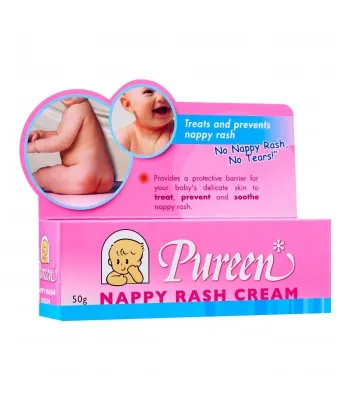
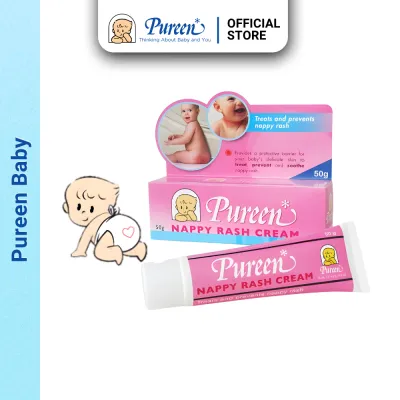
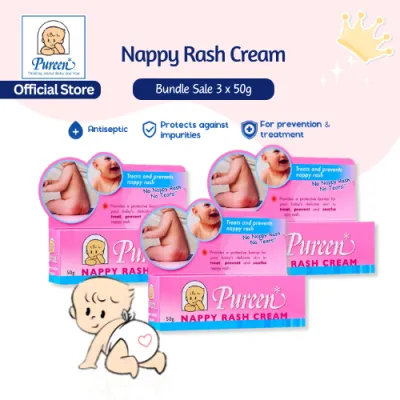
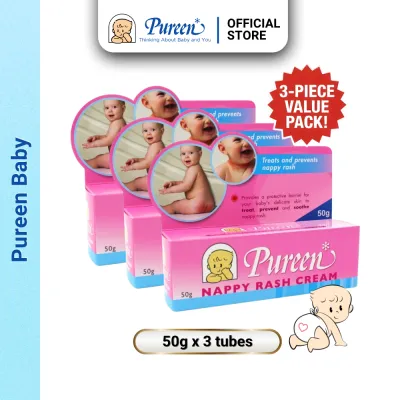
![3pc Nappy Rash Cream 50g - Antiseptic for Baby Infant Children - 3x 50g Bundle [PUREEN - Feb 2027]](https://img.lazcdn.com/g/p/359d666d48cac2dbdea02a39d2367220.jpg_400x400q80.jpg_.webp)
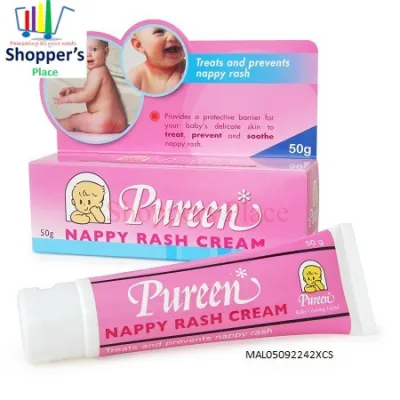
Prices are valid at publication and may change. Please refer to the product page for the latest price.
The concentration of zinc oxide in a product typically dictates its primary use case. Formulations with lower concentrations, often between 10% and 15%, are generally lighter, easier to spread, and suited for daily protection and mild redness. High-concentration formulas, which can range from 20% to 40%, create a much thicker, pasty barrier designed to stay in place even under heavy moisture, making them the standard choice for treating moderate to severe diaper rash.
In contrast, ointments rely on petroleum, mineral oil, or plant-based oils and waxes to protect the skin. These products are highly occlusive, meaning they seal in the skin’s natural moisture while keeping external wetness out. Ointments are typically translucent, glide on smoothly, and are highly effective at reducing friction caused by the diaper rubbing against the skin. However, because they lack the heavy physical blocking power of zinc oxide, they are best utilized for daily prevention and skin conditioning rather than treating raw, weeping rashes.
How these bases are formulated directly impacts your daily diapering experience. A heavy zinc paste will require more effort to clean off during diaper changes, which can sometimes cause friction on sensitive skin if not done gently. A slick ointment, on the other hand, wipes away easily but may not provide enough of a physical buffer if your baby is prone to frequent bowel movements or has highly reactive skin.
Evaluating Pureen Diaper Cream: What to Check on the Label
When evaluating Pureen diaper cream alongside other options on the shelves of local pharmacies or online marketplaces, your first step should always be to inspect the ingredient list on the packaging. Pureen offers multiple baby care formulations, and the active ingredients can vary significantly between their standard protective creams and specialized rash treatments. Look closely at the active ingredient section to determine whether the product relies on zinc oxide, antiseptic agents, or a combination of both.

Some variants of Pureen diaper cream incorporate mild antiseptic ingredients, such as cetrimide or benzalkonium chloride, alongside protective barrier agents. These ingredients are included to help prevent secondary bacterial or fungal growth on skin that has been compromised by wetness. If you are comparing this to a pure zinc oxide paste, note that the antiseptic formulation focuses on sanitizing and soothing mild irritation, whereas a high-zinc paste focuses almost entirely on physical moisture exclusion.
Next, carefully check the label for potential skin irritants, especially if your baby has eczema, extremely sensitive skin, or a family history of allergies. Scan the ingredient list for added fragrances, parabens, or strong preservatives. While a pleasant scent might seem appealing, artificial fragrances are a common trigger for contact dermatitis on already compromised skin. Opting for fragrance-free variants is generally safer when dealing with broken or highly sensitive skin.
Finally, verify the manufacturer’s usage instructions, recommended age ranges, and expiration dates printed on the tube or box. Some formulations are specifically labeled as suitable from birth, while others may carry recommendations for older infants. Checking the expiration date is crucial, as expired active ingredients may lose their efficacy, and the emulsion itself can separate, rendering the barrier properties inconsistent.
Comparing Key Features Across Popular Brands
When comparing Pureen to other widely available brands in Singapore, physical performance in real-world conditions is just as important as the ingredient list. Texture and spreadability vary widely across brands. Some heavy-duty barrier creams are incredibly thick and leave a prominent, opaque white cast on the skin. While this white layer makes it easy to see exactly where the skin is protected, a paste that is too stiff can be difficult to spread over raw, tender skin without causing discomfort to your baby.
Washability is another practical factor that heavily influences daily diapering. Because zinc oxide is designed to repel water, high-concentration creams do not dissolve easily with water alone. During diaper changes, attempting to scrub off stubborn cream residue can irritate the skin further. Some lighter formulations, including certain Pureen variants, are designed to be more easily wiped away with a damp cloth or baby wipe, reducing the physical friction required to clean the diaper area.
Packaging design also plays a significant role in hygiene and convenience. Diaper creams generally come in tubs, squeeze tubes, or pump dispensers. Tubs require you to dip your fingers directly into the product, which introduces a risk of cross-contamination if your hands are not perfectly clean during a diaper change. Squeeze tubes, which are common for Pureen and many competitive brands, are highly hygienic and easy to pack into a diaper bag for outings around Singapore, though they can be tricky to operate one-handed while holding a squirming baby.
To help structure your comparison, consider how these physical traits align across different product types:
| Feature | High-Zinc Pastes | Antiseptic/Barrier Creams (e.g., Pureen) | Petroleum/Plant Ointments |
|---|---|---|---|
| Primary Active | 20% – 40% Zinc Oxide | Low Zinc Oxide + Antiseptics | Petroleum, Oils, or Waxes |
| Texture | Very thick, stiff paste | Moderate cream, easy to spread | Slick, greasy, translucent |
| Skin Feel | Opaque white, dry finish | Light white cast, moisturizing | Shiny, highly lubricating |
| Best Used For | Severe rash, overnight protection | Daily prevention, mild redness | Friction reduction, dry skin |
| Removal Effort | High (requires oil or gentle wiping) | Moderate to low | Low (wipes off easily) |
| Contamination Risk | High if in a tub | Low (typically in tubes) | Moderate to low |
How to Match the Cream to Your Baby's Needs
Choosing between Pureen and other brands should ultimately be guided by a conditional decision framework based on your baby’s current skin condition. If your baby is currently suffering from an active, bright red, or weeping diaper rash, your priority should be maximum physical protection. In this scenario, a high-concentration zinc oxide paste is highly recommended, as it creates an impermeable wall that shields the raw skin from the stinging effects of urine and digestive enzymes.
For daily prevention and routine diaper changes, a lighter formulation is often more practical and comfortable. A cream that combines a lower percentage of zinc oxide with soothing agents or mild antiseptics, such as some Pureen options, is ideal for this purpose. It provides sufficient moisture protection to prevent rash development while remaining easy to apply, easy to wipe clean, and comfortable for the baby during active daytime play or long contact hours in a diaper.
If your baby has eczema, extremely reactive skin, or known allergies, your selection criteria must shift toward simplicity. Look for hypoallergenic, fragrance-free formulas with the shortest possible ingredient lists. Avoid any products containing botanical extracts or essential oils that, while natural, can trigger allergic reactions on broken skin. In these cases, a plain, medical-grade white petrolatum ointment or a minimalist, fragrance-free zinc cream is often the safest choice.
Regardless of the brand you choose, you must monitor the skin’s response closely. If a diaper rash does not improve after a few days of consistent treatment, or if it begins to blister, bleed, ooze pus, or spread significantly beyond the diaper area, stop using over-the-counter creams immediately. These symptoms, especially if accompanied by a fever, indicate a potential yeast or bacterial infection that requires a professional diagnosis and targeted prescription treatment from a pediatrician.
Safe Application and Diaper Rash Prevention
No diaper cream can perform effectively if the skin is not prepared correctly before application. The most critical step in diaper rash prevention is ensuring the skin is completely clean and thoroughly dry before applying any barrier product. Because these creams are designed to lock moisture out, applying them to damp skin will trap that moisture directly against the baby’s skin, creating a humid microenvironment that can actually accelerate skin breakdown and fungal growth.
When applying a zinc oxide-based barrier cream, use the “thick layer” technique. Think of applying the cream like frosting on a cake; you want to apply a visible, continuous layer that completely covers the vulnerable areas so that urine cannot penetrate through to the skin. For daily preventative ointments or lighter creams, a thin, translucent layer is sufficient to reduce friction and provide a light moisture barrier without causing excessive buildup in the diaper fibers.
Beyond applying creams, managing environmental and routine factors is essential for maintaining healthy skin. Change your baby’s diaper frequently—ideally every two to three hours, or immediately after a bowel movement. Ensure the diaper is fitted correctly; a diaper that is too tight prevents air circulation and increases friction, while one that is too loose can cause chafing. Whenever possible, allow your baby to have some diaper-free air time on a waterproof mat to let the skin dry naturally and breathe.
Frequently Asked Questions (FAQ)
Can I use Pureen diaper cream on a newborn?
Before applying any diaper cream to a newborn, you must carefully inspect the product packaging for explicit age recommendations and safety testing claims. A newborn’s skin barrier is exceptionally thin, highly permeable, and sensitive to external chemicals. If the specific Pureen variant or any other brand does not explicitly state it is safe for newborns, or if your baby was born prematurely, consult your pediatrician or a qualified healthcare professional before use to avoid accidental irritation or systemic absorption of active ingredients.
Does a thicker layer of diaper cream always work better?
Whether a thick layer is necessary depends entirely on the type of product you are using. For heavy zinc oxide barrier creams designed to treat active rashes, a thick, opaque layer is highly effective because it physically blocks moisture from reaching the skin. However, for daily preventative ointments, petroleum jellies, or light moisturizing creams, a thin layer is preferred. Applying these products too thickly can clog skin pores, cause uncomfortable buildup, and potentially interfere with the absorbency of disposable diapers.
How do I remove stubborn diaper cream residue?
To remove stubborn, water-resistant diaper cream without irritating your baby’s skin, avoid harsh scrubbing or using adult soaps. Instead, apply a small amount of gentle, baby-safe mineral oil or coconut oil to a soft cotton pad or a damp washcloth. The oil will naturally break down the zinc oxide or petroleum base, allowing you to gently wipe the residue away. Always pat the skin dry gently with a clean towel afterward rather than rubbing it dry.

Community discussion
Share your experience or ask a question. Comments are reviewed before publication.