
Choosing the right portable car seat in Singapore depends on whether your primary need is occasional travel and ride-hailing or daily commuting across multiple family vehicles. Because safety certifications and vehicle compatibility vary, parents must verify specific labels, weight limits, and installation mechanisms rather than relying solely on brand reputation. A well-chosen seat ensures your child remains secure while navigating Singapore’s transport network, from taxis to private cars.
Navigating the city with a young child requires gear that balances rigorous safety standards with genuine portability. This guide outlines how to evaluate different designs, verify critical safety labels, and choose a model that fits your family’s lifestyle and travel habits.
Essential Safety and Portability Criteria to Verify
Before purchasing any portable car seat, parents must locate and verify recognized safety standard labels directly on the product or packaging. In Singapore, common standards include European regulations (such as ECE R129/i-Size or ECE R44/04) and United States standards (such as FMVSS 213). These orange or white labels are typically adhered to the seat shell and indicate that the design has undergone standardized crash testing.
Products mentioned in this guide
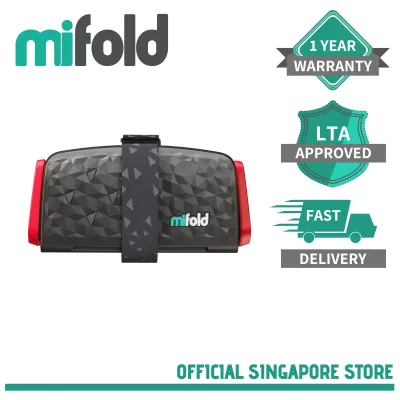
![[SG] Foldable Child Safety Car Booster Seat Compact Travel Portable Baby Seat Blue Pink For 3-13 yrs](https://img.lazcdn.com/g/p/64b57362b4b2ceb65045c329016802cd.jpg_400x400q80.jpg_.webp)
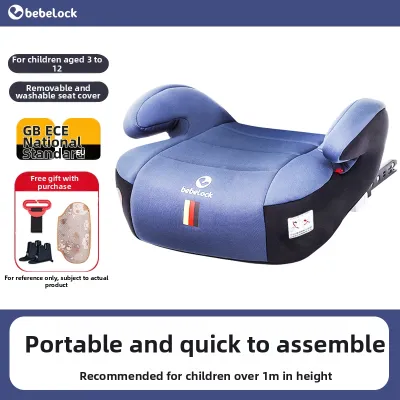
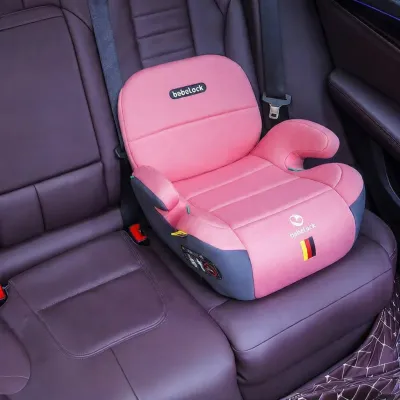
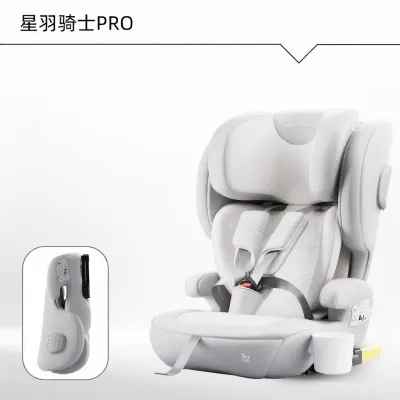
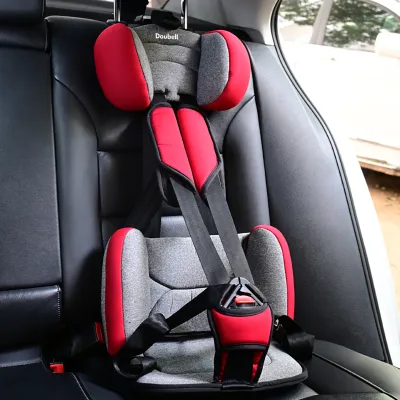
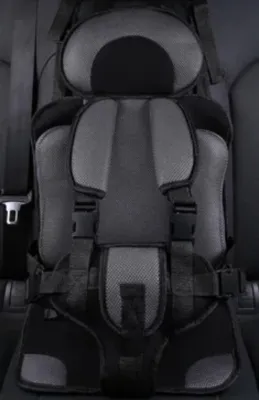
Prices are valid at publication and may change. Please refer to the product page for the latest price.
Never assume a seat is suitable based on age recommendations alone. Parents must cross-reference the seat’s stated height and weight limits with their child’s current measurements and growth trajectory. A proper fit ensures that the harness system and side-impact structures align correctly with the child’s body to provide optimal protection during a sudden stop or collision.
It is also crucial to check the manufacturing date and expiration date printed on the seat’s label. Plastic components and webbing materials degrade over time, a process that can be accelerated by Singapore’s hot and humid climate. Ensuring the seat has sufficient usable lifespan remaining is essential for maintaining structural integrity.
Portability often involves trade-offs between weight and protective features. While ultra-lightweight frames are easy to carry through transit hubs, they may feature thinner padding or less robust side-impact protection. Caregivers should look for models that maintain a reinforced shell structure while keeping the overall weight manageable for carrying.
Comparing Portable Car Seat Designs from Leading Brands
Different brands approach portability through distinct design philosophies, primarily focusing on carrying mechanisms and installation methods. Some models feature built-in carry handles or integrated backpack straps, allowing parents to keep their hands free while walking. Others utilize a foldable base design that collapses into a compact shape for easy storage in a stroller basket or car boot.

Installation methods also vary significantly between portable models. Some seats rely solely on the vehicle’s three-point seat belt, making them highly versatile for older taxis or ride-hailing cars that may not have specialized anchor points. Other designs offer LATCH or ISOFIX compatibility, which can speed up the installation process in compatible vehicles but may add weight and cost to the seat.
To assess the overall value in S$, parents should calculate the estimated cost per use rather than focusing only on the initial purchase price. Consider the seat’s usable lifespan based on its weight limits and how frequently you plan to use it. A slightly more expensive seat that accommodates a wider growth range may offer better long-term value than a cheaper, highly restrictive model.
| Dimension | Ultra-Compact Travel Seats | Lightweight Convertible Seats |
|---|---|---|
| Primary Use Case | Ride-hailing, air travel, occasional taxi trips | Daily commuting, transferring between family cars |
| Typical Weight Capacity | Often limited to specific toddler or booster ranges | Broader ranges, sometimes including rear-facing options |
| Folding Mechanism | Highly compact, often folds flat or into a backpack | Minimal folding, designed for a slim profile rather than collapse |
| Installation Type | Primarily vehicle seat belt; some offer basic ISOFIX | Vehicle seat belt, ISOFIX, or LATCH compatibility |
| Portability Level | Extremely high; lightweight and easy to carry | Moderate; lighter than standard seats but bulkier to carry |
Ultra-Compact Travel Seats
Ultra-compact travel seats are designed with a minimal footprint, utilizing lightweight materials and innovative folding mechanisms to ease transit. These models are engineered to be packed away quickly, making them highly convenient for parents who do not own a personal vehicle and rely on public transport or ride-hailing services.
However, these compact designs often come with specific limitations. To achieve a lightweight form, they may feature lower maximum weight capacities, fewer recline options, and less plush padding. This can make them less suitable for very long journeys where child comfort is a primary concern.
The ideal user for this category is a family that frequently uses ride-hailing services in Singapore, travels internationally by air, or needs a secondary, easily storable backup seat for grandparents’ or caregivers’ vehicles.
Lightweight Everyday Convertible Seats
Lightweight everyday convertible seats are slightly heavier than travel-specific models but remain significantly lighter and less bulky than standard, permanent convertible seats. They often feature extended rear-facing limits and more robust side-impact protection structures, bridging the gap between portability and daily comfort.
These seats offer the benefits of enhanced cushioning, better recline angles, and longer usability as the child grows. The sturdier frame provides a more supportive environment for daily commutes, ensuring the child remains comfortable during longer rides across the island.
This design is ideal for families who need a primary car seat that is still manageable to transfer between multiple family vehicles regularly, or those who want a sturdier seat that can still be carried when necessary.
Decision Framework: Choosing the Right Brand and Model
To select the most appropriate portable car seat, parents can use the following structured decision framework based on their lifestyle and travel habits:
- Choose an ultra-compact travel seat if: You primarily rely on taxis or ride-hailing services, travel by air frequently, or need a highly portable backup seat that can easily fit into a stroller basket or backpack when walking around Singapore.
- Choose a lightweight convertible seat if: You need a primary car seat that can be moved between cars but still offers extended rear-facing safety, superior daily comfort, and a longer usable lifespan as your child grows.
- Verify first if: Your vehicle has limited backseat space, or if your child has specific physical support needs that require specialized padding. Always check the vehicle's manual to ensure compatibility with the seat's installation method.
Before finalizing any purchase, measure your vehicle’s backseat dimensions, weigh and measure your child, and check the specific return policies of local specialty baby stores or online marketplaces. If possible, visit a physical retailer to test the installation mechanism and ensure a secure fit in your primary vehicle.
Frequently Asked Questions (FAQ)
Are portable car seats safe for long road trips?
Any portable car seat bearing valid, current safety certifications is designed to protect your child during collisions, regardless of the trip’s duration. However, comfort on long journeys depends heavily on the seat’s padding, recline options, and breathability. Ultra-compact models may have less cushioning, which can lead to restlessness. For extended road trips, plan regular breaks to allow your child to stretch and move out of the seat, as recommended for any car journey.
Can I use a portable car seat on an airplane?
To use a portable car seat on an aircraft, you must verify that the seat has an official aviation approval label printed directly on its shell. Always contact your airline before the flight to confirm their specific policies regarding car seat dimensions and approved installation methods. Ultra-compact travel seats are generally easier to maneuver through narrow airplane aisles and fit more comfortably within standard aircraft passenger seats.

Community discussion
Share your experience or ask a question. Comments are reviewed before publication.