
In Singapore, there is no official, static list of approved travel booster seat brands. Instead, the safety and legality of any travel booster seat depend entirely on whether the specific model carries a recognized international safety certification label. Any brand of travel booster seat is legally approved for use on Singapore roads if that specific model bears a physical certification mark matching recognized global standards, most notably the United Nations Economic Commission for Europe (UN ECE) R44/04 or R129 regulations. Parents must physically inspect the seat for these certification marks rather than relying solely on brand reputation, as a single manufacturer may produce both certified and uncertified models for different global markets.
Navigating the market for portable child restraints requires a clear understanding of how local traffic laws intersect with international safety engineering. By focusing on certified standards and proper installation, you can ensure your child remains secure during every journey, whether in a personal vehicle, a taxi, or a private hire car.
Understanding Singapore's Child Restraint Regulations
Singapore’s Road Traffic Act establishes strict parameters for child passenger safety to mitigate the risks of severe injury during collisions. Under local law, anyone under the height of 1.35 meters must be secured with an appropriate child restraint, booster seat, or adjustable seatbelt. This height-based threshold is critical because standard vehicle seatbelts are designed for adult bodies with a minimum height of 1.35 meters. For children below this height, an adult seatbelt cannot route correctly across the skeletal frame, posing a severe risk of internal injuries in an accident.
Products mentioned in this guide
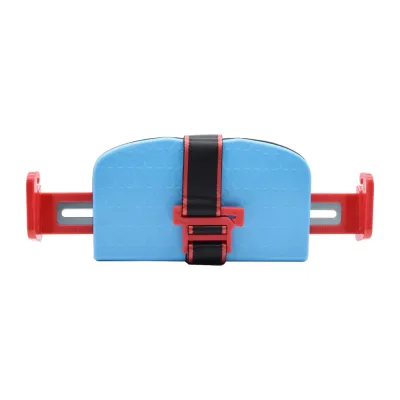
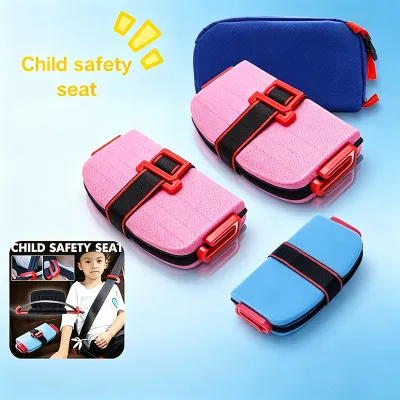
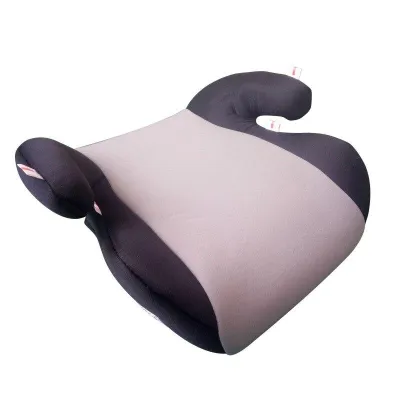
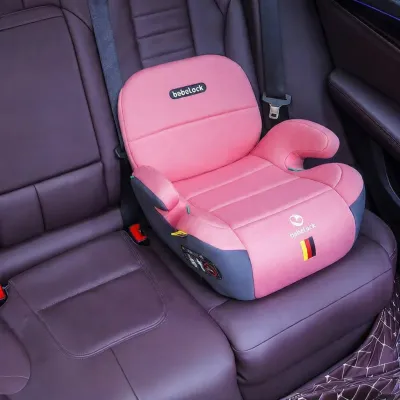
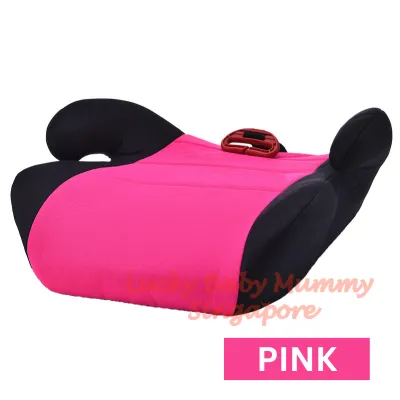
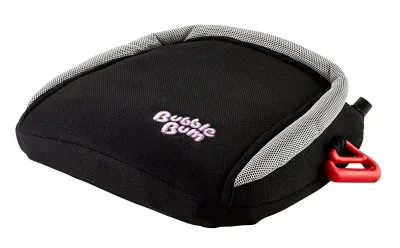
Prices are valid at publication and may change. Please refer to the product page for the latest price.
Both the Land Transport Authority (LTA) and the Traffic Police actively enforce these safety mandates. Drivers who fail to properly secure passengers under 1.35 meters face immediate penalties, including composition fines of S$120 and three demerit points. If a case proceeds to court, the legal penalties can escalate to significant fines or imprisonment, underscoring the gravity with which local authorities treat child passenger safety.
Within this legal framework, it is important to differentiate between standard car seats and travel booster seats. Standard car seats are typically heavy, bulky, and designed for semi-permanent installation using complex belt routing or dedicated ISOFIX anchorages. In contrast, travel booster seats are engineered specifically for mobility and rapid transfer between vehicles. They are lightweight, highly portable, and designed to position the vehicle’s existing three-point seatbelt correctly over a child’s smaller frame, making them indispensable for families relying on taxis and ride-hailing services.
Recognized Safety Certifications for Booster Seats
To ensure a travel booster seat provides genuine protection, it must comply with specific international standards recognized by Singapore authorities. The most common benchmarks are the European safety standards, starting with UN ECE R44/04. This weight-based standard categorizes booster seats into groups, typically Group 2 (15 to 25 kg) and Group 3 (22 to 36 kg). The newer UN ECE R129 (often referred to as i-Size) is a height-based standard that subjects seats to more rigorous testing, including mandatory side-impact collision simulations.

When evaluating a travel booster seat, you must locate the physical orange certification label permanently attached to the seat’s shell. This label contains vital information, including the specific standard version (such as ECE R44/04 or R129) and the application category. A “Universal” designation indicates the seat is approved for use in almost all vehicles using standard three-point seatbelts. The label also features an “E” mark inside a circle, followed by a number that denotes the country where the safety approval was granted, alongside a unique approval number that must start with “04” for R44 compliance.
While Singapore also recognizes other international standards—such as the United States FMVSS 213, Great Britain BS 3254, Australia/New Zealand AS/NZS 1754, and Japan JIS D0401—parents should note the practical differences between them. For instance, US FMVSS 213 certified seats rely on manufacturer self-certification rather than independent government testing, and they often feature a chest clip. Additionally, US booster seats are designed around vehicle seatbelt systems that commonly feature automatic locking retractors. Because many vehicles in Singapore utilize emergency locking retractors, European ECE-certified booster seats generally offer a more straightforward and reliable fit for local transport.
Essential Safety and Design Features for Travel
Selecting a travel booster seat requires balancing portability with robust crash protection. The primary design choice is between backless boosters and high-back boosters. High-back boosters provide a dedicated structure that supports the child’s head, neck, and torso, featuring deep side wings lined with energy-absorbing foam to protect against side-impact forces. They also feature integrated shoulder belt guides that keep the seatbelt positioned correctly even if the child falls asleep. Backless boosters are significantly more compact and lightweight, making them easier to pack into a backpack, but they offer no side-impact protection and rely entirely on the vehicle’s structural safety.
For travel purposes, evaluate features such as overall weight, foldability, and carrying options. High-quality travel boosters utilize high-density polymers or lightweight aluminum frames to maintain structural integrity without adding excessive weight. If a booster seat features a folding design, inspect the locking mechanisms closely. The hinges must lock securely into place so the seat cannot collapse or fold under the extreme forces of a collision.
Furthermore, pay close attention to the seatbelt guides and base design. Red-coded belt paths are standard on certified seats to guide the lap belt low across the pelvis and the shoulder belt across the collarbone. An anti-slip base is also highly beneficial, preventing the booster from sliding on slick leather vehicle seats during sharp turns. While ISOFIX or LATCH compatibility provides excellent stability, it is often impractical for quick taxi transfers, meaning a travel booster must be fully capable of securing the child safely using only the vehicle’s three-point seatbelt.
How to Verify Compliance and Fit Before Purchase
Before finalizing the purchase of a travel booster seat, perform a systematic verification check to ensure the product is genuine, compliant, and compatible with your needs.
- Inspect the Physical Label: Never rely solely on online product descriptions or marketing claims of "safety approval." If purchasing from an online marketplace, request a clear, high-resolution photograph of the actual orange ECE sticker or relevant certification label on the seat shell. Ensure the approval number is clearly legible.
- Verify the Retail Source: Counterfeit car seats and boosters made from cheap, brittle plastics are prevalent on global ecommerce platforms. To avoid these hazardous imitations, purchase directly from reputable local distributors, official brand stores, or established specialty baby gear retailers.
- Match Child Metrics: Compare your child's current height and weight against the strict limits printed on the booster seat's certification label. Never transition a child to a travel booster seat early simply for convenience if they do not meet the minimum physical requirements.
- Assess Vehicle Compatibility: Ensure the booster seat can sit completely flat against the vehicle's seat cushion and seatback. If a vehicle's fixed headrest pushes the booster seat forward at an awkward angle, it can compromise safety. Always verify that the booster is designed for use with a three-point lap-and-shoulder belt, as they are never safe to use with a two-point lap-only belt.
When to Transition to a Travel Booster Seat
Transitioning a child from a harnessed car seat to a belt-positioning travel booster seat is a major milestone that must be guided by physical development and behavioral maturity rather than age alone. Children should remain in a five-point harnessed seat for as long as possible, up to the maximum weight or height limit specified by the manufacturer. As a general guideline, a child is not physically ready for a booster seat until they are at least four years old, weigh at least 15 kilograms, and stand at least 100 centimeters tall.
Behavioral readiness is equally critical. Unlike a five-point harness that physically restrains a child, a booster seat relies entirely on the vehicle’s seatbelt to hold them in place. The child must possess the maturity to sit upright for the entire duration of the journey. They must not slouch, lean over to grab toys, tuck the shoulder belt under their arm, or attempt to unbuckle the seatbelt. If a child cannot maintain a proper seated posture, they must remain in a harnessed restraint.
To confirm if your child can safely transition to using a booster seat, apply the five-step fit test in the vehicle:
- Back Support: Does the child's back sit completely flat against the vehicle seatback or the high-back booster support without slouching?
- Knee Position: Do the child's knees bend comfortably over the edge of the seat cushion without them sliding forward?
- Lap Belt Placement: Does the lap belt rest low across the upper thighs and pelvis, making contact with the hip bones rather than riding up onto the soft abdomen?
- Shoulder Belt Placement: Does the shoulder belt cross the middle of the shoulder and chest, staying clear of the neck and face?
- Maturity Check: Can the child maintain this exact position consistently throughout the entire ride, even when tired or asleep?
Frequently Asked Questions (FAQ)
Can I use a travel booster seat in a taxi or private hire car in Singapore?
Under Singapore’s Road Traffic Act, public taxis are legally exempt from the mandatory child restraint requirement. This exemption is a practical concession for public transport, allowing families to board taxis without carrying bulky seats. However, this is a legal exemption rather than a safety guarantee; the physical forces of a crash remain identical regardless of the vehicle type. Conversely, private hire cars (such as those booked via ride-hailing apps) are classified as private passenger vehicles and are not exempt from the law. Private hire drivers are legally required to refuse passengers with children under 1.35 meters if an appropriate restraint is not provided. Carrying a compact, certified travel booster seat ensures you can legally and safely utilize both taxis and private hire vehicles across Singapore without travel disruptions.
Are inflatable or foldable travel booster seats safe and legal?
Inflatable and foldable travel booster seats are both safe and legal for use in Singapore, provided they carry a recognized safety certification label such as UN ECE R44/04 or R129. Certified inflatable boosters are engineered with heavy-duty, puncture-resistant materials and internal structural bands that maintain consistent air pressure and shape under crash loads. Certified foldable boosters utilize high-strength polymers and metal reinforcements alongside secure locking hinges to ensure structural integrity. Parents must avoid uncertified, generic fabric-only harness straps or non-rigid cushions sold on online marketplaces. These uncertified products lack the necessary structural design to position seatbelts correctly or absorb impact forces, making them highly dangerous and illegal for use on Singapore roads.
Community discussion
Share your experience or ask a question. Comments are reviewed before publication.