
Choosing the right newborn baby diaper involves balancing three critical pillars: absorbency, physical fit, and long-term value for money. While many brands promise ultimate dryness and leak protection, the reality is that no single diaper universally fits every newborn’s unique body shape or skin sensitivity. Parents must look past marketing buzzwords and evaluate the physical construction, material composition, and unit pricing of disposable diapers to make an informed choice.
In Singapore’s warm and humid climate, diaper performance is closely tied to breathability and prompt moisture management. A diaper that works exceptionally well for one infant might cause frequent blowouts or skin irritation for another. By understanding how to inspect diaper features and calculate true costs, caregivers can establish a reliable diapering routine that keeps their baby comfortable without overstretching the household budget.
Understanding Absorbency and Leak Protection Features
The core of any newborn baby diaper is its absorbent structure, which typically relies on a combination of superabsorbent polymer (SAP) and wood fluff pulp. SAP consists of tiny spheres that can absorb many times their weight in liquid, locking moisture away from the baby’s delicate skin and turning it into a gel. When comparing brands, look at the manufacturer’s product specifications to see if they use a structured channel design or a traditional uniform core. Channel designs distribute liquid evenly along the length of the diaper, preventing sagging and reducing the risk of localized saturation that leads to leaks.
Products mentioned in this guide
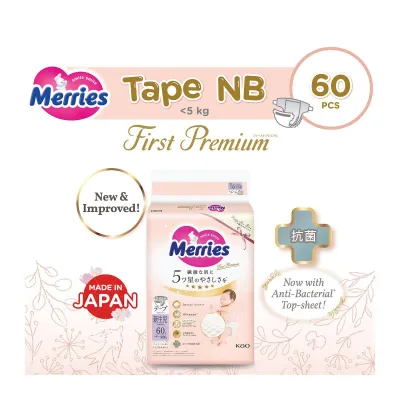
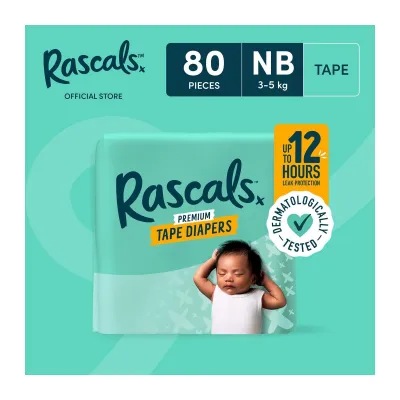
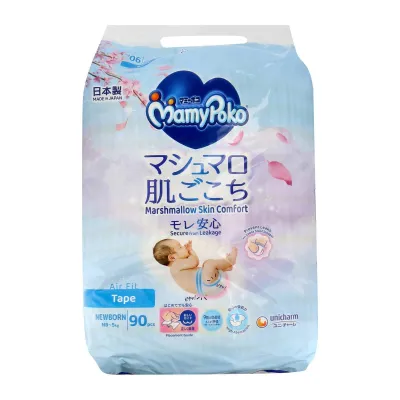
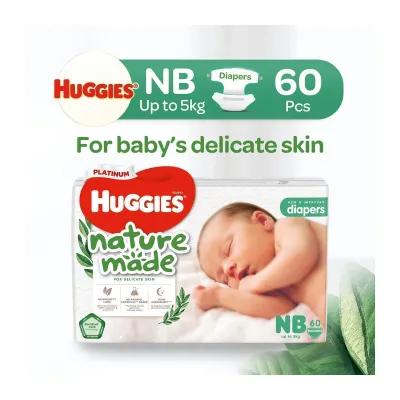
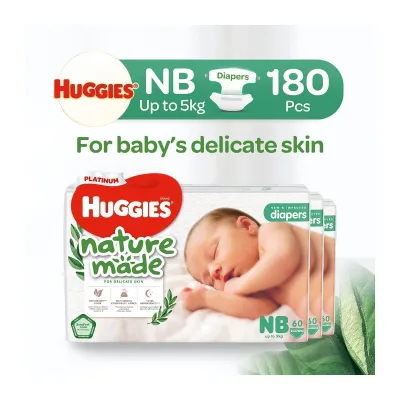
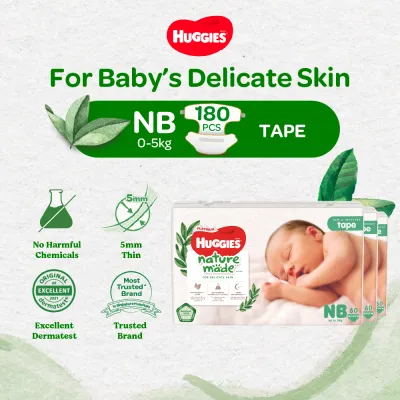
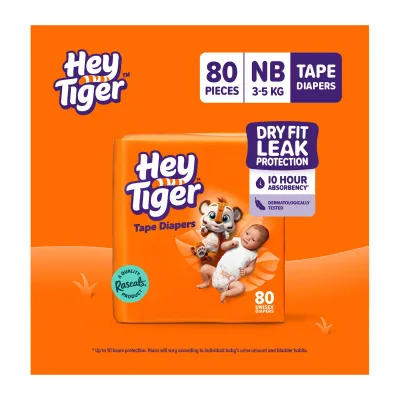
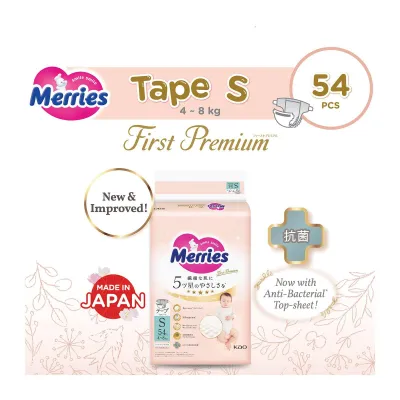
Prices are valid at publication and may change. Please refer to the product page for the latest price.
Leak guards are the physical barriers along the leg openings that prevent liquid and soft newborn stool from escaping. When evaluating a diaper brand, inspect the height and elasticity of these inner leg cuffs. High, double-layered elastic barriers offer reliable containment, especially for active babies or during sudden bowel movements. Caregivers should gently run a finger along the inside of the leg cuffs during diaper changes to ensure they stand upright and fit snugly against the baby’s thighs without leaving deep red marks.
Wetness indicators are a standard feature on most modern newborn diapers, utilizing a pH-sensitive strip that changes color—typically from yellow to blue—when exposed to moisture. While highly convenient for sleep-deprived parents, the sensitivity of these indicators can vary across different product lines. Some premium lines feature highly responsive indicators that react to the slightest dampness, while basic lines might require a more substantial volume of liquid to trigger a visible change. Checking the indicator regularly helps prevent prolonged exposure to wetness, which is a primary trigger for diaper rash.
Evaluating Fit, Comfort, and Umbilical Cord Care
A newborn’s body shape changes rapidly during the first few weeks of life, making waistband elasticity and fastening tab adjustability crucial for a secure fit. High-quality diapers feature wide, stretchy waistbands and soft, rounded fastening tabs that can be repositioned multiple times without losing their grip. This flexibility allows caregivers to adjust the diaper to accommodate a full belly after feeding and prevent gaps at the back, which are a common cause of messy blowouts when the baby is lying down.

Umbilical cord care is a unique consideration for newborns during their first two weeks. Many specialized newborn diapers feature a curved umbilical cord cut-out at the front waistband to keep the area dry and exposed to air, promoting faster healing. If a brand does not have this specific cut-out, caregivers must manually fold the front waistband downward to prevent the diaper from rubbing against the healing umbilical stump. Choosing a diaper with a built-in cut-out simplifies this process and reduces the risk of friction-induced irritation.
The material composition of the diaper’s inner sheet directly impacts skin health, particularly in humid environments where trapped moisture can quickly lead to irritation. Parents should look for diapers that explicitly state they are hypoallergenic, fragrance-free, and dermatologically tested on their packaging. Avoid diapers with added synthetic fragrances or lotions if your baby has sensitive skin, as these additives can trigger allergic reactions. Verifying these claims on the physical packaging ensures you are selecting materials designed to minimize friction and maintain a healthy skin barrier.
Calculating Value for Money and Cost Per Diaper
To accurately compare the cost of different diaper brands, caregivers must look beyond the retail price of a single pack and calculate the unit cost per diaper. This is done by dividing the total price of the pack in S$ by the number of diapers inside. For example, a standard pack priced at S$24 containing 60 diapers results in a unit cost of S$0.40 per diaper. Performing this simple calculation allows you to compare standard packs, jumbo boxes, and online bulk deals on an equal footing, revealing which option offers the best financial value.
While bulk buying often yields a lower cost per diaper, parents must exercise caution when stocking up on newborn sizes. Newborns grow at an incredibly rapid pace, often outgrowing the weight limit for newborn diapers within three to six weeks. Purchasing multiple jumbo boxes before the baby arrives carries the risk of being left with expensive, unused diapers that no longer fit. A more practical approach is to purchase smaller trial packs or single standard packs initially, transitioning to bulk purchases only after confirming the baby’s growth rate and skin compatibility with a specific brand.
The frequency of diaper changes also plays a significant role in overall monthly spending. A highly absorbent, premium diaper may cost more upfront but require fewer changes throughout the day due to superior moisture-locking capabilities. Conversely, a budget-friendly diaper might require more frequent changes to prevent leaks and skin irritation, quickly offsetting any initial savings. Caregivers should track how many diapers they actually use per day with each brand to determine which option truly minimizes their ongoing diapering expenses.
Decision Framework: Matching Diaper Features to Your Newborn
Selecting the right diaper brand requires matching specific product features to your baby’s physical needs and your household’s daily routine. If your newborn is a heavy wetter, experiences frequent blowouts, or needs a reliable option for longer sleep stretches, prioritize brands that feature advanced core technology, high leg cuffs, and wide elastic waistbands. These structural elements provide the physical containment and rapid absorption necessary to prevent leaks during extended wear.
For newborns with highly sensitive skin or those still healing from umbilical cord separation, the primary focus should be on material gentleness and physical design. In this scenario, choose diaper lines that feature built-in umbilical cut-outs and ultra-soft, fragrance-free top sheets. These features minimize friction against sensitive areas and reduce the likelihood of contact dermatitis, ensuring your baby remains comfortable during the delicate early weeks.
If your primary goal is to maximize your budget and you prefer to change your baby’s diaper immediately upon any sign of wetness, standard or basic product lines are often the most practical choice. Because you will be changing the diaper frequently, the advanced overnight absorption of premium lines is less critical, allowing you to benefit from the lower unit cost of basic lines. Regardless of the brand chosen, always monitor your baby’s skin for signs of redness, bumps, or persistent irritation; if contact dermatitis develops, consult a pediatrician before switching to specialized sensitive or medical-grade diaper lines.
Frequently Asked Questions (FAQ)
How many newborn diapers should I stock up on before birth?
It is generally recommended to stock no more than one or two standard packs of newborn diapers (approximately 80 to 120 diapers in total) before your baby is born. Newborns grow rapidly, and some babies are born weighing close to or exceeding the upper limit of newborn sizes. Additionally, you cannot predict if your baby will have a skin reaction to a specific brand’s materials. Starting with a modest supply allows you to test for fit and skin compatibility before committing to a larger purchase.
When is the right time to switch from newborn to size 1 diapers?
You should consider transitioning to size 1 diapers when you observe physical signs of poor fit, even if your baby’s weight is still within the manufacturer’s recommended range for newborn sizes. Key indicators include red elastic marks on your baby’s thighs or waist, frequent leaks or blowouts, and fastening tabs that must be secured at the very outer edges of the waistband. If the diaper fails to cover the baby’s backside completely or sits too far below the belly button, it is time to size up.
Can I mix and match different diaper brands for day and night use?
Yes, mixing and matching different diaper brands is a highly effective strategy for balancing performance and budget. Many parents use a highly absorbent, premium diaper brand for nighttime use to ensure uninterrupted sleep and maximum leak protection, while opting for a more affordable, standard brand during the day when changes are more frequent. If you choose this approach, monitor your baby’s skin closely to ensure that alternating between different material compositions does not cause irritation or localized sensitivity.

Community discussion
Share your experience or ask a question. Comments are reviewed before publication.