
Quick Answer: Which Nappy Caddy Type Fits Your Routine?
The ideal nappy caddy depends on your daily routine, material preferences, and capacity needs rather than a single universal winner. In Singapore’s fast-paced environment, parents often choose between three main categories: premium baby-gear brands, lifestyle or fashion-forward brands, and budget-friendly online marketplace options. Each category serves a distinct purpose, balancing cost against durability and specialized features.
Premium baby-gear brands focus heavily on specialized organizational features, durable technical fabrics, and long-term warranty support. Lifestyle brands prioritize aesthetic versatility, premium exterior materials like vegan leather, and multi-purpose use that extends beyond the baby years. Budget options offer lightweight, easily replaceable solutions ideal for secondary storage or short trips.
To find your perfect fit, you must evaluate three core decision criteria: structural durability, organizational features, and portability. By matching these criteria to your specific home layout and travel habits, you can select a caddy that simplifies your daily changing routine.
Products mentioned in this guide
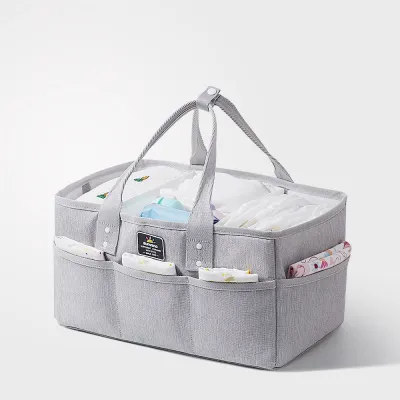
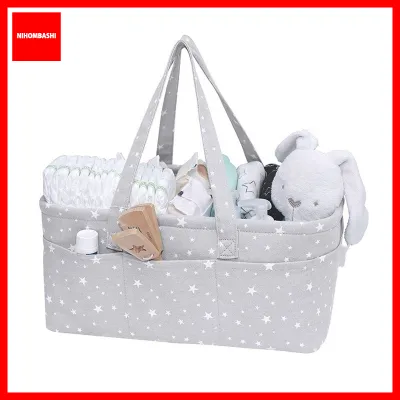
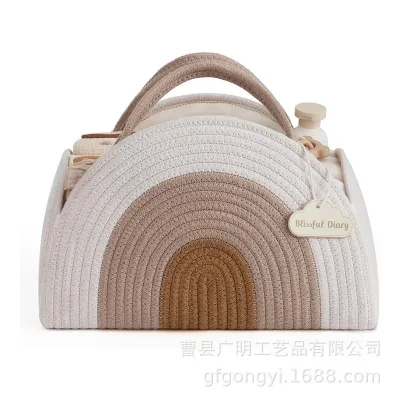
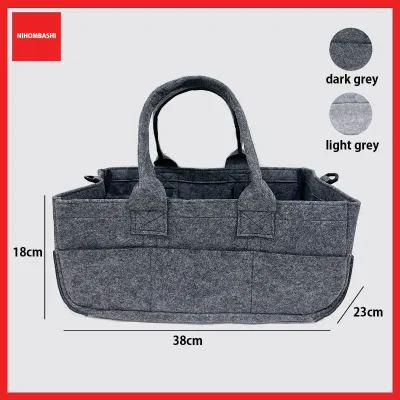
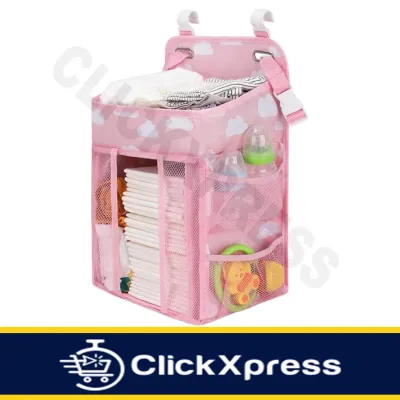
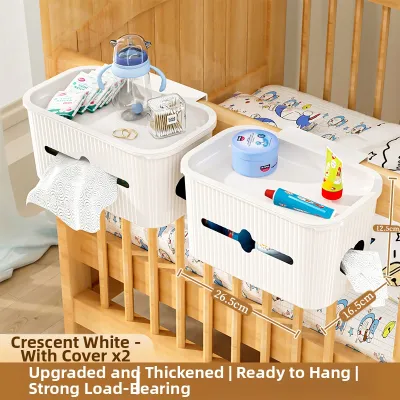
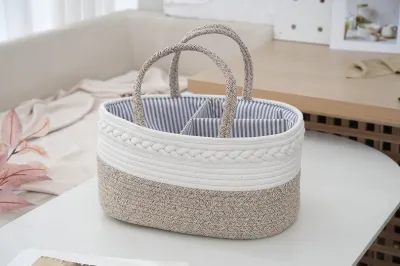
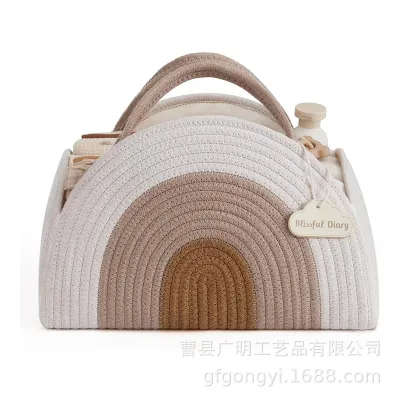
Prices are valid at publication and may change. Please refer to the product page for the latest price.
Core Dimensions for Evaluating Build Quality and Materials
Material selection is critical, especially in Singapore’s humid climate where moisture resistance and ease of cleaning are paramount. When evaluating different brands, check the manufacturer’s specifications for material types such as vegan leather, nylon, canvas, or polyester. Each material has distinct care requirements and environmental tolerances that affect its longevity.

Vegan leather and high-grade nylon are highly popular for their water-resistant properties, making them easy to wipe down after spills. Canvas and felt options offer a softer, classic aesthetic but may require more intensive spot-cleaning and are more susceptible to absorbing moisture in humid conditions. Always verify if the interior lining is water-resistant or fully wipeable, as this prevents liquid stains and odors from setting into the fabric.
Structural integrity determines how well the caddy holds its shape when fully loaded with nappies, wipes, creams, and bottles. Look for reinforced stitching along the seams, particularly where the handles or straps attach to the main body. A sagging caddy can cause items to spill out, so check for reinforced bases or removable plastic inserts that provide rigid support.
Hardware quality is another key indicator of overall build quality. Inspect the zippers, snaps, and metal clasps to ensure they operate smoothly without catching. High-quality brands often use metal hardware or heavy-duty molded plastic that can withstand frequent daily use.
Weight is an often-overlooked aspect of material quality. In a warm climate, carrying an unnecessarily heavy bag can quickly become exhausting. Lightweight yet durable materials, such as high-density polyester or ripstop nylon, offer an excellent balance of strength and comfort for daily use.
Finally, prioritize material safety by checking product labels for relevant safety standards and certifications. Look for brands that explicitly state their materials are free from harmful chemicals, heavy metals, and phthalates. This is especially important for items that come into direct contact with baby products like pacifiers, teething toys, and nappies.
Comparing Functional Features and Capacity Needs
The internal layout of a nappy caddy directly impacts how efficiently you can manage diaper changes. Many brands offer modular designs with adjustable dividers, allowing you to customize the compartment sizes as your baby’s needs change. For instance, you might need larger sections for newborn nappies initially, transitioning to space for toddler pull-ups and larger toys later.
Dedicated compartments, such as insulated bottle pockets and quick-access wipe dispensers, add significant functional value. Insulated pockets help maintain the temperature of milk or water during short outings, while external wipe pockets allow you to grab a wipe one-handed without rummaging through the main compartment. Evaluate whether these specialized pockets fit your preferred brands of wipes and bottles, as sizes can vary.
There is a clear trade-off between structured, high-capacity caddies and compact, lightweight designs. Large, structured caddies are excellent for stationary use at home, serving as a centralized changing station in your living room or nursery. However, they can be bulky and heavy to carry around, making them less practical for quick trips outside.
For parents on the move, compact and lightweight caddies offer better portability. These designs often feature detachable shoulder straps, comfortable top handles, or backpack straps that distribute weight evenly. When choosing a portable caddy, consider how easily it fits into your car’s footwell or under a stroller seat.
Stroller attachment compatibility is a crucial feature for active parents in Singapore who frequently walk in parks or shopping malls. Some caddies come with integrated stroller straps or clips that secure the bag directly to the handlebar. Always verify the manufacturer’s instructions regarding stroller compatibility and weight limits to prevent the stroller from tipping over.
Additionally, consider the climate-specific items you need to carry. In Singapore, sudden tropical downpours or highly air-conditioned indoor spaces mean you often need to pack extra layers of clothing, a small umbrella, or a light blanket. Ensure the caddy has enough flexible space to accommodate these regional essentials alongside standard diapering supplies.
How to Verify Quality and Features Before Purchasing
If you are shopping at a physical baby boutique in Singapore, take the opportunity to conduct a thorough physical inspection. Test the smoothness of all zippers by opening and closing them multiple times with one hand, simulating a real-life changing scenario. Feel the thickness of the outer material and press down on the base to check if it retains its shape under pressure.
Lift the caddy by its handles to assess its empty weight and balance. A caddy that is heavy even before you pack it with baby essentials will quickly become burdensome to carry. Check the stitching closely for any loose threads, uneven seams, or weak points where the handles meet the body.
Pay close attention to the quality of the hook-and-loop fasteners or velcro used for the internal dividers. Low-quality fasteners will lose their grip quickly, causing the dividers to collapse under the weight of heavy items like full packs of wipes or water bottles. Press the dividers firmly into place and pull on them slightly to test their resistance.
When shopping online through e-commerce platforms, you must rely on critical reading of product descriptions and user reviews. Look past the polished marketing photos and focus on reviews that mention long-term wear and tear. Search for keywords like “stitching,” “zipper,” “sagging,” or “cleaning” to see how the product performs after several months of daily use.
Pay close attention to user photos uploaded in the review sections, as these often show the true color, texture, and structural stability of the caddy better than professional studio shots. If multiple reviews mention that the dividers lose their grip or the fabric pills quickly, consider these as indicators of lower material quality.
Before finalizing your online purchase, verify the seller’s return policies and warranty terms. Reliable brands often offer a limited warranty against manufacturing defects, which provides peace of mind. Ensure you understand the process for returns or exchanges, especially if the product arrives with damaged hardware or incorrect dimensions.
Decision Framework: Matching Nappy Caddy Types to Your Needs
To make your final decision, align your primary parenting needs and lifestyle habits with the strengths of each caddy category. If your priority is maximum organization, technical durability, and long-term reliability, established premium baby-gear brands are your best option. These brands typically offer specialized compartments, water-resistant technical fabrics, and robust warranty support that justifies the higher initial investment.
If you value aesthetic versatility and want a bag that transitions seamlessly from a baby organizer to a stylish everyday tote, choose lifestyle or fashion-forward brands. These caddies often feature premium exterior materials like high-quality vegan leather or structured canvas, allowing you to use them for work, travel, or home storage long after your child outgrows nappies.
For parents who need a simple, lightweight, and highly affordable solution, budget or online marketplace brands are highly suitable. These caddies are ideal for secondary storage—such as keeping one in the car or on a different floor of your home—where heavy-duty durability is less critical, and easy replacement is preferred.
Verify first if you have specific material allergies, as some synthetic fabrics or dyes used in budget caddies may cause sensitivities. Additionally, if you have strict stroller compatibility requirements or need to store specialized medical equipment, check the exact dimensions and attachment mechanisms before purchasing to ensure a safe and secure fit.
Frequently Asked Questions (FAQ)
Can I use a regular tote bag instead of a branded nappy caddy?
Yes, you can use a regular tote bag, but you will miss out on the specialized organizational features designed specifically for baby care. Standard tote bags usually lack structured compartments, meaning nappies, wipes, creams, and bottles will shift around and become difficult to find quickly during an emergency change. Furthermore, regular bags rarely feature wipeable or water-resistant linings, making them highly vulnerable to permanent stains and odors from spilled liquids or creams.
A specialized nappy caddy provides rigid walls, modular dividers, and dedicated pockets that keep your essentials upright and easily accessible. However, if you already own a structured tote, you can purchase removable organizer inserts to mimic some of these features. This hybrid approach works well for occasional outings but may lack the seamless integration and durability of a dedicated, branded caddy.
How do I clean and maintain different nappy caddy materials?
Always check the manufacturer’s care label first before applying any cleaning agents or methods to your nappy caddy. For vegan leather caddies, a simple wipe-down with a damp cloth and mild, baby-safe soap is usually sufficient to remove surface dirt and spills. Avoid using harsh chemical cleaners or abrasive scrubs, as these can strip the protective coating and damage the material over time.
For canvas or felt caddies, spot-cleaning with a soft brush and a gentle detergent is the safest approach. Avoid submerging these materials fully in water unless the manufacturer explicitly states they are machine washable, as soaking can cause the caddy to lose its structural shape or lead to mold growth in Singapore’s humid climate. If a deep stain occurs on a premium material, stop and consult a professional cleaning service specializing in bags to prevent permanent damage.

Community discussion
Share your experience or ask a question. Comments are reviewed before publication.