
Finding the right nappy bag in Singapore is a highly personal decision that depends on your daily parenting routine, outing duration, and preferred mode of transport. Navigating bustling shopping malls, boarding the MRT, or walking through humid outdoor spaces all require different levels of storage and mobility. Rather than searching for a single universally ideal bag, parents benefit most from evaluating how different designs balance usable capacity, organizational logic, and price-to-feature value.
By understanding the structural differences between modular, minimalist, and budget-friendly designs, you can select a bag that keeps your essentials organized without adding unnecessary bulk. This guide breaks down the essential criteria for evaluating nappy bags and provides a practical framework to help you choose the right option for your family.
Core Criteria for Comparing Nappy Bag Capacity and Organization
When comparing nappy bags, total volume can be a deceptive metric. A bag advertised with a high liter capacity may actually offer limited packing space if it features thick structural padding, rigid dividers, or bulky integrated accessories like changing mats. Usable capacity refers to the actual open space available for bulky items like spare clothes, formula dispensers, and toys after the built-in compartments are occupied.
Products mentioned in this guide
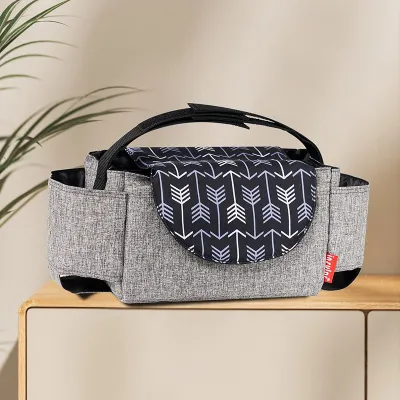
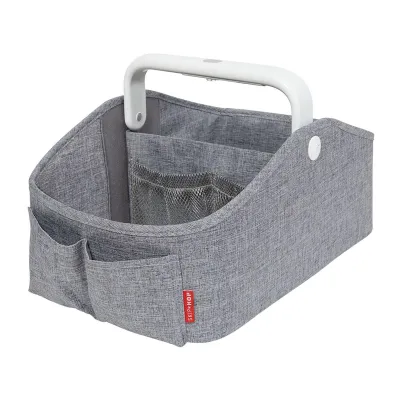
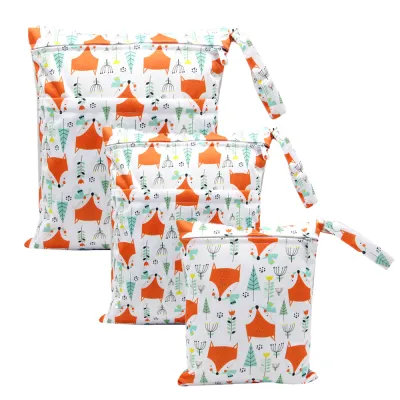
Prices are valid at publication and may change. Please refer to the product page for the latest price.
Compartment logic determines how easily you can locate items under pressure. A well-designed bag features dedicated zones that prevent small items from sinking to the bottom. Key features to look for include dedicated tech sleeves for tablets or work laptops, easy-access exterior wipe pockets that allow you to pull a wet wipe directly from the side of the bag, and separate wet/dry zones to isolate soiled clothes or damp bibs from clean items.
Accessibility styles also dictate daily convenience. Top-opening designs, such as classic doctor-bag frames, keep the bag’s footprint small, making them ideal for tight spaces like public transport seats or small cafe tables. However, they often require you to dig vertically. Clamshell or zip-down designs open completely flat like a suitcase, offering full visibility and easy packing, though they require a clean, flat surface to utilize fully.
Design Philosophies of Popular Nappy Bag Brands
Modular and highly structured brands design bags with a place for absolutely everything. These options feature rigid walls, numerous zippered pockets, and specialized slots for bottles, pacifiers, and keys. This structure is highly beneficial for parents who appreciate meticulous organization and want to avoid rummaging. However, the trade-off is that these bags carry more empty weight due to heavy-duty fabrics, metal hardware, and internal dividers. They also tend to sit at a higher price point, making them a long-term investment.

Minimalist and tote-style brands prioritize aesthetic versatility, offering lightweight bags made from premium nylon, canvas, or vegan leather. They feature fewer built-in dividers, allowing the bag to transition easily from a diaper bag to a work tote or casual handbag. While they look stylish, they rely heavily on separate packing cubes or pouches to keep baby gear organized. These bags generally occupy a mid-tier price range, appealing to parents who value style and multi-purpose utility.
Budget-friendly and multi-function brands, often found on popular online marketplaces, focus on delivering high capacity and basic organization at an accessible price point. Many incorporate innovative features like integrated stroller straps, USB charging ports, or fold-out changing stations. The primary trade-off with budget-friendly options is material longevity. Zippers may wear out faster, seams may fray under heavy loads, and the shoulder straps may lack the ergonomic padding needed for long-term comfort.
| Brand Category | Typical Capacity | Key Organizational Features | Target User Profile | General Value Proposition |
|---|---|---|---|---|
| Modular & Structured | High (20L – 25L) | Multiple insulated pockets, dedicated wet/dry compartments, rigid dividers | Parents of multiples, long-day travelers, highly organized packers | High investment; excellent durability and specialized storage |
| Minimalist & Tote-Style | Medium (15L – 20L) | Large open main compartment, minimal external pockets, stylish exterior | Working parents, short-trip travelers, style-conscious users | Mid-range pricing; high aesthetic versatility but requires separate pouches |
| Budget-Friendly & Multi-Function | High (20L – 30L) | Basic pockets, external wipe dispensers, built-in stroller attachments | Budget-conscious parents, occasional users, secondary bag buyers | Low cost; high initial utility but potential trade-offs in material lifespan |
Decision Framework: Matching the Bag to Your Daily Routine
To narrow down your choices, map the bag’s features to your daily routine and mobility needs. Choosing a bag that aligns with how you travel prevents physical strain and daily frustration.
Choose highly structured backpacks if you frequently use public transport, rely on baby carriers, or need hands-free mobility. Backpacks distribute weight evenly across both shoulders, which is crucial when walking long distances through Singapore’s integrated transport hubs or navigating escalators. They are also highly practical if you are managing multiple children and need your hands completely free.
Choose minimalist totes or crossbody bags if your outings consist primarily of quick trips to the neighborhood mall, stroller-based walks, or social gatherings. These designs allow you to reach in and grab items quickly without taking the bag off. They also transition smoothly into professional or casual settings, saving you from transferring personal items between different bags.
Verify first if you have specific physical or feeding requirements. If you are pumping, check if the insulated compartments can accommodate your specific breast pump model and ice packs. If you plan to hang the bag from a stroller, verify that the stroller straps are compatible with your stroller’s handlebar design and do not pose a tipping hazard when the bag is fully loaded.
Pre-Purchase Checklist: Verifying Value and Build Quality
Before finalizing your purchase, whether visiting a physical boutique or browsing an online marketplace, use this checklist to verify the bag’s quality and value:
- Inspect hardware and stress points: Test the zippers to ensure they glide smoothly without catching on the lining. Examine the stitching where the shoulder straps and carrying handles meet the main body; these areas should feature reinforced cross-stitching to handle heavy loads. Look for water-resistant or water-repellent fabric ratings to protect your gear during sudden tropical downpours.
- Review warranty and return policies: Check the terms provided by official brand stores or authorized retailers in Singapore. A reliable warranty covering zipper failures, broken hardware, or split seams within the first year adds significant value to your purchase.
- Test the empty weight and strap padding: A bag that feels heavy when empty will quickly become uncomfortable when packed with water bottles, flasks, and spare clothes. Look for wide, contoured shoulder straps with breathable mesh padding to ensure comfort during warm, humid days.
Frequently Asked Questions (FAQ)
Can I use a regular backpack instead of a dedicated nappy bag?
Yes, you can use a regular backpack, but it may lack the specialized features that make outings with a baby manageable. Standard backpacks typically do not have water-resistant, easy-to-wipe interior linings, insulated bottle pockets, or quick-access wipe dispensers. If you choose a regular backpack, you will likely need to purchase separate organizing pouches, insulated bottle sleeves, and a portable changing mat to achieve the same level of utility.
How do I clean and maintain the compartments to prevent odors?
To prevent odors and mold, regularly empty all compartments and wipe down the interior linings with a damp cloth and mild, baby-safe soap. Allow the bag to air dry completely in a well-ventilated space away from direct sunlight. Always check the manufacturer’s care label before using any cleaning agents or attempting to machine-wash the bag, as harsh chemicals or heat can damage water-resistant coatings and insulated linings.

Community discussion
Share your experience or ask a question. Comments are reviewed before publication.