
Selecting the right maternity bag in Singapore requires looking beyond aesthetic appeal to evaluate how a bag handles the humid local climate, daily transit on the MRT, and the sheer volume of baby essentials. Parents face a dizzying array of options, from high-end designer totes to highly functional utility backpacks. The ideal choice balances storage capacity with robust build quality, ensuring the bag remains comfortable to carry and durable enough to last from infancy through the toddler years.
Because your daily routine dictates what you need to carry, there is no single option that suits everyone. By focusing on structural design, material resilience, and practical ergonomics, you can identify a bag that simplifies outings rather than adding to the physical strain of caregiving. This guide provides a practical framework to assess capacity, inspect build quality, and verify overall value before making your purchase.
Evaluating Storage Capacity and Organization Layouts
When evaluating a maternity bag, total volume is only one part of the equation. A bag with a massive main compartment but no internal structure often becomes a black hole where small items like pacifiers, nail clippers, and travel-sized creams are easily lost. Instead, look for a balanced layout that pairs a spacious central compartment with specialized, easily accessible pockets.
Products mentioned in this guide
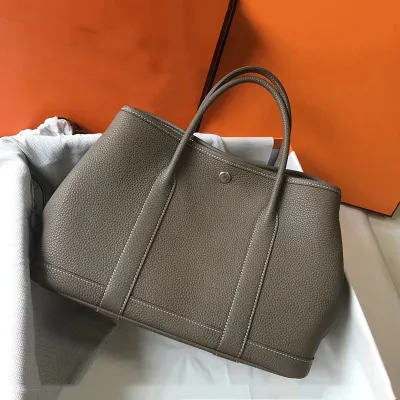
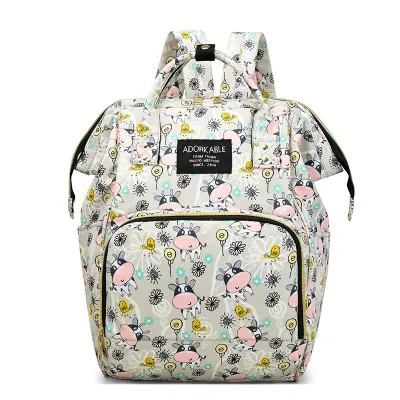
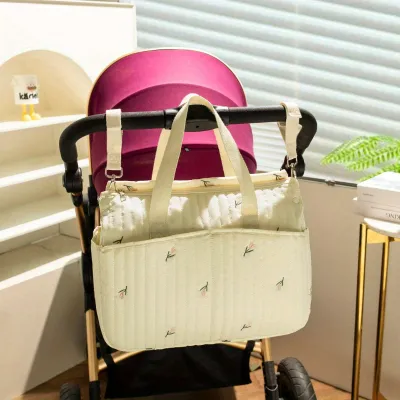
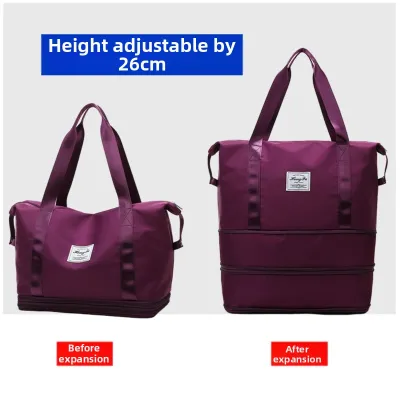
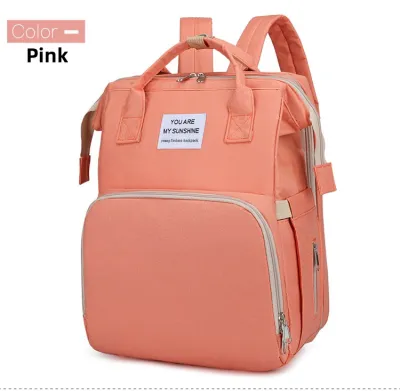
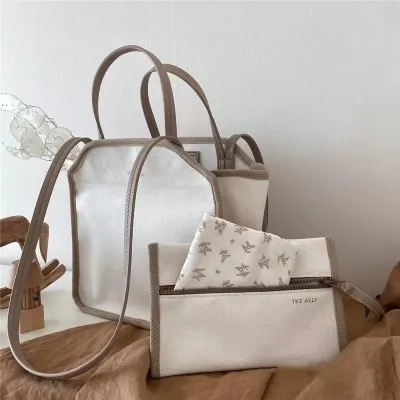
Prices are valid at publication and may change. Please refer to the product page for the latest price.
Insulated bottle holders are highly practical for Singapore’s warm climate, helping to maintain the temperature of breast milk, formula, or chilled water during outdoor trips. Look for pockets lined with thick thermal insulation and check whether they can accommodate wider-neck bottles. Another valuable feature is a dedicated wet/dry pocket lined with waterproof material, which keeps soiled clothes, damp bibs, or used washcloths separate from dry items.
Weight distribution is directly tied to how a bag behaves when fully loaded. If a bag lacks structural integrity, the weight of heavy items like water bottles and changing mats will pool at the bottom, causing the bag to sag and pull backward on your shoulders. High-quality designs incorporate structured bases, internal frame reinforcement, and strategically placed pockets that keep heavier items closer to your back, maintaining the bag’s shape and protecting your posture.
Accessibility is crucial when you are holding a baby with one hand and trying to retrieve an item with the other. Wide-mouth or clamshell openings (often reinforced with metal frames) allow the bag to stay open on its own, giving you a clear view of the entire contents. External grab pockets are equally essential; a quick-access pocket for your phone, keys, and EZ-Link card saves you from rummaging through the main compartment while navigating busy transit stations.
Assessing Build Quality and Material Durability
Singapore’s tropical climate, characterized by high humidity and sudden downpours, demands highly resilient materials. Outer fabrics should ideally feature water-resistant or water-repellent coatings, such as treated nylon, high-density polyester, or premium vegan leather. These materials protect the contents from unexpected rain and allow you to wipe away external dirt easily.

Interior linings require equal scrutiny. Look for lightweight, water-resistant linings that can be wiped clean with a damp cloth after inevitable spills. Light-coloured interiors are highly preferable to dark ones, as they reflect light and make it much easier to locate small items at the bottom of the bag. Avoid bags with absorbent cotton linings that trap moisture, as these are highly susceptible to mould and mildew in humid environments.
Hardware is often the first point of failure on a heavily used diaper bag. Inspect the zippers closely; they should be heavy-duty nylon or metal with smooth, snag-free glides and sturdy pull tabs. Double-stitching, box-stitching, or metal rivets at high-stress points—particularly where the shoulder straps and grab handles meet the main body—are clear indicators of durable construction. Magnetic snaps should align and secure easily without requiring precise manual placement.
Before purchasing, review the manufacturer’s care labels and warranty terms. Some fabric bags are machine-washable, while others require strict spot-cleaning to preserve water-resistant coatings. A brand that offers a local warranty in Singapore provides peace of mind, ensuring you can get support or replacements if a zipper fails or a seam splits prematurely.
Matching Bag Form Factors to Your Daily Routine
Choosing the right style of maternity bag depends heavily on your primary mode of transport and how long you typically stay out. Backpacks are the most popular choice for active parents who rely on public transport or enjoy long walks. They offer hands-free convenience, allowing you to push a stroller, carry your baby, or hold handrails safely. Look for backpacks with wide, padded shoulder straps and breathable mesh back panels to minimize heat and sweat build-up.
Totes and crossbody bags offer a more classic, professional aesthetic that transitions easily from family outings to workplace environments. They provide rapid access to your belongings without requiring you to take the bag off your shoulders. However, because they distribute weight asymmetricaly across one shoulder, they are best suited for shorter trips, quick errands, or situations where the bag will spend most of its time resting on a stroller chassis.
Convertible designs offer the ultimate flexibility by featuring modular strap systems. These bags can quickly transition from a backpack to a shoulder tote or a crossbody bag depending on your immediate needs. Many convertible models also include integrated stroller clips or a luggage sleeve that slides over suitcase handles, making them excellent options for families who travel frequently or share carrying duties between caregivers with different preferences.
Verifying Value and Making Your Final Choice
To determine the true value of a maternity bag, calculate its cost per use rather than focusing solely on the upfront price. A budget-friendly bag costing S$40 that tears or suffers a broken zipper after three months of daily use is ultimately less economical than a durable S$150 bag that lasts through multiple years and subsequent children. Consider how the bag’s features, durability, and style align with your long-term parenting journey.
When researching online, look past initial unboxing reviews and seek out verified purchaser feedback written after six months or more of continuous use. Pay close attention to comments regarding fabric peeling, strap fraying, or hardware degradation. These long-term reviews provide a much more accurate picture of real-world durability than pristine product photos.
Finally, ensure you purchase from authorized local retailers or official brand stores. Buying through official channels guarantees that you receive a genuine product made with non-toxic dyes and materials that meet safety standards. It also ensures that your purchase is backed by valid local customer service and warranty support, saving you from the frustration of dealing with counterfeit goods or unresponsive overseas sellers.
Frequently Asked Questions (FAQ)
Do I need a dedicated maternity bag, or can I use a regular backpack?
While a standard backpack can carry baby items, dedicated maternity bags offer specialized features that significantly improve daily convenience. These typically include insulated bottle pockets to maintain milk temperature, water-resistant linings that handle spills, integrated stroller straps, and dedicated compartments for changing pads. These specialized layouts save time and reduce stress during outings, making them a worthwhile investment for most parents.
How heavy should a fully packed maternity bag be?
To prevent back, neck, and shoulder strain, a fully packed maternity bag should ideally not exceed 10% to 15% of your body weight. To keep the weight manageable, pack only what you need for the specific duration of your outing, utilize travel-sized containers for creams and sanitizers, and choose a bag made from lightweight base materials like high-grade nylon rather than heavy, structured leathers.
What is the best way to clean a maternity bag after a spill?
Always consult the manufacturer’s care label first, as cleaning methods vary by material. For general spills, spot-clean the area immediately using a damp cloth and mild, baby-safe soap. Avoid harsh chemical detergents, bleach, or submerging structured bags in water unless specified. Ensure the bag is completely open and thoroughly air-dried in a well-ventilated indoor space away from direct sunlight to prevent mould growth.

Community discussion
Share your experience or ask a question. Comments are reviewed before publication.