
Choosing the right laundry detergent for a newborn is one of the first critical decisions parents face when preparing for a baby’s arrival. Japanese baby detergents are highly popular globally due to their reputation for gentle formulations, but finding the right one requires looking beyond attractive packaging. The ideal choice for your household depends on your baby’s unique skin sensitivity, the hardness of your local water supply, and your daily washing habits. Rather than relying solely on marketing claims, parents should learn to evaluate core comparison criteria, verify ingredient lists, and understand specific safety marks to ensure their newborn’s clothes remain clean, soft, and entirely free of irritating residues.
Essential Criteria for Newborn Detergents
A newborn’s skin is significantly thinner and more permeable than adult skin, making it highly susceptible to chemical irritants and environmental allergens. When selecting a Japanese baby detergent, the primary goal is to find a formulation that cleans effectively while leaving absolutely zero irritating residue on the fabric fibers.
The pH level of the detergent is a critical starting point. While standard adult detergents are often highly alkaline to maximize stain removal, newborn garments benefit from pH-balanced or neutral formulations. Neutral detergents are gentler on delicate cotton fibers and are less likely to disrupt the natural, slightly acidic protective barrier of a baby’s skin if any trace amounts remain on the clothing.
Products mentioned in this guide
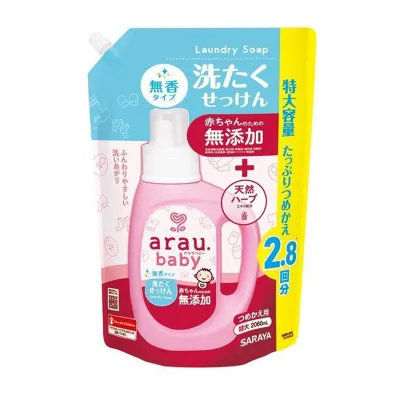
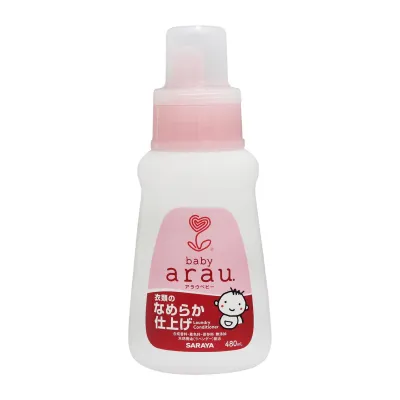
Prices are valid at publication and may change. Please refer to the product page for the latest price.
Fragrance-free and dye-free compositions are non-negotiable boundaries for daily newborn laundry. Artificial fragrances and synthetic colorants serve no cleaning purpose and are among the most common triggers for contact dermatitis and allergic reactions in infants. Even natural essential oils, which are frequently added to Japanese baby products to provide a pleasant scent, can occasionally irritate highly sensitive respiratory tracts and skin.
High rinsability is another essential factor that distinguishes high-quality baby detergents from standard household options. A detergent must dissolve completely and rinse away cleanly during the washing cycle. If a formula is difficult to rinse out, surfactant molecules can become trapped within the weave of the fabric, leading to stiffness and continuous friction against the baby’s skin.
Parents should also actively avoid products containing optical brighteners, which are chemical agents designed to adhere to fabrics and reflect light to make clothes appear whiter. These chemicals do not actually clean the garments and are formulated to remain on the fabric after washing, posing a direct irritation risk to a newborn. Similarly, harsh stain removers and strong synthetic bleaching agents should be excluded from daily newborn wear in favor of milder, targeted spot treatments.
Comparing Common Japanese Detergent Formulations
Japanese baby detergents generally fall into two primary categories: traditional soap-based formulations, often referred to as traditional soap, and modern synthetic surfactant blends. Understanding the fundamental differences between these two types allows parents to match the detergent’s chemical behavior to their household’s specific washing setup.

The performance and rinsing efficiency of these formulations are heavily influenced by the hardness of your local water supply. In regions with soft water, soap-based detergents dissolve beautifully and rinse away with minimal effort. However, in areas with moderate to hard water, the minerals present in the water can react with traditional soap, altering its effectiveness and requiring different washing techniques to prevent residue buildup.
Plant-Based and Soap-Based Options
Traditional Japanese soap-based detergents are typically crafted from natural plant oils, such as coconut or palm oil, saponified to create a natural soap. These formulations are highly favored by parents seeking minimalist ingredient lists, as they generally avoid synthetic chemicals, artificial preservatives, and complex surfactant compounds. When thoroughly rinsed, these plant-based soaps are exceptionally gentle on highly sensitive skin and help maintain the natural softness of organic cotton baby clothes.
However, soap-based detergents present distinct practical challenges, particularly in hard water conditions. When natural soap mixes with calcium and magnesium ions in hard water, it forms an insoluble substance known as soap scum. This scum can deposit onto clothing fibers, making garments feel stiff or greasy over time, and can also accumulate inside the washing machine drum, potentially leading to mold or bacterial growth if not cleaned regularly.
To counteract this, some soap-based detergents require a higher volume of water or extra rinse cycles to ensure complete removal. Additionally, parents must check the ingredient list for added alkaline builders, such as sodium carbonate. While these builders help the soap perform better in harder water, they can increase the pH of the wash, sometimes requiring a mild acidic rinse to restore fabric softness and neutralize any alkaline residue.
Synthetic and Mild Surfactant Blends
Modern synthetic baby detergents utilize carefully engineered, mild surfactants designed to target organic stains while remaining gentle on sensitive skin. These formulations are highly efficient at breaking down common newborn messes, such as breastmilk, formula, spit-up, and diaper leaks, without requiring aggressive scrubbing or high wash temperatures.
Unlike traditional soap, synthetic surfactant blends are highly compatible with hard water and perform exceptionally well in modern, high-efficiency washing machines. They are formulated to produce low suds, which allows them to rinse away cleanly even when using the water-saving cycles typical of front-loading washing machines. This ease of rinsing significantly reduces the risk of chemical residues remaining on the fabric.
When evaluating synthetic options, parents should look for formulations that utilize mild, non-ionic surfactants, such as alkyl polyglucosides, which are derived from renewable plant sources and are known for their low irritation potential. It is also wise to verify that the product is free from harsh enzymes, such as certain proteases or amylases, which, while highly effective at digesting protein stains, can sometimes remain active on fabric fibers and irritate a newborn’s skin.
Navigating Japanese Detergent Labels and Safety Marks
Reading the packaging of Japanese baby detergents can be challenging due to the language barrier, but learning to identify key terms and safety marks is essential for making an informed choice. Parents should look beyond the front-label marketing and focus on the official ingredient lists and testing certifications printed on the back of the bottle.
To identify additive-free products, look for the Japanese characters indicating “additive-free.” However, because there is no single standard for what constitutes “additive-free,” it is crucial to check what specific substances have been excluded. Look for sub-labels indicating the absence of fluorescent whitening agents, synthetic fragrances, and colorants.
Reliable Japanese baby detergents often feature specific third-party testing marks on their packaging. Look for indications that the product has undergone skin patch testing or allergy testing. While these marks indicate that the manufacturer has conducted controlled testing to minimize irritation risks, they do not guarantee absolute safety for every individual baby, so a home patch test on a small piece of washed fabric is still recommended.
Always cross-reference the full ingredient list with known irritants rather than relying solely on front-label claims. In Japan, household chemical products are required to list their ingredients, though the terminology may require translation. If you notice ingredients like linear alkylbenzene sulfonate or strong synthetic preservatives like methylisothiazolinone, you may want to opt for a milder alternative, especially during the first few months of your newborn’s life.
Washing and Rinsing Best Practices for Newborns
Regardless of the specific Japanese baby detergent you choose, adopting proper washing and rinsing techniques is the most effective way to ensure your newborn’s clothes are clean and free of irritating residues. Proper laundry habits can compensate for differences in detergent formulations and water conditions.
For organic stains like spit-up, breastmilk, or diaper leaks, immediate pre-treatment is highly recommended. Instead of relying on harsh chemical stain removers, rinse the stained area immediately with cold or lukewarm water and rub it gently with a small amount of mild baby soap. This prevents the proteins in the milk or waste from binding permanently to the fabric fibers before the garment goes into the washing machine.
When setting your washing machine, pay close attention to water temperature. While warm water helps dissolve detergents and remove oils, excessively hot water can actually set protein-based stains like milk and blood, making them much harder to remove. A moderate temperature of around 30°C to 40°C is generally optimal for dissolving mild Japanese detergents effectively without damaging delicate baby cottons or setting stains.
To maximize rinsability, always select an extra rinse cycle on your washing machine. Newborn laundry should never be washed in an overloaded machine; packing the drum too tightly prevents water from circulating freely, which severely compromises both the cleaning and rinsing processes. Giving the clothes ample space to move ensures that every trace of surfactant is thoroughly flushed out of the fabric.
Decision Framework: Choosing the Right Detergent
To finalize your choice among popular Japanese baby detergents, consider a structured decision framework based on your household’s specific environment and your baby’s skin needs.
If your baby has normal to slightly sensitive skin, your local water is soft, and you prefer minimalist, eco-friendly ingredients, traditional plant-based or soap-based options are highly suitable. These formulas provide excellent natural softness without the need for synthetic additives, provided you ensure thorough rinsing to prevent any soap scum accumulation.
If you live in an area with moderate to hard water, use a high-efficiency front-loading washing machine, or frequently deal with heavy organic stains, a mild synthetic surfactant blend is the more practical choice. These detergents dissolve completely, rinse away easily with less water, and prevent the mineral buildup that can make baby clothes feel stiff and abrasive.
If your newborn has been diagnosed with a specific skin condition, such as eczema or atopic dermatitis, do not rely solely on retail product labels. In these cases, it is essential to consult a pediatrician or dermatologist before introducing any new laundry product. They can provide professional guidance on specific ingredients to avoid and recommend medical-grade washing protocols tailored to your baby’s therapeutic needs.
Frequently Asked Questions (FAQ)
Can I use regular Japanese laundry detergent for a newborn?
Standard Japanese laundry detergents formulated for the whole family typically contain higher concentrations of strong anionic surfactants, optical brighteners, and intense synthetic fragrances designed to tackle heavy outdoor dirt and sweat. These ingredients are highly likely to irritate a newborn’s delicate skin barrier. While some mild, fragrance-free regular detergents may be acceptable as your baby grows older, it is highly recommended to use dedicated baby-specific detergents during the first few months of life to minimize the risk of contact dermatitis and skin sensitization.
Do Japanese baby detergents require a fabric softener?
No, fabric softeners are generally not recommended for newborn laundry. Softeners work by leaving a thin, chemical coating over the fabric fibers to make them feel slick and soft, which can significantly reduce the breathability and absorbency of cotton baby clothes. This coating can also trap detergent residues and dust mites, potentially triggering skin irritation. To maintain fabric softness naturally, try shaking out garments thoroughly before hanging them to dry, avoiding over-drying in direct, harsh sunlight, or adding a small amount of distilled white vinegar to the fabric softener dispenser if compatible with your washing machine’s guidelines.

Community discussion
Share your experience or ask a question. Comments are reviewed before publication.